Imagine having everything you need to survive a sudden emergency, all packed neatly into a small tin can. Sounds handy, right?
You might be surprised how easy it is to create your own tin can survival kit. This simple project can give you peace of mind and confidence, whether you’re hiking, camping, or just preparing for the unexpected. Ready to learn how to make a kit that fits in your pocket but holds the power to keep you safe?
Let’s dive in and build your survival kit step by step.

Credit: www.youtube.com
Choosing The Right Tin Can
Choosing the right tin can is key for a good survival kit. It protects your items and keeps them safe from damage and moisture. The can must be sturdy and fit all your essentials without being too bulky. A poor choice might lead to broken or lost supplies.
Size And Durability
Pick a tin can big enough to hold your survival tools. It should have space for items like matches, bandages, and small tools. Avoid cans that are too large, which can be heavy and hard to carry.
Durability is very important. The can must be strong to resist dents and rust. Look for cans made of thick metal or steel. Thin cans can break or get crushed easily.
Sealing Options
A tight seal keeps water and dirt out. Choose cans with lids that close firmly. Some cans have screw-on lids, while others use snap-on tops.
Screw-on lids offer a secure fit and prevent leaks. Snap-on lids are easier to open but may not seal as well. You can also add a rubber gasket for extra protection.
Essential Survival Items
Choosing the right essentials for your tin can survival kit can make a real difference when you face unexpected situations. Every item inside should serve a clear purpose and fit snugly within the limited space. Think about what you absolutely need to stay safe, fed, and oriented until help arrives or you find your way out.
First Aid Supplies
Small injuries can quickly become big problems without proper care. Pack adhesive bandages in various sizes, antiseptic wipes, and a small roll of medical tape. Add a few pain relievers and tweezers to handle splinters or insect bites. These items might seem basic, but they can prevent infection and ease discomfort effectively.
Fire Starting Tools
Fire means warmth, light, and a way to purify water. Include waterproof matches or a reliable lighter. A small ferrocerium rod is a great backup—it’s compact and works even when wet. Think about adding cotton balls soaked in petroleum jelly; they ignite quickly and keep the fire going longer.
Food And Water Storage
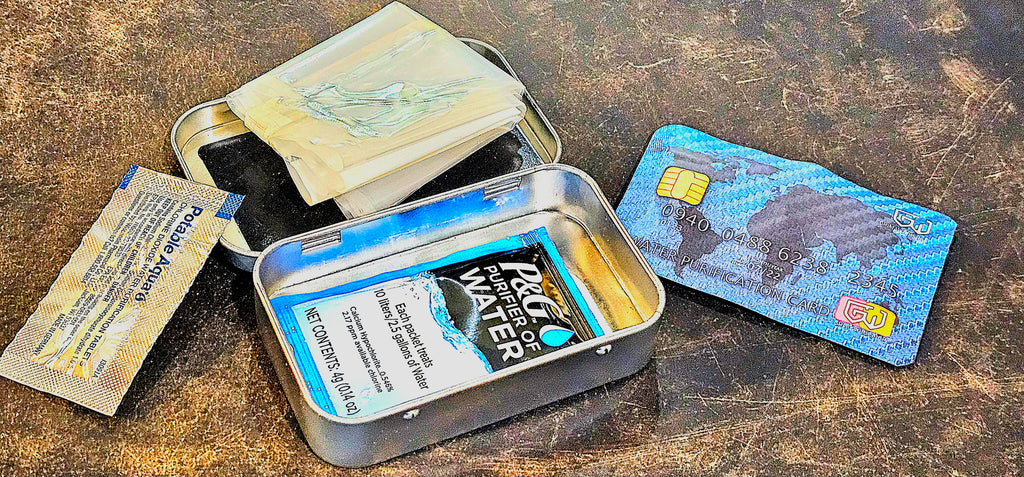
Energy is crucial when survival is on the line. Pack lightweight, high-calorie items like energy bars or nuts. Carry a small, durable water container or a collapsible pouch that fits inside your tin. Don’t forget water purification tablets or a tiny filter to keep your water safe to drink.
Navigation Aids
Getting lost is one of the scariest parts of an emergency. A compact compass fits easily and helps you maintain your bearings. Add a folded map of your local area or the place you’re likely to be. Consider a whistle too; it’s great for signaling if you’re lost and need help.
Shelter And Warmth
Protection from the elements keeps you healthy and focused. A small emergency blanket or a piece of sturdy plastic can shield you from wind and rain. You might also add a compact poncho or some paracord, which can serve multiple purposes like making a shelter or securing gear.
Organizing Your Kit
Organizing your tin can survival kit is key to quick access and efficiency. A well-arranged kit saves time during emergencies. It also ensures you carry essential items without clutter. Planning your kit’s layout helps you use space wisely and avoid chaos.
Prioritizing Items
Start by choosing the most important items for survival. Focus on basics like water purification, fire starters, and first aid. Leave out things that are less necessary or bulky. Think about what you need first in an emergency. Sort items by their use and importance.
- Water purification tablets or small filter
- Fire-starting tools like waterproof matches
- Compact first aid supplies
- Small knife or multi-tool
- Emergency whistle
- Fishing line and hooks
Compact Packing Tips
Use small bags or plastic wrap to group similar items. Roll soft items to save space. Place flat objects at the bottom of the tin can. Fill gaps with cotton balls or tinder for fire-starting. Keep fragile items cushioned and away from sharp tools. Close the tin can tightly to avoid spills.
- Group items by use in small pouches
- Roll bandages and cloths tightly
- Use cotton balls as padding and tinder
- Stack flat items neatly at the bottom
- Secure loose items to prevent movement
Customizing For Different Environments
Customizing a tin can survival kit suits different environments perfectly. Each setting has unique challenges and needs. Tailoring your kit ensures you carry only what is necessary. This keeps your kit light and practical. Focus on what will help you survive best in each environment.
Urban Survival Needs
Urban areas have specific risks and resources. Carry items that help you navigate city dangers and crowds. Include a small flashlight for dark streets. A whistle can signal for help or scare off threats. Pack a compact first aid kit for minor injuries. A multi-tool with a knife and screwdriver is useful. Also, carry a few water purification tablets. Urban survival means quick access to essentials and self-defense.
- Small flashlight
- Whistle
- Compact first aid kit
- Multi-tool
- Water purification tablets
Wilderness Adjustments
Survival in the wild requires different gear than cities. Focus on shelter, fire, and food sources. Include waterproof matches or a fire starter. Add a small fishing line and hooks. Pack insect repellent wipes or cream. A compact emergency blanket helps against cold nights. Carry a strong cord or paracord for building shelter. Wilderness survival needs items that sustain life and protect from nature.
- Waterproof matches or fire starter
- Fishing line and hooks
- Insect repellent
- Emergency blanket
- Paracord
Maintaining And Updating The Kit
Keeping your tin can survival kit ready means more than just packing it once. It demands regular attention to make sure every item is in perfect shape when you need it most. Neglecting this can turn your carefully prepared kit into a useless collection of expired or broken supplies.
Regular Checks
Set a reminder to inspect your kit every few months. Open the can and examine each item carefully. Look for rust on metal tools, tears in packaging, or moisture inside the container.
Think about how often you use similar gear in daily life and apply that to your checks. Have you ever grabbed a flashlight only to find dead batteries? Avoid that disappointment by testing batteries and replacing them as needed.
Replacing Expired Items
Food, medications, and batteries don’t last forever. Check expiration dates and toss anything past its prime. Replace these items promptly to keep your kit reliable.
Keep a small list of what needs replacing and where you bought it. This habit saves time when restocking. Imagine reaching for a bandage only to find it’s sticky or unusable—don’t let this happen to your kit.
How often do you review your emergency supplies? Making this a habit ensures your tin can survival kit stays ready for any situation.

Credit: www.youtube.com
Additional Tips For Emergency Prep
Preparing a tin can survival kit goes beyond packing basic supplies. Extra tips help improve your chances in an emergency. Small details can make a big difference. Focus on tools that serve many purposes and ways to keep your kit dry and ready.
Multi-use Tools
Choose tools that perform several functions. A good multi-use tool saves space and weight. Examples include:
- A Swiss Army knife with blades, scissors, and screwdrivers
- A metal spoon that can double as a small shovel
- A whistle that also works as a compass
- A fire starter that can also cut or scrape
These tools reduce clutter and increase your kit’s effectiveness.
Waterproofing Techniques
Keeping your kit dry is vital. Water can ruin important items fast. Use these simple methods:
- Seal items in small plastic bags or zip-lock pouches
- Wrap the entire tin can in waterproof tape or duct tape
- Apply a thin layer of silicone or wax on the can’s lid edges
- Store the kit in a dry, elevated place away from water sources
Waterproofing ensures your survival kit stays usable when needed most.

Credit: grimworkshop.com
Frequently Asked Questions
What Is A Tin Can Survival Kit?
A tin can survival kit is a compact, portable kit made from a repurposed tin can. It contains essential items for emergencies, like matches, a small knife, and first aid supplies. This kit is ideal for outdoor adventures, providing crucial tools in a convenient, lightweight container.
How Do I Make A Survival Kit?
To make a survival kit, gather essential items like matches, a knife, and bandages. Choose a sturdy tin can as your container. Pack items compactly and securely. Ensure the lid closes tightly to keep contents safe. Customize the kit according to your needs and environment.
What Items Go In A Tin Can Kit?
Essential items for a tin can kit include waterproof matches, a small knife, and bandages. Add a whistle for signaling, a compact flashlight, and a water purification tablet. Customize the kit based on your specific needs and activities, ensuring it remains lightweight and portable.
Why Use A Tin Can For A Survival Kit?
A tin can is durable, compact, and lightweight, ideal for a survival kit. It protects contents from moisture and damage. Easily fits in backpacks or pockets, offering portability. Tin cans are readily available and inexpensive, making them a practical choice for emergency preparedness.
Conclusion
Making a tin can survival kit takes just a few simple steps. You can carry essential items in one small, sturdy container. It keeps you ready for emergencies or outdoor trips. Always check your kit and update items regularly. This small effort can make a big difference in tough situations.
Start building your survival kit today and feel more prepared tomorrow.