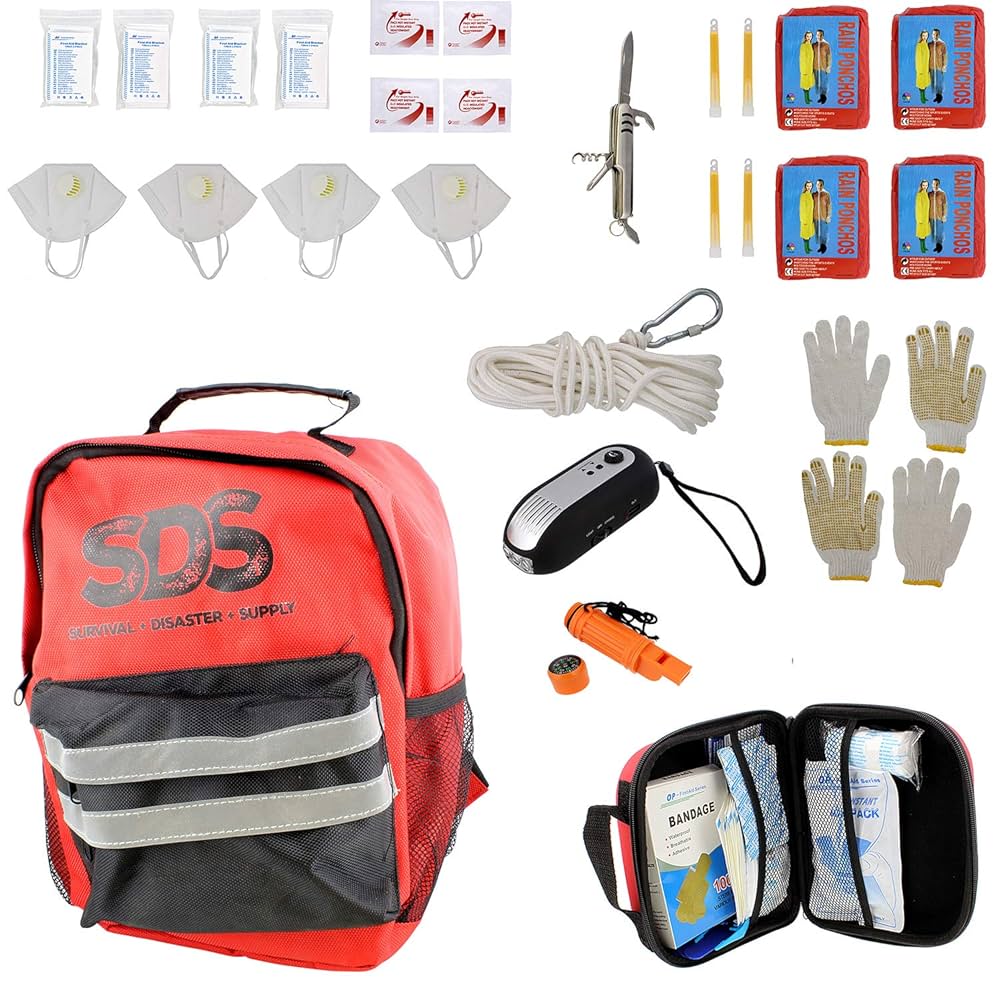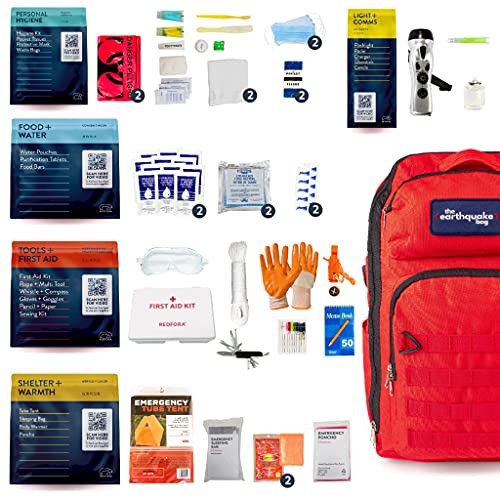
When an earthquake strikes, every second counts. Are you ready to protect yourself and your loved ones when disaster hits?
Having the right items in your earthquake survival kit can make all the difference between staying safe and facing danger unprepared. You’ll discover exactly what you need to include in your kit to stay calm, secure, and self-sufficient during those critical moments.
Don’t wait until it’s too late—read on to build your earthquake survival kit with confidence.

Credit: 72hours.ca
Basic Supplies
Having the right basic supplies in your earthquake survival kit can make all the difference in those critical moments after the shaking stops. These essentials keep you safe, comfortable, and ready to face the unexpected. Think about what you absolutely need to survive for at least 72 hours, and then pack smart.
Water And Hydration
Water tops the list because your body can’t go long without it. Aim for at least one gallon per person per day, covering drinking and minimal hygiene. Store water in sturdy, sealed containers, and consider adding water purification tablets or a portable filter.
Ever been caught thirsty with no clean water in sight? That urgency is why you should regularly check and refresh your water supplies. Staying hydrated keeps your energy up and your mind clear.
Non-perishable Food
Choose foods that won’t spoil without refrigeration and require little or no cooking. Think canned beans, nuts, dried fruits, energy bars, and ready-to-eat meals. Don’t forget a manual can opener—it’s often overlooked but essential.
Imagine reaching for food and realizing it’s either expired or impossible to open. Avoid that by rotating your stock every six months and testing your openers. Your survival kit should fuel you, not frustrate you.
First Aid Items
A well-stocked first aid kit can handle cuts, scrapes, and minor injuries. Include adhesive bandages, antiseptic wipes, gauze, medical tape, scissors, tweezers, and over-the-counter pain relievers. If you take prescription medications, keep a supply in your kit too.
Think about the last time you had a small injury and wished you had a bandage nearby. That small comfort matters even more when medical help isn’t immediately available.
Clothing And Bedding
Pack extra clothing that suits the season and protects you from the elements. Include sturdy shoes, socks, gloves, and a warm hat if needed. A compact sleeping bag or blanket will help you stay warm and rest when you need it most.
Have you ever tried to sleep outside without proper bedding? It’s uncomfortable and can lower your body temperature quickly. Preparing for rest is as important as preparing for survival.
Tools And Equipment
Having the right tools and equipment in your earthquake survival kit can make a huge difference when every second counts. These items help you navigate darkness, make quick repairs, start fires, and stay informed. Think about the last time you faced a power outage or unexpected emergency—did you have what you needed at your fingertips?
Flashlights And Batteries
A reliable flashlight is essential when the power goes out. Choose one that is durable and easy to handle, preferably LED for longer battery life.
Always pack extra batteries, and consider rechargeable options to save money and reduce waste. How would you feel being stuck in the dark without any light source?
Multi-tool And Knife
A sturdy multi-tool combines many functions in one compact device, from cutting and screwing to opening cans. It’s perfect for quick fixes or preparing food.
Include a sharp knife as well; it’s handy for everything from slicing rope to first aid. When was the last time a single tool saved you hours of effort?
Fire Starters
Fire starters like waterproof matches, lighters, or fire steel are vital for warmth, cooking, and signaling for help. Keep them in a waterproof container to ensure they stay dry.
Practice using your fire starters before you need them to avoid fumbling in a crisis. Can you imagine the comfort of a warm fire after a scary earthquake night?
Emergency Radio
An emergency radio keeps you connected to news and rescue updates when other communication lines fail. Look for models with hand cranks or solar power for reliability.
Some radios also include built-in flashlights and USB chargers, adding extra value. How will you stay informed if your phone battery dies?
Personal Hygiene
Keeping up with personal hygiene during an earthquake emergency isn’t just about comfort—it’s crucial for preventing illness. Without access to regular water and sanitation, bacteria and viruses can spread quickly, putting you and your loved ones at risk. Preparing your earthquake survival kit with essential hygiene items helps you stay healthy when conditions are unpredictable.
Sanitation Supplies
Sanitation is the backbone of hygiene in an emergency. Pack items like biodegradable wet wipes, travel-sized toilet paper rolls, and portable waste bags to manage waste safely. Don’t forget a small trowel or shovel if you need to dig a latrine area away from your shelter.
Adding a few extra heavy-duty plastic bags can keep your space clean and prevent contamination. You might think these are small items, but they become lifesavers when plumbing isn’t working.
Face Masks And Gloves
Face masks and gloves protect you from dust, debris, and germs in unstable environments. Choose disposable masks like N95 for better filtration, especially if you are in a dusty or crowded shelter. Gloves—preferably nitrile or latex—help you handle contaminated materials without direct contact.
Remember, you may face situations where clean water for washing hands isn’t available. Wearing gloves reduces your exposure and limits the spread of germs. How often do you consider masks and gloves as part of your daily hygiene routine? In emergencies, they become vital tools.
Hand Sanitizer
Hand sanitizer with at least 60% alcohol is a quick and effective way to kill germs when soap and water are scarce. Keep small, portable bottles in your kit for easy access. Use it before eating, after touching surfaces, or after handling waste.
While sanitizer is handy, it’s not a complete substitute for handwashing. Still, it’s an essential backup that can make a big difference in stopping infections. Have you ever run out of soap during a crisis and wished you had sanitizer ready?
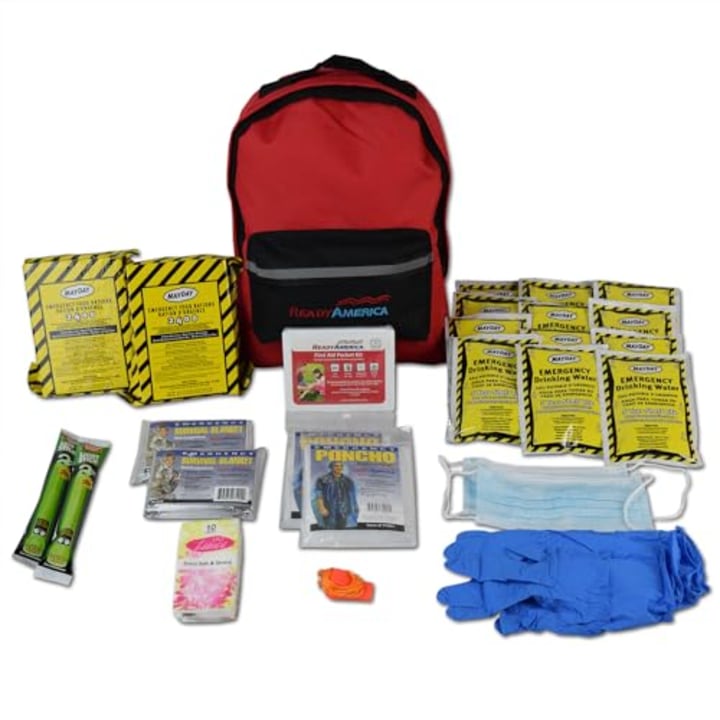
Credit: www.nbcnews.com
Communication And Navigation
Communication and navigation tools are crucial in an earthquake survival kit. They help you stay in touch and find your way when usual systems fail. Simple, reliable items can make a big difference in emergencies. Knowing your location and signaling for help can save precious time.
Whistle And Signal Mirror
A whistle is a powerful tool to call for help without shouting. It uses less energy and carries sound farther. A signal mirror helps catch the attention of rescuers from a distance. Both are lightweight and easy to carry in your kit.
Maps And Compass
Smartphones may not work after a quake. Paper maps and a compass guide you through unfamiliar areas. They do not need batteries and work in any weather. Learning how to read a map and use a compass is important before an emergency.
Chargers And Power Banks
Chargers and power banks keep your devices alive longer. Carry extra power banks to recharge phones and radios. Solar chargers are useful if electricity is out for days. Always keep these items fully charged and ready.
Important Documents And Money
Important documents and money play a key role in earthquake survival kits. These items help prove your identity and secure essential services. Access to cash is vital when electronic payments fail. Storing these items safely ensures you can recover faster after a disaster.
Copies Of Ids And Insurance
Keep photocopies of important IDs like driver’s licenses, passports, and health cards. Include copies of home, car, and life insurance papers. Store these documents in a waterproof and fireproof bag. Having digital copies saved on a secure USB drive is also smart. These papers help speed up claims and prove your identity.
Cash And Coins
Keep cash in small bills and coins in your kit. ATMs and credit card machines might not work after an earthquake. Small bills help buy food, water, and fuel in emergencies. Store cash in a hidden, secure place within your kit. It’s best to have enough money for at least three days.
Special Considerations
Preparing an earthquake survival kit means thinking beyond basic supplies. You need to consider unique needs that ensure safety and comfort during an emergency. These special considerations can make a huge difference in how well you and your loved ones cope with the situation.
Medications And Prescriptions
Do you have all your essential medications ready in your kit? Always include at least a week’s supply of prescription medicines. Keep them in a waterproof container to protect against water damage.
Don’t forget extra glasses, hearing aids with batteries, or inhalers. These small items can be lifesavers when access to pharmacies or clinics is limited. Regularly check expiration dates and replace items as needed.
Items For Children And Pets
Children and pets have special needs that require attention in your survival kit. For kids, pack diapers, formula, baby food, and comfort items like a favorite toy or blanket. These familiar things can reduce their anxiety during chaotic moments.
For pets, include food, water, a leash, and any medications they require. Have a sturdy carrier or crate ready for safe transport. Have you thought about how your pet’s needs might change if you have to evacuate quickly?
Comfort And Entertainment
Survival isn’t just about physical safety; mental well-being matters too. Pack small items to keep spirits up, such as books, playing cards, or puzzles. These distractions can ease stress and help pass the time.
Including a notepad and pen can help you jot down important information or messages. Don’t underestimate the power of comfort during an emergency—it can keep you calm and focused.

Credit: moreprepared.com
Frequently Asked Questions
What Should Be In An Earthquake Kit?
An earthquake kit should include water, non-perishable food, flashlight, batteries, first aid supplies, and a whistle. Additionally, pack personal items like medications, important documents, and cash. Don’t forget a multi-tool, sturdy shoes, and extra clothing. Customize your kit based on family needs and regularly check expiration dates.
How Much Water Do You Need?
Each person should have at least one gallon of water per day. It’s recommended to store a three-day supply for each person. This ensures enough water for drinking and sanitation. Regularly check the water storage and replace it every six months for safety.
Why Include A Whistle In The Kit?
A whistle can help rescuers locate you if trapped under debris. It’s a lightweight and effective signaling tool. In emergency situations, voice calls might not be heard. A whistle’s sound travels farther and can be crucial for survival. Always keep it accessible in your kit.
How Often Should You Update The Kit?
Update your earthquake kit every six months to ensure freshness and functionality. Check expiration dates on food, water, and batteries. Rotate items as necessary and adjust based on changing family needs. Regular updates keep your kit reliable and ready for emergencies.
Conclusion
Preparing an earthquake survival kit saves lives. Keep water, food, and first aid ready. Don’t forget flashlights and batteries. A whistle can help signal for help. Store important documents in a safe place. Check and update your kit often. Stay calm and be ready.
Small steps make a big difference. Safety starts with good preparation. Stay safe, stay prepared.