Imagine having the power to protect yourself and your loved ones in any emergency. Building a survival kit might sound complicated, but with the right steps, you can create one quickly and easily.
This guide will show you how to deliver a clear and confident demonstration speech on building a survival kit. Whether you need to teach others or prepare yourself, you’ll learn simple tips that make your message unforgettable. Ready to become the go-to person for survival skills?
Keep reading, and let’s get started.

Credit: uk.news.yahoo.com
Choosing Essential Items
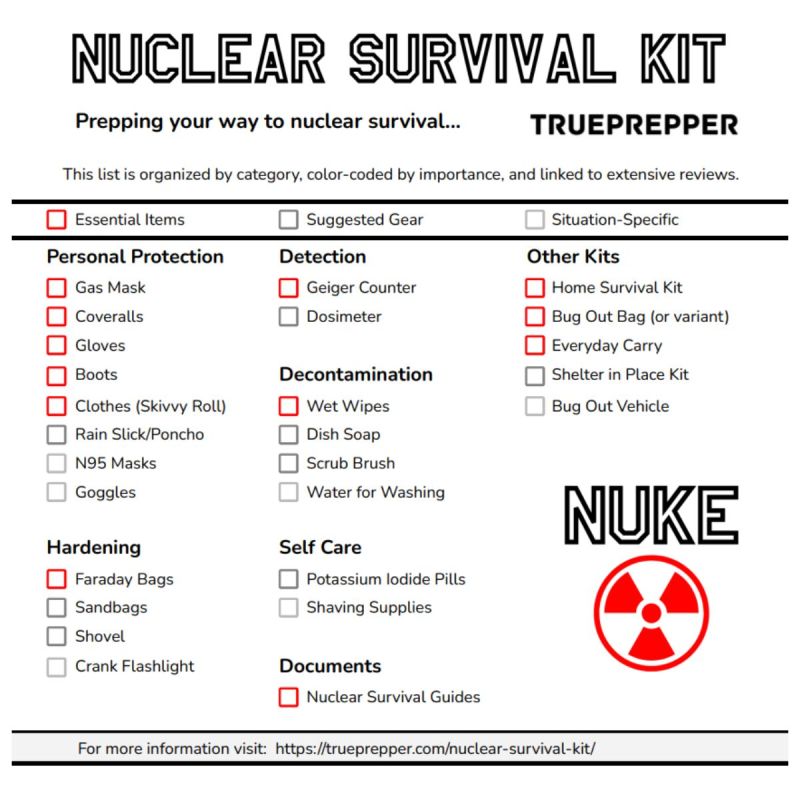
Choosing the right items for a survival kit is vital. The kit must support basic human needs. Focus on water, food, health, shelter, and tools. Each category plays a key role in survival. Select items that are lightweight and durable. Compactness matters for easy carrying. Prioritize multi-use tools for efficiency. Think about your environment and likely emergencies. This helps tailor the kit to your needs.
Water And Hydration Tools
Water is the most critical survival need. Include a reliable water container. A durable water bottle or hydration bladder works well. Add water purification options like tablets or filters. These remove harmful bacteria and viruses. Consider lightweight, portable filters for easy use. Include a metal cup or pot for boiling water. Staying hydrated prevents serious health problems.
Food And Nutrition
Choose non-perishable, high-energy foods. Energy bars, nuts, and dried fruits are good choices. Freeze-dried meals last long and are lightweight. Avoid foods needing refrigeration or cooking. Pack enough food for at least three days. Small portions help keep the kit light. Food must provide calories and essential nutrients.
First Aid Supplies
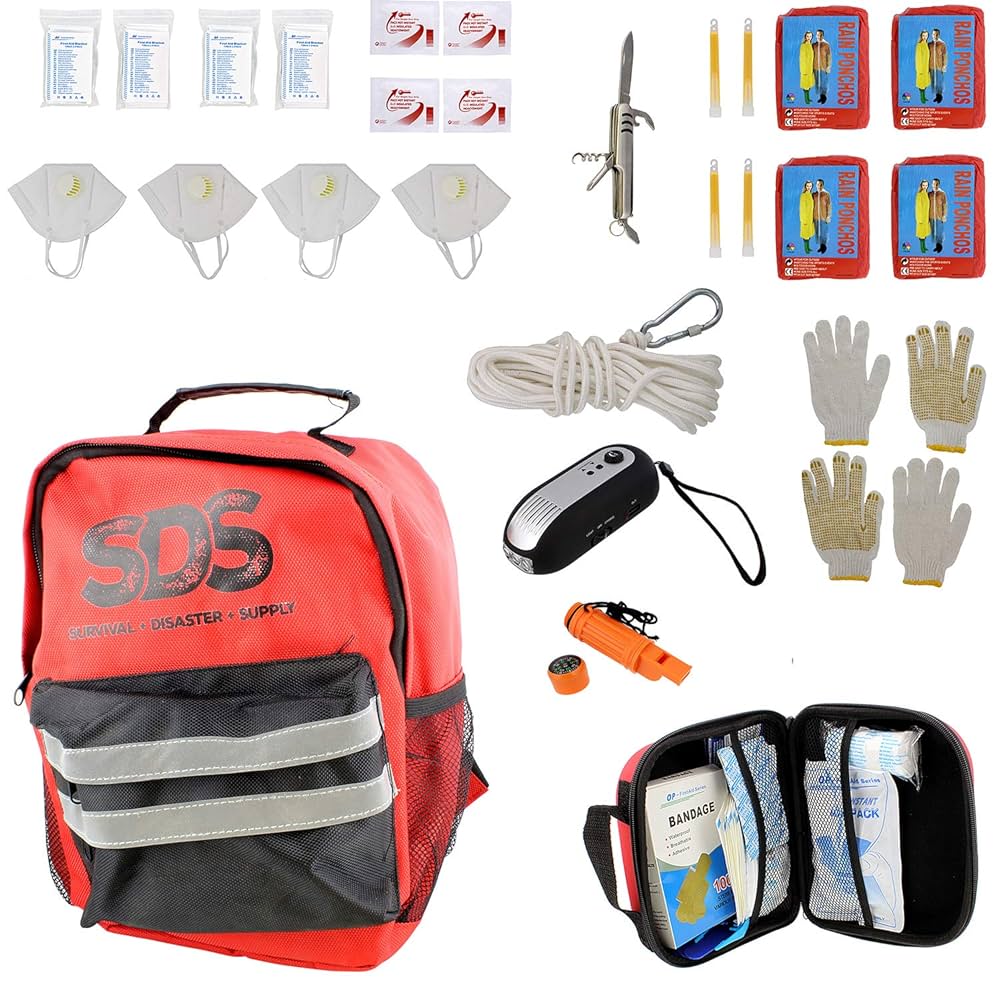
First aid is crucial in emergencies. Include adhesive bandages of various sizes. Add antiseptic wipes and antibiotic ointment. Pack pain relievers and allergy medicine. Add scissors, tweezers, and medical tape. Consider a CPR face shield and gloves. Personal medications should be part of the kit. Check expiration dates regularly.
Shelter And Warmth
Protection from weather is essential. Pack a lightweight emergency blanket or bivvy sack. Include a compact tarp or poncho for shelter. Bring fire-starting tools like waterproof matches or a lighter. Add hand warmers for cold conditions. Warmth helps prevent hypothermia. Shelter items must be easy to set up quickly.
Tools And Equipment
Multi-purpose tools save space and weight. A sturdy knife is a must-have. Include a small folding saw or wire saw. Bring a flashlight or headlamp with extra batteries. Add a whistle for signaling help. Carry strong cordage like paracord. A compass or GPS device aids navigation. Tools increase your chances of survival.

Credit: gearjunkie.com
Organizing Your Kit
Organizing your survival kit ensures quick access during emergencies. A well-arranged kit saves time and reduces stress. Planning how to store and find items improves your readiness. Focus on container choice, packing method, and clear labeling. These steps make your kit practical and easy to use.
Selecting A Suitable Container
Choose a container that fits your needs and environment. Look for strong, waterproof materials like plastic or metal. The size should hold all essential items without being too heavy. A container with compartments or removable trays helps keep things neat. Make sure it is easy to carry and fits in your storage space.
Packing For Accessibility
Arrange items by importance and frequency of use. Place the most needed tools on top or in easy-to-reach spots. Use small bags or pouches to group similar items together. Avoid overpacking to prevent damage or difficulty in finding things. Keep fragile items cushioned and separate from heavy gear.
Labeling And Inventory
Label each section or pouch clearly to identify contents fast. Use simple words and large letters for quick reading. Create an inventory list with item names and quantities. Store the list inside the container or on its lid for reference. Update the inventory regularly to replace used or expired items.
Demonstration Preparation
Preparing for a survival kit demonstration speech sets the stage for success. Clear preparation helps you deliver your message with confidence and clarity. Focus on organizing your ideas and practicing your delivery. This preparation makes your speech smooth and engaging for the audience.
Planning Your Speech Flow
Start by outlining the main points you want to cover. Arrange these points in a logical order. Begin with an introduction that grabs attention. Follow with clear steps to build the survival kit. End with a brief summary to reinforce key ideas. Keep each section brief and to the point. This structure helps your audience follow along easily.
Gathering Visual Aids
Visual aids make your speech more interesting and clear. Collect all items you will use in your demonstration. Include each part of the survival kit, like water filters and first aid supplies. Use simple labels or cards to identify each item. Visual aids help your audience see what you explain. Make sure everything is ready and easy to handle during the speech.
Practicing Key Points
Practice your speech several times before presenting. Focus on explaining each step clearly and slowly. Practice handling your visual aids smoothly. Time your speech to fit within the allowed limit. Practice helps reduce nervousness and improves your confidence. Repeat until you feel comfortable with every part of your speech.
Engaging Your Audience
Capturing and holding your audience’s attention during a survival kit demonstration is key to making your message stick. You want your listeners to feel involved, confident, and ready to build their own kits by the end of your speech. Think about what makes you pay attention during a talk—clear steps, interactive moments, and answers to your burning questions all play a big part.
Using Clear Instructions
Speak plainly and break down each step in your survival kit demonstration. Use short, direct sentences like “Add a flashlight to your kit” or “Include waterproof matches.” Avoid jargon or complicated terms that might confuse your audience.
It helps to repeat critical points and show each item as you talk about it. This way, your audience can see exactly what you mean. Have you noticed how simple instructions make learning easier for you?
Incorporating Hands-on Elements
Let your audience touch, hold, or try out the items you mention. Pass around a compass, demonstrate how to use a whistle, or show how to wrap a bandage. Physical interaction makes the experience memorable and boosts confidence.
You can also invite volunteers to participate in small tasks, like packing a backpack or assembling a mini kit. This involvement transforms your speech from a lecture into a shared experience. What would you like to try yourself during a survival kit demo?
Answering Common Questions
Anticipate the questions people usually ask about survival kits. Prepare clear answers about why certain items are essential or how to use them in real situations. Address concerns like “Can I use any flashlight?” or “How long will the supplies last?”
Encourage your audience to ask their own questions throughout the demonstration. This two-way communication makes your talk feel personal and relevant. What questions do you have right now about building your survival kit?
Safety Tips And Best Practices
Building a survival kit is more than just gathering supplies. It’s about making sure those supplies stay effective and ready when you need them most. Safety tips and best practices will help you keep your kit reliable, so you never face an emergency unprepared.
Maintaining Kit Freshness
Check your kit’s contents regularly to make sure everything is in good condition. Expired food, rusted tools, or dried-out batteries can turn your kit into a liability instead of a help. Keep items in waterproof containers to protect them from moisture and dirt.
Have you ever opened a kit only to find moldy snacks or dead batteries? That’s why you must inspect your supplies every few months. Rotate perishable goods and test electronic devices to keep everything fresh and functional.
Updating Supplies Regularly
New technology and products appear all the time that can improve your survival chances. Don’t hesitate to swap out old gear for better options. Update your first aid supplies to include the latest treatments and medications you might need.
Think about changing seasons and how your needs might shift. Winter might require extra thermal blankets, while summer calls for more water and sun protection. Set reminders to review and update your kit at least twice a year.
Adapting Kits For Different Scenarios
Not all emergencies are the same. A kit designed for hiking won’t be perfect for a car breakdown or a home blackout. Customize your kit based on where you plan to use it and the types of risks you expect.
Consider your family’s specific needs too. If you have small children, elderly members, or pets, add items that cater to them. Have you thought about creating separate kits for your car, office, and home to cover all bases?

Credit: www.youtube.com
Frequently Asked Questions
What Are The Essential Items For A Survival Kit?
A survival kit should include water, non-perishable food, a flashlight, batteries, a first aid kit, and a multi-tool. Additionally, include a whistle, a map, and a compass for navigation. Remember to tailor the kit based on your specific needs and environment.
How Do I Demonstrate Building A Survival Kit?
Begin by explaining the importance of each item. Then, show how to organize them efficiently. Use clear, concise language and visuals if possible. Engage your audience by involving them in the process. Encourage questions for better understanding.
Why Is A Survival Kit Important?
A survival kit prepares you for emergencies. It ensures you have essential supplies during unexpected situations. Having a kit can significantly increase your safety and comfort. It provides peace of mind knowing you’re prepared for unforeseen events.
How Often Should I Update My Survival Kit?
Review and update your survival kit every six months. Check expiration dates on food and batteries. Replace any used or expired items. Adjust the contents based on changing seasons or personal needs. Regular updates ensure your kit remains effective and reliable.
Conclusion
Building a survival kit demonstration speech helps others learn key skills. Keep your steps clear and simple. Show each item’s use and why it matters. Practice speaking slowly and use easy words. A good demo keeps the audience interested and informed.
Share your knowledge with confidence and care. This way, you help others prepare for emergencies. Remember, clear instructions make all the difference. Teaching survival skills can save lives. Keep your message strong and straightforward.