Imagine being deep in the woods, miles away from help, and suddenly facing an unexpected challenge. Would you be ready?
Building your own survival kit for camping is one of the smartest steps you can take to stay safe and confident outdoors. In this guide, you’ll discover exactly what to include in your kit, how to pack it efficiently, and why each item matters.
By the time you finish reading, you’ll have the know-how to create a survival kit that could make all the difference on your next adventure. Keep reading—your safety depends on it.

Credit: www.youtube.com
Choosing The Right Container
Choosing the right container for your survival kit is more important than many realize. It protects your gear, keeps everything organized, and can even affect how easily you carry your essentials. Think about your camping style and environment before picking the container, as the wrong choice can turn a lifesaver into a hassle.
Durable And Lightweight Options
Durability is key when selecting a container. You want something that withstands rough handling and outdoor elements without adding extra weight to your pack.
Materials like hard plastic, aluminum, or heavy-duty nylon strike a good balance. For example, a hard plastic box can resist impacts and keep contents safe, but it might be heavier than a nylon pouch.
Consider your camping activities too. If you hike long distances, lightweight options will save your energy. On the other hand, if you camp near your car, a heavier but sturdier container could work better.
Waterproof And Compact Designs
Waterproof containers protect your supplies from rain, splashes, and accidental submersion. This feature can be a lifesaver, especially if you camp near water or in wet conditions.
Look for containers with tight-sealing lids or waterproof zippers. Dry bags or sealed plastic cases often excel in this area.
Compactness also matters. A bulky container can take up too much space and make packing inefficient. Think about how your survival kit fits with your other gear—does it slide easily into your backpack, or does it require extra effort?
Essential First Aid Supplies
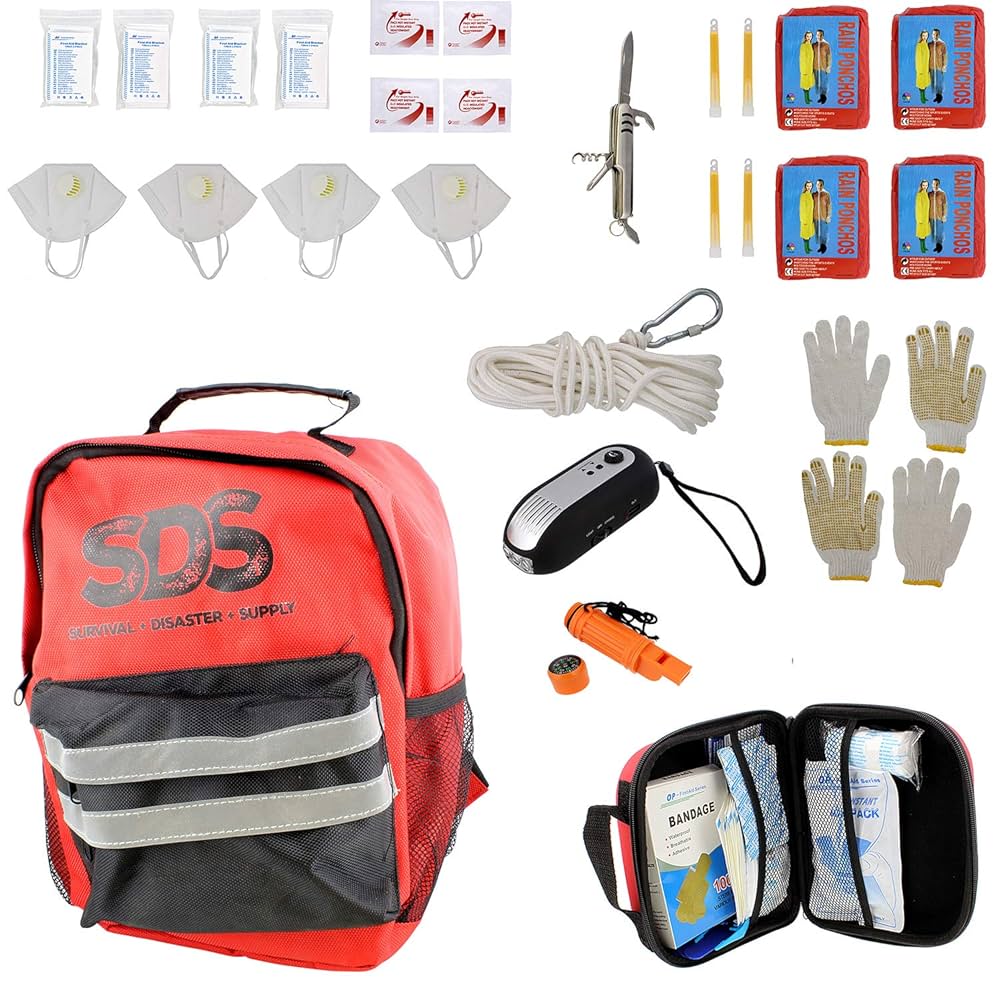
A well-prepared survival kit must include essential first aid supplies. These supplies help treat minor injuries and prevent infections. They are crucial for safe camping experiences. Every camper should carry a compact first aid section in their kit.
Basic Medical Items
- Adhesive bandages in various sizes
- Sterile gauze pads for wounds
- Medical tape to secure dressings
- Antiseptic wipes to clean cuts
- Scissors and tweezers for removing splinters
- Elastic bandage for sprains
- Disposable gloves to maintain hygiene
- CPR face shield for emergency resuscitation
Emergency Medications
- Pain relievers like ibuprofen or acetaminophen
- Antihistamines for allergic reactions
- Anti-diarrhea medication to manage stomach issues
- Antacid tablets for indigestion
- Hydrocortisone cream to reduce itching
- Insect bite relief ointment
- Oral rehydration salts for dehydration
Tools For Shelter And Fire
Having the right tools for shelter and fire is essential for any camping survival kit. These items help you create a safe space and keep warm, which are critical for comfort and safety outdoors. Knowing exactly what to pack can make a huge difference when unexpected situations arise.
Multipurpose Knife And Axe
A sturdy multipurpose knife is a must-have. It can help you cut rope, prepare food, and carve wood for shelter. Choose a knife with a comfortable grip and a strong blade that can handle various tasks without breaking.
An axe adds power to your shelter-building capabilities. It’s perfect for chopping branches and splitting firewood. When I was camping last fall, having a reliable axe made gathering wood quick and easy, saving me from a chilly night.
Look for lightweight, durable tools that fit easily into your pack. Consider models with safety sheaths to protect both you and your gear. What tasks do you think you’ll need these tools for in your next trip?
Fire Starters And Matches
Starting a fire quickly can be a lifesaver. Carry waterproof matches or a reliable lighter, but don’t stop there. Fire starters like magnesium rods or firesteel kits work even when conditions are wet.
Having multiple fire-starting options increases your chances of success. I once struggled to ignite damp wood until I used a magnesium fire starter—sparks flew, and warmth followed. It’s worth carrying more than one method.
Store your matches in a waterproof container, and keep your fire starters accessible. Think about your environment and what fire-starting tools will work best. How confident are you in your fire-making skills under pressure?
Water And Food Essentials
Water and food are the backbone of any survival kit, especially when you’re out camping. Without clean water and reliable food options, your adventure can quickly turn risky. Preparing these essentials thoughtfully can keep you energized and healthy, no matter what challenges you face outdoors.
Portable Water Filters
Carrying enough water can be heavy and impractical, so a portable water filter is a game-changer. These filters let you safely drink from natural sources like streams and lakes by removing harmful bacteria and parasites. Look for lightweight models with replaceable cartridges that can filter at least 1,000 liters—that’s enough for several days of drinking.
Have you ever been caught without clean water on a hike? I learned the hard way that filtering on the go saves both space and stress. A compact filter fits easily in your pack and ensures you never have to rely on uncertain water supplies.
Non-perishable Snacks
Food that lasts without refrigeration is essential. Choose snacks high in energy and nutrients, such as nuts, dried fruits, and protein bars. These options are lightweight, easy to pack, and provide quick fuel when you need it most.
Think about snacks that won’t crumble or melt in your bag. Vacuum-sealed jerky or trail mix with seeds and dark chocolate can keep hunger at bay and morale high. Do you know which snacks have kept you going during your past outdoor trips? Packing those favorites can make a big difference.
Navigation And Communication Gear
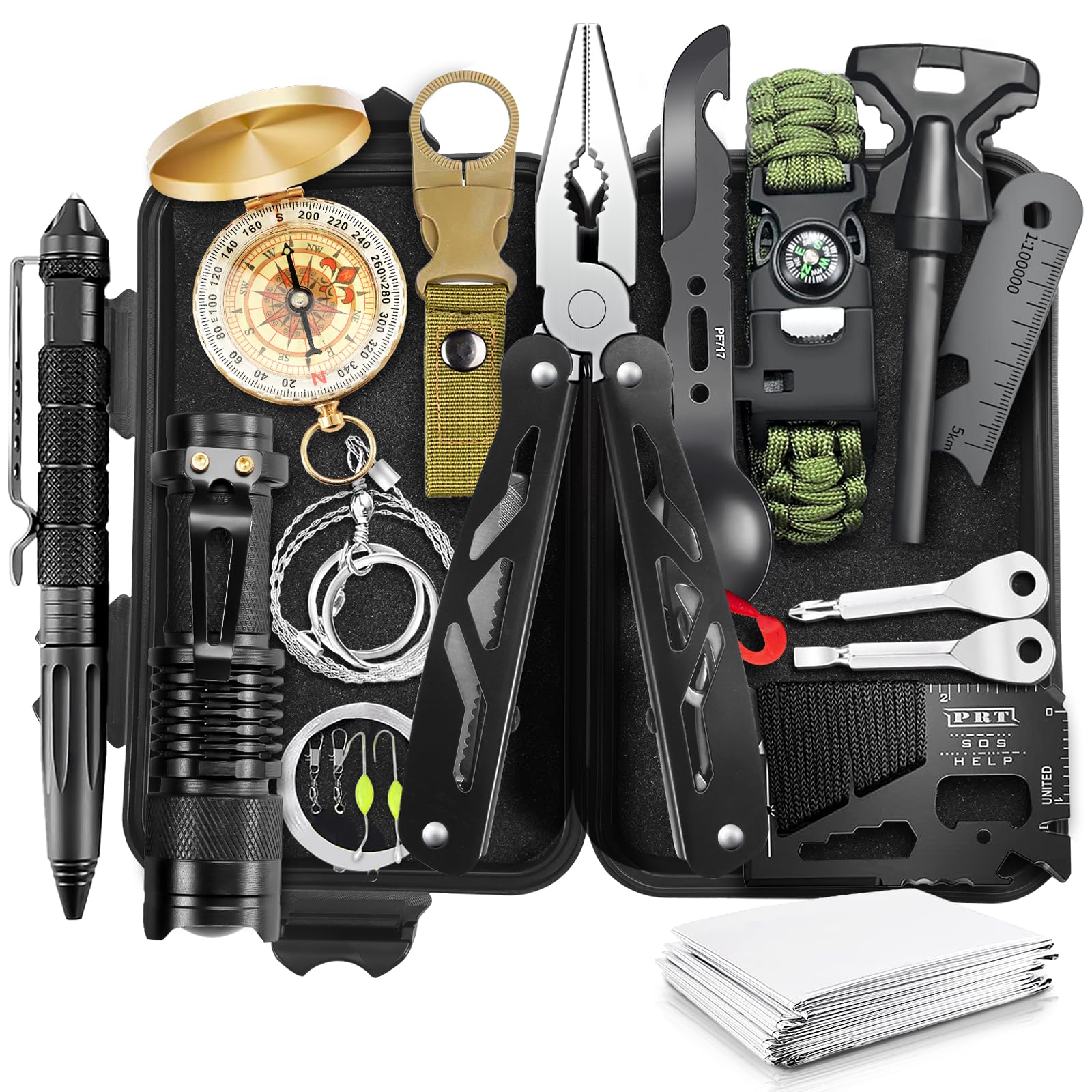
Navigation and communication gear are essential parts of your survival kit for camping. They help you find your way and stay connected when you’re in remote areas. Without these tools, even a simple hike can turn into a dangerous situation.
Maps And Compass
A reliable map and compass are your best friends in the wilderness. GPS devices can fail due to battery drain or poor signal, but a physical map and compass always work if you know how to use them.
Choose a detailed topographic map of your camping area and practice reading it before you go. Mark key landmarks and your planned route. Carry a compass with a clear base plate and rotating bezel. It’s a small tool that can save you from getting lost.
Have you ever thought about how long it would take to find your way without technology? Learning basic navigation skills is not just smart—it could be lifesaving.
Emergency Radios And Whistles
Emergency radios keep you informed about weather changes and rescue updates. A hand-crank or solar-powered radio ensures you stay connected even without batteries. This kind of radio can be a lifeline during storms or unexpected events.
Whistles are simple but powerful communication tools. A loud whistle can attract attention from far away and uses no battery. Carry a whistle attached to your gear so it’s always accessible.
Think about a moment when you needed help but had no way to signal. Adding an emergency radio and whistle to your kit gives you a voice in the wild. What’s the best way to call for help if you don’t have a phone?
Credit: www.amazon.ca
Clothing And Protection
Clothing and protection are crucial parts of your survival kit for camping. The right apparel keeps you comfortable and safe from harsh elements. It also prevents injuries and health issues that could spoil your adventure.
Weather-appropriate Apparel
Choose clothes based on the weather where you’ll camp. Layering works best because it lets you adjust to temperature changes easily. Start with a moisture-wicking base layer to keep sweat off your skin.
Next, add an insulating layer like fleece or down for warmth. Finish with a waterproof and windproof outer shell to protect against rain and wind. Don’t forget a hat and gloves if it’s cold, or a wide-brimmed hat for sunny spots.
Think about your last camping trip—did you ever get too hot or too cold? Packing versatile clothing can prevent those uncomfortable moments and keep you focused on enjoying nature.
Insect Repellent And Sunscreen
Insects and sun exposure are common risks outdoors. Always pack a reliable insect repellent to guard against bites and insect-borne diseases. Look for ones containing DEET or natural alternatives like oil of lemon eucalyptus.
Sunscreen is just as important, even on cloudy days. Choose a broad-spectrum sunscreen with at least SPF 30. Apply it to all exposed skin and reapply every two hours or after sweating or swimming.
Have you ever underestimated the sun or bugs while camping? Protecting your skin can prevent painful burns and itchy bites, letting you focus on what really matters—your adventure.
Organizing And Packing Tips
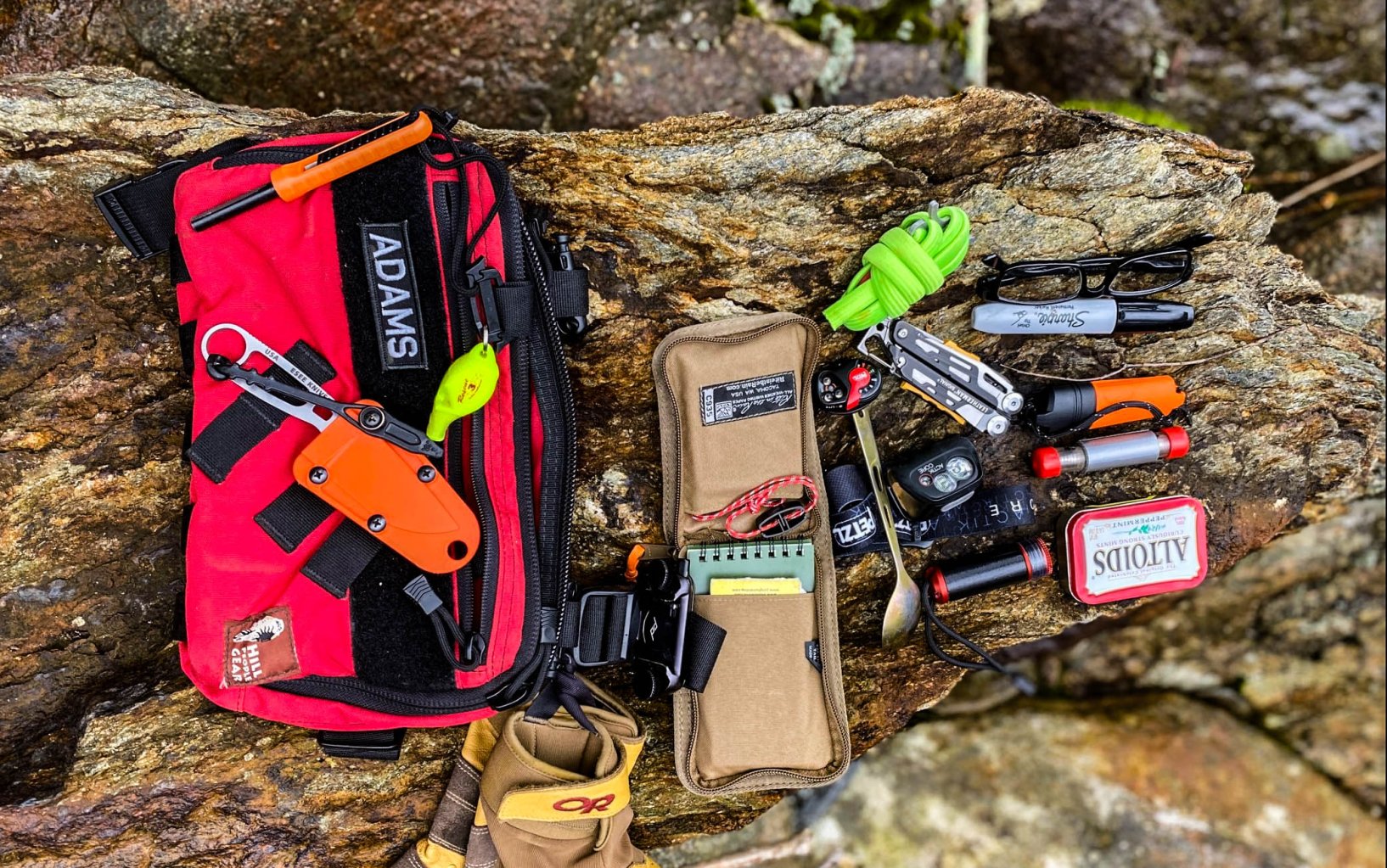
Organizing and packing your survival kit effectively can make a huge difference when you’re out camping. A well-packed kit saves time, reduces stress, and ensures you can access what you need quickly. Think about how you’ve scrambled through your bag in a previous trip—what could have been easier if things were better organized?
Prioritizing Items
Start by deciding which items you absolutely need. Essentials like a first aid kit, water purification tablets, and a reliable fire starter should top your list.
Group items by their function or urgency. For example, keep all medical supplies together and emergency tools in one section.
Ask yourself: what would you reach for first if an emergency happens? That should be the priority in your packing order.
Packing For Accessibility
Place frequently used items at the top or in external pockets of your backpack. This includes snacks, a flashlight, or your map.
Use small pouches or zip-lock bags to separate items inside your kit. This stops things from getting jumbled and makes retrieval quicker.
Try packing your kit once and then timing how fast you can find a specific item. Adjust your layout until it feels natural and efficient.
Credit: www.outdoorlife.com
Frequently Asked Questions
What Items Are Essential In A Camping Survival Kit?
A camping survival kit should include a first-aid kit, a multi-tool, a flashlight, waterproof matches, a whistle, and a space blanket. These items provide basic safety and utility. Always tailor your kit to the specific environment and weather conditions of your camping destination.
How Do You Waterproof A Survival Kit?
To waterproof a survival kit, use a heavy-duty, resealable plastic bag or a waterproof container. Ensure all items are individually wrapped. This prevents moisture damage. Regularly check seals and replace any compromised bags. This ensures your gear stays dry and functional in any weather.
Why Is A Whistle Important In A Survival Kit?
A whistle is crucial for signaling help over long distances. It requires less energy than shouting. The sound can travel further, alerting others to your presence. In emergencies, a whistle can be a life-saving tool. Always include it in your survival kit for optimal safety.
How Often Should You Update A Survival Kit?
Update your survival kit at least every six months. Check expiration dates on food and first-aid supplies. Replace any damaged or used items. Regular updates ensure your kit remains effective and reliable. Tailor updates to season-specific needs and changes in planned camping destinations.
Conclusion
A good survival kit keeps you safe and ready outdoors. Pack essential items like water, food, and first aid supplies. Choose tools that fit your trip and needs. Check your kit before every camping adventure. Stay prepared. Stay confident. Enjoy nature without worry.