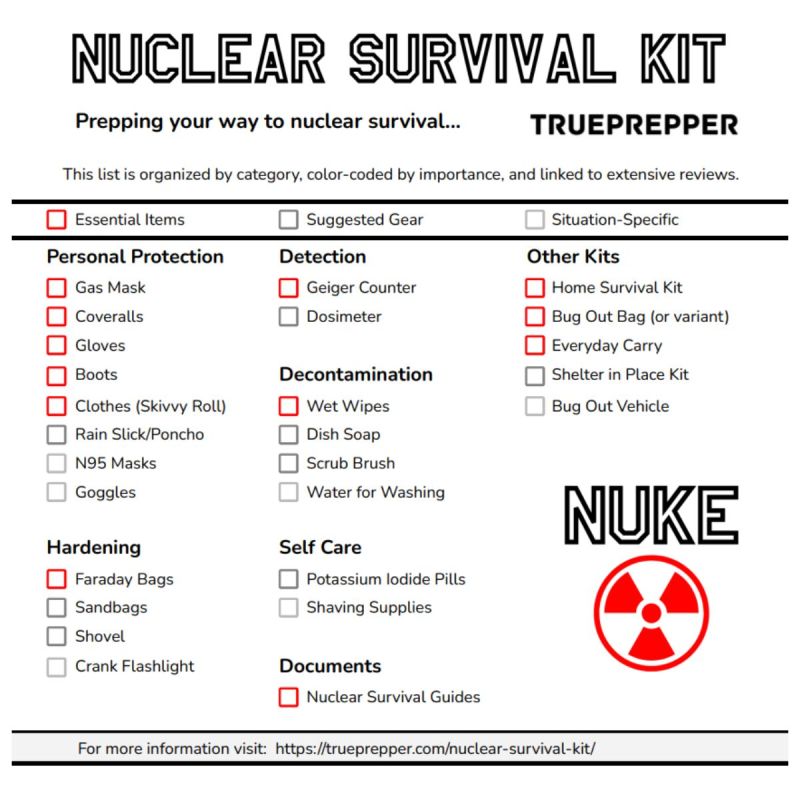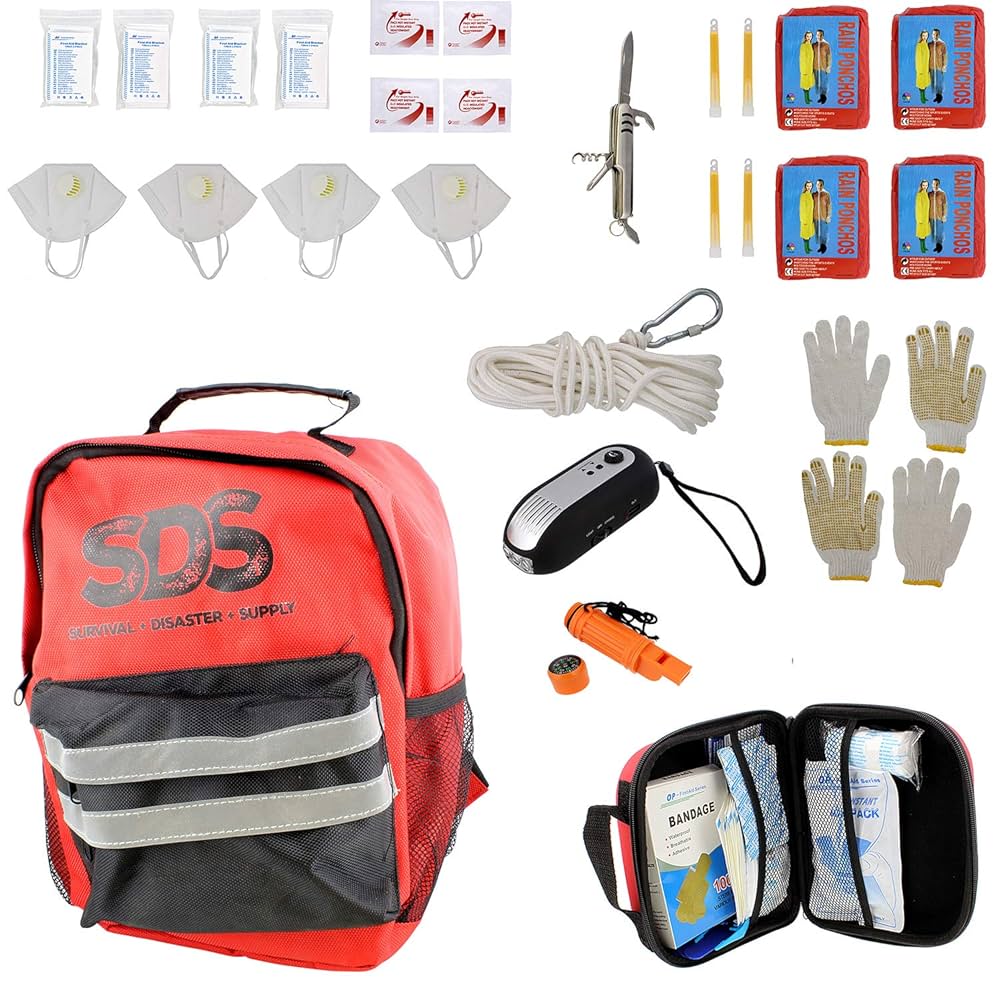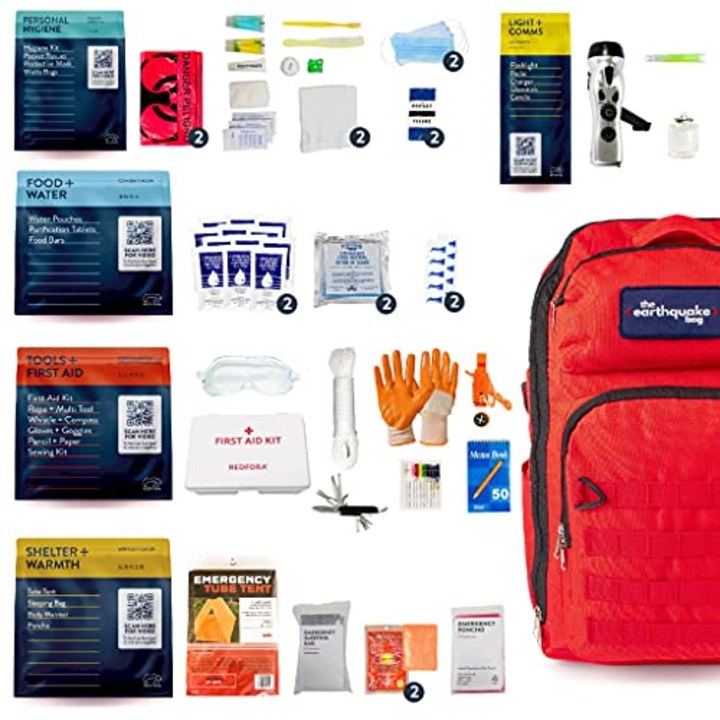
Imagine the ground shaking beneath your feet and everything around you suddenly turning chaotic. In those critical moments, having the right tools at your side can mean the difference between staying safe and facing danger.
You might be wondering, “What do I really need in my earthquake survival kit? ” The answer isn’t just about packing random items—it’s about being prepared with essentials that protect you and your loved ones when seconds count. Keep reading, and you’ll discover exactly what to include to build a kit that could save your life.
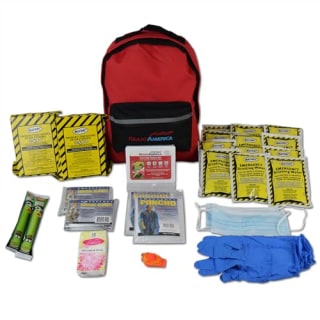
Credit: www.nbcnews.com
Basic Supplies
Building your earthquake survival kit starts with gathering the basic supplies that will keep you safe and comfortable during those critical first hours or days. These essentials focus on meeting your most immediate needs: staying hydrated, nourished, and healthy. Without these core items, surviving after an earthquake becomes much harder.
Water And Hydration
Water is your top priority in any survival situation. Aim to store at least one gallon per person per day for drinking and basic hygiene. Think about adding water purification tablets or a portable filter to your kit; they can be lifesavers if your stored water runs out or becomes contaminated.
Have you considered how you’ll carry your water if you have to leave your home? A sturdy, reusable water bottle or collapsible water bags can make a big difference. Don’t forget to rotate your stored water every six months to keep it fresh.
Non-perishable Food
Your body needs energy to stay alert and strong after an earthquake. Pack foods that don’t spoil easily, like canned goods, dried fruits, nuts, and energy bars. Choose items that require no cooking or refrigeration, so you’re prepared even if utilities are down.
Think about variety as well as nutrition. Including some high-protein snacks alongside carbohydrates will help maintain your stamina. Have you tested your food choices before? Eating what you’re comfortable with reduces stress during emergencies.
First Aid Essentials
Accidents happen during earthquakes, so having a well-stocked first aid kit is crucial. Include bandages, antiseptic wipes, pain relievers, adhesive tape, and any personal medications you need. A compact first aid manual can guide you through treating minor injuries when help isn’t immediately available.
Consider adding items like tweezers, scissors, and gloves for better care. Think about your family’s specific needs—do you need allergy medication or extra supplies for a baby? Preparing for these details can mean the difference between a manageable injury and a serious problem.
Tools And Equipment
Having the right tools and equipment in an earthquake survival kit can make a big difference. These items help you handle emergencies safely and efficiently. Focus on tools that serve multiple purposes and are easy to carry.
Multi-tool And Knife
A good multi-tool combines many useful functions in one compact device. It usually includes pliers, screwdrivers, scissors, and a knife. A sharp knife is essential for cutting ropes, packaging, or food. Choose a sturdy, reliable tool you can trust in tough situations.
Flashlights And Batteries
Power outages often happen during earthquakes. A strong flashlight provides needed light in the dark. Carry extra batteries to keep your flashlight working longer. LED flashlights are bright and use less power. Consider a hand-crank or solar flashlight for backup power.
Radio For Communication
A radio helps you receive emergency alerts and news updates. Battery-powered or hand-crank radios work best. Some radios include a flashlight and phone charger. Staying informed can guide your actions and keep you safe.
Safety And Protection
Safety and protection are vital in any earthquake survival kit. These items help prevent injuries and keep you secure during and after the quake. Prepare to face dust, debris, and loud noises with the right gear. Prioritize your safety first to improve your chances of staying unharmed.
Protective Clothing And Gloves
Wear sturdy clothes to protect your skin from cuts and scrapes. Long sleeves and pants made from tough materials are best. Heavy-duty gloves guard your hands from sharp objects and rough surfaces. These items shield you from broken glass and falling debris.
Dust Masks And Eye Protection
Dust masks filter harmful particles from the air. They help you breathe clean air in dusty environments. Eye protection keeps dirt and debris from irritating or injuring your eyes. Use safety goggles or glasses that fit well and cover your eyes completely.
Emergency Whistle
An emergency whistle helps you signal for help when trapped or lost. It makes a loud sound that can be heard from a distance. Keep it easily accessible so you can use it quickly in an emergency.
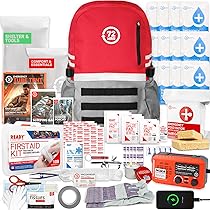
Credit: www.amazon.ca
Shelter And Warmth
Staying warm and protected after an earthquake is vital. Shelter and warmth prevent hypothermia and keep you safe from harsh weather. Your survival kit should include items that help you create a secure and insulated space quickly.
Emergency Blankets
Emergency blankets are lightweight and compact. They reflect body heat and block wind and rain. These blankets take up little space but offer great warmth. Keep several in your kit for everyone in your group.
Tents And Tarps
Tents provide quick shelter from the elements. Choose one that is easy to set up and durable. Tarps are versatile and can create a simple shelter or ground cover. Both protect you from rain, wind, and cold ground.
Fire Starting Materials
Fire provides warmth, light, and a way to cook food. Include waterproof matches, lighters, or fire starters in your kit. These materials help you start a fire even in wet conditions. Always practice fire safety to avoid accidents.
Personal Items
Personal items are essential in an earthquake survival kit. They help maintain your identity and health during emergencies. These items support your safety and comfort until help arrives. Focus on documents, money, and health products that you cannot easily replace.
Important Documents
Keep copies of vital papers in a waterproof folder. These include:
- Birth certificates
- Passports
- Insurance policies
- Property deeds
- Emergency contact lists
Having these ready speeds up recovery and access to services.
Cash And Identification
Electronic payments may not work after an earthquake. Carry some cash in small bills. Also, include your ID cards. These prove who you are and help with emergencies.
Medications And Hygiene Products
Pack enough prescription medicines for at least three days. Include over-the-counter pain relievers and allergy medications. Add basic hygiene items like:
- Toothbrush and toothpaste
- Soap or hand sanitizer
- Feminine hygiene products
- Wet wipes
These keep you clean and reduce illness risk during tough times.

Credit: moreprepared.com
Additional Survival Gear
Additional survival gear enhances your earthquake kit’s usefulness. These tools help solve problems you might face during emergencies. They improve safety, mobility, and communication.
Keep these items ready. They support your basic supplies and make survival easier.
Rope And Cordage
Strong rope or cordage is vital. Use it to secure items, build shelters, or create makeshift stretchers. Choose lightweight, durable materials like paracord. It can hold weight and resist weather damage. Rope is versatile for many emergency tasks.
Duct Tape
Duct tape fixes almost anything quickly. Patch torn tents, seal leaks, or hold broken gear together. It can even protect wounds if no bandages are available. Keep a small roll in your kit. This tape is lightweight and very useful in tough situations.
Local Maps And Compass
Electronic devices may fail or lose power. Local maps and a compass guide you safely without batteries. Learn to read maps and use a compass before an emergency. These tools help you find safe routes and avoid danger zones. Always keep updated maps in your kit.
Frequently Asked Questions
What Are The Essential Items For An Earthquake Survival Kit?
An earthquake survival kit must include water, non-perishable food, flashlight, batteries, first aid supplies, and a whistle. These items ensure safety and basic needs during an emergency.
How Much Water Should I Store In My Kit?
Store at least one gallon of water per person per day. Plan for a minimum of three days to stay hydrated during an earthquake.
Why Is A First Aid Kit Important In Earthquake Survival?
A first aid kit helps treat injuries immediately after an earthquake. It prevents infections and manages minor wounds when medical help is delayed.
Should I Include Tools In My Earthquake Survival Kit?
Yes, include basic tools like a wrench, multi-tool, and duct tape. These help turn off utilities and make quick repairs after an earthquake.
Conclusion
An earthquake survival kit is a must-have for safety. Essential items include water, food, and a first-aid kit. Flashlights and batteries ensure light during power outages. Sturdy shoes protect your feet from debris. A whistle can signal for help. Don’t forget important documents in a waterproof pouch.
Regularly check and update your kit. Stay prepared and informed. Being ready can save lives. Keep your family safe. Plan today for peace of mind tomorrow. Stay alert, stay safe. Make your kit a priority. Protect yourself and loved ones.
Preparedness is key in uncertain times.