Imagine a time when you need food but can’t just walk to the store. What will you eat?
How will you stay strong? That’s why having a survival food kit is one of the smartest moves you can make. In this guide, you’ll learn exactly how to build a kit that keeps you safe and nourished, no matter what happens.
By the end, you’ll have the confidence to face emergencies with food ready and waiting. Let’s dive in and make sure you’re prepared for anything.

Credit: readywise.com
Choosing The Right Foods
Choosing the right foods for your survival kit is crucial. The right selection ensures you have enough energy and nutrients to stay healthy during emergencies. Your choices should focus on durability, nutrition, and personal dietary needs.
Long-lasting Staples
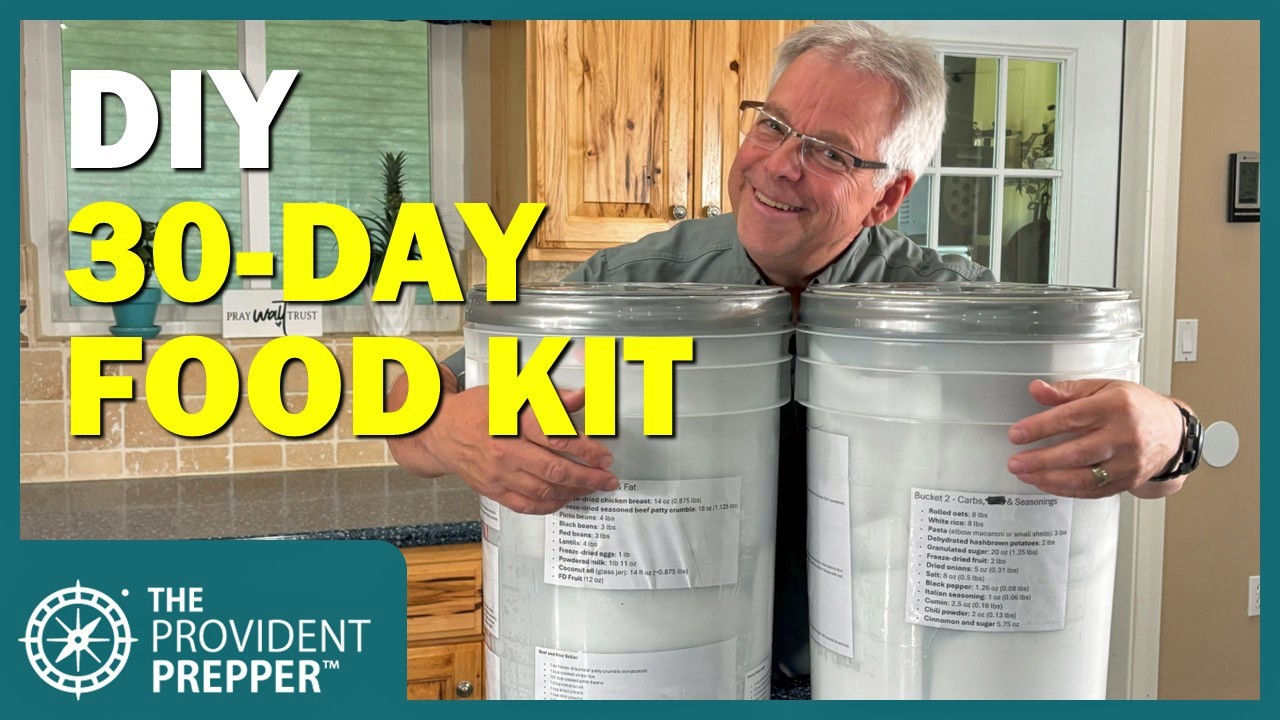
Start with foods that have a long shelf life. Items like rice, dried beans, and pasta can last for years when stored properly. These staples provide a solid base for your meals and are easy to store.
Canned goods such as vegetables, fruits, and meats are also reliable. They offer convenience and variety without spoiling quickly. Don’t forget about powdered milk and freeze-dried meals—they’re lightweight and last long.
Nutrient-dense Options
Think beyond just calories. Your body needs vitamins, minerals, and protein to function well under stress. Nuts, seeds, and dried fruits pack a lot of nutrients in small packages.
Include protein-rich foods like canned tuna, jerky, or protein bars. Consider adding multivitamin supplements to cover any nutritional gaps. Would you feel confident relying only on basic carbs for energy?
Consideration For Special Diets
Your survival kit should reflect your dietary needs. If you’re gluten-free, avoid wheat-based products and look for certified gluten-free options. Vegetarians and vegans need plant-based proteins like lentils, chickpeas, and textured vegetable protein.
Allergies require careful label reading to prevent dangerous reactions. Customizing your kit means you can maintain your health and comfort even in tough situations. What foods are essential for your unique diet?

Credit: 4patriots.com
Packaging And Storage
Proper packaging and storage keep survival food fresh and safe. It prevents spoilage and contamination. Well-stored food lasts longer and remains nutritious. Careful packaging saves space and makes carrying easier. Understanding packaging and storage helps build a reliable survival food kit.
Sealing For Freshness
Sealing food tightly stops air and moisture from entering. Use vacuum seal bags or airtight containers. Remove as much air as possible before sealing. Good seals keep food dry and stop bugs. Label packages with contents and packing dates for easy tracking.
Compact And Lightweight Containers
Choose containers that are small and light to carry. Use stackable boxes or pouches to save space. Consider reusable containers to reduce waste. Lightweight packaging makes your kit easier to transport. Clear containers help quickly identify food inside.
Temperature And Moisture Control
Store food in cool, dry places away from sunlight. Avoid areas with high humidity to prevent mold growth. Use moisture absorbers like silica gel packets inside containers. Keep food off the ground to avoid pests and dampness. Regularly check food for signs of spoilage or moisture damage.
Water And Hydration
Water is the most important element in any survival food kit. Staying hydrated keeps the body strong and alert. Without clean water, survival becomes very difficult. Proper water storage and purification are essential for safety. Including hydrating foods can also help maintain hydration levels.
Water Storage Solutions
Choose containers made from food-grade plastic or stainless steel. Use bottles with tight lids to prevent leaks and contamination. Store water in cool, dark places to avoid bacteria growth. Consider collapsible water bags for easy transport and space-saving. Label containers with the storage date to track freshness.
Purification Methods
Boiling water kills most harmful germs and bacteria. Use water purification tablets for quick and easy treatment. Portable water filters remove dirt and many pathogens. UV light purifiers destroy bacteria and viruses using ultraviolet rays. Always have multiple purification options in your kit.
Hydrating Foods
Some foods contain high water content to support hydration. Examples include cucumbers, oranges, watermelon, and celery. Freeze-dried fruits retain moisture and nutrients for survival kits. Soups and broths provide both fluids and essential nutrients. Pack snacks that can help keep hydration balanced during emergencies.
Tools And Accessories
Having the right tools and accessories can make survival food preparation easier and safer. These items help you cook, eat, and store food effectively. Choosing compact and multi-use tools saves space and weight in your kit.
Focus on lightweight, durable gear. Each tool should serve a clear purpose. This section breaks down the key items to include.
Essential Utensils
- Sturdy spoon and fork for eating
- Sharp, compact knife for cutting and food prep
- Small cutting board or flat surface
- Reusable food containers or zip-lock bags for storage
- Can opener if your kit has canned foods
Cooking Equipment
- Portable camping stove or small burner
- Lightweight pot or pan for boiling and cooking
- Heat-resistant gloves or pot holders
- Water purification tablets or filter
- Fuel canisters compatible with your stove
Emergency Supplements
- Multivitamins to maintain nutrition
- Electrolyte powders to prevent dehydration
- High-energy bars or gels for quick fuel
- Vitamin C tablets to support immunity
- Salt tablets to replace minerals lost
Rotation And Maintenance
Keeping a survival food kit ready requires regular care. Rotation and maintenance ensure food stays fresh and usable. Without these steps, supplies can spoil or become useless in emergencies.
Checking Expiration Dates
Look at expiration dates on every item in the kit. Mark the dates on a calendar or list for easy tracking. Use foods that are close to expiring first. This prevents waste and keeps the kit stocked with safe food.
Replacing Used Items
After using any food or supplies, replace them immediately. Never leave gaps in your kit. Keep a checklist to note what was used and what needs replacing. This habit keeps the kit ready for the next emergency.
Regular Kit Inspection
Inspect the entire kit at least twice a year. Check for damage, pests, or moisture inside containers. Ensure all packaging is sealed and intact. Clean the storage area to avoid contamination. A well-maintained kit lasts longer and works better when needed.
Customization Tips
Customizing your survival food kit ensures it fits your unique needs and situation perfectly. It’s not just about packing food; it’s about making smart choices that keep you nourished and comfortable. Think about where you’ll be, who you’re with, and what works best for your body.
Adapting To Climate
Different climates demand different foods. In cold environments, you need high-calorie, warming meals like nuts, chocolate, and instant soups. Hot climates require lighter, hydrating foods such as dried fruits and electrolyte powders.
Consider how temperature affects food storage and shelf life. For example, fats can spoil quickly in heat, so choose options that stay stable. Have you checked if your food will last in your area’s weather conditions?
Catering To Group Size
The number of people you’re feeding changes your entire kit. Solo survival kits can be compact and focused on individual needs. But if you’re preparing for a family or group, plan meals that scale up without wasting food.
Use portioned packets or bulk items that split easily. A mix of group-friendly staples and personal snacks works well. How will you balance shared meals with individual preferences?
Personal Preferences And Allergies
Your survival kit isn’t one-size-fits-all. If you have allergies or dietary restrictions, avoid foods that could cause reactions. Include alternatives like gluten-free grains, nut-free snacks, or vegan protein sources.
Don’t forget taste and comfort. Eating food you enjoy can boost morale during tough times. Have you tested your kit to make sure you actually want to eat what’s inside?

Credit: backpackerspantry.com
Frequently Asked Questions
What Should A Survival Food Kit Include?
A survival food kit should include non-perishable items like canned goods, dried fruits, nuts, and grains. It’s essential to have a variety of nutrients. Don’t forget water, a can opener, and utensils. Personalize your kit to suit dietary needs. Rotate items regularly to ensure freshness.
How Long Can A Survival Food Kit Last?
A well-prepared survival food kit can last up to five years. The longevity depends on the storage conditions. Store your kit in a cool, dry place. Regularly check expiration dates and replace expired items. Proper storage can extend the shelf life of your supplies.
How To Store A Survival Food Kit Safely?
Store your survival food kit in a cool, dry place away from sunlight. Use airtight containers to prevent moisture and pests. Label items with expiration dates for easy tracking. Rotate supplies regularly to ensure freshness. Proper storage ensures your kit remains effective when needed.
Can I Customize My Survival Food Kit?
Yes, you can customize your survival food kit to meet personal dietary needs. Consider allergies, preferences, and nutritional requirements. Include a balance of proteins, carbs, and fats. Tailor your kit for family members and pets. Personalization ensures everyone has the necessary sustenance during emergencies.
Conclusion
Building a survival food kit takes time and care. Choose foods that last long and give good energy. Pack enough for each person in your group. Store your kit in a cool, dry place. Check it regularly and replace old items.
Being ready helps you stay safe in emergencies. A simple kit can make a big difference. Start small, and add more supplies over time. Staying prepared means peace of mind for you and your family.