Imagine facing an emergency where medical help is hours or even days away. Would you have the tools you need to treat injuries and stay safe?
Building a basic survival medical kit is one of the smartest steps you can take to protect yourself and your loved ones. In this guide, you’ll discover exactly what to include in your kit, how to organize it, and why each item matters.
By the time you finish reading, you’ll be ready to create a kit that could make all the difference when it really counts. Keep reading—your safety depends on it.
Choosing The Right Container
Choosing the right container is key to building a basic survival medical kit. The container holds all supplies safely and keeps them organized. A good container protects your items from damage and makes your kit easy to carry. Picking the right size and material ensures your kit stays in good shape during emergencies.
Size And Portability
The container should be compact but spacious enough for essentials. It must fit easily in a backpack or glove compartment. A bulky container can slow you down and make carrying difficult. Consider containers that are lightweight and have handles or straps for easy transport.
- Choose a size that holds all necessary supplies without extra space.
- Look for containers that fit your usual carrying method.
- Small containers are better for everyday carry or short trips.
- Larger containers work well for home or vehicle kits.
Durability And Waterproofing
Durability is essential to protect your medical supplies from rough conditions. The container should resist impacts, drops, and pressure. Waterproof or water-resistant containers keep items dry during rain or spills. Moisture can ruin bandages, medications, and other sensitive items.
- Pick containers made from hard plastic or metal for durability.
- Check for seals or gaskets that provide waterproof protection.
- Containers with secure latches prevent accidental opening.
- Test the container’s toughness before finalizing your choice.

Credit: premierbodyarmor.com
Essential Medical Supplies
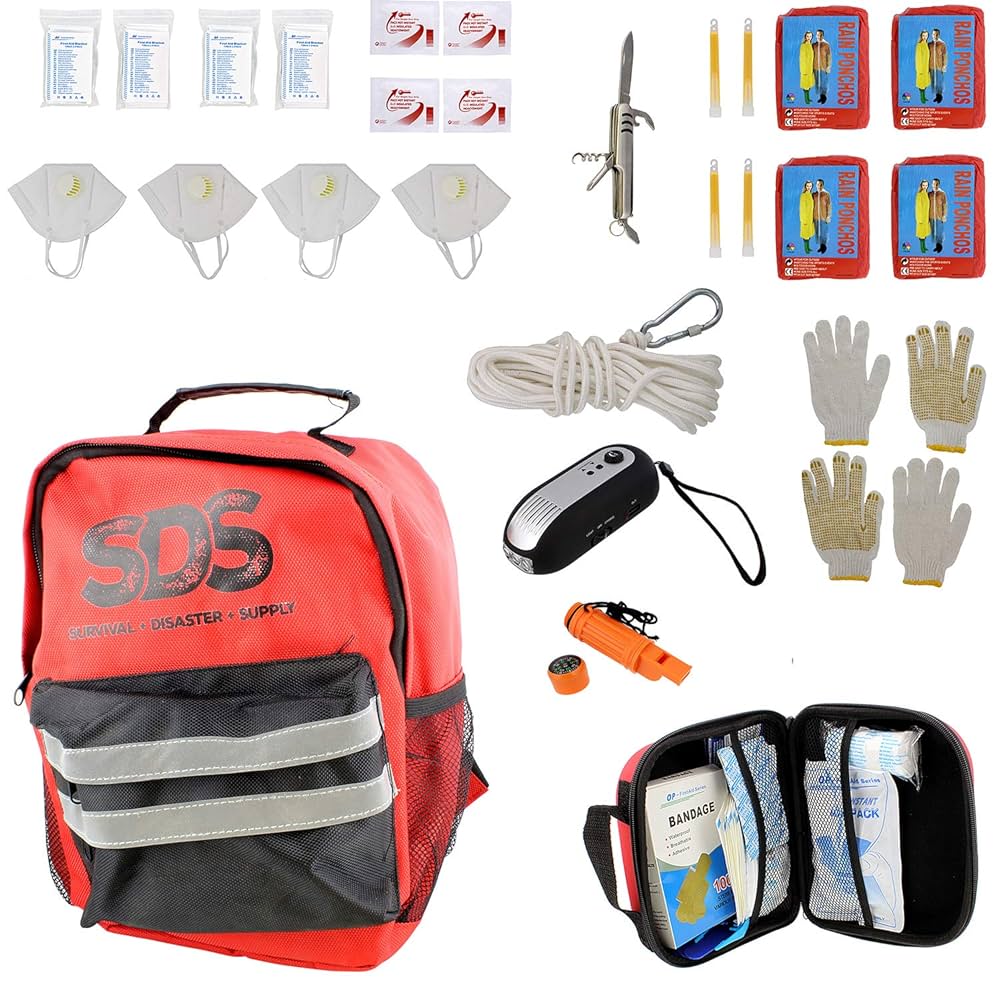
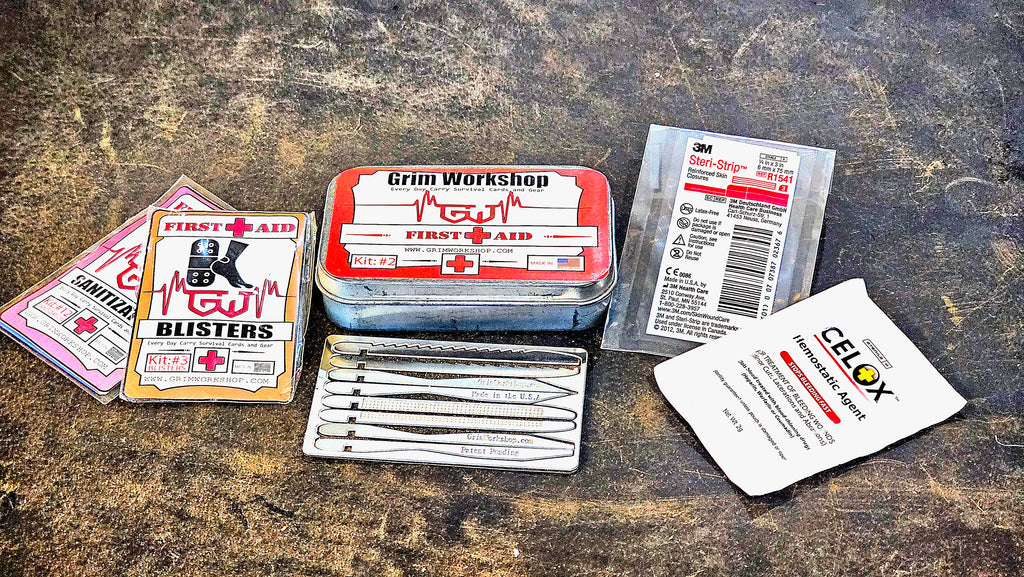
Essential medical supplies form the backbone of a basic survival medical kit. They help manage injuries and prevent infections. These supplies ensure quick response to common health issues during emergencies. Focus on items that cover wound care, medications, and tools. Prepare your kit to treat minor cuts, aches, and other urgent needs.
Wound Care Items
- Adhesive bandages in various sizes
- Sterile gauze pads for larger wounds
- Medical tape to secure dressings
- Antiseptic wipes to clean wounds
- Antibiotic ointment to prevent infection
- Elastic bandages for sprains or support
- Scissors to cut tape or clothing
Medications And Pain Relief
- Pain relievers like ibuprofen or acetaminophen
- Antihistamines for allergic reactions
- Anti-diarrheal medicine
- Oral rehydration salts to prevent dehydration
- Cold and flu tablets
- Any personal prescription medications
Tools And Instruments
- Thermometer to check body temperature
- Tweezers for removing splinters or debris
- Disposable gloves to protect against infection
- CPR face shield for safe resuscitation
- Safety pins to fasten bandages
- Small flashlight for visibility in the dark
Personalizing Your Kit
Personalizing your survival medical kit makes it truly effective for your unique needs. A one-size-fits-all kit can miss crucial items that you or your family might require in an emergency. Tailoring your kit ensures you’re prepared for situations specific to your health and lifestyle.
Consider Allergies And Medical Conditions
Start by listing any allergies you or your family members have. This could include allergies to medications, foods, or materials like latex. Including alternatives or special treatments, such as antihistamines for allergic reactions, can save precious time.
If someone has a medical condition like asthma, diabetes, or heart issues, your kit should reflect that. For example, include an inhaler for asthma or glucose tablets for hypoglycemia. Think about the worst-case scenarios related to these conditions and prepare accordingly.
Including Personal Medications
Never rely solely on general medical supplies. Your kit must have an adequate supply of any prescription medications you take daily. Keep these medications in a waterproof container and check expiration dates regularly.
Consider adding extras like pain relievers, anti-nausea tablets, or digestive aids that you frequently use. Ask yourself: would you be able to manage your health without these medications if you were stuck somewhere for days? If the answer is no, those items belong in your kit.
Organizing And Labeling
Organizing and labeling your survival medical kit can save precious time during an emergency. Chaos and confusion won’t help when you need to act fast. A well-ordered kit ensures you find exactly what you need without hesitation.
Categorizing Supplies
Start by grouping your supplies based on their use and urgency. Separate items like wound care, medications, tools, and personal hygiene. This way, you don’t waste time digging through unrelated items.
Use small, clear containers or zip-lock bags for each category. For example, put all bandages and gauze in one bag, antiseptics in another. This makes it easier to replenish specific categories when you run low.
Think about what you might need first in an emergency. Would you grab pain relievers or a splint before tweezers? Arrange the categories accordingly so the most critical items are on top or front.
Clear Labeling For Quick Access
Labels are your best friend in a stressful situation. Use bold, large fonts and waterproof markers to write clear names on every container. Avoid vague terms like “Misc” or “Stuff” that slow you down.
Color coding can speed up identification. For instance, use red labels for emergency meds and green for wound supplies. This visual cue helps you locate items even without reading the label.
Don’t forget to include expiration dates on labels for medicines and creams. Nothing is worse than reaching for a painkiller only to find it expired. Keeping your kit updated is as important as organizing it.
Maintenance And Restocking
Maintaining and restocking a basic survival medical kit keeps it ready for emergencies. Regular attention ensures all items work well and last long. Neglecting this can leave you unprepared when help is needed most.
Regular Checks
Inspect the kit at least every three months. Look for torn bandages, broken tools, or damaged packaging. Clean the container to prevent dust and moisture buildup. Confirm the kit is complete by matching items with your checklist.
Replacing Expired Items
Medications and ointments lose effectiveness after expiry. Remove expired products promptly and replace them with new ones. Check expiration dates on all consumables like antiseptics, pain relievers, and allergy pills. Keep track of expiry dates using a simple table or calendar reminder.

Credit: m.youtube.com
Basic First Aid Skills
Mastering basic first aid skills is essential for anyone assembling a survival medical kit. Knowing how to respond quickly and confidently can make a huge difference in emergencies. These skills empower you to provide immediate care and potentially save lives while waiting for professional help.
Bandaging Techniques
Bandaging isn’t just about wrapping a wound. Proper technique controls bleeding, protects injuries, and prevents infection. You should know how to apply different types of bandages, such as:
- Gauze pads:Placed directly on wounds to absorb blood.
- Roller bandages:Used to secure gauze or cover larger areas.
- Triangular bandages:Great for slings or immobilizing limbs.
Practice wrapping a sprained wrist or a cut finger to build confidence. Would you recognize if a bandage was too tight or too loose?
Cpr Basics
Cardiopulmonary resuscitation (CPR) is a lifesaving technique that keeps blood flowing when the heart stops. Knowing the steps can be critical in survival situations. Key points include:
- Check responsiveness and call for emergency help immediately.
- Perform chest compressions at a steady pace, about 100 to 120 compressions per minute.
- If trained, provide rescue breaths after every 30 compressions.
Have you ever tried CPR on a dummy or in training? Hands-on practice helps you stay calm and effective when it really counts.
Recognizing Emergencies
Identifying an emergency quickly is as important as knowing how to respond. Not every situation is obvious, and subtle signs can indicate serious trouble. Look for:
- Unresponsiveness or difficulty breathing.
- Severe bleeding or obvious fractures.
- Sudden chest pain or signs of stroke, like weakness on one side.
Understanding these signs lets you act promptly. Would you feel prepared to spot these symptoms in a stressful moment?
Additional Survival Tips
Building a survival medical kit is just one part of staying safe during emergencies. Knowing how to stay calm and use natural remedies correctly adds real value. These tips help you handle tough situations better and protect your health more effectively.
Staying Calm In Emergencies
Stress makes it harder to think clearly. Take deep breaths to slow your heart rate. Focus on one task at a time. Clear thinking helps you use your medical kit properly. Prepare yourself mentally before an emergency happens. Practice simple calming exercises daily. This builds confidence and reduces panic.
Using Natural Remedies Safely
Natural remedies can help, but use them with care. Know which plants are safe and which are not. Avoid unknown herbs that might cause allergies or harm. Clean wounds before applying any natural substance. Use natural remedies only for minor issues. For serious injuries, rely on your medical kit first. Learn from trusted sources or experts before trying new remedies.

Credit: www.youtube.com
Frequently Asked Questions
What Should A Basic Survival Medical Kit Include?
A basic survival medical kit should include adhesive bandages, antiseptic wipes, gauze pads, medical tape, tweezers, and a small pair of scissors. Additionally, include pain relievers, antihistamines, and a first-aid manual. These items cover basic injuries and common health issues in survival situations.
How Often Should I Update My Medical Kit?
You should update your medical kit every six months. Check expiration dates and replace expired items. Regular updates ensure all supplies are effective. Also, tailor your kit to your specific needs and any seasonal changes. This practice keeps your kit ready for emergencies.
Can I Personalize My Survival Medical Kit?
Yes, personalizing your medical kit is recommended. Consider your health needs, such as allergies or chronic conditions. Add necessary medications and items specific to your health. A personalized kit ensures you have the right supplies when needed. This preparation can make a significant difference in emergencies.
How Do I Store A Survival Medical Kit?
Store your survival medical kit in a cool, dry place. Ensure it is easily accessible in emergencies. Use a waterproof, durable container to protect supplies. Regularly check for damages or leaks. Proper storage maintains the effectiveness of your medical supplies and ensures they are ready when needed.
Conclusion
Building a basic survival medical kit takes time and care. Choose items that help treat common injuries and illnesses. Keep your kit simple but complete. Check it often to replace used or expired items. Store it where you can reach it quickly.
Being ready helps you stay safe in emergencies. A good kit gives peace of mind. Start small, then add what you need. Everyone can handle basic first aid with the right tools. Stay prepared and protect yourself and others.