When you rely on a survival knife, every detail matters—especially the bevel angle. You might wonder, what degree angle should a survival knife bevel be to give you the best balance of sharpness and strength?
Choosing the right angle can mean the difference between a knife that cuts effortlessly and one that struggles or breaks when you need it most. You’ll discover the ideal bevel angle for your survival knife and learn how it affects performance.
By the end, you’ll know exactly what to look for to make your knife a true lifesaver. Keep reading to sharpen your knowledge and boost your survival skills.
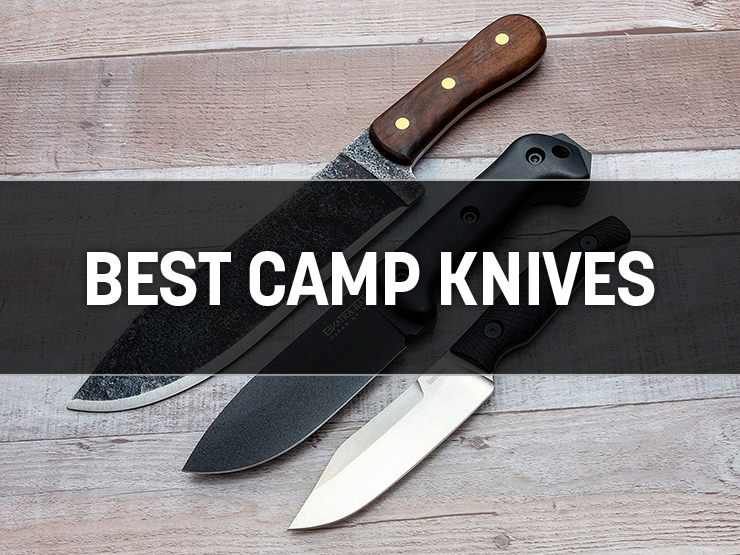
Credit: www.knifecenter.com
Bevel Angle Basics
The bevel angle of a survival knife is key to its cutting ability. It affects how sharp and durable the blade edge will be. Understanding bevel angle basics helps you pick the right knife for your needs. This knowledge also guides you in maintaining the knife’s performance over time.
What Is A Bevel Angle
The bevel angle is the angle formed between the blade edge and the flat surface of the blade. It defines how the blade tapers to its cutting edge. Survival knives usually have bevel angles between 15 and 30 degrees. A smaller angle means a sharper edge, while a larger angle offers more strength and durability.
Impact On Knife Performance
The bevel angle directly influences the knife’s cutting power and edge life. A narrow bevel angle creates a very sharp edge that slices easily. This is perfect for fine tasks like skinning or carving. A wider bevel angle makes the edge tougher. It resists chipping and holds up better under heavy use, such as chopping wood or batoning.
Choosing the right bevel angle depends on the knife’s purpose. A balance between sharpness and durability is essential for survival situations. The bevel angle also affects how easy it is to sharpen the blade in the field. A well-chosen bevel angle ensures your survival knife performs reliably in various tasks.
Common Bevel Angles For Survival Knives
Choosing the right bevel angle for your survival knife is more than just a technical detail; it directly affects how well your knife performs in tough conditions. Different bevel angles provide various balances between sharpness, durability, and ease of sharpening. Understanding the common angles used in survival knives will help you pick the blade that best fits your outdoor needs.
Standard Angles Explained
Most survival knives feature bevel angles ranging from 20 to 30 degrees per side. A 20-degree angle offers a sharper, more precise edge, ideal for fine cutting tasks like skinning or slicing. However, this sharper edge can dull faster and might chip if used for heavy-duty work.
Angles closer to 30 degrees provide a tougher, more durable edge, perfect for chopping wood, batoning, or prying. This thickness sacrifices some sharpness but gains strength, which is crucial in survival scenarios where your knife must endure stress.
Think about your typical outdoor activities: do you need razor-sharp precision or rugged reliability? This question guides your choice of bevel angle.
Choosing Between Single And Double Bevels
Single bevel knives have one flat side and one angled side, offering extremely sharp edges and easier sharpening. These are common in specialized knives but less so in survival blades, as the flat side can make tasks like chopping more difficult.
Double bevel knives have symmetrical angles on both sides, providing a balanced edge that is versatile for a variety of tasks. They tend to be more durable and easier to sharpen in the field, which is a big advantage when you’re away from modern tools.
Consider how much maintenance you can realistically do outdoors. Can you regularly sharpen your knife, or do you need a blade that holds its edge longer with minimal care? Your answer influences whether a single or double bevel suits you better.
Factors Influencing Bevel Angle Choice
Choosing the right bevel angle for a survival knife is crucial. The angle affects cutting efficiency and durability. Several factors influence this decision. Understanding these factors helps select the best angle for your needs.
Intended Use And Tasks
Consider the tasks your knife will handle. A steep angle suits heavy-duty tasks like chopping. It offers strength but less sharpness. A shallow angle is ideal for precise cutting tasks. It provides a sharp edge but may be less durable.
Blade Material And Hardness
The blade material impacts angle choice. Harder steels maintain a sharp edge longer. They allow for a steeper angle. Softer steels require a more obtuse angle. This compensates for their reduced edge retention.
Durability Vs. Sharpness Balance
Balance between durability and sharpness is key. A sharper angle means a finer edge, great for slicing. But it can dull quickly. A wider angle increases durability. It’s more resistant to chipping and wear. Finding the right balance depends on your knife’s primary function.
Expert Recommendations
Choosing the right bevel angle for your survival knife can make a huge difference in how well it performs in the wild. Experts often agree that the angle impacts the blade’s sharpness, durability, and ease of maintenance. Knowing their recommendations helps you pick or sharpen your knife to match your survival needs perfectly.
Ideal Angles For General Survival
Most survival knife experts suggest a bevel angle between 20 to 25 degreesper side. This range strikes a balance between sharpness and strength, allowing your knife to handle tasks like cutting rope, preparing food, and light woodwork without chipping easily.
A 20-degree angle gives you a sharper edge, great for precision tasks but requires more frequent sharpening. The 25-degree angle offers better edge retention, so it stays functional longer under rough use. Have you ever struggled with a blade that dulls too quickly or chips easily? This is why sticking within this range can save you from that hassle.
Adjustments For Specific Conditions
Your environment and expected tasks influence how you should adjust the bevel angle. For example, if you’re trekking through dense forest or doing heavy batoning, a wider bevel angle around 25 to 30 degreesper side adds extra durability.
On the other hand, if your survival adventure focuses on delicate tasks like skinning or carving, aim for a narrower angle, closer to 15 to 20 degrees. But remember, this sharper edge needs more care to avoid damage.
Think about your typical outdoor activities. Are you chopping thick branches or preparing small game? Adjusting your knife’s bevel angle based on these factors ensures your tool matches your survival strategy perfectly.
How To Measure And Sharpen Bevel Angles
Measuring and sharpening the bevel angle on a survival knife is key for its performance. The bevel angle affects how sharp the blade is and how well it holds its edge. Knowing how to measure and maintain the bevel angle helps keep your knife ready for tough tasks.
Sharp blades cut better and safer. The process involves the right tools and careful technique. It is simple with a clear guide and some practice.
Tools Needed
- Bevel angle gauge or digital angle finder
- Sharpening stones (coarse and fine grit)
- Honing rod or leather strop
- Marker pen
- Clamp or sharpening guide (optional)
- Water or oil (depending on stone type)
Step-by-step Sharpening Guide
- Mark the bevel edge with a marker pen to see wear.
- Use the angle gauge to measure the current bevel angle.
- Choose the correct sharpening stone based on blade dullness.
- Hold the knife at the measured angle against the stone.
- Move the blade evenly across the stone in a sweeping motion.
- Check the edge often to avoid over-sharpening.
- Switch to a finer grit stone to polish the edge.
- Use a honing rod or leather strop to refine the blade.
- Re-measure the bevel angle to ensure it stays consistent.
- Repeat if necessary until sharpness and angle are correct.

Credit: coltellimania.com
Common Mistakes To Avoid
Choosing the right bevel angle for your survival knife is more than a technical detail; it’s about making sure your knife performs exactly how you expect it to in tough situations. Many knife users fall into common traps that can reduce the effectiveness of their blade. Avoiding these mistakes can make a huge difference in how well your knife cuts, holds up, and serves you in the wild.
Overly Narrow Or Wide Angles
Picking a bevel angle that’s too narrow might seem like a good idea for sharper cutting, but it often leads to a blade that dulls quickly or chips easily. Conversely, a bevel angle that’s too wide can make your knife tough to use for precise cuts, requiring more effort and reducing control. You want to find a balance that matches the tasks you’ll be doing most often with your knife.
Think about how often you’ll be doing heavy chopping versus fine slicing. A 20-degree angle per side is common for a good all-around survival knife, but if you expect to be doing a lot of batoning or chopping wood, going a bit wider can extend the blade’s life. On the other hand, if your main goal is skinning or detailed work, a narrower angle might suit you better.
Ignoring Knife Purpose
Your knife’s bevel angle should align with what you really need it for, not what looks good on paper or what others recommend blindly. A survival knife used mainly for food prep needs a different bevel than one used primarily for building shelters or cutting rope. Ignoring this can leave you frustrated with poor performance.
Ask yourself: What’s my primary use for this knife? Will I use it mostly for heavy tasks or precision work? Adjusting the bevel angle based on your answers means your knife will be a reliable tool, not a frustrating one. You don’t want to sharpen your blade daily because the angle is wrong for your tasks.
Maintaining Your Survival Knife
Maintaining your survival knife is essential to keep it reliable and effective when you need it most. A well-maintained bevel ensures clean cuts and prolongs the life of your blade. Neglecting this can lead to a dull edge, making tasks harder and even risking injury.
Regular Inspection Tips
Check your knife’s edge frequently for any chips, nicks, or dull spots. Run your thumb lightly along the bevel—not across the edge—to feel for roughness without risking a cut.
Look for any rust or discoloration along the blade, especially near the bevel, as this can weaken the steel. Also, inspect the handle and sheath for damage that could affect grip or safety.
Keep a small notebook or app log to track your knife’s condition. You’ll notice patterns in wear and understand when it’s time to sharpen or regrind.
When To Regrind The Bevel
Regrinding the bevel is necessary if the edge is severely damaged or the angle has changed due to repeated sharpening. If your knife no longer holds an edge after several sharpenings, the bevel angle might be too steep or uneven.
Ask yourself: Does the knife struggle to slice through basic materials like rope or wood? If yes, it’s a clear sign your bevel angle needs adjustment. A consistent bevel angle between 20 to 25 degrees per side is ideal for survival knives, balancing sharpness and durability.
Remember, regrinding removes more metal than simple sharpening, so only do it when the edge is badly worn or damaged. Using a good-quality sharpening stone or professional service can help restore the correct bevel angle and extend the life of your knife.
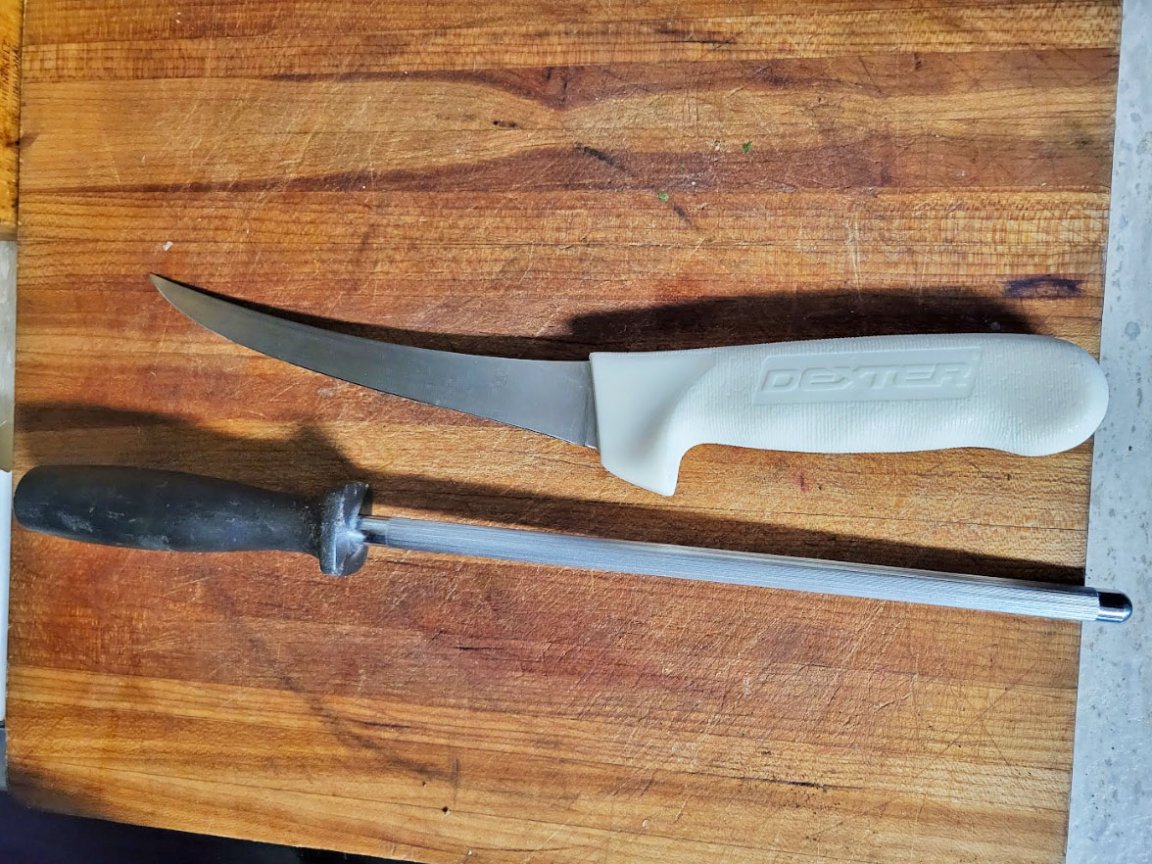
Credit: www.outdoorlife.com
Frequently Asked Questions
What Is The Ideal Bevel Angle For Survival Knives?
The ideal bevel angle for survival knives ranges between 20 to 25 degrees. This angle balances sharpness and durability, making it suitable for various tasks like cutting, carving, and slicing in outdoor environments.
How Does Bevel Angle Affect Knife Performance?
Bevel angle directly impacts sharpness and edge retention. A smaller angle offers sharper edges but less durability. A wider angle increases strength but reduces sharpness. Choosing the right bevel angle depends on the knife’s intended use and required toughness.
Why Choose A 20-25 Degree Bevel For Survival Knives?
A 20-25 degree bevel provides a strong, sharp edge that handles tough outdoor tasks. It offers a good compromise between cutting efficiency and edge durability, essential for survival situations where versatility and reliability matter most.
Can Bevel Angle Improve A Knife’s Cutting Ability?
Yes, bevel angle significantly influences cutting ability. A properly ground bevel allows smoother cuts and better control. Survival knives with optimized bevel angles can cut through wood, rope, and other materials efficiently, enhancing overall functionality.
Conclusion
Choosing the right bevel angle affects your survival knife’s performance. A sharper angle cuts better but may dull fast. A wider angle lasts longer but cuts less well. Most survival knives use a bevel between 20 and 25 degrees. This balance helps with both strength and sharpness.
Think about your needs before picking an angle. The right choice makes your knife a reliable tool in the wild. Keep it sharp and ready for any challenge. Simple, practical, and effective—that’s the best approach.