Have you ever wondered if a boot knife can truly stand up as a survival knife? Choosing the right knife could make all the difference when you find yourself in a tough spot.
You want a tool that’s reliable, easy to carry, and ready for action. But does a boot knife check all those boxes? Keep reading to discover the surprising facts about boot knives and whether they deserve a place in your survival gear.
This might change how you think about your next knife purchase.
Boot Knife Basics
Understanding the basics of a boot knife can help you decide if it fits your survival needs. These small, easily concealed knives have unique traits that set them apart from other survival tools. Let’s break down what makes a boot knife special and how it compares to traditional survival knives.
Design And Features
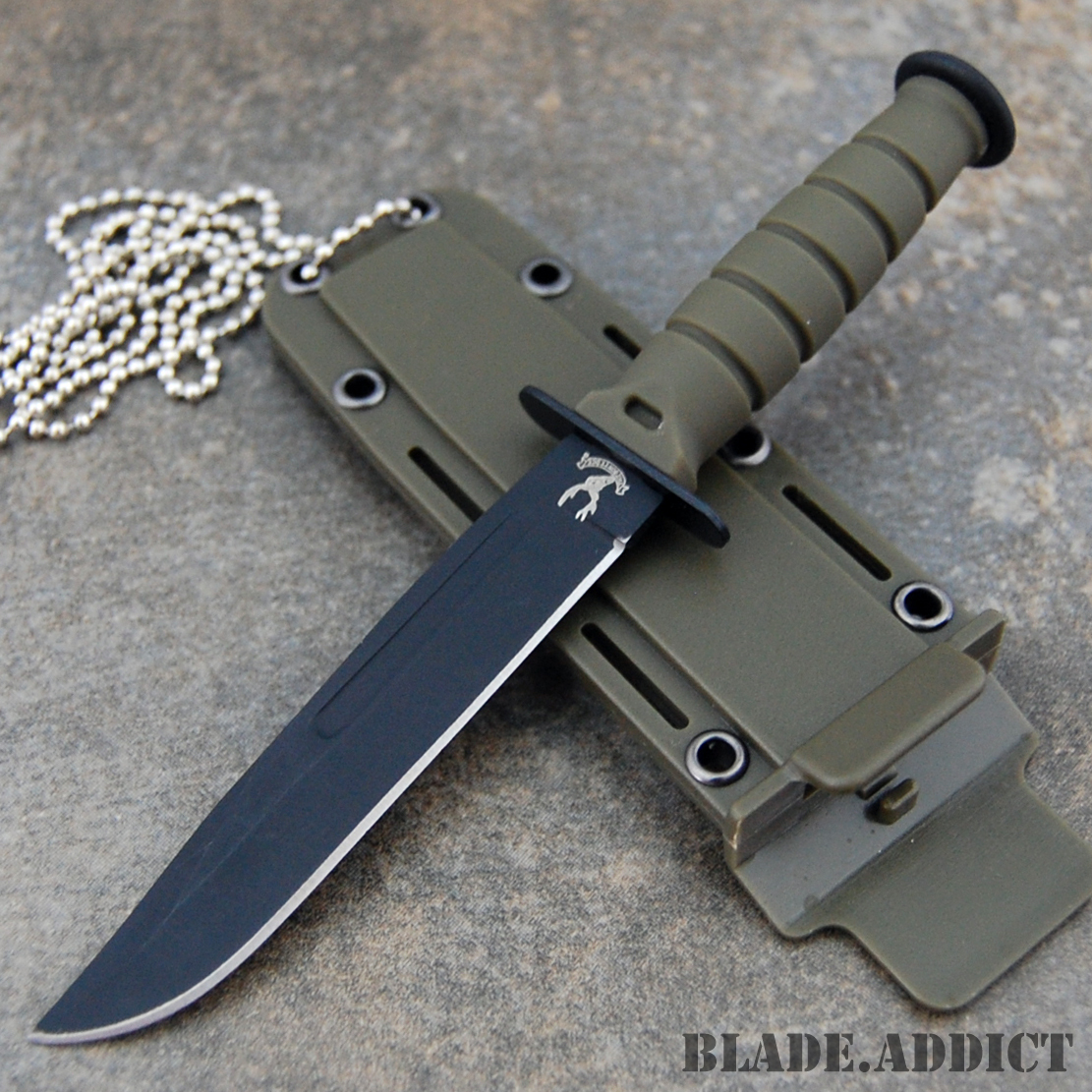
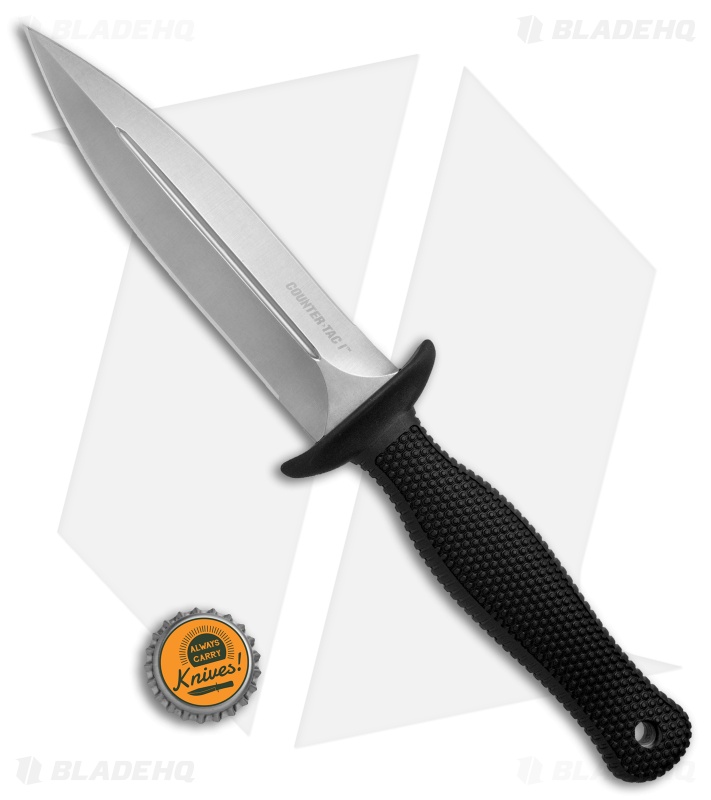
Boot knives are typically small, double-edged blades designed for quick access. They often come with a sheath that fits inside or on the boot, making them easy to carry discreetly. Their size usually ranges from 3 to 5 inches, which makes them less suited for heavy-duty tasks but excellent for self-defense or quick cutting jobs.
The handle is usually slim and ergonomic, allowing a firm grip despite the knife’s compact size. Some models feature a guard to prevent your hand from slipping onto the blade. Would you prefer a lightweight tool that’s easy to carry or a heavier one built for tough survival tasks?
Common Uses
Boot knives are primarily used for personal defense. Their concealability makes them a popular choice for those wanting a backup weapon. You’ll also find them handy for light cutting tasks such as opening packages, cutting cords, or preparing small game.
However, they are not ideal for chopping wood or heavy-duty survival work. If your focus is on survival in the wilderness, a larger fixed-blade knife might serve you better. Still, having a boot knife as part of your gear can provide versatility in unexpected situations.
Historical Background
The boot knife has roots in military and law enforcement history. Soldiers and officers carried them as last-resort weapons, often hiding them inside boots for quick access. This tradition has carried over to civilian use, especially among outdoor enthusiasts and collectors.
During World War II, these knives were issued to paratroopers who needed a compact yet effective tool. Knowing this, do you see the boot knife more as a tactical tool or a survival necessity? Understanding its past helps clarify its role in your gear today.
Survival Knife Essentials
A survival knife is more than just a blade; it’s a reliable companion when you face the unexpected outdoors. Knowing what essentials define a survival knife helps you choose the right tool for your adventures. Let’s break down what makes a survival knife stand out and how it compares to a boot knife.
Key Characteristics
A survival knife usually has a sturdy, fixed blade between 4 to 7 inches long. The blade is designed to handle tough tasks like cutting wood, preparing food, and even self-defense.
It often features a full tang construction, meaning the blade runs through the handle for extra strength. You’ll find a comfortable grip that stays secure even when wet or muddy. Does your knife feel solid in your hand, or does it wobble? That’s a quick test of quality.
Typical Applications
Survival knives are built to be versatile. You can use them for building shelters, skinning animals, or making fire starters. Some models include extra tools like a serrated edge or a built-in firestarter.
Unlike smaller knives, a survival knife handles heavy-duty jobs without breaking. Think about your last camping trip—did your knife perform well, or did it struggle with tougher tasks? This is where a survival knife truly shines.
Materials And Durability
The blade material greatly affects how long your knife lasts. Most survival knives use high-carbon stainless steel for a balance of sharpness and rust resistance.
Handles often combine rubber, wood, or synthetic materials designed to resist wear and provide grip. You want a knife that stays reliable no matter the weather or terrain. Have you ever had a blade that dulled too quickly or a handle that slipped? That experience can guide your next choice.
Comparing Boot Knives And Survival Knives
Boot knives are small and easy to carry, mainly for self-defense. Survival knives are larger and designed for outdoor tasks like cutting wood and preparing food. While boot knives can help in emergencies, they are not usually considered true survival knives.
In the world of knives, boot knives and survival knives have distinct roles. Each serves unique purposes and caters to different needs. Understanding their differences can help in choosing the right tool.Size And Portability
Boot knives are compact and lightweight. They fit snugly in a boot or on a belt. This makes them easy to carry without hindrance. Their small size allows quick access in emergencies. In contrast, survival knives tend to be larger and heavier. They are designed for robust tasks. This size difference impacts portability and ease of use.Blade Functionality
Boot knives often have a dual-edged blade. This design suits quick defensive actions. They are not meant for heavy-duty tasks. Survival knives, however, feature a thicker, single-edge blade. These blades handle chopping, cutting, and digging. They are built for versatile and rugged use.Versatility In The Wild
A boot knife serves well in close combat. It can also aid in basic cutting tasks. Yet, its utility in survival scenarios is limited. Survival knives excel in the wild. They are multi-functional tools for shelter building, food preparation, and protection. Their design supports various wilderness needs.Situations Where Boot Knives Excel
Boot knives have a unique place in the world of edged tools. Their design and size make them ideal for specific uses where other knives might fall short. Understanding these situations can help you decide if a boot knife fits your needs.
Self-defense Scenarios
Boot knives shine in self-defense because they are easy to conceal and quick to access. You can keep one hidden in your boot, ready to draw if you face an unexpected threat. This surprise factor can be crucial in a dangerous moment.
Unlike larger knives, boot knives don’t attract attention while you carry them. They offer a discreet way to protect yourself without making others uncomfortable. Have you ever thought about how fast you could reach for your knife if danger appeared suddenly?
Many people find comfort knowing they have a reliable tool in close reach, especially in urban environments where threats can happen quickly. The compact size still provides enough blade length for effective defense, striking a balance between power and concealment.
Everyday Carry Advantages
Boot knives also excel as everyday carry (EDC) tools. Their small size means they won’t weigh you down or take up much space. You can easily tuck one into your boot or pocket and forget it’s there until you need it.
In daily life, you might use a boot knife for simple tasks like opening packages, cutting cords, or preparing food outdoors. It’s a handy tool that’s always within reach, unlike larger survival knives that require a sheath or bag.
Think about the last time you needed a knife but didn’t have one nearby. A boot knife solves that problem by being unobtrusive and ready at a moment’s notice. This convenience makes it a smart choice for anyone who values preparedness without bulk.
Survival Knife Strengths In Outdoor Use
Understanding the strengths of a survival knife in outdoor use helps you decide if a boot knife can meet your needs. Survival knives are designed to handle tough tasks and emergencies in nature, making them reliable tools when you’re off the grid. Let’s examine how these knives perform in essential survival situations.
Bushcraft Tasks
Survival knives excel at bushcraft tasks like carving wood, making shelter, and preparing food. Their sturdy blades handle chopping branches and slicing rope without bending or breaking. If you’ve ever tried to whittle a stick or create feather sticks for fire-starting, you know a reliable knife makes all the difference.
A boot knife often has a thinner, lighter blade designed for quick access rather than heavy-duty work. Can it handle the same level of carving or batoning? Usually not, because survival knives have thicker, stronger blades meant to withstand pressure and repeated use.
Emergency Preparedness
In emergencies, a survival knife can be a lifesaver. Its robust design allows you to cut seat belts, break glass, and perform first aid tasks like cutting bandages. You want a tool that won’t fail when seconds count.
Boot knives are easy to carry and quick to draw, but their smaller size and lighter build may limit their effectiveness in emergency situations. If your goal is to have a dependable tool for crisis moments, a survival knife’s strength and durability offer a clear advantage.

Credit: www.knifemagazine.com
Legal Considerations
Legal considerations are crucial when owning or carrying a boot knife. Laws about knives vary widely. Understanding these rules helps avoid trouble. The law often treats boot knives differently from other knives. This section explains key legal points to know.
Carrying Restrictions
Many places restrict carrying boot knives in public. Some ban concealed knives altogether. Others allow open carry but limit blade length. Some laws specify where you cannot carry knives, like schools or government buildings. Penalties can include fines or jail time. Always check local rules before carrying a boot knife.
Regional Laws Impact
Each region sets its own knife laws. What is legal in one state may be illegal in another. Some areas require permits for carrying certain knives. Laws may focus on blade size, type, or how the knife is carried. Travelers should research laws in every area they visit. Ignorance of the law does not protect against penalties.
Choosing The Right Knife For Survival
Choosing the right knife for survival is more than just picking the sharpest blade. It’s about matching the tool to your specific needs and environment. The right knife can mean the difference between ease and struggle during tough situations.
Assessing Your Needs
Start by thinking about what you’ll use the knife for. Will you be building shelter, preparing food, or defending yourself? Each task might require different blade shapes or sizes.
Consider the climate and terrain where you’ll be using the knife. Wet, cold, or dry conditions can affect the materials you want. For example, a stainless steel blade resists rust better in humid environments.
Ask yourself: how often will you carry this knife? A heavy, bulky blade might be perfect for camp tasks but cumbersome for daily carry. Your lifestyle will guide your choice.
Budget And Quality Factors
Balance price with performance. A cheap knife may look good but might not hold an edge or withstand hard use. Investing a bit more often means better steel and craftsmanship.
Look for reputable brands with good reviews. Sometimes spending a little extra upfront saves money in the long run by avoiding replacements. It’s worth asking other survivalists about their trusted knives.
Remember, a survival knife is a tool, not a decoration. Focus on durability, comfort, and reliability rather than flashy features. Quality materials and solid construction matter more than the price tag alone.

Credit: www.nothingbutknives.com
Credit: www.bladehq.com
Frequently Asked Questions
Is A Boot Knife Suitable As A Survival Knife?
A boot knife is compact and easy to carry but lacks versatility. Survival knives need durability and multiple functions, which boot knives often lack.
What Features Distinguish Survival Knives From Boot Knives?
Survival knives are larger, robust, and multi-purpose. Boot knives are smaller, designed mainly for self-defense and concealment.
Can A Boot Knife Handle Survival Tasks Effectively?
Boot knives handle light tasks but struggle with heavy survival work. Survival knives perform better in chopping, cutting, and shelter building.
Why Do Survival Experts Prefer Fixed-blade Knives Over Boot Knives?
Fixed-blade survival knives offer strength, reliability, and versatility. Boot knives are less sturdy and suited for quick defense, not survival.
Conclusion
A boot knife can serve as a survival knife in some cases. It is small, easy to carry, and useful for basic tasks. Yet, it may lack the size and strength needed for tougher survival jobs. Survival knives often have bigger blades and stronger designs.
Choose a knife that fits your specific needs and environment. The right tool can make a big difference in a survival situation. Think about what you plan to do before picking your knife. Simple, practical, and reliable tools work best when survival matters most.