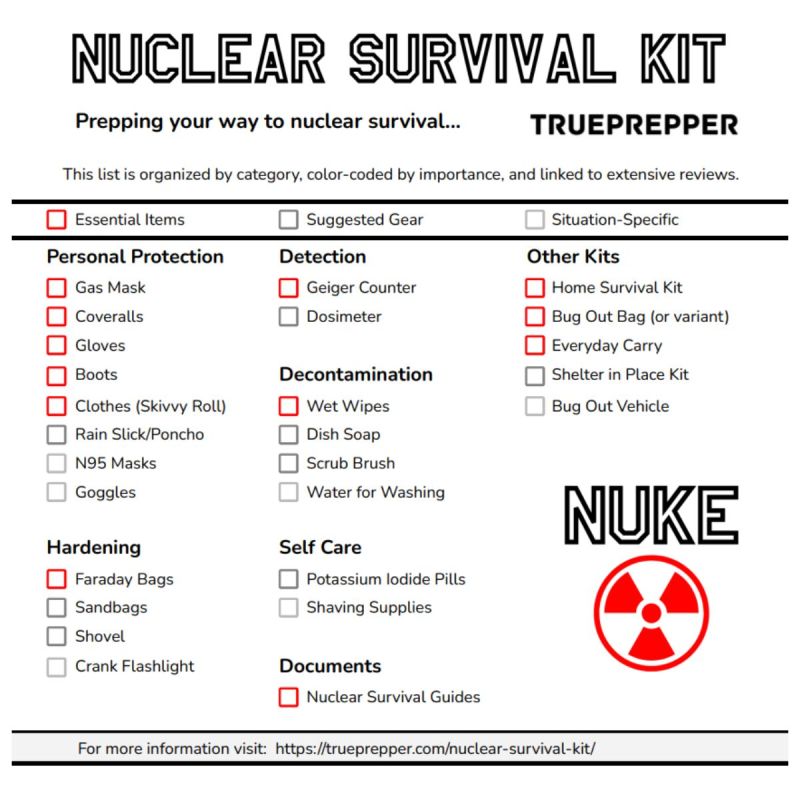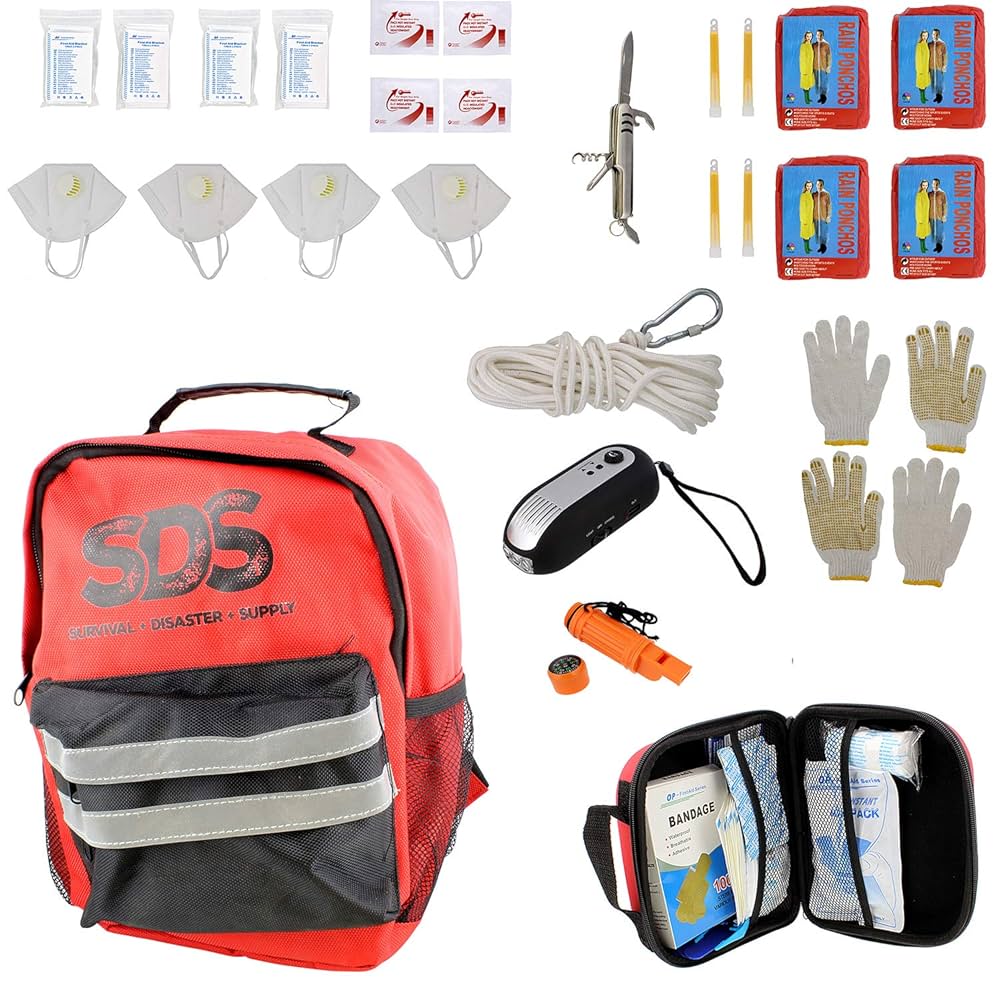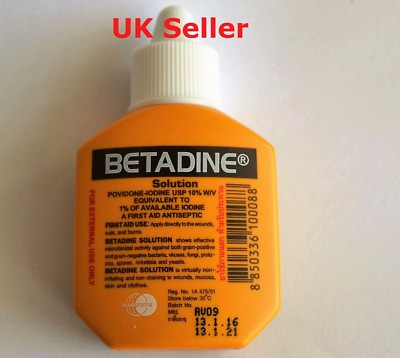
When you’re putting together a survival kit, every item you include must have a clear purpose. But have you ever wondered why Betadine is often a must-have in these kits?
Understanding the use of Betadine can make a big difference when you face cuts, scrapes, or infections far from help. This simple solution could protect you from serious infections and speed up healing, giving you confidence in tough situations. Keep reading to discover exactly how Betadine works and why it should be a key part of your survival gear.
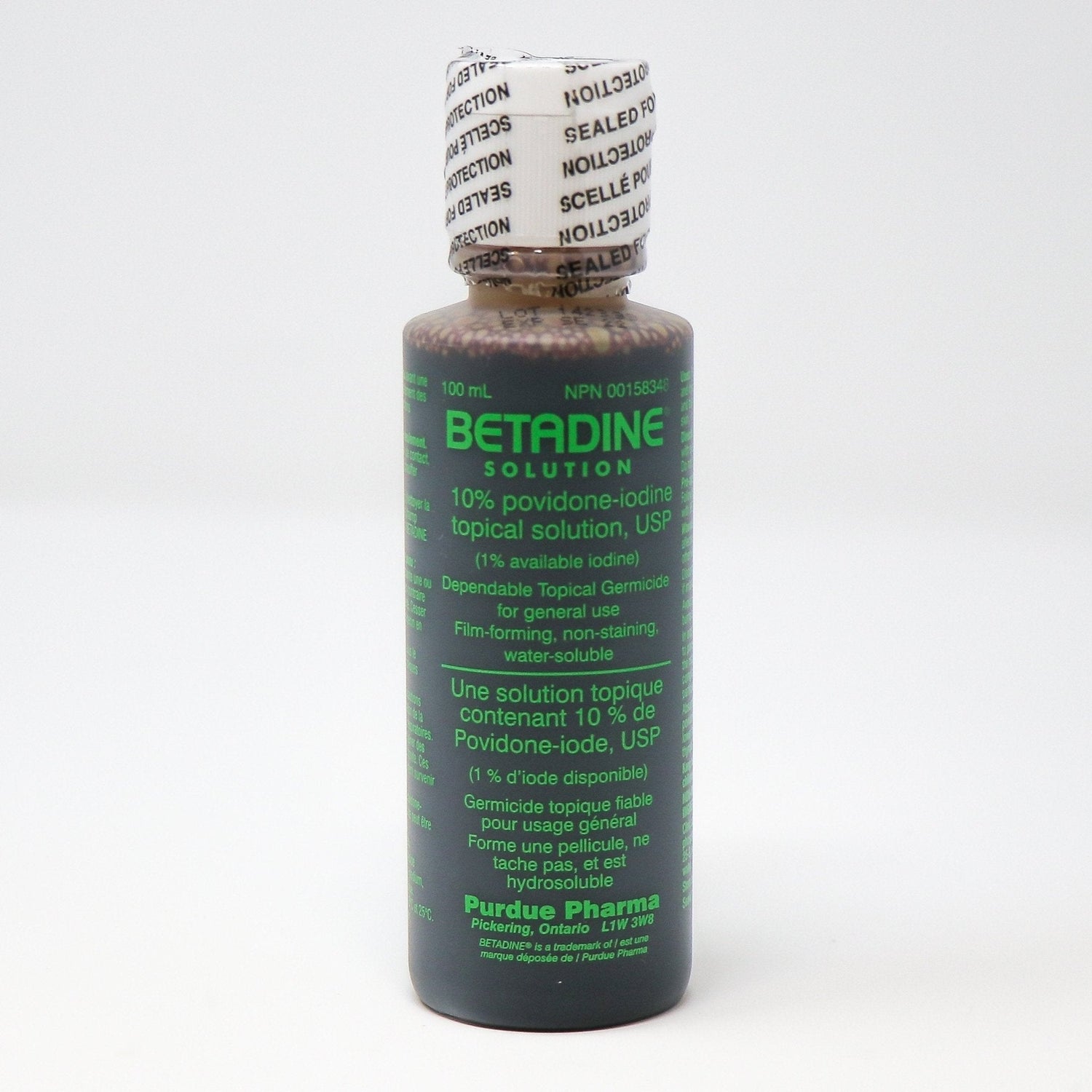
Credit: www.midwiferysupplies.ca
Role Of Betadine In First Aid
Betadine plays a vital role in first aid kits, especially in survival situations. It helps prevent infections by killing germs on wounds quickly. This antiseptic solution is easy to use and effective against a wide range of bacteria, viruses, and fungi.
Keeping Betadine in a survival kit ensures you can clean injuries promptly. This reduces the risk of infection, which is crucial when medical help is not nearby. Understanding its use helps you manage wounds safely and confidently.
Antiseptic Properties
Betadine contains povidone-iodine, a strong antiseptic agent. It works by releasing iodine, which destroys harmful microbes on the skin. This action stops infections from spreading and supports faster healing. Betadine is safe for most skin types and can be applied directly to wounds.
Its broad-spectrum effect targets bacteria, viruses, and fungi. This makes it useful for various injuries in survival settings. The antiseptic nature of Betadine helps maintain wound hygiene in tough conditions.
Types Of Wounds Treated
Betadine treats many wound types commonly found in survival scenarios. These include:
- Minor cuts and scrapes
- Abrasions from falls or rough surfaces
- Burns and blisters
- Infected wounds needing cleaning
It is not suitable for deep puncture wounds or large open injuries. For those, professional medical care is necessary. Betadine provides quick, reliable care for small to medium wounds to reduce infection risk and promote healing.

Credit: www.ebay.ca
Benefits Of Including Betadine In Survival Kits
Including Betadine in your survival kit offers clear benefits that go beyond simple wound care. It’s a reliable tool that can help you manage injuries safely, especially when professional medical help is far away. Understanding these benefits can help you prepare better for unexpected emergencies.
Prevention Of Infection
Betadine is known for its strong antiseptic properties, which kill a wide range of bacteria and viruses. Using it on cuts, scrapes, or burns significantly lowers the risk of infection, which is crucial when you’re in the wild or away from clean medical facilities.
I once treated a deep cut during a hiking trip using Betadine from my kit. The wound healed quickly without any signs of infection, proving how important it is to have a trusted antiseptic on hand. Can you imagine the complications if you didn’t have anything to clean the wound?
Versatility In Emergency Situations
Betadine isn’t just for wounds. It can be used to disinfect tools, clean surfaces, or even treat minor skin infections. This versatility means it helps you handle multiple types of emergencies with a single item.
Think about a situation where you need to sterilize a needle or clean a small area before applying a bandage. Betadine makes these tasks easier and safer, giving you more options to manage your health in unpredictable conditions.
How To Use Betadine Safely
Using Betadine safely is crucial to ensure it effectively prevents infection without causing harm. Understanding the right way to apply it and knowing the precautions can make a big difference in your survival kit’s usefulness. Let’s look at how you can use Betadine properly while staying safe.
Proper Application Techniques
Start by washing your hands thoroughly before touching the wound or Betadine. This step reduces the risk of introducing new bacteria. Gently clean the wound with water or a sterile saline solution before applying Betadine.
Apply a thin layer of Betadine directly to the affected area using a clean cotton swab or gauze. Avoid using your fingers to prevent contamination. Let it dry naturally—do not wipe or rinse it off immediately.
Cover the wound with a sterile bandage if necessary, especially for deeper cuts or scrapes. Change the dressing regularly and reapply Betadine each time to keep the area protected. Have you ever noticed how skipping these small steps can lead to longer healing times?
Precautions And Side Effects
Betadine is generally safe but can cause allergic reactions in some people. Look out for redness, itching, or swelling around the application site. If any of these occur, stop using Betadine and seek medical advice.
Avoid using Betadine on large open wounds or deep puncture wounds without medical supervision. It can also irritate sensitive skin and mucous membranes like inside the mouth or eyes. Never use it internally unless directed by a healthcare professional.
Keep Betadine out of reach of children and store it in a cool, dry place. Be mindful that overuse may delay healing or cause skin discoloration. Does your survival kit include instructions on how to handle such situations?
Betadine Alternatives In Survival Kits
Betadine is a popular antiseptic used in survival kits. It helps clean wounds and prevent infections. Still, some situations call for other options. Knowing Betadine alternatives can keep your survival kit ready for any emergency. Different antiseptics work better for certain wounds or conditions. It is good to have a few choices in your kit.
Other Antiseptic Options
Several antiseptics serve as good Betadine substitutes. These include:
- Hydrogen Peroxide – effective for cleaning wounds by killing bacteria.
- Alcohol Wipes – easy to carry and useful for disinfecting skin.
- Chlorhexidine – strong antiseptic used in medical settings.
- Tea Tree Oil – natural option with antiseptic properties.
- Silver Sulfadiazine Cream – used for burns and skin infections.
Each option has unique strengths. Some are better for open wounds, others for minor cuts.
When To Choose Alternatives
Use Betadine alternatives if:
- You have allergies to iodine or Betadine ingredients.
- The wound is near the eyes or sensitive skin areas.
- You run out of Betadine during a long survival situation.
- Access to water for rinsing is limited, and other options are safer.
- You want a natural antiseptic without harsh chemicals.
Choosing the right antiseptic helps avoid irritation and speeds healing. Always carry a few different types in your survival kit.
Storage And Shelf Life Of Betadine
Proper storage of Betadine ensures it stays effective for wound care in emergencies. Knowing its shelf life helps prevent using expired antiseptic. Keeping Betadine in good condition is vital for survival kits.
Ideal Storage Conditions
Store Betadine in a cool, dry place away from direct sunlight. Keep it at room temperature, between 20°C and 25°C (68°F to 77°F). Avoid storing it in bathrooms or places with high humidity. Always keep the bottle tightly closed to prevent contamination.
Signs Of Expired Betadine
Expired Betadine may change color or texture. Look for:
- Darkening or fading of the solution
- Unusual odor
- Separation of liquid or solid particles
- Damaged or broken packaging
Using expired Betadine can reduce its ability to kill germs. Always check the expiration date before use.

Credit: www.amazon.com
Frequently Asked Questions
What Is Betadine’s Role In A Survival Kit?
Betadine is an antiseptic used to clean wounds and prevent infections. In a survival kit, it helps disinfect cuts, scrapes, and minor injuries. This reduces the risk of complications in emergency situations. It’s essential for maintaining hygiene and promoting faster healing in outdoor or isolated environments.
How Does Betadine Prevent Infections In Emergencies?
Betadine kills bacteria, fungi, and viruses on contact. It creates a protective barrier on the wound, reducing infection risks. This is vital in emergencies where medical facilities may not be immediately accessible. Its effectiveness ensures wounds remain clean, promoting quicker recovery and preventing further health issues.
Can Betadine Be Used On All Types Of Wounds?
Betadine is suitable for most minor cuts, scrapes, and burns. It’s not recommended for deep wounds or animal bites without medical advice. Always ensure the wound area is clean and apply Betadine carefully. Consult a healthcare professional if unsure about its use on specific injuries.
Why Include Betadine Over Other Antiseptics?
Betadine is preferred for its broad-spectrum antimicrobial properties. It’s effective against a wide range of pathogens. Its easy application and proven track record make it a reliable choice. In a survival situation, having a versatile antiseptic like Betadine can be crucial for health and safety.
Conclusion
Betadine plays a vital role in any survival kit. It helps clean wounds quickly and stops infection. Carrying Betadine ensures you can treat cuts and scrapes safely. It works fast and is easy to use in emergencies. Keeping Betadine in your kit means better chances of healing.
Small but powerful. A simple step to stay safe outdoors. Don’t forget to include it for peace of mind.