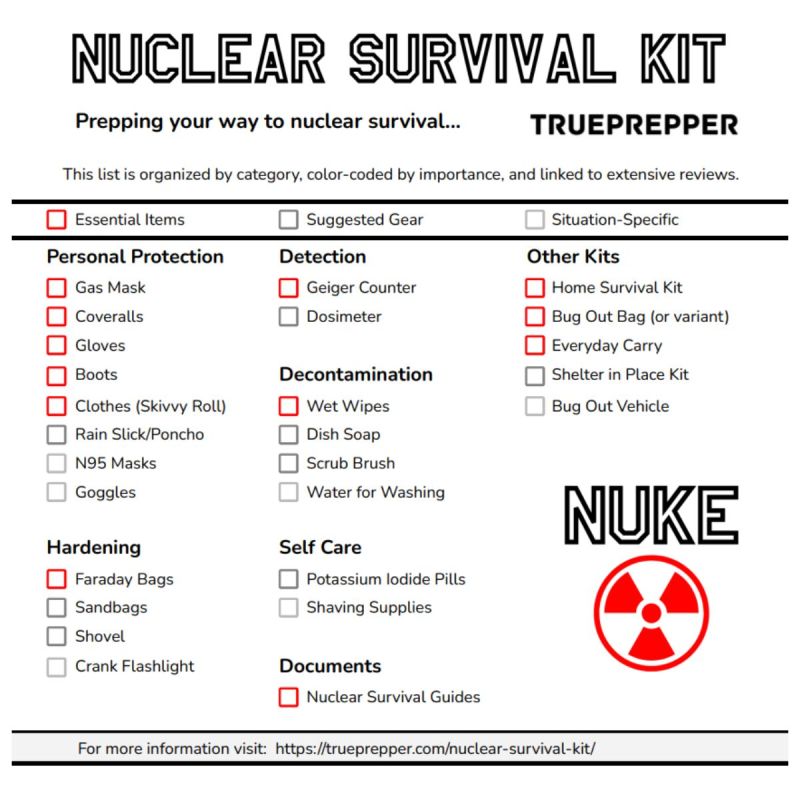
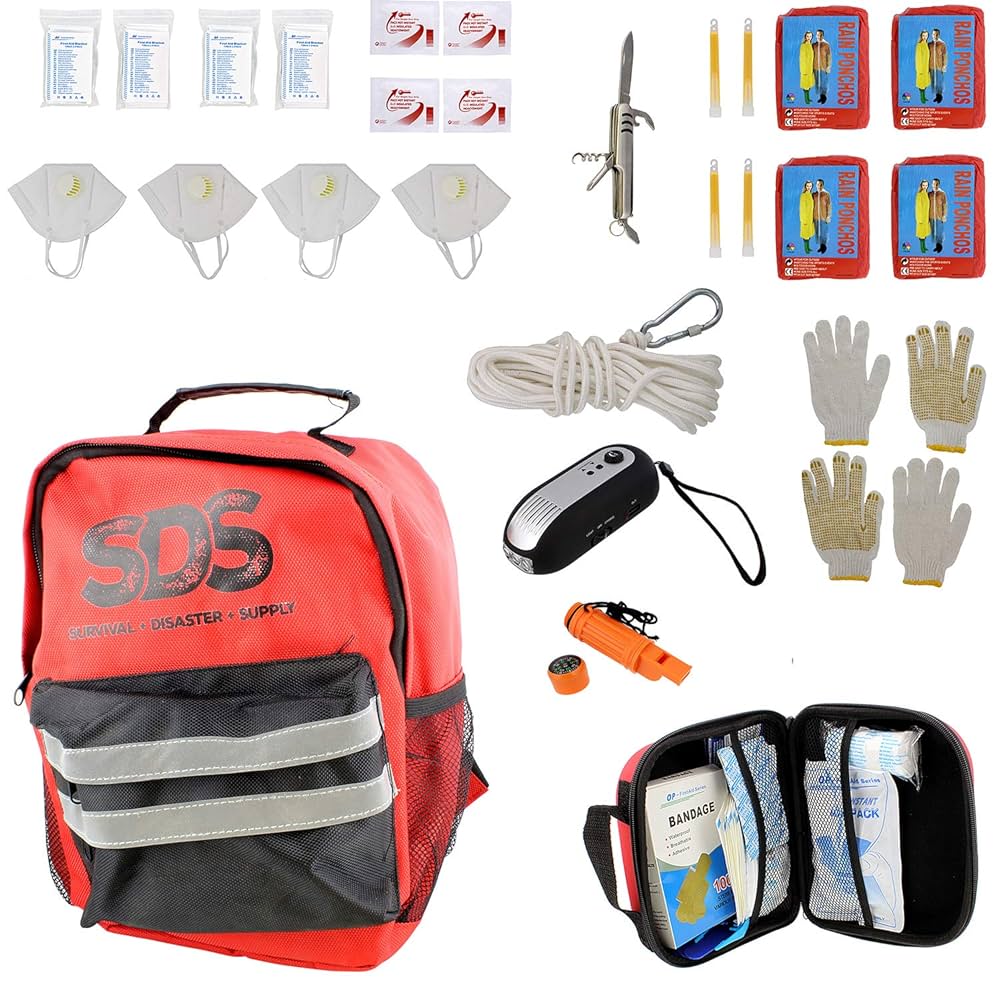
Imagine facing a sudden nuclear emergency. Would you know what to grab?
How to protect yourself and your loved ones? Building a nuclear survival kit is one of the smartest steps you can take right now. This kit can be your lifeline, giving you peace of mind and a real chance to stay safe.
You’ll learn exactly what to include and how to prepare your kit quickly and effectively. Keep reading—your safety could depend on it.
Choosing The Right Container
Choosing the right container for your nuclear survival kit is crucial. It’s the backbone that keeps all your essentials safe and accessible. The container must protect your supplies from harsh conditions while being easy for you to carry.
Durability And Portability
Your container needs to withstand rough handling and extreme environments. Look for materials like hard plastic or metal that resist dents, cracks, and corrosion. A tough container ensures your gear stays intact even if you have to move quickly or travel long distances.
Portability is just as important. If the container is too heavy or bulky, you might hesitate to bring it with you. Choose something lightweight with comfortable handles or straps so you can carry it without struggle.
Waterproof And Airtight Features
Water and air can ruin your supplies fast. A waterproof container keeps moisture out, preventing mold and damage to items like food, clothes, and electronics. Airtight seals also protect against dust, radiation particles, and chemical contaminants.
Some containers have rubber gaskets or locking mechanisms to ensure a tight seal. Test your container by submerging it in water or sealing a small piece of paper inside to check for leaks. Would you risk your survival kit being compromised by a poor seal?
Essential Food And Water Supplies
Essential food and water supplies are crucial in a nuclear survival kit. These items provide energy and hydration when fresh resources are unavailable. Selecting the right supplies helps maintain health and strength during emergencies.
Non-perishable Food Options
Choose foods that last long without refrigeration. Focus on items high in calories and nutrients. Examples include:
- Canned beans, vegetables, and meats
- Dry pasta and rice
- Peanut butter and nut butters
- Energy bars and granola
- Dried fruits and nuts
- Powdered milk and protein powders
Store foods in airtight containers to prevent spoilage. Rotate supplies to keep them fresh. Avoid foods that need cooking with complex equipment.
Water Storage And Purification
Water is vital for survival. Store at least one gallon per person per day for drinking and hygiene. Use clean, sealed containers for storage.
Purification methods include:
- Water purification tablets
- Portable water filters
- Boiling water for at least one minute
- Household bleach (without additives)
Keep extra purification supplies in your kit. Always check expiration dates on tablets and filters. Fresh water supply and safe purification ensure survival.
Radiation Protection Gear
Radiation protection gear is a crucial part of your nuclear survival kit. It helps shield your body from harmful radioactive particles and reduces the risk of contamination. Choosing the right gear can mean the difference between safety and serious health problems.
Protective Clothing And Masks
Protective clothing forms the first line of defense against radiation. Look for suits made from materials like Tyvek or rubberized fabric that block radioactive dust and particles.
- Wear full-body suits with sealed seams to prevent exposure.
- Use gloves and boots made from durable, non-porous materials.
- Don’t forget a hood or helmet to cover your head completely.
Masks are equally important for protecting your lungs. A properly fitting mask with a P100 or N100 rating filters out radioactive dust effectively.
- Choose masks with replaceable filters for longer use.
- Ensure a tight seal around your nose and mouth to avoid leaks.
- Practice putting on and removing your mask quickly to prepare for emergencies.
Radiation Detection Devices
Knowing when radiation levels rise is vital. Radiation detectors alert you to danger before symptoms appear, giving you time to take cover.
| Device Type | Function | Recommended Use |
|---|---|---|
| Geiger Counter | Measures radiation levels in the environment | Portable for field use and quick assessments |
| Dosimeter | Tracks cumulative radiation exposure over time | Worn on the body during extended exposure |
| Radon Detector | Monitors radon gas levels indoors | Important for long-term home safety |
Do you have a plan for regularly checking your detector’s batteries and calibration? Without maintenance, these devices might fail when you need them most.

Credit: trueprepper.com
First Aid And Medical Supplies
First aid and medical supplies are vital in a nuclear survival kit. They help treat injuries and illnesses that may happen after exposure. Having the right tools and medicines can save lives and reduce suffering. Prepare well to handle cuts, burns, or radiation sickness effectively.
Basic Medical Kit Components
A solid medical kit should include essential items for common injuries. Bandages and gauze pads stop bleeding and cover wounds. Adhesive tape holds dressings in place. Antiseptic wipes clean wounds to prevent infection. Tweezers remove debris from cuts. Scissors cut tape and clothing. Disposable gloves protect from germs. A digital thermometer checks body temperature.
- Various sizes of sterile bandages
- Gauze pads and rolls
- Adhesive tape
- Antiseptic wipes or solution
- Tweezers and scissors
- Disposable gloves
- Thermometer
- Instant cold packs
- Pain relief medication like ibuprofen or acetaminophen
Medication And Radiation Sickness Treatment
Medications must cover pain, infection, and radiation effects. Antibiotic ointment helps prevent wound infection. Anti-nausea drugs ease stomach upset. Activated charcoal can reduce poisoning effects. Potassium iodide tablets protect the thyroid from radioactive iodine. Store these medicines in a cool, dry place. Replace expired items regularly. Follow dosage instructions carefully to avoid harm.
Communication And Navigation Tools
Communication and navigation tools are vital in a nuclear survival kit. They help you stay informed and find your way safely. Radiation and power outages can disrupt normal communication channels. Having reliable devices ensures you receive emergency updates and navigate unfamiliar areas. Prepare to communicate and move with confidence in difficult conditions.
Emergency Radios
Emergency radios provide crucial information during nuclear events. Choose a radio that works on multiple power sources: batteries, solar, and hand crank. Look for radios with NOAA weather band and emergency alert features. These radios keep you updated on radiation levels and evacuation orders. Compact and durable models are best for survival kits.
Maps And Compasses
Maps and compasses do not rely on batteries or signals. Keep detailed, up-to-date maps of your area and possible evacuation routes. A compass helps you orient yourself when landmarks are hidden or damaged. Learn basic map reading and compass use before an emergency. Store these tools in a waterproof case to protect them from damage.
Sanitation And Hygiene Items
Sanitation and hygiene items are crucial in a nuclear survival kit. They help prevent disease and keep you feeling as normal as possible in a challenging environment. Focusing on practical, easy-to-use items ensures you can maintain cleanliness even when resources are limited.
Waste Disposal Solutions
Managing waste properly is vital to avoid contamination and illness. You need a system that’s simple and safe.
- Heavy-duty garbage bags:These are essential for containing waste securely. Double-bagging helps prevent leaks and odors.
- Portable toilet options:Collapsible buckets with lids or chemical toilets work well. They’re compact and easy to clean.
- Sanitation chemicals:Adding lime or bleach to waste bags helps control bacteria and odors. Have small containers ready for this purpose.
- Shovel or digging tools:For burying waste if necessary, a sturdy shovel is invaluable. It’s a practical way to keep your environment safe.
Ask yourself: how will you handle waste if water and sewage systems are down? Planning your waste disposal is more than convenience—it’s survival.
Personal Hygiene Products
Keeping up personal hygiene is key to staying healthy and mentally strong. Small, effective products make this easier.
- Biodegradable soap:A must-have for washing hands and body without harming the environment around you.
- Hand sanitizer:Choose alcohol-based options for quick sanitation when water isn’t available.
- Wet wipes:These help clean your skin quickly and reduce bacteria buildup.
- Toothbrush and toothpaste:Dental care prevents infections and keeps your morale high.
- Feminine hygiene products:Stock enough supplies to avoid discomfort and health issues.
How often do you overlook hygiene until it becomes a problem? In survival, a small daily routine can make a big difference.
Additional Survival Essentials
Building a nuclear survival kit involves more than just food and water. Additional survival essentials prepare you for unexpected challenges. These items help you manage daily tasks and stay safe in harsh conditions. They improve your chances of enduring difficult environments and emergencies.
Multi-tools And Fire Starters
Multi-tools combine many functions into one compact device. They often include knives, pliers, screwdrivers, and scissors. These tools save space and weight in your kit. Fire starters are crucial for warmth and cooking. Reliable options include magnesium rods, flint stones, and waterproof matches. Having multiple ways to start a fire increases survival chances. Fire provides heat, light, and a way to purify water.
Shelter And Warmth Supplies
Shelter protects from radiation, wind, and cold. Include a lightweight tent or emergency bivvy sack. Mylar blankets are compact and reflect body heat. Warm clothing layers are essential to prevent hypothermia. Pack gloves, hats, and thermal socks. These items help maintain body temperature in freezing conditions. Shelter and warmth supplies create a safe, comfortable space in emergencies.

Credit: ukpreppingshop.co.uk
Regular Maintenance And Updates
Regular maintenance and updates keep your nuclear survival kit ready for emergencies. Supplies can expire or get damaged over time. Staying on top of these checks ensures your kit works when you need it most.
Checking Expiry Dates
Inspect all food, water, and medical supplies for expiry dates. Expired items lose effectiveness and can be unsafe. Note the dates on each item and replace them before they expire. Keep a calendar reminder to review your kit every six months.
Replacing Damaged Items
Look for tears, leaks, or broken packaging in your kit. Damaged items may no longer protect or function properly. Replace any compromised gear immediately. Regularly test equipment like flashlights and radios to confirm they work. A well-maintained kit means better survival chances.

Credit: trueprepper.com
Frequently Asked Questions
What Items Are Essential For A Nuclear Survival Kit?
A nuclear survival kit should include iodine tablets, a first aid kit, non-perishable food, water, a flashlight, and a battery-powered radio. Protective clothing, masks, and a map of local fallout shelters are also crucial. These items ensure safety and survival during nuclear events.
How Much Water Should Be Stored In A Kit?
Store at least one gallon of water per person per day for at least two weeks. This amount ensures adequate hydration and sanitation needs. Water is crucial for survival, so prioritize its availability in your nuclear survival kit.
Why Include Iodine Tablets In The Survival Kit?
Iodine tablets help protect the thyroid gland from radioactive iodine exposure. They reduce the risk of thyroid cancer following nuclear exposure. Taking them as directed can be life-saving, especially in the initial hours after exposure.
How To Protect Electronics From Nuclear Fallout?
Store electronics in a Faraday cage to protect them from electromagnetic pulses (EMP). A Faraday cage blocks electromagnetic fields, ensuring your devices remain functional. This protection is crucial for communication and accessing vital information during a nuclear event.
Conclusion
Creating a nuclear survival kit takes careful thought and planning. Choose items that last long and serve many purposes. Keep your kit easy to carry and use. Regularly check and update supplies to stay prepared. Being ready can save lives in emergencies.
Start building your kit today for peace of mind. Stay safe, stay ready.