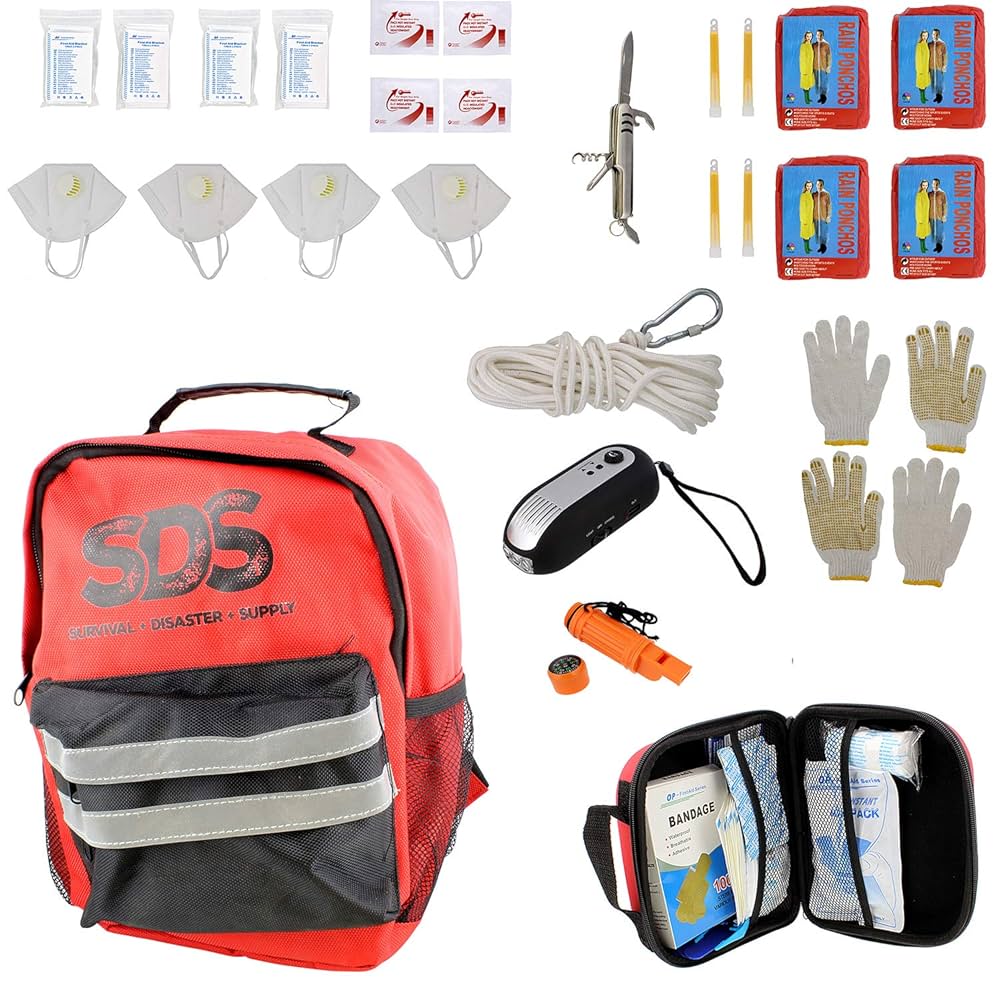
Imagine facing an emergency without the right supplies. How would you protect yourself and your loved ones?
Having a well-packed survival kit can make all the difference when every second counts. But what exactly should you include to be truly prepared? This guide will help you build a kit that covers your basic needs and keeps you safe.
Keep reading to discover the essential items you must have ready before disaster strikes. Your safety depends on it.

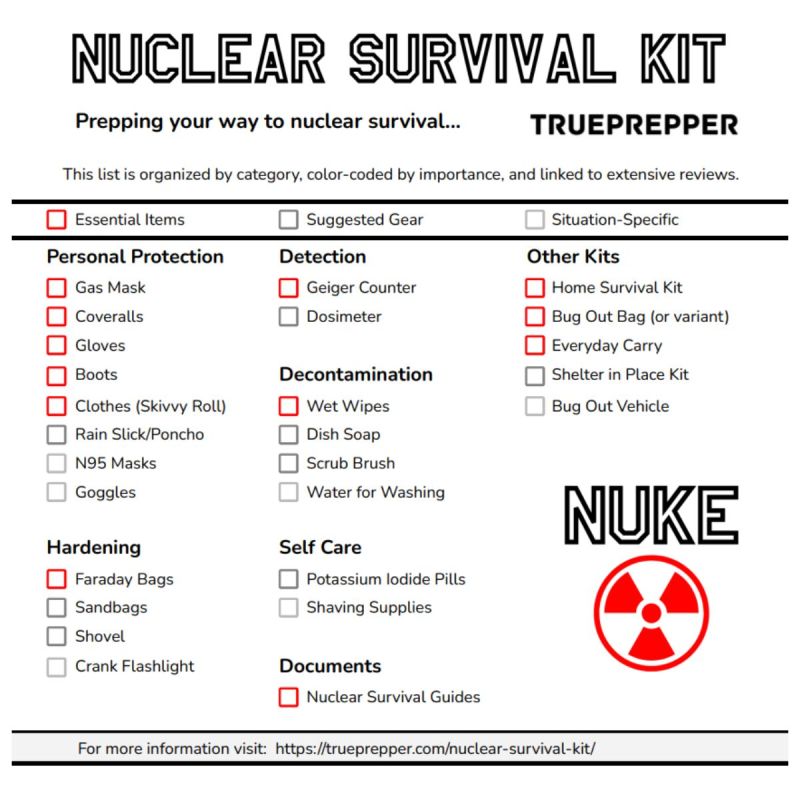
Credit: trueprepper.com
Basic Survival Tools
Basic survival tools are the foundation of any effective emergency kit. These items help you manage essential tasks like cutting, lighting, and navigating in difficult situations. Without reliable tools, even the simplest survival actions become challenging.
Multi-tool And Knife
A sharp knife is one of the most versatile tools you can carry. It helps with cutting rope, preparing food, and even self-defense. Pairing it with a multi-tool that includes pliers, screwdrivers, and scissors expands your ability to fix gear or open cans.
Think about the last time you needed to open a package or repair something quickly. Having these tools at hand saves time and frustration when every second counts.
Fire Starters
Fire is critical for warmth, cooking, and signaling for help. Pack waterproof matches, a lighter, and fire-starting sticks or tinder. These options cover you in various weather conditions.
Remember, a single spark can make a big difference. Have you ever tried rubbing sticks together? It’s tough and time-consuming—don’t rely on that when you have better choices available.
Flashlights And Batteries
Light sources extend your ability to work and navigate after dark. Choose a compact, durable flashlight with multiple brightness settings. Include extra batteries to keep it running for days.
Imagine being stranded at night without light—how would you find your way or signal rescuers? A reliable flashlight turns a scary situation into a manageable one.
Food And Water Supplies
Food and water are the cornerstones of any emergency survival kit. Without reliable access to these essentials, your ability to stay safe and healthy during a crisis drastically decreases. You need to think beyond just grabbing any snacks or bottled water; selecting the right supplies can make all the difference.
Non-perishable Food Items
Choose foods that last long without refrigeration and provide good nutrition. Canned beans, nuts, dried fruits, and energy bars are excellent options. You might also want to include freeze-dried meals—they are lightweight, easy to prepare, and have a shelf life of several years.
Have you ever tried to eat a bland emergency ration and wished you had something tastier? Adding a small packet of spices or instant coffee can boost morale when food options are limited. Remember, eating well is about more than calories; it helps maintain your spirit.
Water Storage And Purification
Storing enough water is crucial. Aim for at least one gallon per person per day for drinking and hygiene. Consider collapsible water containers—they save space and are easy to carry.
Water purification tools are equally important. Tablets, portable filters, and UV purifiers can turn unsafe water into drinkable water quickly. Have you tested these devices before? Familiarity can save you valuable time when you need them most.
Portable Cooking Equipment
Having a way to cook or heat food can improve your situation significantly. Compact stoves that use propane or solid fuel tablets are practical choices. Don’t forget lightweight cookware and utensils designed for emergency use.
Think about your kit’s weight and size. Can you comfortably carry your stove and fuel during an evacuation? Balancing convenience with functionality ensures you won’t leave these vital items behind when it counts.
First Aid Essentials
First aid essentials are vital in any emergency survival kit. They help manage injuries and prevent infections. Proper first aid can save lives and reduce pain. Basic supplies allow quick response to cuts, burns, and other wounds. Prepare to treat common injuries with simple tools and medicines.
Bandages And Dressings
Bandages and dressings protect wounds from dirt and germs. They stop bleeding and help wounds heal faster. Include various sizes of adhesive bandages for small cuts and scrapes. Larger sterile gauze pads cover bigger wounds. Elastic bandages support sprains and strains. Keep adhesive tape to secure dressings firmly in place.
Medications And Ointments
Medications and ointments treat pain, swelling, and infections. Pain relievers like ibuprofen or acetaminophen ease discomfort. Antiseptic wipes clean wounds to prevent infection. Antibiotic ointments help stop germs from growing on cuts. Hydrocortisone cream can reduce itching from bites or rashes. Include allergy medicine for unexpected reactions.
Emergency Medical Supplies
Emergency medical supplies go beyond basic bandages and medicines. Tweezers remove splinters or debris safely. Scissors cut tape, clothing, or bandages quickly. Disposable gloves protect against germs and body fluids. A CPR face shield helps provide rescue breaths safely. A thermometer checks for fever, signaling infection or illness.
Shelter And Warmth
Shelter and warmth are vital in any emergency survival kit. Staying dry and warm prevents hypothermia and keeps energy levels high. Proper shelter protects from wind, rain, and cold temperatures. A good kit has lightweight, compact items easy to carry and set up. Focus on materials that trap heat and block moisture.
Emergency Blankets
Emergency blankets are thin, lightweight sheets that reflect body heat. They are made from heat-reflective plastic sheeting. These blankets are compact and fit easily in any kit. They help retain up to 90% of body heat. Use them to wrap around yourself or as ground insulation. Their water-resistant surface keeps you dry during rain or snow.
Tents And Tarps
Tents offer reliable shelter from wind and rain. Choose a small, lightweight tent that packs down well. Look for quick setup designs for fast protection. Tarps are versatile and can create shelter in many ways. They are lightweight and useful as ground cover or rain shield. Combining tarps with paracord creates an effective temporary shelter.
Clothing And Rain Gear
Extra clothing helps maintain body warmth. Pack layers like thermal shirts, hats, and gloves. Choose moisture-wicking fabrics to keep skin dry. Rain gear such as waterproof jackets and pants protect from wet weather. Waterproof items prevent heat loss and keep clothes dry underneath. Always carry a change of clothes to avoid hypothermia in cold conditions.
Communication Devices
Communication devices are vital in an emergency survival kit. They help you reach others and signal for help. Without good communication tools, staying safe becomes harder. Choose devices that work in different situations and last long. Always have backup options for emergencies.
Portable Radios
Portable radios keep you informed with weather and news updates. They work without internet or cell service. Choose a radio with multiple power options like batteries or hand crank. Look for devices that can receive emergency alerts. Compact and lightweight radios fit easily in any kit.
Whistles And Signal Mirrors
Whistles and signal mirrors help you attract attention silently or visually. A whistle’s sharp sound can carry far distances. Signal mirrors reflect sunlight to catch rescuers’ eyes. Both are simple, reliable, and require no power. Include these lightweight tools for easy signaling.
Chargers And Power Banks
Chargers and power banks keep your devices powered during emergencies. Choose power banks with high capacity and multiple charging ports. Solar chargers provide energy when no electricity is available. Keep charging cables for all your devices in the kit. Reliable power means your communication tools stay active longer.
Personal Hygiene Items
Keeping your personal hygiene in check during an emergency is more important than you might think. Cleanliness helps prevent infections and keeps you feeling more comfortable when everything around you is uncertain. Your emergency survival kit should include essential hygiene items to maintain your health and morale.
Sanitation Supplies
Sanitation supplies are the backbone of personal hygiene. Include items like biodegradable soap, hand sanitizer with at least 60% alcohol, and disinfectant wipes. Don’t forget a small towel or washcloth to help with cleaning, and a portable toothbrush and toothpaste to keep your mouth healthy.
Think about how often you use these items daily—now imagine going without them in a survival situation. You can easily avoid many common illnesses by having these supplies ready.
Insect Repellent
Insects can carry diseases and cause discomfort, making insect repellent a must-have. Choose a repellent that contains DEET or picaridin, which are proven effective against mosquitoes and ticks. If you’ve ever been bitten badly, you know how much it can affect your focus and energy.
Adding insect repellent to your kit helps you stay safe outdoors, especially if you’re in wooded or grassy areas. It’s a small step that can save you from a lot of trouble.
Face Masks And Gloves
Face masks and gloves protect you from airborne germs and contaminated surfaces. Including several disposable masks and pairs of gloves in your kit is smart, especially during pandemics or flu season. I’ve experienced how a simple mask can reduce anxiety and exposure when in crowded or risky environments.
Remember to choose masks that fit well and gloves that are durable but flexible. These items are your first line of defense against infections when clean water and soap aren’t available.
Important Documents And Money
Important documents and money are vital in any emergency survival kit. They help prove identity, access funds, and contact others. Keep these items safe and easy to find. Store them in a waterproof bag or container to protect from damage.
Copies Of Identification
Carry photocopies of your ID cards, passports, and driver’s license. Originals may get lost or damaged during emergencies. Copies help prove who you are. Include medical cards and social security numbers too. Store them in a secure, waterproof pouch.
Cash And Emergency Cards
Keep some cash in small bills. Electronic payments may not work during a crisis. Include emergency credit or debit cards. Avoid carrying large amounts of money. Cash helps buy essentials quickly when needed.
Contact Lists
Write down important phone numbers on paper. Save contacts of family, friends, doctors, and emergency services. Mobile phones can run out of battery or get lost. A paper list ensures you can reach help anytime.

Credit: www.amazon.ca
Specialized Items
Specialized items in an emergency survival kit meet unique needs. They help protect vulnerable family members and keep you oriented. These items go beyond basic supplies to support safety and comfort.
Tools For Children And Pets
Children and pets need specific items during emergencies. Include child-sized masks and gloves for protection. Pack favorite toys or blankets for comfort. For pets, add food, water, and a leash. Also, include any medications they need. These items reduce stress and keep them safe.
Extra Prescription Medications
Keep extra prescription medications for all family members. Store them in labeled containers with dosage instructions. Include any medical devices, such as inhalers or insulin pens. Ensure these medicines are up to date and not expired. Having these on hand can prevent health crises.
Maps And Navigation Tools
Digital devices may lose power or signal. Paper maps provide reliable navigation during emergencies. Include local area maps and larger regional maps. Carry a compass to assist with direction finding. These tools help you find safe routes and avoid danger zones.
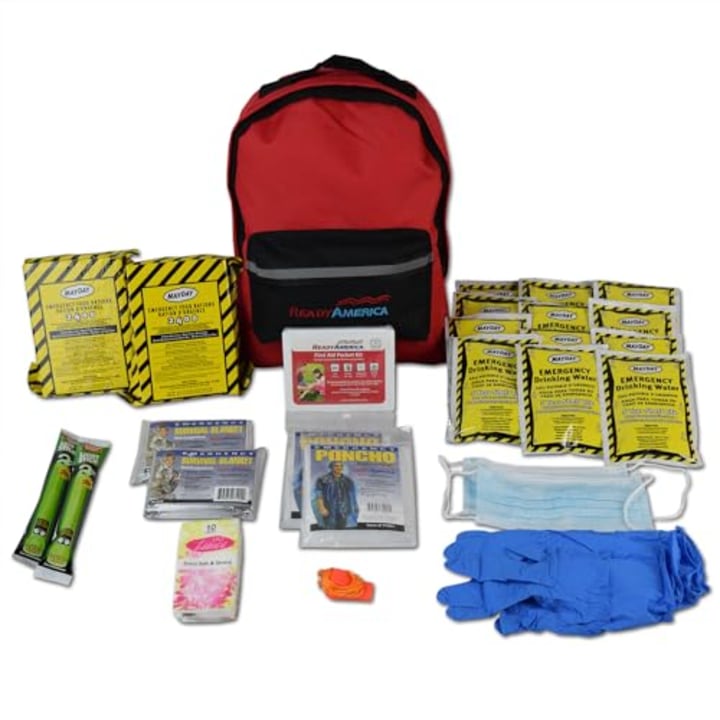
Credit: www.nbcnews.com
Frequently Asked Questions
What Are The Essentials In A Survival Kit?
A survival kit should include food, water, a first aid kit, flashlight, batteries, and a multi-tool. It is crucial to have items for warmth, signaling for help, and personal hygiene. Always customize your kit based on your specific needs and local environment.
How Much Water Should Be In A Kit?
Include at least one gallon of water per person per day. This amount ensures hydration and basic sanitation needs. Plan for at least a three-day supply. Remember, water is crucial for survival, so prioritize its storage in your emergency kit.
Why Is A First Aid Kit Important?
A first aid kit helps address minor injuries immediately, preventing complications. It typically contains bandages, antiseptic wipes, pain relievers, and tweezers. Quick access to these supplies can be lifesaving in emergencies, ensuring health and safety until professional help arrives.
What Food Items Are Best For Survival Kits?
Choose non-perishable, high-energy foods like granola bars, canned goods, and dried fruits. These foods have a long shelf life and provide essential nutrients. They should be easy to prepare and require minimal cooking. Always rotate your food stock to ensure freshness.
Conclusion
A good emergency survival kit saves lives. It holds water, food, and first aid items. Tools like a flashlight and a whistle help in danger. Keep important documents and cash ready too. Check your kit often to replace old supplies.
Ready kits bring calm in sudden crises. Everyone should prepare one for safety’s sake. Stay safe, stay prepared.