Imagine finding yourself at a community shelter, carrying a story of survival that few could imagine. What would you do next?
How would you rebuild your life from such a difficult place? When a client presents at a community shelter after surviving a traumatic experience, their journey is just beginning. You might think it’s only about finding a safe place to stay, but it’s so much more—it’s about hope, healing, and reclaiming your future.
You’ll discover what happens when someone arrives at a shelter after surviving hardship, and how you or someone you know can navigate this challenging but powerful path. Keep reading to understand the steps, emotions, and support that make all the difference.
Client’s Journey To The Shelter
The journey to a community shelter is often a story of resilience and hope. For this client, arriving at the shelter marked a new beginning after facing overwhelming hardships. Their path was shaped by difficult circumstances and personal struggles that tested their strength and courage.
Understanding this journey helps us see the human side of shelter life. It reveals the real challenges people face before finding support and safety. This story shines a light on the client’s experience and the steps they took to reach a place of refuge.
Circumstances Leading To Arrival
The client escaped a dangerous and unstable home environment. Violence and neglect left them with no safe place to stay. Financial troubles meant losing their home and basic needs. They faced isolation and lack of support from family or friends. These harsh realities pushed the client toward seeking shelter assistance.
Initial Challenges Faced
Arriving at the shelter, the client encountered many obstacles. They struggled with trust and fear of the unknown. Adjusting to shelter rules and routines felt difficult at first. Emotional wounds made it hard to connect with others. Basic needs like food and hygiene required adjustment. Despite these challenges, the client showed strong will to rebuild their life.
Shelter’s Role In Support
Community shelters play a vital role for survivors seeking refuge. They provide a safe haven and essential support for those in crisis. These shelters offer immediate relief and long-term assistance, addressing the varied needs of individuals.
Immediate Assistance Provided
Upon arrival, shelters offer immediate help to clients. This includes a warm bed, meals, and hygiene supplies. Such provisions ensure the basic needs of individuals are met without delay. Shelters often have trained staff to provide emotional support. This helps clients feel safe and understood during tough times.
Long-term Resources And Services
Shelters don’t just stop at immediate care. They offer long-term resources to help clients rebuild their lives. Many provide access to counseling and legal aid. These services empower individuals to make informed decisions. Educational programs and job training are also available. These opportunities aid in personal development and self-sufficiency.
Stories Of Hope And Resilience
Stories of hope and resilience shine brightly in community shelters. They show the strength people find after surviving hard times. These stories inspire others and remind us of the power of the human spirit. Each journey is unique, filled with challenges and victories. They teach us how courage and support help rebuild lives.
Overcoming Trauma
Survivors face deep emotional wounds from their past. Healing starts with safety and understanding. Many find comfort in sharing their stories with others. Support groups and counseling play a big role in recovery. Small steps lead to big changes. Overcoming trauma is a slow, steady process. Every day brings new strength and hope.
Building New Foundations
After trauma, creating a stable life is vital. Shelter residents often learn new skills to gain independence. Education, job training, and community activities help build confidence. Setting goals gives a clear path forward. A strong support network encourages growth and healing. Building new foundations means creating a safe, hopeful future.
Community Impact And Involvement
The community shelter stands as a beacon of hope and support. It plays a vital role in helping survivors rebuild their lives. The impact of the shelter goes beyond just providing a safe place. It creates a network of care involving many local people and groups. This involvement strengthens the community and fosters a spirit of unity and compassion.
Volunteer Contributions
Volunteers bring energy and kindness to the shelter every day. They offer time, skills, and a listening ear to those in need. Their work includes:
- Serving meals and distributing essentials
- Providing emotional support and companionship
- Organizing activities and educational programs
These efforts help survivors feel valued and less alone. Volunteers often build lasting bonds with clients. Their dedication boosts the shelter’s ability to meet growing demands.
Local Partnerships
Local businesses and organizations partner with the shelter to extend its reach. These partnerships provide resources like:
- Food donations and clothing supplies
- Professional services such as counseling and legal aid
- Funding for shelter improvements and programs
Such collaborations create a strong support system. They also raise awareness about homelessness and survival struggles. Together, the community and shelter create a safer, kinder environment for all.
Strategies For Empowerment
Empowerment is the key to transforming survival into a new beginning. It means giving someone the tools and confidence to rebuild their life on their own terms. When a client walks into a community shelter after surviving trauma, the goal is to move beyond immediate safety toward lasting independence.
Skill Development Programs
Skill development programs offer practical ways to regain control over your future. They teach abilities that matter in the job market, like computer literacy, cooking, or basic carpentry. These programs don’t just add skills; they build confidence by showing you what you can achieve.
Imagine learning a trade that lets you support yourself and your family. Many shelters partner with local businesses to provide hands-on training and job placement. This direct connection to real work opportunities changes the narrative from dependence to self-reliance.
Mental Health Support
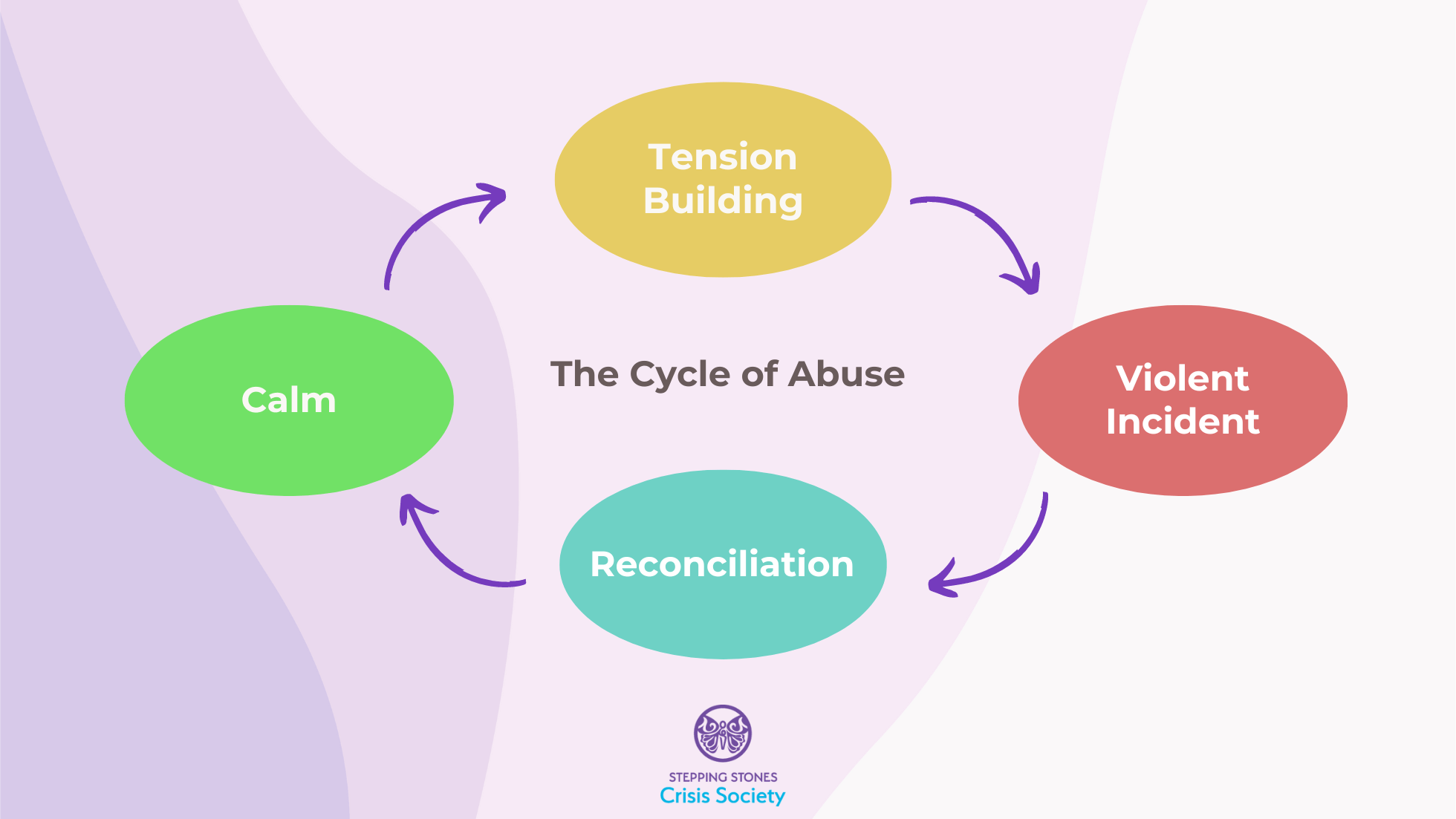
Surviving trauma leaves emotional scars that can hold you back if left unaddressed. Mental health support at community shelters helps you process those feelings and develop coping strategies. You don’t have to face your challenges alone; counselors and support groups create a safe space for healing.
Have you ever noticed how talking through your experiences can lighten the emotional load? Sharing your story and hearing others’ journeys can spark hope and resilience. This support encourages you to move forward with strength rather than fear.
Credit: steppingstonessociety.ca
Pathways To Stability
Finding a path to stability after surviving a crisis is often a complex journey. It requires more than just immediate shelter; it demands long-term solutions that rebuild confidence and independence. Your path to stability can start the moment you step into a community shelter, where support systems work to turn survival into a new beginning.
Housing Solutions
Safe and stable housing is the foundation of rebuilding your life. Shelters often connect you with transitional housing programs designed to bridge the gap between emergency care and permanent homes.
These programs offer more than a roof. They provide access to resources like counseling, financial planning, and legal aid.
Consider the story of Maria, who moved from a community shelter to a shared apartment. With help, she learned budgeting skills that kept her from falling back into homelessness. Could a local housing program offer you a similar stepping stone?
Employment Opportunities
Employment is key to regaining control and independence. Community shelters frequently partner with job training centers and employers willing to hire survivors.
Such opportunities include skills workshops, resume help, and interview coaching tailored to your unique challenges.
Take the example of Jamal, who secured a part-time job through a shelter’s employment program. This job was his first step toward self-sufficiency and confidence. What skills do you have that could open doors to new jobs?
Inspiring Change Through Stories
Stories hold power. They connect us, open minds, and inspire action. At the community shelter, a client’s survival story became a beacon of hope, showing how personal experiences can spark real change.
Personal Narratives
When a client shared their journey of overcoming adversity, it wasn’t just about the hardships they faced. It was about resilience, courage, and the small victories along the way.
Hearing someone speak honestly about their struggles makes the experience relatable. It breaks down barriers and helps others feel less alone in their battles. You might ask yourself: what story from your life could inspire someone else today?
Encouraging Others
Stories do more than inform; they motivate. After listening to the client, others in the shelter began to share their own experiences, creating a supportive environment.
This shared storytelling encourages action, whether it’s seeking help, setting goals, or simply believing in the possibility of change. Think about how you can use your voice to encourage someone facing a tough time.

Credit: ca.news.yahoo.com

Credit: ca.news.yahoo.com
Frequently Asked Questions
What Immediate Help Does A Community Shelter Provide Survivors?
Community shelters offer emergency housing, food, and basic medical care. They also provide emotional support and referrals to long-term services.
How Can Survivors Access Community Shelter Services?
Survivors can visit shelters directly or call their helpline. Intake staff assess needs and connect clients to available resources.
What Safety Measures Are In Place At Community Shelters?
Shelters maintain secure environments with controlled entry. They offer confidential support and work to protect clients from further harm.
How Do Shelters Support Survivors’ Mental Health?
Many shelters provide counseling, peer support groups, and trauma-informed care. These services help survivors cope and rebuild their lives.
Conclusion
A client arriving at a community shelter shows strength and hope. Survivors face many challenges but find help and safety here. Shelters provide food, shelter, and a chance to heal. Support from staff and other clients builds trust and courage.
Every small step moves them toward a better future. The shelter is a place to start again. It reminds us that no one is truly alone. Together, people can rebuild their lives and find new strength.