Have you ever wondered if horses can survive freezing cold without any shelter? If you care about your horse’s health and comfort, this question matters a lot.
Harsh winter weather can be tough on them, but how tough exactly? You’ll discover what really happens to horses when they face cold temperatures alone, and what you can do to keep your horse safe and warm. Keep reading—your horse’s well-being might depend on what you learn here.
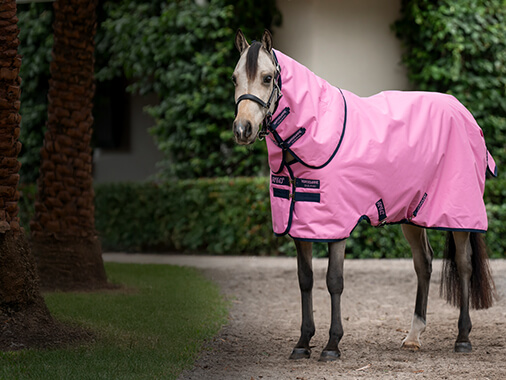
Credit: www.horseware.com
Horses’ Natural Cold Adaptations
Horses have developed remarkable natural adaptations that help them survive cold temperatures, even without shelter. Their bodies respond to dropping temperatures in ways that boost their ability to stay warm. Understanding these adaptations can help you assess whether your horse can handle winter conditions safely.
Winter Coat Changes
One of the most visible signs of a horse preparing for winter is its coat. Horses grow a thicker, longer winter coat that traps air close to their skin, creating natural insulation.
This coat also becomes more water-resistant, helping keep the horse dry during rain or snow. Have you noticed how your horse’s hair changes texture and length as the seasons turn? That’s their body’s way of gearing up for the cold.
Body Fat And Insulation
Horses naturally increase their body fat in colder months, adding an extra layer of insulation. This fat not only stores energy but also helps reduce heat loss from the body.
Fat deposits tend to build up around vital organs, protecting them from cold damage. If your horse looks a bit rounder in winter, it’s not just a sign of good feeding—it’s part of their survival strategy.
Metabolic Adjustments
Horses adjust their metabolism to generate more internal heat during cold weather. They burn more calories to maintain their body temperature, which means they need more energy-rich feed.
Have you ever noticed your horse eating more hay in winter? This increase supports their higher energy demands. Monitoring their feed intake is crucial, especially if they don’t have shelter to escape the cold.
Shelter Importance In Winter
Winter can be harsh on horses, especially when they have no shelter. Understanding the importance of shelter during cold months is essential for anyone caring for these animals. Shelter provides more than just a roof; it is a key factor in keeping horses healthy and comfortable in freezing temperatures.
Protection From Wind And Moisture
Wind can cut through a horse’s coat and make cold temperatures feel much colder. Shelter acts as a shield, blocking biting winds that can cause stress and chill. Moisture, whether from rain or snow, soaks into a horse’s coat and reduces its natural insulation. A dry horse stays warmer and avoids illnesses linked to dampness.
Shelter And Energy Conservation
Horses burn more calories to stay warm without shelter. When protected, they use less energy to maintain body heat. This means they need less extra feed during winter, which can save you money and effort. Have you noticed how your horse behaves differently when it has a cozy spot to rest?
Risks Of Exposure Without Shelter
Without shelter, horses face serious risks. Prolonged exposure to cold can lead to hypothermia, frostbite, and weakened immune systems. Horses may also suffer from stress and fatigue, making them more vulnerable to other health problems. Can you imagine how quickly conditions worsen when animals have nowhere safe to escape the cold?
Behavioral Strategies In Cold
Horses use natural behaviors like huddling and seeking windbreaks to stay warm in cold weather. Their thick coats and fat layers also help them survive without shelter. These strategies reduce heat loss and keep them comfortable during chilly days.
Horses are remarkable creatures that have adapted to survive in various climates, including harsh winters. When faced with cold temperatures and no shelter, they rely on their instincts and behaviors to stay warm and protected. Understanding these strategies can help you ensure your horse’s well-being during the colder months.Seeking Natural Windbreaks
In the wild, horses instinctively seek out natural windbreaks to shield themselves from biting winds. They may position themselves behind trees, hills, or any other natural barriers that provide some protection. Observing where your horse tends to stand during windy days can give you insights into their preferred windbreaks.Huddling For Warmth
Horses often huddle together to conserve warmth. This behavior not only reduces heat loss but also strengthens social bonds within the herd. If you have multiple horses, you might notice them standing close together, sharing body heat, and creating a collective warmth that helps them endure the cold.Activity Levels And Movement
Movement is another vital strategy horses use to combat the cold. By staying active, they generate internal heat, which keeps their bodies warmer. Encouraging your horse to move around by providing ample space and occasional exercise can be beneficial. Have you ever noticed how lively horses become when temperatures drop? It’s their way of keeping warm. These behavioral strategies are fascinating reminders of how horses have evolved to handle nature’s challenges. By paying attention to these behaviors, you can better support your horse’s needs during the winter months.Nutrition And Hydration Needs
Horses exposed to cold weather without shelter need special care. Their nutrition and hydration become crucial for survival. Cold temperatures increase their energy use to keep warm. Proper feeding and water access help maintain their health and strength during harsh conditions.
Increased Caloric Intake
Horses burn more calories in cold weather to stay warm. They need extra food to replace this energy loss. Providing high-quality hay is essential. It helps generate internal heat through digestion. Adding grains can boost calorie intake further. Monitor body condition to adjust food amounts.
Access To Unfrozen Water
Water is vital for all bodily functions. Frozen water sources limit intake and cause dehydration risks. Offering fresh, unfrozen water encourages horses to drink enough. Use heated water buckets or water heaters to prevent freezing. Check water supply regularly to ensure availability.
Feeding Strategies In Cold Weather
Feed small meals frequently throughout the day. This supports steady energy levels and warmth. Offer fibrous forage to promote digestion heat. Avoid sudden diet changes that can upset digestion. Supplement minerals and vitamins to support immune health. Observe eating habits and adjust feeding as needed.
Health Risks Of Cold Exposure
Cold exposure poses serious health risks to horses without shelter. Their bodies struggle to maintain warmth in freezing temperatures. Prolonged cold can harm vital organs and lead to severe illness. Owners must understand these risks to protect their horses effectively.
Hypothermia And Frostbite
Hypothermia occurs when a horse’s body temperature drops too low. It slows down heart rate and breathing. Signs include shivering, weakness, and lethargy. Frostbite affects extremities like ears, tail, and hooves. It causes tissue damage and pain. Both conditions need immediate attention to prevent lasting harm.
Respiratory Issues
Cold air can irritate a horse’s lungs and airways. This leads to coughing and difficulty breathing. Wet or frozen breath worsens these problems. Horses exposed to cold wind often develop respiratory infections. Keeping horses dry and sheltered lowers this risk.
Impact On Older Or Weakened Horses
Older or sick horses have weaker immune systems. They lose body heat faster than healthy horses. Cold exposure can worsen existing illnesses. These horses need extra care and warm shelter. Without protection, their chances of survival drop significantly.

Credit: www.reddit.com
When Shelter Becomes Critical
Horses can handle cold weather to some extent. Shelter becomes critical when conditions worsen. It offers protection from wind, rain, and snow. Without shelter, horses face serious health risks. Understanding when shelter is essential helps keep horses safe and healthy.
Extreme Weather Events
Sudden storms and heavy snowfall challenge a horse’s survival. Strong winds strip away body heat quickly. Freezing rain soaks their coat, increasing cold stress. Shelter blocks harsh elements and reduces energy loss. Without cover, horses struggle to stay warm and dry.
Young Foals And Vulnerable Horses
Young foals lack strong immune systems. They cannot regulate their body temperature well. Older horses and those with illness also need extra care. Shelter provides a warm, calm space for recovery. Exposure to cold can cause severe illness or death.
Prolonged Exposure Effects
Long periods outside without shelter weaken a horse’s health. Muscle stiffness and frostbite are common problems. Energy reserves drop as the body fights cold. Horses may stop eating or drinking properly. Shelter helps prevent long-term damage and supports survival.
Alternative Shelter Solutions
Providing horses with shelter during cold weather is crucial, but sometimes a traditional barn isn’t available. Luckily, there are alternative shelter solutions that can help protect your horse from harsh winds and freezing temperatures. These options often use natural elements or simple structures to create a safer, warmer environment for your equine friend.
Natural Windbreaks And Trees
Natural windbreaks like dense bushes, hedges, or rows of trees can offer significant protection from biting winds. Positioning your horse’s grazing area near these barriers reduces wind chill and helps maintain body heat.
Have you noticed how horses instinctively seek out sheltered spots during storms? Using natural features can mimic this instinctive behavior and provide comfort without expensive construction.
Run-in Sheds
Run-in sheds are simple, three-sided structures that allow horses to enter and leave freely. They block wind, rain, and snow, giving your horse a dry, calm spot to rest.
These sheds are affordable, easy to build, and can be placed strategically in pastures. You can even add straw bedding inside to boost warmth and comfort during cold spells.
Blanketing And Other Aids
When shelter options are limited, using blankets can be a lifesaver for horses sensitive to cold. Properly fitted, waterproof blankets trap body heat and keep moisture out.
Besides blankets, providing ample hay and access to unfrozen water helps horses generate internal warmth. Have you ever checked if your horse’s water source is frozen? Ensuring it isn’t can make a big difference in their ability to stay warm.

Credit: www.horseforum.com
Frequently Asked Questions
Can Horses Survive Cold Without Shelter?
Yes, horses can survive cold without shelter due to their thick winter coats. They generate body heat by eating more hay. However, prolonged exposure to extreme cold increases health risks like hypothermia and frostbite.
How Do Horses Stay Warm In Winter?
Horses stay warm by growing dense winter coats and fluffing their fur. They eat more forage to produce internal heat. Grouping together and finding natural windbreaks also help reduce cold exposure.
Is Shelter Necessary For Horses In Freezing Temperatures?
Shelter is not always necessary but highly recommended in freezing weather. It protects horses from wind, rain, and snow. Shelter reduces stress and prevents cold-related illnesses, improving overall horse welfare.
What Are Signs Of Cold Stress In Horses?
Cold-stressed horses may shiver, shun food, or appear lethargic. They can show stiff movements and pale or blue extremities. Early detection helps prevent severe conditions like hypothermia.
Conclusion
Horses can handle cold weather, but shelter helps a lot. Without shelter, they use energy to stay warm and may get tired. Good food and water keep them strong in cold times. Owners should watch horses closely and provide shelter when possible.
Shelter protects horses from wind, rain, and snow. Keeping horses safe and healthy in winter needs care and attention. Cold weather is tough, but with the right help, horses can manage it well. Shelter is not just comfort—it’s important for their survival.