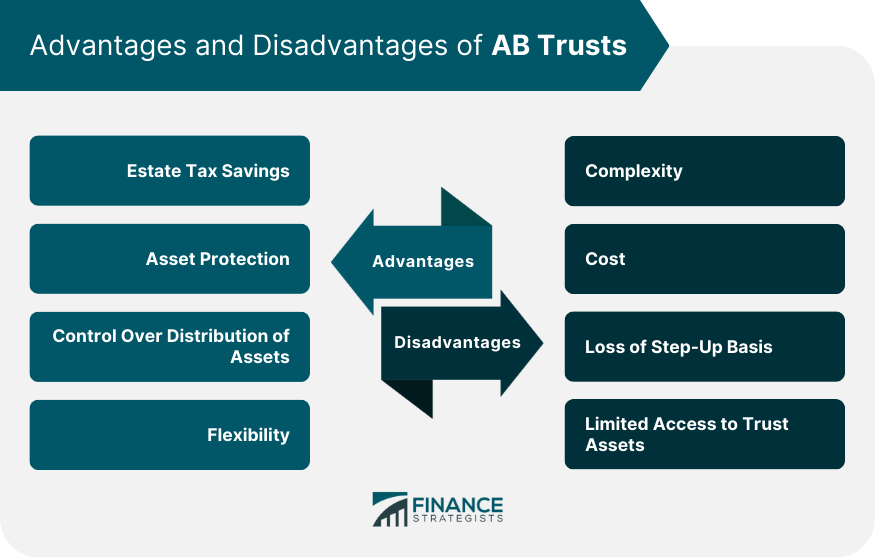
Are you wondering if the surviving spouse can serve as the trustee of a credit shelter trust? This question is more important than you might think, especially when it comes to protecting your family’s assets and ensuring your wishes are followed.
Understanding who can manage the trust affects control, taxes, and peace of mind for everyone involved. Keep reading to discover the key facts and make the best decision for your financial future.

Credit: www.financialteam.com
Credit Shelter Trust Basics
A Credit Shelter Trust is a key tool in estate planning. It helps reduce estate taxes and protects assets for future generations. Understanding its basics allows you to see how it works and why it matters.
Purpose And Benefits
The main purpose of a Credit Shelter Trust is to save on estate taxes. It uses the tax exemption of the first spouse to pass away. This trust holds assets up to the exemption limit.
Benefits include:
- Protecting assets from estate taxes
- Providing for the surviving spouse
- Preserving wealth for children or heirs
- Maintaining control over asset distribution
Typical Structure
Usually, the trust is created in a will or living trust document. When the first spouse dies, assets are placed into the trust. The surviving spouse can receive income from it.
The trust assets do not enter the surviving spouse’s estate. This helps reduce taxes upon the second death. The trust often names a trustee to manage the assets.
Role In Estate Planning
A Credit Shelter Trust plays a critical role in estate planning. It maximizes the use of both spouses’ estate tax exemptions. It also ensures that family wealth passes according to wishes.
This trust offers peace of mind. It helps avoid unnecessary tax burdens. It also protects beneficiaries by controlling how and when assets are used.
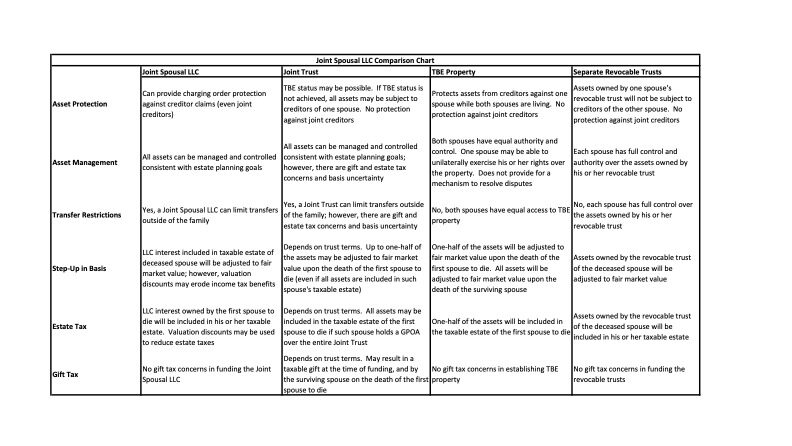
Credit: gouldcooksey.com
Trustee Roles And Responsibilities
Taking on the role of trustee for a credit shelter trust involves more than just a title. It means stepping into a position of trust and responsibility that affects your financial future and that of others involved. Understanding what this role demands helps you prepare for the decisions and duties ahead.
Fiduciary Duties
As a trustee, you have a legal and ethical obligation to act in the best interests of the trust beneficiaries. This means putting their needs above your own and avoiding any conflicts of interest. You must handle the trust’s assets carefully, ensuring they are preserved and grown responsibly.
Have you ever managed money for someone else? The trustee role is similar but with higher stakes and legal oversight. Your honesty and fairness are the foundation of your success in this position.
Decision-making Powers
You hold the authority to make decisions about how the trust operates. This includes distributing income or principal to beneficiaries according to the terms of the trust. Your choices can impact the financial well-being of those relying on the trust.
Think about how you would balance immediate needs with long-term security. Do you feel prepared to weigh these factors thoughtfully and impartially? Your ability to make informed decisions directly shapes the trust’s effectiveness.
Managing Trust Assets
Managing the trust’s assets means overseeing investments, properties, or other valuables held within the trust. You need to keep accurate records, file necessary tax returns, and ensure assets are protected from loss or mismanagement.
This task requires attention to detail and sometimes consulting experts like financial advisors or lawyers. Are you ready to stay organized and proactive in maintaining the trust’s assets over time?
Surviving Spouse As Trustee
Choosing a surviving spouse as the trustee of a Credit Shelter Trust is a decision that many families face. This role comes with responsibilities and opportunities that can greatly impact the financial future of the surviving spouse and beneficiaries. Understanding the dynamics of this choice can help you make a more informed decision for your family’s financial planning.
Common Practices
It is common for the surviving spouse to be named as the trustee of a Credit Shelter Trust. This practice often stems from the trust and familiarity that spouses share. Additionally, the surviving spouse may already have a deep understanding of the family’s financial situation and goals, making them a natural choice for this role.
However, appointing a spouse as trustee is not a one-size-fits-all solution. It’s crucial to evaluate whether the surviving spouse is comfortable and capable of managing trust assets. Consulting with a financial advisor can provide clarity and help align the decision with your family’s unique circumstances.
Advantages
Appointing a surviving spouse as trustee can offer several advantages. They have firsthand knowledge of the family’s needs and can make informed decisions about asset distribution. This personal insight can help ensure that the trust’s benefits align closely with the family’s financial goals.
Furthermore, having the surviving spouse as trustee can streamline communication and decision-making processes. This can lead to quicker resolutions and less administrative hassle, enhancing the overall efficiency of trust management.
Potential Challenges
Despite its advantages, this arrangement can present certain challenges. The surviving spouse may face emotional and financial pressure, especially during a time of grieving. Balancing these responsibilities can be overwhelming without adequate support and guidance.
Additionally, conflicts of interest can arise if the surviving spouse’s interests are not perfectly aligned with those of other beneficiaries. This situation requires careful consideration and potential involvement of third-party advisors to ensure fair and impartial management of the trust.
Have you considered how the dynamics of your family might influence the effectiveness of appointing a surviving spouse as trustee? Reflecting on these questions can guide you towards a decision that benefits everyone involved.

Credit: www.physiciansidegigs.com
Legal Considerations
Legal considerations are crucial when deciding if a surviving spouse can act as trustee of a credit shelter trust. This role carries significant responsibilities and must align with laws and trust terms. Understanding these factors helps avoid conflicts and ensures proper trust management.
State Laws Impact
State laws greatly affect who can serve as trustee. Some states allow the surviving spouse to be trustee without restrictions. Others require an independent trustee to avoid conflicts of interest. Trust administration rules vary, so checking local regulations is vital.
Trust Document Provisions
The trust document itself often defines trustee eligibility. It may name the surviving spouse as trustee or prohibit it. Specific instructions guide trustee powers and duties. Careful review of these provisions ensures compliance and proper trust handling.
Court Involvement
Court approval might be necessary in some cases. The court can confirm or appoint trustees if disputes arise. It oversees trustee actions to protect beneficiaries. Court involvement adds a layer of legal oversight and security.
Tax Implications
Understanding the tax implications is key when a surviving spouse acts as trustee of a credit shelter trust. This role carries specific tax responsibilities and consequences for the estate and beneficiaries. Proper management helps minimize taxes and protects family wealth.
Estate Tax Effects
A credit shelter trust helps reduce estate taxes by using the deceased spouse’s exemption. The trust assets generally avoid being taxed again at the surviving spouse’s death. This shields wealth from large estate tax bills over time.
The surviving spouse as trustee must ensure the trust meets IRS rules. Mistakes can lead to unintended estate tax exposure. Careful record-keeping and adherence to trust terms are essential.
Income Tax Responsibilities
The trust may generate income that must be reported and taxed. The trustee is responsible for filing the trust’s income tax returns.
Income distributed to the surviving spouse or other beneficiaries shifts the tax burden to them. Income kept in the trust is taxed at trust tax rates, which can be higher.
Trustees must track income sources, deductions, and distributions accurately. Consulting a tax advisor is often wise to avoid errors.
Impact On Beneficiaries
Beneficiaries receive income or principal based on trust terms. Their tax responsibilities depend on the type and timing of distributions.
Distributions of income are usually taxable to beneficiaries. Principal distributions are generally tax-free but reduce trust assets.
Proper trustee management ensures beneficiaries face fewer surprises and tax challenges. Clear communication about tax matters helps avoid confusion and disputes.
Alternatives To Surviving Spouse Trustee
Choosing the right trustee for a credit shelter trust is crucial. Sometimes, the surviving spouse may not be the best fit as trustee. There are other options that can ensure the trust is managed properly and fairly. These alternatives provide different benefits and protections for the trust and its beneficiaries.
Independent Trustees
Independent trustees are individuals who have no personal interest in the trust. They act solely to manage the trust assets and follow the trust’s terms. This can avoid conflicts of interest and ensure impartial decisions. An independent trustee might be a trusted friend or family member who understands financial matters well.
Professional Trustees
Professional trustees are companies or individuals who specialize in managing trusts. They offer expert knowledge in legal and financial matters. Hiring a professional trustee can bring experience and consistency to trust management. This option often reduces family disputes and ensures compliance with laws.
Co-trustees Arrangements
Co-trustees means having two or more trustees managing the trust together. This setup can combine different skills and viewpoints. For example, a surviving spouse may serve alongside a professional trustee. Co-trustees can share responsibilities and provide checks and balances. This arrangement helps protect the trust assets and supports fair decision-making.
Practical Tips For Selecting A Trustee
Choosing the right trustee for a credit shelter trust is crucial. This person manages assets and ensures your wishes are followed carefully. Picking someone you trust and who has the right skills can prevent future conflicts and protect your loved ones’ inheritance.
Evaluating Trustworthiness
Trust is the foundation of any good trustee relationship. Ask yourself if this person has proven honesty and reliability in your life. Have they handled sensitive matters discreetly before?
Think about their reputation among family and friends. Would you feel comfortable knowing they are in control of significant financial decisions? Trustworthiness means your peace of mind and the security of your estate.
Assessing Financial Expertise
Managing a credit shelter trust involves more than just good intentions. Your trustee should understand investment basics, taxes, and legal responsibilities. Without these skills, mistakes can erode the trust’s value.
Consider if they have experience handling money or working with financial professionals. Can they read financial statements and make sound decisions under pressure? If not, would they be willing to consult experts when needed?
Considering Family Dynamics
Family relationships can become complicated when money is involved. Choose a trustee who can navigate sensitive situations with fairness and tact. You don’t want someone who might unintentionally spark conflict.
Think about how this person interacts with other beneficiaries. Are they respected and able to stay neutral? A trustee who understands family dynamics can help keep everyone focused on the trust’s purpose instead of personal disagreements.
Frequently Asked Questions
Can A Surviving Spouse Serve As Trustee Of A Credit Shelter Trust?
Yes, a surviving spouse can be the trustee of a credit shelter trust. This allows them to manage trust assets while preserving estate tax benefits. However, the trust document must specifically permit this role for the spouse to ensure legal and tax compliance.
What Are The Benefits Of Spouse As Credit Shelter Trust Trustee?
Having the spouse as trustee provides control over trust assets and simplifies management. It also offers flexibility in distributions and helps protect the trust’s tax advantages. This arrangement can make estate administration smoother and more efficient for the surviving spouse.
Are There Any Risks If Spouse Is Credit Shelter Trust Trustee?
Yes, conflicts of interest and mismanagement risks exist if the spouse is trustee. It may affect beneficiaries’ interests and lead to legal disputes. Proper oversight and clear trust terms help mitigate these risks and protect all parties involved.
How Does State Law Affect Spouse As Trustee In Credit Shelter Trusts?
State laws vary regarding trustee eligibility and duties. Some states have specific rules about spouses serving as trustees. It is essential to consult local laws and an estate planning attorney to ensure compliance and avoid unintended consequences.
Conclusion
A surviving spouse can often act as trustee of a credit shelter trust. This role helps manage and protect family assets wisely. It ensures the trust’s terms are followed carefully. Choosing the right trustee is important for smooth trust administration.
Clear communication and understanding of duties help avoid future problems. Trusts offer flexibility but require careful planning and management. Knowing these basics helps families make smart decisions. Always seek advice from a trusted estate professional. Protect your loved ones and secure your family’s future today.