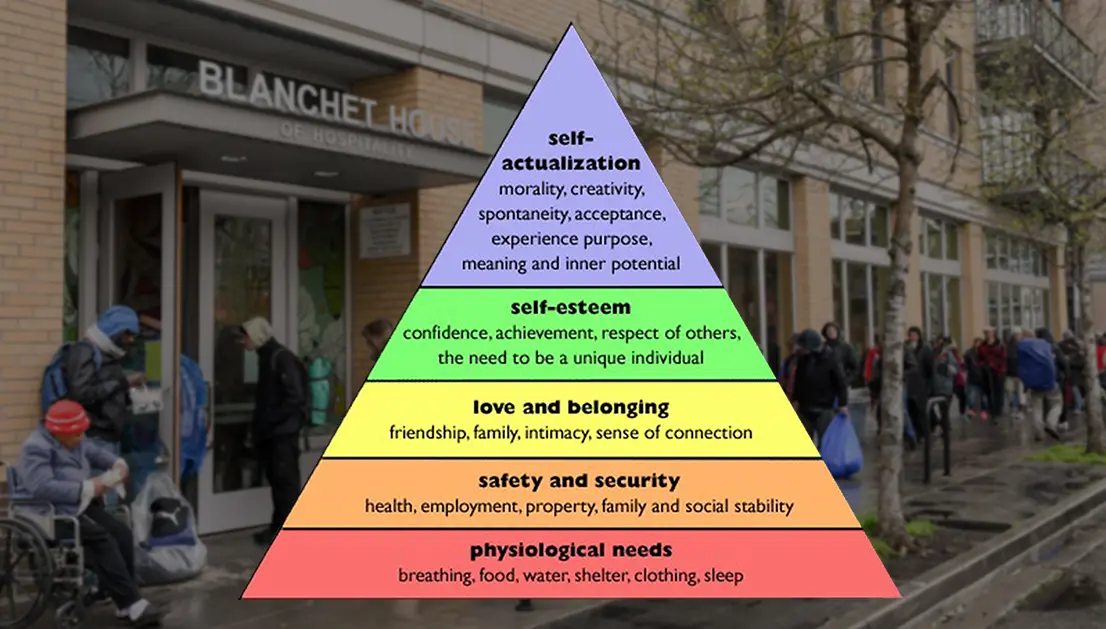
Have you ever stopped to think about what you truly need to survive? You might say food or water, but what about shelter?
Shelter is more than just a place to sleep—it protects you from harsh weather, keeps you safe, and gives you a sense of security. Without it, your body and mind face constant challenges. You’ll discover why shelter is not just a comfort but a vital part of human survival.
Keep reading to find out how shelter shapes your well-being and why it matters to you every day.
Shelter And Basic Survival
Shelter is one of the most basic needs for human survival. It offers a place to rest and protects from dangers. Without shelter, staying alive in harsh environments becomes difficult. It helps keep the body safe and healthy. Understanding shelter’s role reveals why it is essential for survival.
Humans need shelter to shield themselves from natural elements and threats. It creates a barrier between the body and the outside world. This section explains how shelter supports basic survival needs.
Protection From Weather
Shelter guards against rain, wind, and sun. It stops water from soaking the body. Strong winds lose power behind walls or trees. Hot sun rays do not reach skin inside shelter. This prevents illnesses and discomfort caused by weather. Staying dry and shaded helps keep energy and health.
Safety From Predators
Shelter offers a safe space away from animals and threats. It acts as a barrier that predators cannot easily cross. Humans can rest without fear inside shelter. It also allows time to prepare for danger. Shelters increase chances of survival by keeping people safe.
Maintaining Body Temperature
Shelter helps keep the body warm or cool. It blocks cold air and traps heat in cold weather. In hot weather, shelter provides shade and airflow. This balance prevents body temperature from dropping or rising too much. Proper temperature control is vital for survival and comfort.

Credit: kentwandersonphdpc.com
Health Benefits Of Shelter
Shelter plays a crucial role in protecting your health. It acts as a barrier between you and harmful elements that can cause illness or injury. Beyond just physical protection, a safe shelter also supports your mental well-being and overall quality of life.
Reducing Exposure To Illness
Without shelter, you’re constantly exposed to harsh weather, insects, and pathogens. This increases your chances of catching colds, flu, or more serious infections. A proper shelter keeps you dry, warm, and away from harmful germs that thrive in uncontrolled environments.
Think about how quickly you recover from a cold when you’re resting inside versus being out in the rain. Your shelter creates a stable environment that helps your body heal and stay strong.
Access To Clean Water And Sanitation
Good shelter often means easier access to clean water and proper sanitation. These are essential for preventing diseases like cholera and dysentery. When you have a reliable place to wash hands, cook food, and dispose of waste, your risk of illness drops significantly.
Imagine trying to stay healthy without clean water to drink or wash your wounds. Shelter connects you to these basic needs, making survival and health management much more feasible.
Mental Well-being And Security
Your mind needs a safe place just as much as your body does. Shelter provides a sense of security that reduces stress and anxiety. When you feel safe, your brain can focus on other important tasks like thinking clearly and making decisions.
Have you noticed how your mood improves after settling into a comfortable home? That feeling isn’t just emotional; it’s a key part of staying healthy. Shelter offers a stable environment where you can rest, recover, and thrive mentally.
Shelter’s Role In Human Development
Shelter protects humans from weather and danger, supporting health and safety. It provides a stable place to rest and grow. Without shelter, survival becomes much harder.
Shelter is more than just a roof over your head; it’s a cornerstone of human development. The walls around us do more than protect from harsh weather. They shape our lives in fundamental ways, influencing how we grow, socialize, learn, and work. Understanding the profound impact of shelter on our lives can lead to better decisions and improved well-being.Impact On Child Growth
A stable and safe shelter is crucial for a child’s growth. Children need a secure place to call home to develop physically and emotionally. Imagine the difference in a child’s life when they can sleep peacefully without worrying about safety or noise. It allows them to focus on learning and playing, which are essential for their development.Influence On Social Stability
Shelter plays a vital role in maintaining social stability. When you have a safe place to live, it fosters a sense of community and belonging. This stability encourages people to participate in community activities and contribute positively to society. Have you ever noticed how communities with stable housing tend to have lower crime rates and stronger social bonds?Facilitating Education And Work
A proper shelter supports education and work by providing a conducive environment. A quiet, safe home allows for focused study and productive work. Consider how difficult it would be to concentrate on important tasks without a stable environment. Does your home support your ability to learn and work effectively? The right shelter can be a powerful tool in achieving educational and professional goals.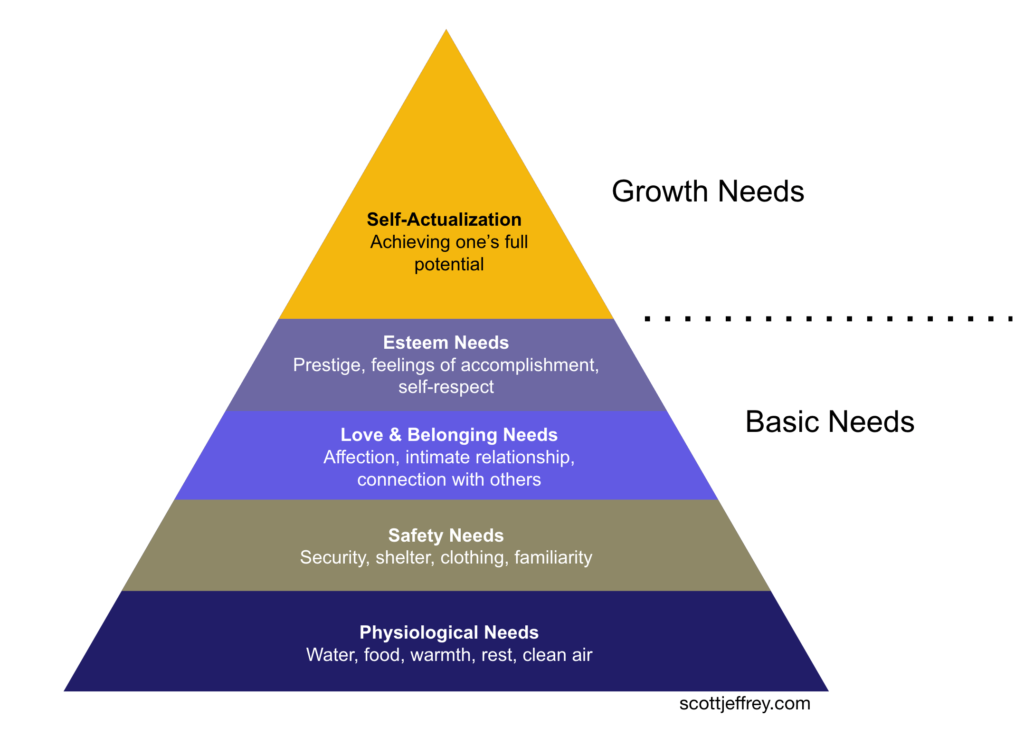
Credit: scottjeffrey.com
Consequences Of Lack Of Shelter
Lack of shelter exposes humans to many serious problems. Shelter is a basic need for protection and safety. Without it, people face dangers that affect their bodies, minds, and daily lives. These consequences show why shelter is vital for survival and well-being.
Increased Vulnerability
Without shelter, people are open to harsh weather. Rain, cold, and heat can cause severe discomfort. They also face threats from animals and unsafe places. Lack of a secure home puts people at risk of harm. Safety is harder to maintain without a stable shelter.
Health Risks And Diseases
Exposure to the elements can lead to illness. Cold weather may cause hypothermia, while heat can cause dehydration. Unsanitary conditions increase the spread of infections. Without clean water and proper hygiene, diseases spread quickly. Lack of shelter often means poor nutrition and weak immunity.
Social And Economic Challenges
No shelter affects job opportunities and education. It is hard to keep a job without a stable address. Children may miss school or perform poorly. Social isolation occurs as people feel unsafe and excluded. Economic hardship grows as medical costs rise and work becomes unstable.
Modern Shelter Solutions
Modern shelter solutions have transformed how we think about safety and comfort in our living spaces. Today, shelters are not just about protection from the elements—they focus on affordability, sustainability, and rapid deployment during emergencies. You might be surprised how many options exist that cater to different needs and environments.
Innovations In Affordable Housing
Affordable housing has seen exciting innovations that make quality homes accessible to more people. Prefabricated homes and modular construction speed up building time and reduce costs, helping communities with limited resources.
Have you noticed how tiny homes are gaining popularity? They offer a compact, efficient way to live without sacrificing comfort. Plus, the use of recycled materials in construction lowers expenses and environmental impact.
Sustainable And Eco-friendly Designs
Sustainable shelters focus on reducing waste and energy use while improving indoor air quality. Features like solar panels, green roofs, and rainwater harvesting systems help you save money and protect the planet.
Imagine living in a home that cools itself naturally or uses daylight to brighten rooms. These designs don’t just look good—they make daily life healthier and more enjoyable.
Emergency Shelters And Disaster Relief
When disaster strikes, quick and reliable shelter can save lives. Modern emergency shelters are lightweight, easy to transport, and set up in hours, providing immediate refuge for those affected.
Have you seen those pop-up shelters used after earthquakes or floods? They are designed to be strong but flexible, adapting to different terrains and climates. This innovation ensures you get safety without delay during critical moments.

Credit: trueprepper.com
Frequently Asked Questions
Why Is Shelter Essential For Human Survival?
Shelter protects humans from harsh weather, predators, and environmental dangers. It provides warmth, safety, and a place to rest, ensuring health and well-being.
Can Humans Survive Without Shelter?
Humans can survive short periods without shelter but face risks like exposure, illness, and injury. Long-term survival requires protection from elements.
How Does Shelter Impact Human Health?
Shelter reduces exposure to extreme temperatures and harmful elements. It prevents illness, improves mental health, and supports overall physical well-being.
What Types Of Shelter Do Humans Need?
Humans need shelters that offer protection from weather, temperature extremes, and predators. These include homes, tents, and natural shelters like caves.
Conclusion
Shelter plays a key role in human survival. It protects from weather and keeps us safe. Without shelter, health risks rise and comfort fades. People need a place to rest and feel secure. Shelter also helps maintain body temperature and prevent illness.
While humans can survive short times outdoors, long-term survival needs shelter. It supports physical and mental well-being. Shelter is not just a roof; it is a vital part of life. Simple, safe shelter makes survival easier and more certain.