Have you ever stopped to think about how important shelter really is for your survival? Whether you’re caught in a sudden storm or facing extreme temperatures, having a safe place to protect yourself can make all the difference.
You might believe that food and water are the only essentials, but without shelter, your body struggles to stay safe and healthy. Keep reading to discover why shelter isn’t just a comfort—it’s a critical key to staying alive when it matters most.
Role Of Shelter In Survival
Shelter is more than just a physical structure; it plays a crucial role in your survival in any environment. It acts as your first line of defense against harsh conditions and unseen dangers. Understanding how shelter supports your survival can help you prioritize building or finding one in critical situations.
Protection From Elements
Without shelter, you are fully exposed to weather conditions that can quickly drain your energy and health. Rain, wind, extreme heat, or cold can cause hypothermia, heatstroke, or dehydration.
A well-built shelter helps maintain your body temperature and keeps you dry. Think about how a simple tarp can shield you from rain or how a snow cave insulates against freezing temperatures. Have you ever noticed how much more comfortable you feel after escaping the wind under a tree or lean-to?
Safety From Wildlife
Shelter also provides a barrier against animals that might see you as a threat or prey. Without a secure place, you risk unexpected encounters that could lead to injury.
Even a basic shelter can deter smaller animals and insects. For example, elevating your shelter or sealing openings can keep snakes or bugs away. How often do you consider wildlife safety when you set up your shelter?
Psychological Benefits
Having shelter can greatly reduce stress and anxiety in survival situations. It creates a sense of control and comfort, which is vital when you’re feeling vulnerable.
During a camping trip gone wrong, I noticed how just crawling into a tent after a long day in the rain changed my mood instantly. That feeling of protection can boost your morale and help you think clearly to make better decisions. What small comforts do you rely on when facing tough conditions?

Credit: www.youtube.com
Types Of Survival Shelters
Understanding the types of survival shelters is crucial when you find yourself in an unexpected situation outdoors. Your choice of shelter can make the difference between comfort and danger, warmth and cold. Let’s look at the main categories of shelters you can rely on, depending on your environment and available resources.
Natural Shelters
Natural shelters are the easiest to use because they require no tools or building skills. These include caves, rock overhangs, and dense clusters of trees that offer protection from the elements.
Have you ever stumbled upon a hollow tree or a thick bush that kept you dry during a sudden rain? Such natural spots can be lifesavers when you have nothing else.
However, always check for dangers like insects, animals, or unstable ground before settling in natural shelters. They offer quick refuge, but they might not be the safest long-term option.
Improvised Shelters
Improvised shelters are built from materials you find around you, like branches, leaves, and even snow. You create a barrier between yourself and the weather, using your knowledge and creativity.
For example, a lean-to made with sticks and a tarp can block wind and rain effectively. In snowy conditions, digging a snow cave can trap body heat and keep you warm.
Building an improvised shelter requires some practice, but it gives you control over size and location. Have you tried constructing one during a camping trip? It’s a skill worth mastering.
Portable Shelters
Portable shelters are designed to be carried with you and set up quickly, like tents, hammocks, and bivy sacks. They offer convenience and reliable protection in various environments.
Carrying a lightweight tent on a hike means you won’t have to rely solely on nature or your building skills. Hammocks with rain flies provide comfort above the ground, especially in wet or rocky areas.
Investing in a good portable shelter can save you a lot of trouble. What’s your go-to gear when you head into the wild? Having the right equipment can give you peace of mind and keep you safe.
Basic Shelter Building Skills
Shelter protects you from harsh weather and keeps you safe. Building a simple shelter can save your life in the wild. Learning basic skills helps you stay warm, dry, and secure.
Building a shelter is a vital survival skill. It protects you from harsh weather, wild animals, and offers a safe space. Knowing how to construct a shelter can save lives. Here’s how to build a basic shelter.Choosing The Right Location
Pick a location away from hazards like falling branches or flooding. Look for flat ground to avoid rolling downhill during sleep. Ensure the area is dry and free of insects. Proximity to resources like water can also be crucial.Materials To Use
Use materials readily available in your environment. Branches, leaves, and grass are common in forests. In snowy areas, snow can be used to insulate. Rocks and logs can add stability to your structure.Construction Techniques
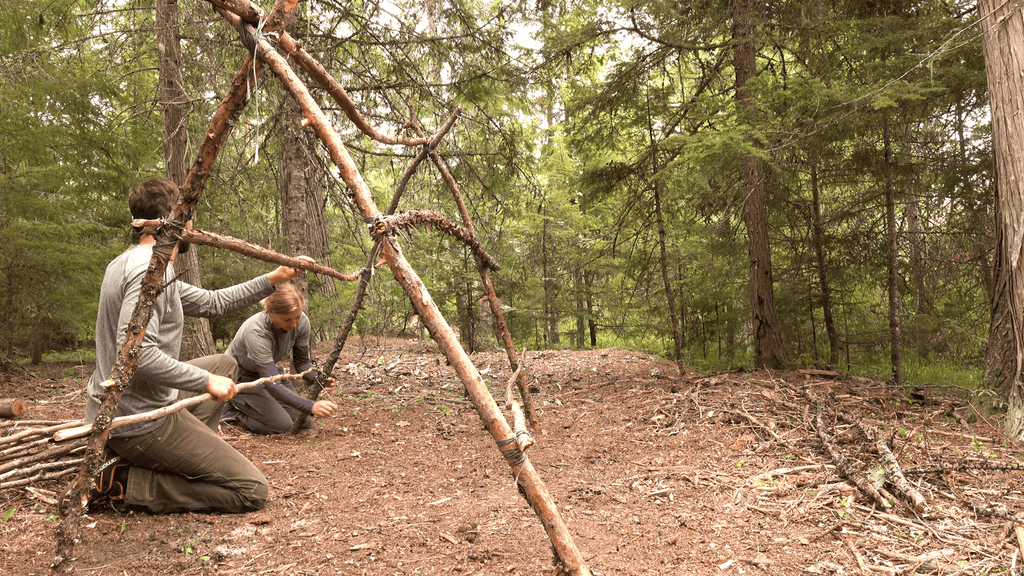
Begin by creating a frame with sturdy branches. Lean smaller sticks against the frame for structure. Cover the frame with leaves or grass for insulation. Make sure the entrance faces away from the wind. Keep the shelter compact for warmth retention.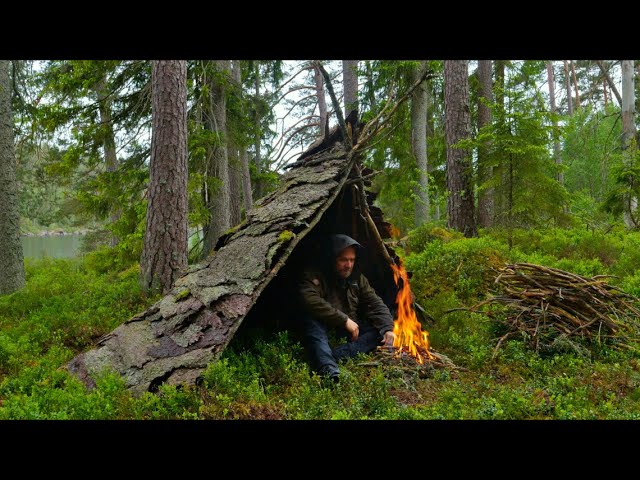
Credit: www.youtube.com
When Shelter Is Less Critical
Understanding when shelter is less critical can help you make smarter decisions in survival situations. Not every scenario demands immediate protection from the elements. Sometimes, your energy and resources are better spent elsewhere.
Short-term Exposure
If your exposure to the outdoors is brief, shelter might not be your top priority. A quick hike or a short wait in mild conditions often doesn’t require building a shelter.
Think about a sudden rain shower or a few chilly hours before sunset. In these cases, layering your clothing or finding natural cover like trees can be enough to keep you comfortable.
Have you ever waited out a storm under a dense canopy without feeling the need for a tent? That’s a good example of short-term exposure where a full shelter isn’t necessary.
Mild Weather Conditions
When temperatures are moderate and there’s little wind or rain, shelter loses urgency. Mild weather means your body can regulate heat effectively without extra protection.
This doesn’t mean ignoring shelter completely, but you might prioritize hydration or food instead. Staying dry and warm is still important, but nature’s conditions can sometimes give you a break.
Imagine camping on a calm, sunny day with gentle breezes. Do you really need to rush to set up a tent, or can you enjoy the moment while preparing your next move?
Alternative Survival Priorities
Sometimes, shelter takes a back seat to other survival needs like finding water, signaling for help, or securing food. Your situation dictates what needs your attention first.
If you’re lost or injured, focusing on shelter might waste precious time and energy. Instead, locating a water source or creating signals might save your life faster.
- Assess your environment quickly.
- Decide what threat is most immediate.
- Use your energy on the highest priority.
Ask yourself: is shelter really the most important thing right now? Or is there something else that will improve your chances of survival more effectively?
Shelter And Survival Priorities
Finding shelter is a top priority when facing survival situations. Shelter protects from harsh weather, keeps you warm, and offers safety. Without shelter, your body loses heat quickly, which can lead to serious health problems. But shelter is just one part of survival. Other needs like water, food, and signaling for help are equally important.
Balancing these survival priorities can increase your chances of staying safe and being rescued. Knowing what to focus on first helps you use your energy wisely. Shelter often comes first, but it must support other survival needs too.
Water And Food Access
Water is essential for survival. The body can only last a few days without it. Find clean water sources near your shelter. Collect rainwater or use natural filters if needed. Food gives energy and helps keep up strength. Look for edible plants, insects, or small animals. Store food safely to avoid contamination.
Signaling For Help
Signaling is vital to attract rescuers. Use bright colors, mirrors, or fires to catch attention. Create clear signals visible from a distance. Keep signals near your shelter for easy access. Regularly update signals if you move to a new spot.
First Aid Considerations
First aid helps manage injuries and prevents infections. Keep basic supplies like bandages, antiseptics, and pain relievers in your shelter. Clean wounds quickly to avoid complications. Learn simple techniques to treat cuts, burns, and sprains. A strong shelter offers a safe place to heal.

Credit: blanchethouse.org
Common Shelter Mistakes To Avoid
Building or choosing the right shelter can be tricky. Many people make avoidable mistakes that reduce safety and comfort. Knowing what to watch out for helps you create a shelter that truly protects and supports your survival.
Poor Location Choices
Picking the wrong spot for your shelter can cause serious problems. Avoid low areas where water collects after rain—standing water invites bugs and can flood your shelter. Also, stay clear of places near cliffs or unstable ground to prevent accidents or collapses.
Think about your surroundings: is the area exposed to strong winds or too close to dense vegetation that could catch fire? Your shelter’s location can make a big difference in how safe and livable it is.
Inadequate Insulation
Many overlook insulation, but it’s key to staying warm or cool inside your shelter. Thin walls or floors let heat escape in winter and heat in during summer, making it uncomfortable and unsafe. Use natural materials like leaves, moss, or even clothing to add layers and trap heat.
Have you ever felt chilled inside a tent on a cold night? That’s what poor insulation does. Don’t let your shelter become just a shell—make it a cozy refuge.
Ignoring Weather Patterns
Weather is often unpredictable, but ignoring local patterns puts you at risk. If you don’t consider wind direction, rain frequency, or seasonal temperature changes, your shelter may fail when you need it most. Orient entrances away from prevailing winds and build roofs with enough slope to shed rain quickly.
Ask yourself: how does the weather shift around here during different seasons? Planning with weather in mind ensures your shelter stands strong no matter what nature throws at it.
Frequently Asked Questions
What Is The Importance Of Shelter For Human Survival?
Shelter protects from harsh weather, predators, and provides safety. It helps maintain body temperature and prevents illnesses. Shelter also offers privacy and comfort, essential for mental well-being and overall survival.
Can Humans Survive Without Shelter In Extreme Conditions?
Survival without shelter in extreme conditions is very challenging. Exposure to cold, heat, or rain can cause serious health issues. Shelter increases chances of survival by offering protection and stability in harsh environments.
How Does Shelter Affect Mental And Physical Health?
Shelter provides a secure space, reducing stress and anxiety. It shields from environmental hazards, promoting physical health. A stable shelter supports rest, recovery, and overall well-being, which are vital for survival.
What Basic Features Should A Survival Shelter Include?
A survival shelter should provide protection from wind, rain, and cold. It must be insulated, waterproof, and sturdy. Ventilation and safety from animals are also essential features for effective shelter.
Conclusion
Shelter plays a key role in staying safe and healthy. It protects from weather, animals, and cold. Without shelter, risks of illness and injury rise. People feel more secure and rested inside shelter. It gives a place to store food and tools.
Shelter helps you survive longer in tough situations. Always think about safe and sturdy shelter first. Simple shelters can make a big difference. Stay prepared and respect the power of shelter. It truly matters for survival every time.