Are you curious about where the action really happens in Last Shelter Survival? You might have wondered if the game takes place underground or on the surface.
Understanding the setting can change how you play and enjoy the game. You’ll discover the truth behind the game’s environment and why it matters for your strategy. Keep reading to find out what makes Last Shelter Survival so unique and how knowing its setting can give you an edge.
Credit: lss.fandom.com
Setting Of Last Shelter Survival
The setting of Last Shelter Survival plays a crucial role in how you experience the game. It creates a world filled with challenges that demand strategic thinking and quick decisions. Understanding where your battles take place can change the way you approach survival.
Game Environment
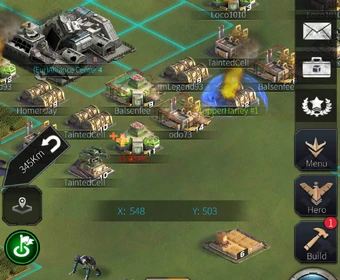
Last Shelter Survival is set in a post-apocalyptic world ravaged by zombies and chaos. The environment is mostly an open surface world where you build your base, gather resources, and fight enemies. This surface setting is detailed with ruined cities, forests, and wastelands that add depth to your gameplay.
Your base sits on the surface, allowing you to expand and develop defenses. The game’s environment is dynamic, with day and night cycles affecting visibility and enemy behavior. This creates an immersive experience that keeps you alert and engaged.
Surface Vs Underground Elements
Although the main gameplay happens on the surface, there are hints of underground elements like bunkers and tunnels. These areas often serve as special zones for missions or resource gathering rather than primary locations for base-building.
The underground is not the central setting but adds a layer of mystery and danger. You might find hidden supplies or face tougher enemies in these confined spaces. This contrast between open surface battles and tight underground encounters keeps the gameplay fresh and challenging.
Have you ever wondered how your strategy would change if more of the game took place underground? The current balance encourages you to focus on surface defense while staying curious about what lies beneath.
Gameplay Mechanics And Location
Last Shelter Survival offers a mix of gameplay mechanics set in various locations. Players manage resources, build bases, and explore different zones. The game balances underground and surface activities to create a dynamic experience. Understanding where the action takes place helps players plan their strategies better.
Base Building Areas
Bases in Last Shelter Survival are mostly above ground. Players construct buildings, defenses, and resource centers here. The base acts as the main hub for managing troops and supplies. It is crucial to protect it from enemy attacks. While some storage might be underground, the core base stays on the surface. This design gives players a clear view of their stronghold and its surroundings.
Exploration Zones
Exploration areas include both surface and underground zones. Surface zones offer missions, resource gathering, and enemy encounters. Underground zones provide hidden resources and special challenges. Players can send scouts or troops to these areas to expand their control. Exploring underground adds depth to the gameplay and new risks. These zones encourage players to balance safety with the need for resources.
Narrative And Storyline Context
The narrative and storyline of Last Shelter Survival shape much of its immersive experience. Understanding where the game takes place helps you connect better with the challenges and missions you face. The question of whether the game unfolds underground is key to grasping the atmosphere and strategy involved.
Plot Background
The story of Last Shelter Survival is set in a post-apocalyptic world devastated by a viral outbreak. Survivors struggle to rebuild civilization while facing hostile forces and scarce resources. Your role is to lead a group of survivors, making crucial decisions to ensure their safety and growth.
The game primarily focuses on surface-level survival—rebuilding cities, gathering resources, and defending against enemy attacks. However, the plot hints at hidden layers beneath the surface, adding depth to the story. This setup encourages players to think beyond just visible threats and consider what might be lurking out of sight.
Role Of Underground Settings
While most gameplay happens above ground, underground locations play a subtle but important role. Bunkers and tunnels provide safe havens from enemies and harsh weather. These hidden spaces offer strategic advantages, such as shelter during attacks or places to store critical supplies.
Have you noticed how underground areas in the game add a layer of mystery and tension? They’re not the main battleground but serve as crucial points for survival and planning. Understanding their function can change how you approach your defense and resource management.
- Underground shelters protect survivors from external dangers.
- They act as fallback points during overwhelming attacks.
- These settings expand the storyline beyond just visible conflict zones.
Thinking about your gameplay, how often do you use underground areas to your advantage? Recognizing their importance might just be the edge you need to thrive in Last Shelter Survival.

Credit: apps.apple.com
Visual And Design Clues
The world of Last Shelter Survival presents a unique landscape. Players often wonder if its setting is underground. Visual and design elements provide clues to this mystery. Let’s explore these aspects to uncover the truth.
Map Features
The game map offers intriguing details. The terrain varies widely. Hills, valleys, and flatlands are common. These features suggest a surface environment. Yet, certain map elements hint at hidden depths.
Some areas appear cavernous. They resemble underground passages. Darker shades and textures add depth. These might indicate underground spaces.
In-game Structures
Structures in Last Shelter Survival are diverse. Many buildings have a rugged, industrial look. This design choice supports an underground theme.
Some structures extend below the surface. They include bunkers and shelters. These often have reinforced walls and ceilings. Their design suggests protection from external threats.
Observation towers offer another clue. They provide a view of the landscape. This implies a surface setting. Yet, their existence could also imply hidden facilities below.
Player Theories And Speculations
Players often create theories about the setting of Last Shelter Survival. Many wonder if the game takes place underground. These ideas come from the game’s visuals and story hints. Players try to connect the dots to understand the true environment.
Theories add excitement and deepen player interest. They discuss these ideas in forums and social media. Some believe the base is hidden beneath the earth’s surface. Others think the setting is above ground but in a ruined city.
Common Beliefs
- Many players think the base is underground to protect from zombies.
- Some say tunnels and dark corridors hint at an underground world.
- Others believe the game shows an open landscape with ruined buildings.
- Players notice limited sky views, supporting the underground idea.
- Some think the underground setting explains the quiet, eerie atmosphere.
Developer Statements
- Developers have shared limited details about the game’s exact setting.
- They focus more on survival mechanics than on the environment specifics.
- Some official posts suggest the base is a fortified shelter but not clearly underground.
- Developers emphasize the danger outside rather than the shelter’s location.
- They encourage players to imagine the story world in their own way.
Impact Of Setting On Gameplay Experience
The setting in Last Shelter Survival plays a crucial role in shaping how you experience the game. Whether the action unfolds underground or above, the environment influences your decisions, emotions, and overall gameplay. Understanding this impact helps you adapt better and enjoy the game more deeply.
Atmosphere And Immersion
The underground setting adds a unique layer of tension and mystery. Darkness and confined spaces create a feeling of vulnerability that pulls you into the survival struggle.
You feel every sound and movement more intensely, making each decision feel more critical. This atmosphere can make the game more gripping, encouraging you to stay alert and think carefully.
Have you noticed how this setting affects your mood while playing? It can turn routine tasks into suspenseful moments, enhancing your connection to the game world.
Strategic Implications
Playing underground changes your strategy significantly. Limited visibility and tight spaces force you to prioritize stealth and resource management.
You must plan your movements carefully and prepare for unexpected encounters. This setting encourages a slower, more thoughtful pace compared to open, above-ground environments.
Consider how your base-building and defense tactics shift when space is restricted. You’ll need to optimize every inch and anticipate threats differently than you would on the surface.

Credit: lss.fandom.com
Frequently Asked Questions
Does Last Shelter Survival Happen Underground?
No, Last Shelter Survival primarily takes place above ground. Players build bases, gather resources, and fight zombies on the surface. However, some gameplay elements involve underground shelters for protection and strategy.
Are Underground Shelters Important In Last Shelter Survival?
Yes, underground shelters are crucial for defense and resource storage. They provide safety from zombie attacks and enemy players. Upgrading shelters enhances survival chances and overall gameplay experience.
Can Players Explore Underground Areas In The Game?
Players cannot freely explore underground areas. The game focuses on base building and surface exploration. Underground shelters serve mainly as protective structures, not exploration zones.
How Does Underground Gameplay Affect Strategies?
Underground shelters influence defense strategies significantly. They offer secure places to hide troops and resources. This adds a layer of tactical depth in managing attacks and defenses.
Conclusion
Last Shelter Survival mainly happens above ground, not underground. Players build bases on the surface to gather resources and defend. The game focuses on strategy and teamwork in open areas. Underground sections are limited and used for specific missions. This design keeps the game exciting and easy to follow.
Players enjoy the challenge of managing land and troops. Overall, the surface world drives the main gameplay experience.