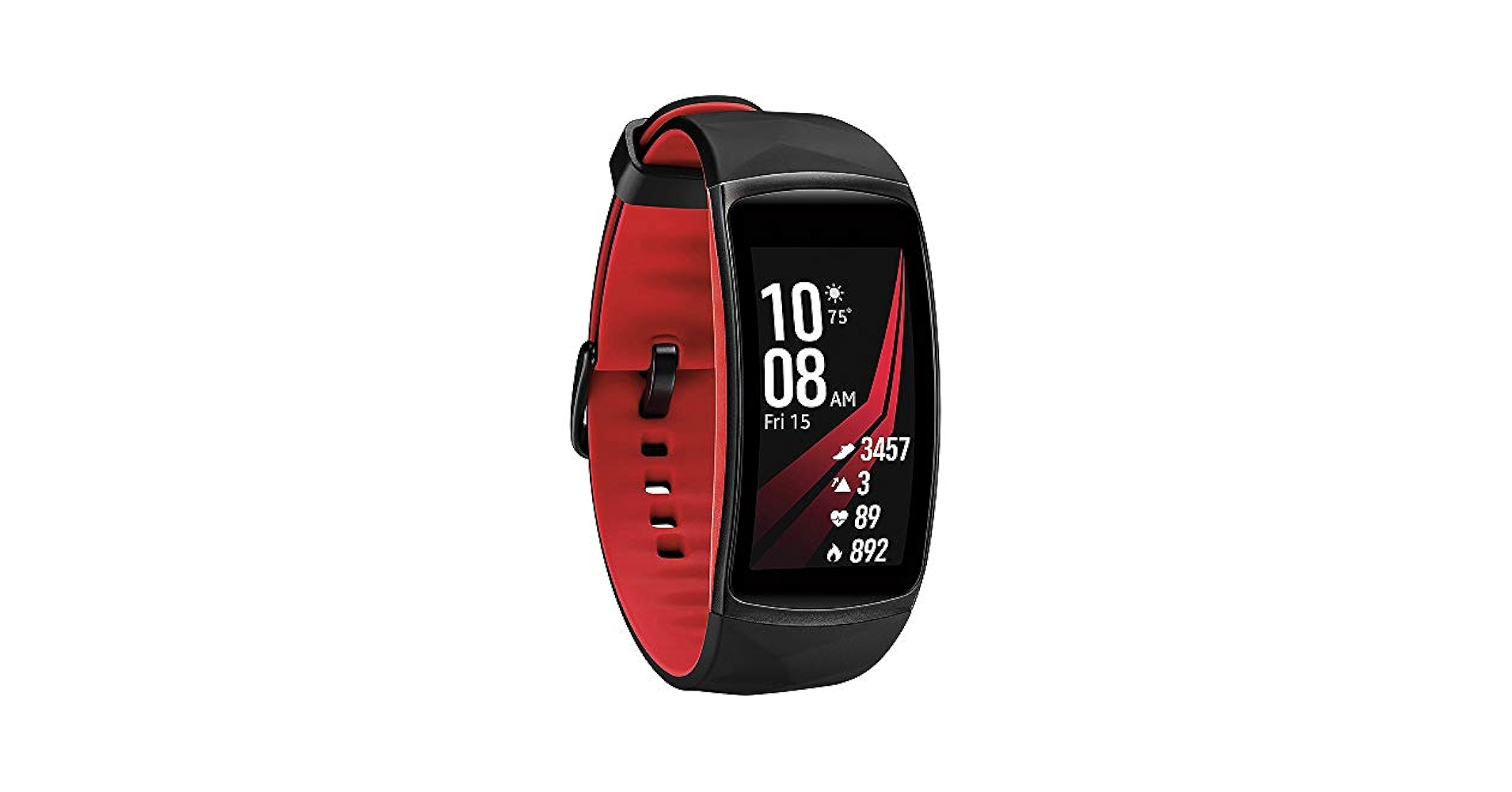
Are you curious if the Gear Fit Pro 2 can keep an eye on your sleep? Understanding how well you sleep is key to feeling your best every day.
But with so many fitness trackers out there, it’s hard to know which one really works. You’ll discover whether the Gear Fit Pro 2 truly tracks your sleep and how accurate it is. By the end, you’ll have the clear answers you need to decide if this device fits your sleep goals.
Keep reading—you might be closer to better rest than you think.

Credit: www.youtube.com
Gear Fit Pro 2 Sleep Tracking Features
The Gear Fit Pro 2 offers a range of sleep tracking features designed to help users monitor their rest patterns. It collects detailed sleep data and provides insights to improve sleep quality. Understanding its sleep tracking capabilities helps users get the most out of this wearable device.
Sensors Used For Sleep Monitoring
The Gear Fit Pro 2 uses multiple sensors to monitor sleep. It includes an accelerometer to detect movement during sleep. The heart rate sensor tracks your pulse, which changes with different sleep stages. These sensors work together to provide accurate sleep data without discomfort.
Types Of Sleep Data Recorded
This device records various types of sleep data. It tracks total sleep time and the time spent awake. The Gear Fit Pro 2 also measures light, deep, and REM sleep stages. Users can see how long they spend in each stage for better sleep analysis. It helps identify sleep disruptions and patterns.
Sleep Modes And Settings
The Gear Fit Pro 2 offers customizable sleep modes. Users can enable automatic sleep detection for hands-free tracking. There is also a manual mode to start and stop sleep tracking. Settings allow adjustment of notifications and reminders to improve sleep habits. The device syncs with smartphone apps for detailed reports.

Credit: www.amazon.com
Accuracy Of Sleep Tracking
Sleep tracking accuracy is key for users to trust the Gear Fit Pro 2. It must record sleep stages and duration clearly. Understanding how well it performs helps users make better health choices.
Comparison With Medical-grade Devices
Medical devices use sensors to measure brain waves and body movements. The Gear Fit Pro 2 uses heart rate and motion data. It cannot match the precision of medical devices. Still, it offers a practical estimate of sleep patterns. It works well for general sleep tracking rather than detailed analysis.
User Reviews And Feedback
Many users say the Gear Fit Pro 2 tracks sleep reliably. They find it good for identifying sleep and wake times. Some report it sometimes misses light sleep stages. Others notice it overestimates deep sleep. Overall, users appreciate its ease of use and helpful insights.
Factors Affecting Accuracy
- Proper fit on the wrist impacts sensor readings.
- Movement during sleep can cause inaccurate data.
- Heart rate variability affects the sleep stage detection.
- Firmware updates may improve or alter tracking quality.
- Environmental factors like temperature and noise also play a role.
Benefits Of Using Gear Fit Pro 2 For Sleep
The Gear Fit Pro 2 offers more than just tracking your steps or monitoring your heart rate. Its sleep tracking feature provides valuable insights into your nighttime habits, helping you improve your overall health. By understanding the benefits of using the Gear Fit Pro 2 for sleep, you can harness its capabilities to enhance your rest and recovery.
Improving Sleep Habits
The Gear Fit Pro 2 monitors your sleep patterns and gives you detailed reports. These reports reveal your sleep duration and quality, highlighting periods of deep sleep and light sleep. With this information, you can identify areas for improvement, such as adjusting your bedtime or creating a more conducive sleep environment.
Imagine waking up refreshed, knowing exactly how much restorative sleep you got. This tracker encourages better sleep hygiene. You start noticing patterns and make small changes that lead to significant improvements in your sleep quality.
Integration With Health Apps
One of the standout features of the Gear Fit Pro 2 is its seamless integration with popular health apps. Syncing your sleep data with apps like Samsung Health or Google Fit allows you to have all your wellness information in one place. This holistic view helps you see how sleep fits into your broader health picture.
Having a consolidated health profile empowers you to make informed decisions. Are your evening workouts affecting your sleep? Is your nutrition impacting your rest? With integrated data, you can pinpoint correlations and make changes that benefit your overall well-being.
Long-term Sleep Pattern Insights
Tracking your sleep over time with the Gear Fit Pro 2 gives you long-term insights. Unlike a single night’s data, these insights help you recognize trends and patterns in your sleep behavior. This long-term view is crucial for understanding how lifestyle changes impact your sleep.
Consider how seasonal changes or stress levels might affect your sleep. With continuous tracking, you can see the bigger picture and identify persistent issues. This knowledge is invaluable for making adjustments that lead to sustained improvements in your sleep health.
Credit: www.androidpolice.com
Limitations And Common Issues
Understanding the limitations and common issues of the Gear Fit Pro 2’s sleep tracking can help you set realistic expectations. While the device offers useful insights, it is not flawless. Recognizing these drawbacks ensures you get the most accurate data possible and know when to take the results with a grain of salt.
Possible Tracking Errors
The Gear Fit Pro 2 sometimes misinterprets movements, which can lead to inaccurate sleep stage detection. Light tossing or turning might be recorded as waking periods, causing fragmented sleep reports. If you tend to stay very still during restless sleep, the device might miss those disturbances entirely.
Have you noticed your sleep report showing unusually long deep sleep phases? This could be a sign of tracking errors. Sleep tracking technology still struggles to perfectly distinguish between sleep stages without EEG data.
Battery Life Impact
Using the sleep tracking feature every night can drain your Gear Fit Pro 2’s battery faster than typical daily use. You might find yourself charging the device more frequently, which can be inconvenient if you rely on it throughout the day. Planning your charging schedule around your sleep can help, but it requires some adjustment.
Consider turning off other power-intensive features if you want to maximize battery life while tracking sleep. Do you prioritize continuous tracking, or would you rather have longer battery life?
Comfort And Wearability
Wearing the Gear Fit Pro 2 all night may feel uncomfortable for some users, especially if the band is too tight or the sensor presses against the skin awkwardly. Discomfort can affect your sleep quality, ironically impacting the very data you want to collect. Adjusting the strap or trying different wearing positions might improve comfort.
Some users report skin irritation after prolonged wear. Regularly cleaning the band and giving your wrist a break can help prevent this issue. Is it worth sacrificing a bit of comfort for detailed sleep insights?
Tips To Enhance Sleep Tracking Accuracy
Accurate sleep tracking helps you understand your rest better. The Gear Fit Pro 2 can provide useful data when used correctly. Small changes can improve how well it tracks your sleep stages and patterns.
Follow these tips to get the best results from your device. Consistency and care make a big difference in sleep tracking accuracy.
Proper Device Placement
Wear the Gear Fit Pro 2 snugly on your wrist. Not too tight, not too loose. Place it just above your wrist bone for best sensor contact. Avoid moving it around during sleep. Proper placement helps the sensors read your heart rate and movements clearly.
Regular Firmware Updates
Keep your device software up to date. Updates fix bugs and improve tracking features. Connect your Gear Fit Pro 2 to the app regularly. Download and install new updates promptly. Updated firmware ensures better data accuracy and new functionalities.
Consistent Usage Patterns
Wear the Gear Fit Pro 2 every night for consistent data. Try to go to bed and wake up at the same times. Regular sleep schedules help the device learn your patterns. Avoid removing the device during sleep. Consistent use improves the quality of sleep insights.
Frequently Asked Questions
Does The Gear Fit Pro 2 Track Sleep Accurately?
Yes, the Gear Fit Pro 2 tracks sleep with good accuracy. It monitors sleep stages including light, deep, and REM sleep. The device uses motion sensors and heart rate data to provide detailed sleep insights, helping users improve their sleep quality effectively.
How Does Gear Fit Pro 2 Monitor Sleep Stages?
Gear Fit Pro 2 uses accelerometer and heart rate sensors to detect movement and pulse. It analyzes this data to identify different sleep stages like light, deep, and REM sleep. This helps users understand their sleep patterns and overall rest quality.
Can Gear Fit Pro 2 Improve My Sleep Habits?
Yes, by tracking sleep duration and quality, Gear Fit Pro 2 helps users identify sleep issues. The detailed sleep reports enable better sleep management and encourage healthier sleep habits for improved rest and overall wellness.
Is The Sleep Tracking Feature Available Without A Smartphone?
No, the Gear Fit Pro 2 requires a paired smartphone to sync and display detailed sleep data. The device collects sleep metrics, but users need the companion app on their phone for full sleep analysis and history.
Conclusion
The Gear Fit Pro 2 does track sleep well. It records your sleep stages clearly. You get useful insights on your sleep quality. The device helps you understand your sleep habits. It works best when worn every night. Battery life supports long-term tracking without trouble.
The app shows easy-to-read sleep reports. Small issues exist but do not affect main features. Overall, the Gear Fit Pro 2 offers good sleep tracking. It suits those wanting simple, clear sleep data. A helpful tool for better sleep awareness.