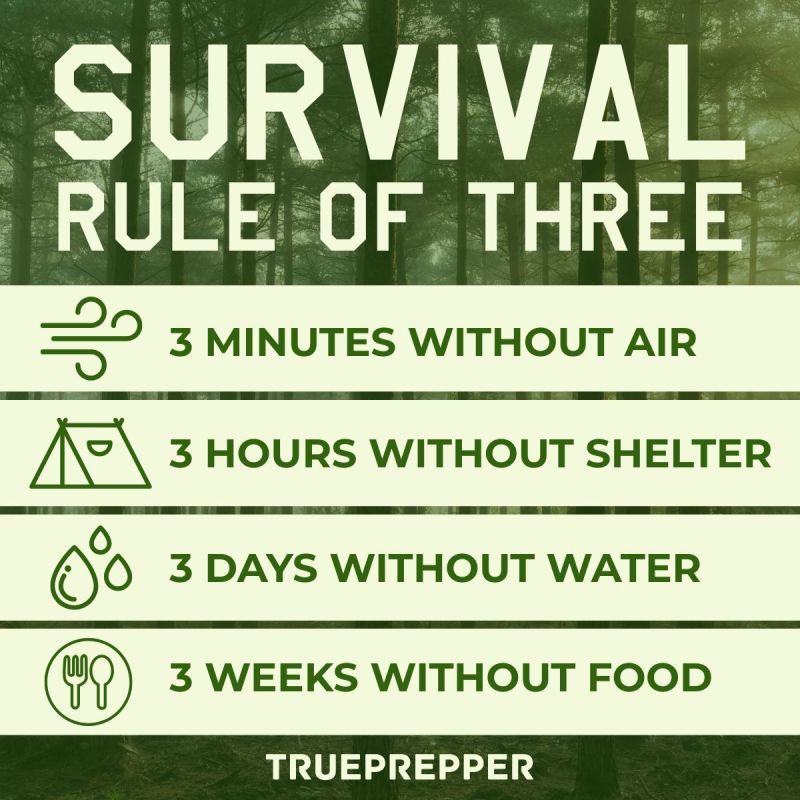
Imagine you’re caught outside in a heavy downpour with no shelter in sight. How long could you really survive in the rain?
You might think it’s just about getting wet, but the truth is far more serious. Your body struggles to stay warm, dry, and safe in harsh weather. Knowing what happens to you without shelter can make all the difference between staying healthy or facing real danger.
Keep reading to discover how long you can last in the rain and what you can do to protect yourself when shelter is nowhere near.

Credit: www.outdoorlife.com
Survival Time Without Shelter
Survival time without shelter in the rain depends on many things. Shelter protects from cold, wetness, and wind. Without shelter, the body loses heat faster. This can lead to serious health risks. Understanding how long one can last helps in planning and staying safe.
Factors Affecting Survival
- Temperature: Cold weather speeds up heat loss.
- Wind: Wind increases the feeling of cold, called wind chill.
- Clothing: Wet clothes cause faster body heat loss.
- Physical condition: Stronger people may last longer.
- Access to food and water: Energy helps maintain body heat.
- Duration of rain: Longer exposure means higher risk.
Impact Of Rain On Health
Rain soaks clothes and skin, causing rapid heat loss. Wetness lowers body temperature and can cause hypothermia. Hypothermia happens when the body gets too cold to function. It leads to confusion, weakness, and even loss of consciousness.
Rain also raises the chance of infections and illnesses. Prolonged exposure can cause pneumonia and other respiratory problems. Staying dry is crucial to avoid these dangers.
Risks Of Exposure To Rain
Exposure to rain without proper shelter poses serious health risks. Wet clothes and skin lose heat quickly. The body struggles to stay warm and dry. This can lead to dangerous conditions and weaken the immune system. Understanding these risks helps you stay safe in wet weather.
Hypothermia Dangers
Hypothermia happens when body temperature drops too low. Rain makes it easier to lose heat fast. Cold and wet conditions cause shivering and confusion. Without shelter, hypothermia can develop within hours. It affects the heart, brain, and lungs. Early signs include numbness and tiredness. Staying dry is key to preventing hypothermia.
Increased Illness Risk
Wet skin and clothes lower the body’s defenses. Cold and damp conditions help germs spread quickly. Common illnesses include colds, flu, and pneumonia. Prolonged rain exposure can worsen existing health problems. Children and older adults face higher risks. Keeping dry and warm helps protect against sickness.
Signs Of Hypothermia
Survival without shelter in rain is tough. Hypothermia signs include shivering, confusion, and slurred speech. Seek warmth quickly.
Experiencing heavy rain without shelter can quickly lead to hypothermia, a dangerous condition where your body loses heat faster than it can produce it. Recognizing the signs of hypothermia is crucial for survival. Swift action can make all the difference.Early Symptoms
In the initial stages, hypothermia can be subtle. You might start to shiver uncontrollably, which is your body’s first line of defense against the cold. Your hands may become numb and clumsy, making simple tasks difficult. You may also feel confused or have trouble speaking clearly. These early symptoms are your body’s cry for help. Ignoring them can lead to more severe consequences.Advanced Symptoms
As hypothermia progresses, the symptoms become more severe and life-threatening. Shivering might stop, which is a serious warning sign. Your skin can turn pale or even blue, indicating that your body is struggling to circulate blood effectively. You might start feeling extremely fatigued or even sleepy, which can be dangerous if you’re alone. In extreme cases, you can lose consciousness or even slip into a coma. Have you ever been caught in a downpour without a proper coat or shelter? It’s a stark reminder of how unprepared we can be for nature’s challenges. Understanding these signs can prepare you to act quickly and seek help, potentially saving your life.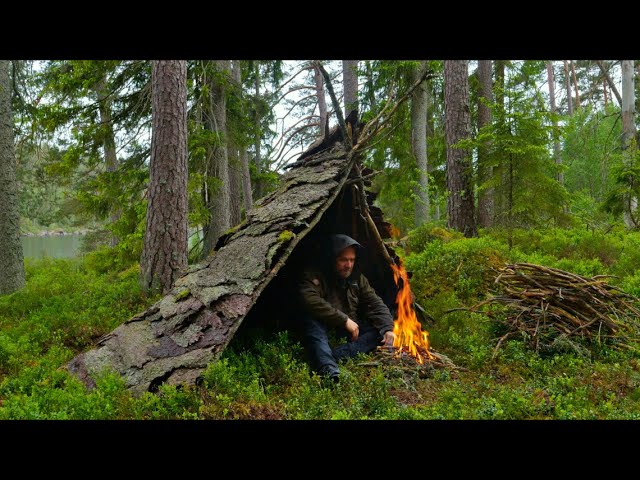
Credit: www.youtube.com
Essential Shelter Options In Rain
Finding shelter in the rain is crucial for your survival and comfort. Staying dry helps maintain your body temperature and prevents hypothermia. Let’s look at shelter options that can protect you from rain, using what’s around you or materials you can quickly put together.
Natural Shelters
Natural shelters can be lifesavers when you have no gear. Look for dense tree clusters with thick leaves that block rain. Rock overhangs or caves also provide solid protection, but check for animal activity before settling in.
Leaves and branches can form a decent roof if arranged well. Imagine crouching under a large tree branch with leaves angled to let water run off. It’s simple but effective.
Are you aware that fallen logs can shield you from rain and wind? Placing yourself beside or under a fallen log can create a windbreak and keep you drier.
Improvised Shelters
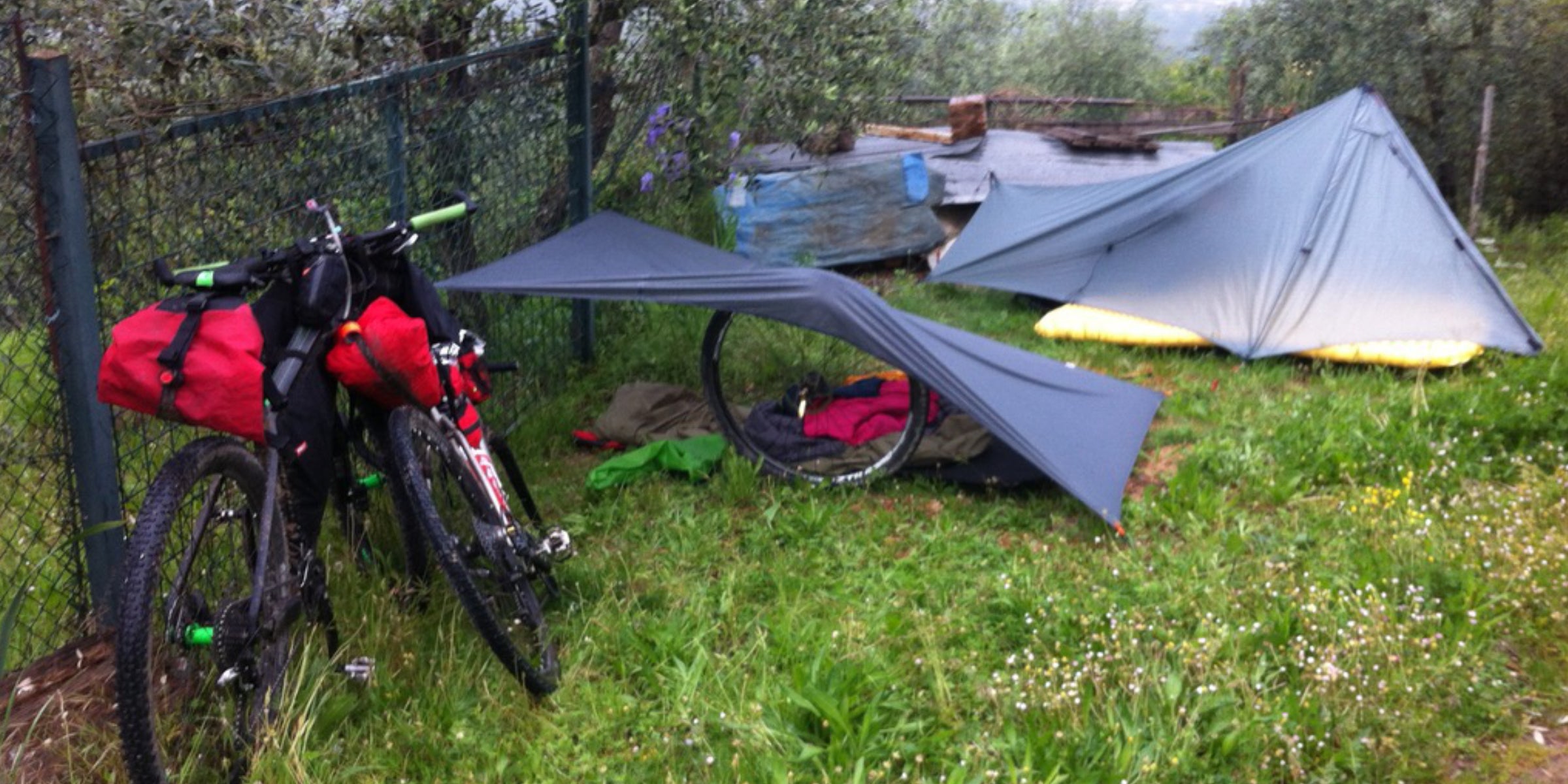
If natural options are limited, you can build a shelter with basic materials. Use a tarp, poncho, or even large plastic bags to create a quick rain barrier.
Try a lean-to shelter by propping one side of a tarp or branches against a sturdy object like a tree. This directs rain away from your body and gives you dry space to rest.
- Secure the edges of your shelter with rocks or dirt to keep wind and rain out.
- Elevate your shelter floor with leaves or pine needles to stay off the wet ground.
- Angle your shelter so water flows away, preventing puddles from forming inside.
Have you ever tried building a shelter with just what you found on the ground? It can be surprisingly quick and effective if you focus on blocking rain and wind first.
Clothing And Gear Tips
Surviving in the rain without proper shelter challenges your body’s ability to stay dry and maintain warmth. Your clothing and gear become your first line of defense against the elements. Choosing the right materials and using smart layering can make a huge difference in how long you can withstand wet conditions.
Waterproof Materials
Not all waterproof gear is created equal. Look for fabrics like Gore-Tex or eVent that block water but still let sweat escape. This keeps you dry from both rain and your own moisture.
Simple rain ponchos might keep water off, but they can trap sweat, making you colder over time. Investing in a quality waterproof jacket with sealed seams can prevent leaks during heavy downpours.
Think about your footwear too. Waterproof boots or shoes protect your feet from soaking, which helps avoid blisters and cold-related injuries. Have you checked if your gear really keeps water out during a real storm?
Layering Strategies
Layering is about more than just piling on clothes. Start with a moisture-wicking base layer to pull sweat away from your skin. This prevents you from getting chilled once rain stops or slows down.
Add an insulating mid-layer like fleece or wool to trap warmth. Both materials dry faster than cotton, which loses insulating power when wet. Finally, top it off with your waterproof outer layer to shield you from rain and wind.
Adjust layers based on how hard you’re working. If you’re moving a lot, you might want fewer layers to avoid overheating. How often do you check and adapt your layers when caught in wet weather?
Fire And Warmth Techniques
Fire and warmth are crucial for survival in rain. They provide heat, comfort, and a way to dry clothes. Fire also keeps wild animals away. Knowing how to start and maintain fire in wet conditions can save your life.
Starting A Fire In Wet Conditions
Wet conditions make fire-starting harder but not impossible. Look for dry materials under trees or rocks. Use dry bark, pine needles, or small twigs.
- Gather a lot of tinder, kindling, and fuel wood.
- Use a knife to shave dry wood from inside branches.
- Create a small shelter for your fire to protect it from rain.
- Try the “teepee” or “log cabin” fire structure for better airflow.
- Use fire starters like cotton balls with petroleum jelly or commercial fire sticks.
- Strike a waterproof match or use a lighter carefully.
- Blow gently at the base of the fire to help it grow.
Maintaining Body Heat
Fire alone is not enough. Keeping your body warm is vital. Wet clothes lose their insulating power fast. Change into dry clothes if possible.
- Keep moving to stimulate blood flow.
- Use layers of clothing to trap heat.
- Cover your head and hands, where heat escapes quickly.
- Build a windbreak with branches or rocks near the fire.
- Stay close to the fire but avoid burns.
- Eat high-energy foods to fuel your body heat.
- Keep your shelter dry and insulated from the cold ground.
Waterproofing And Staying Dry
Staying dry in the rain is critical for survival without shelter. Wet clothes and gear can cause hypothermia quickly. Waterproofing helps protect your body and supplies from moisture. It improves comfort and keeps you healthier in harsh conditions.
Simple waterproof materials can block rain and wind. Understanding how to use them effectively can extend your survival time. Focus on creating a dry space and keeping important items safe from water damage.
Using Tarps And Plastic Sheets
Tarps and plastic sheets are lightweight and easy to carry. They provide a quick barrier against rain. Stretch a tarp between trees or over your head to create a dry area. Secure edges with rocks or stakes to stop wind-driven rain.
Plastic sheets work well for covering the ground or building a temporary shelter. Layer them to improve water resistance. Make sure water runs off and does not pool on top. A sloped setup helps rainwater flow away from your shelter.
Protecting Important Items
Keep gear and supplies dry to avoid damage. Use waterproof bags or wrap items in plastic. Store food, clothing, and electronics off the wet ground. Elevate containers on rocks or branches if possible.
- Double bag important items for extra protection.
- Seal openings tightly to prevent water entry.
- Check for leaks regularly during heavy rain.
- Keep spare clothes in dry bags for emergencies.
Maintaining dry equipment ensures you stay healthy and prepared. It prevents loss of vital resources and helps you last longer without shelter in rain.
Emergency Survival Supplies
Emergency survival supplies are vital for staying safe during unexpected rain or storms. These items protect you from harsh weather and help maintain body heat. Proper supplies increase your chances of survival without shelter.
Carrying the right gear prepares you for sudden rain. Supplies should be lightweight, compact, and easy to use. Focus on essentials that provide warmth, dryness, and basic needs like food and water.
Must-have Items
- Waterproof tarp or emergency blanket to stay dry
- Rain poncho or waterproof jacket for protection
- Compact sleeping bag or insulated blanket to keep warm
- Water bottle or hydration system to stay hydrated
- Non-perishable snacks for energy during emergencies
- Fire starter kit for warmth and signaling
- Multi-tool or knife for various survival tasks
- First aid kit for minor injuries
- Flashlight or headlamp with extra batteries
Packing Tips
- Choose lightweight and waterproof containers or bags
- Organize items by priority and accessibility
- Use compression sacks to reduce volume
- Keep food and water separate from electronics
- Check and replace expired or damaged supplies regularly
- Practice packing to improve speed and efficiency
- Include a small map and compass for navigation
Navigating And Signaling For Help
When you’re caught in the rain without shelter, finding your way and alerting others becomes crucial. Your ability to move safely and signal effectively can make the difference between being stranded and being rescued. Understanding how to navigate wet, slippery terrain and how to grab attention in adverse conditions is essential for survival.
Safe Movement In Rain
Rain makes surfaces slick and visibility poor, so you need to tread carefully. Avoid steep slopes or rocky areas where slipping can cause injury. Instead, choose stable, flat ground whenever possible.
Keep your steps slow and deliberate. Use a sturdy stick or branch to test the ground ahead—this helps you avoid hidden holes or slippery patches. If you have a waterproof jacket or any covering, use it to shield your eyes from heavy rain and maintain better sight.
Think about your destination before moving. Are you heading toward a road, open field, or higher ground? Prioritize paths that are easier to follow and offer better chances of being spotted.
Effective Signaling Methods
Rain can drown out sounds and obscure visual signals, so your signaling needs to be clear and persistent. Start with loud, rhythmic calls or whistles—sounds carry better than you might expect, especially if you use a pattern like three short blasts.
Visual signals are equally important. Use bright clothing or objects to create contrast against the gray backdrop. Waving a brightly colored jacket or tying fabric to a stick can catch the eye of rescuers or passersby.
If you have access to a mirror or any reflective surface, use it to flash sunlight or artificial light toward open areas. Even a small light source can draw attention when reflected sharply.
Consider creating ground signals in open spaces using rocks, sticks, or footprints arranged in clear shapes like an SOS or arrows pointing to your location. These signals can be seen from the air or at a distance, increasing your chances of rescue.
Credit: alpkit.com
Frequently Asked Questions
How Long Can Humans Survive Without Shelter In Rain?
Survival time varies by conditions but typically ranges from a few hours to a day. Prolonged exposure causes hypothermia and illness. Staying dry and insulated increases survival chances. Finding natural cover or creating a makeshift shelter is crucial for protection.
What Health Risks Arise Without Shelter In Rain?
Exposure to rain causes hypothermia, respiratory infections, and weakened immunity. Wet clothing lowers body temperature rapidly. Prolonged dampness can lead to skin infections. Immediate shelter or drying off prevents severe health issues and improves survival odds.
How Does Rain Impact Survival Without Shelter?
Rain increases heat loss and lowers body temperature quickly. It causes discomfort, reduces energy, and impairs decision-making. Wet conditions make it harder to maintain warmth and morale. Seeking shelter or waterproof coverings is essential to avoid these risks.
Can You Build Shelter Quickly To Survive Rain?
Yes, simple shelters like lean-tos or debris huts can be built fast. Using natural materials or tarps helps block rain and wind. Quick shelter construction significantly improves warmth and survival chances during rain exposure.
Conclusion
Surviving in rain without shelter is tough and risky. Wet clothes lower body heat fast. Staying dry helps keep energy and strength. Finding or making shelter should be a top priority. Even a small cover makes a big difference. Rain can lead to sickness if ignored.
Always prepare and respect nature’s power. Your safety depends on quick action and smart choices. Shelter is not just comfort; it can save your life.