Have you ever wondered how many Hackman Survival Knives were actually made? If you’re a collector, outdoor enthusiast, or just curious, knowing the number can change how you see this legendary tool.
This isn’t just about a knife—it’s about history, rarity, and value. Stick with me, and you’ll discover facts that might surprise you and give you a new appreciation for the Hackman Survival Knife. Ready to uncover the story behind this iconic blade?
Let’s dive in.
Credit: www.ebay.com
Hackman Survival Knife Origins
The Hackman Survival Knife has a fascinating origin that blends Finnish craftsmanship with practical design. Understanding where it came from helps you appreciate why it was made and how many units might have been produced. Let’s take a closer look at the company behind the knife and what made its design stand out.
Company Background
Hackman is a Finnish company known for its high-quality steel products. Established in the late 18th century, Hackman earned a reputation for durable kitchenware before branching into outdoor and survival gear.
The survival knife emerged during the mid-20th century when outdoor activities gained popularity. Hackman aimed to create a tool that was both reliable and affordable for adventurers and professionals alike.
Design And Features
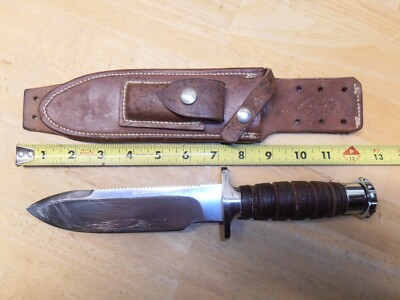
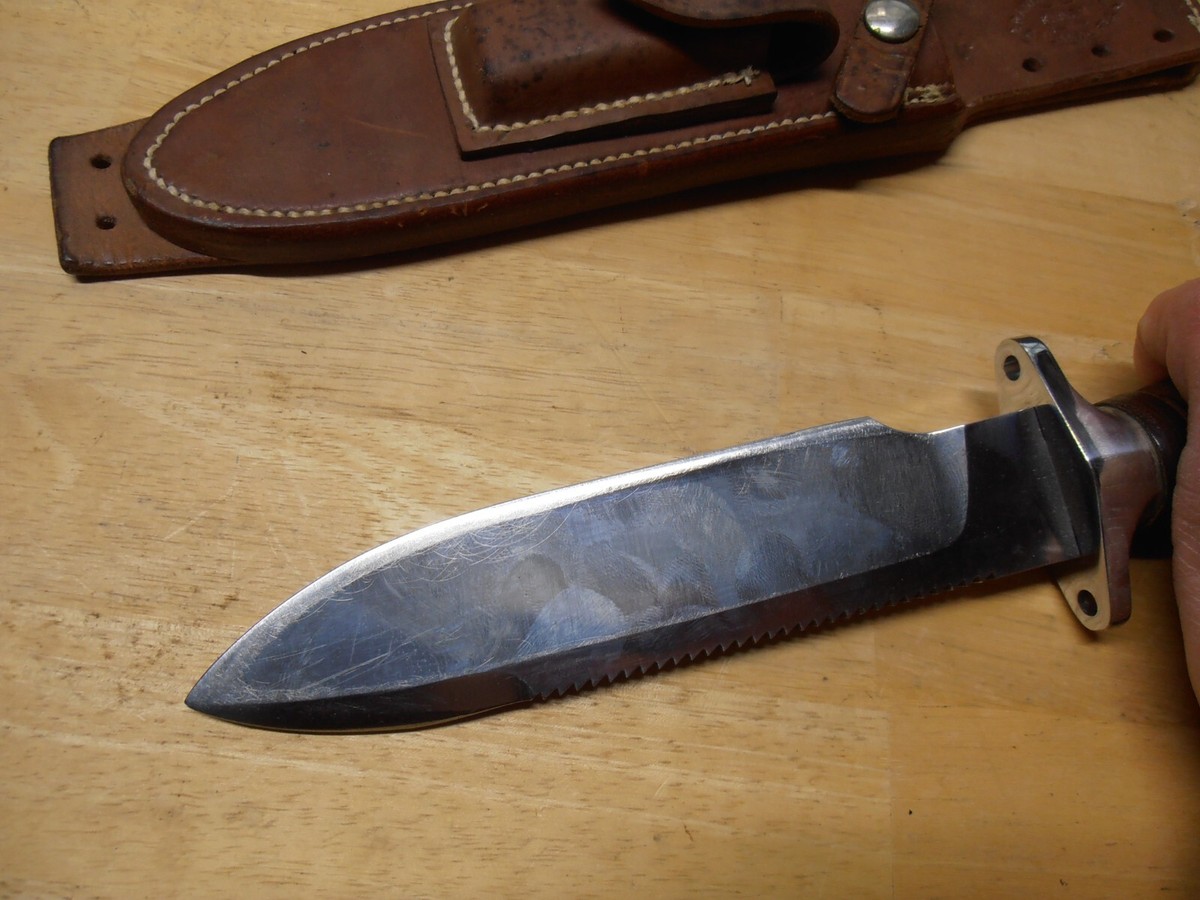
The Hackman Survival Knife is known for its sturdy, full-tang blade made from stainless steel. This ensures the knife can handle tough tasks like cutting wood, preparing food, or even self-defense.
Its design includes a comfortable handle, often made from durable materials like plastic or rubber, giving you a secure grip even in wet conditions. The blade shape is versatile, making the knife suitable for a variety of survival situations.
Have you ever wondered how a knife’s design can directly affect your safety and efficiency outdoors? The Hackman Survival Knife balances simplicity with functionality, making it a favorite for many survival enthusiasts.

Credit: www.ebay.com
Production Timeline
The production timeline of Hackman Survival Knives reveals important insights into their availability and rarity. Understanding when and how these knives were made helps collectors and outdoor enthusiasts appreciate their value. The timeline marks key phases of manufacturing and design changes.
Initial Manufacturing Years
Hackman Survival Knives began production in the early 1970s. The knives were crafted in Finland, known for skilled metalwork. Early models featured strong carbon steel blades and wooden handles. These first years set the quality standard for the brand.
Production during this period was relatively limited. Each knife was made with care, targeting outdoor survival users. The knives quickly gained a reputation for durability and sharpness.
Changes In Production
In the late 1980s, Hackman updated its designs and manufacturing methods. Stainless steel blades replaced some carbon steel versions. Handle materials evolved to include synthetic options for better grip and weather resistance.
Mass production increased, allowing wider distribution. This shift also led to variations in quality and design details. Collectors often seek early models due to their craftsmanship and original materials.
Estimated Number Of Knives Made
The estimated number of Hackman survival knives made is a topic that interests many collectors and outdoor enthusiasts. Knowing the total production helps understand the knife’s rarity and value. The exact figure remains unclear due to limited official data and varying reports.
Several sources provide clues to the total count. These include official records, insights from collectors, and estimates from the knife industry. Each source offers a different perspective on how many Hackman survival knives exist.
Official Records
Official manufacturing records from Hackman are scarce. The company produced survival knives mainly during the mid-20th century. Exact production numbers were not widely published. Some internal documents suggest tens of thousands were made. However, no confirmed, detailed records are available to the public.
Collector Insights
Collectors often track the knives through serial numbers and production marks. Many report seeing a wide range of models and batches. Some rare versions suggest limited runs within the total production. Collector forums and clubs share estimates based on knife sightings and sales. These insights hint at a production figure between 20,000 and 50,000 knives.
Industry Estimates
Knife experts and industry analysts provide their own numbers. They consider market availability and historical context. Industry estimates often align with collector data. Many agree that Hackman survival knives were produced in modest quantities. The general consensus places the total production near 30,000 units.
Credit: www.ebay.com
Factors Affecting Production Numbers
The production numbers of Hackman survival knives depend on several factors. Each factor plays a critical role in determining how many knives are produced. Understanding these factors can provide insight into production variations.
Market Demand
Market demand significantly influences production numbers. High demand boosts production rates. If fewer people want the knives, production slows down. Trends and consumer preferences can shift demand quickly. Manufacturers must adapt to these changes to meet customer needs. Limited editions or special releases can also affect demand.
Material Availability
Material availability is crucial for production. Quality steel and other materials must be in stock. Shortages can halt or slow production. Suppliers play a key role in maintaining the supply chain. Delays in material delivery can impact the number of knives produced. Consistent material quality is important for maintaining production standards.
Manufacturing Challenges
Manufacturing challenges can limit production numbers. Technical issues or equipment failures can cause delays. Skilled labor is essential for efficient knife production. Training and retaining skilled workers are vital for smooth operations. Compliance with safety and quality standards can also impact production. These challenges need addressing to ensure steady production flow.
Identifying Authentic Hackman Survival Knives
Identifying authentic Hackman survival knives requires attention to detail. These knives have distinct features that set them apart from imitations. Knowing what to look for helps collectors and users ensure they own a genuine piece.
Authentic Hackman knives show specific markings, design traits, and quality finishes. Fake versions often miss these subtle but important details. This section explains how to spot real Hackman survival knives.
Markings And Stamps
Genuine Hackman knives carry clear and consistent markings. The blade usually has the “Hackman” name stamped near the handle. The font is sharp and even, without smudges or misspellings.
Look for the country of origin, often “Finland,” stamped on the blade. Serial numbers or model codes may appear on some versions. These marks are deeply etched, not just painted or lightly engraved.
Design Variations
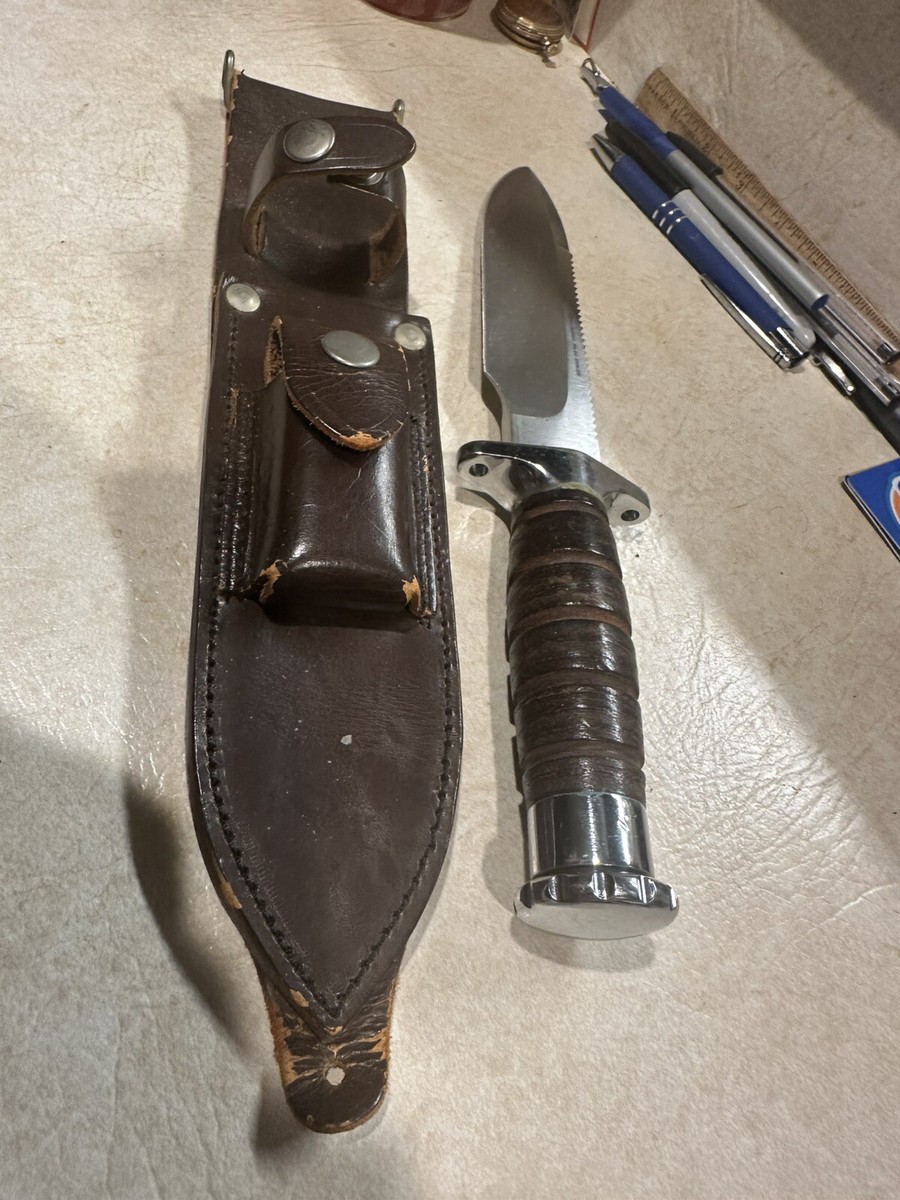
Hackman survival knives come in a few design styles. The blade shape is typically straight with a sharp point and a sturdy spine. Handles often use durable materials like wood or hard plastic with a textured grip.
The knife’s sheath is made of thick leather or tough synthetic material. Original sheaths fit the knife snugly and have secure straps or snaps. Variations in color or size are minimal across authentic models.
Common Counterfeits
Fake Hackman knives often have blurry or incorrect markings. The blade may feel lighter or made from lower-quality metal. Handles on counterfeits might look cheap or have poor craftsmanship.
Sheaths on counterfeit knives tend to be loose or made from flimsy materials. The blade shape might be off, too thick or thin compared to real models. These differences help identify fakes quickly.
Value And Rarity Today
The value and rarity of Hackman Survival Knives have grown over time. Collectors prize these knives for their history and durability. The limited number made adds to their rarity. Finding one in good condition is a challenge. This scarcity directly impacts their market value.
Collector Market Trends
Collectors focus on original models with intact features. Condition plays a key role in pricing. Knives with original sheaths and packaging fetch higher prices. Interest in vintage survival knives has increased steadily. Online forums and collector groups share knowledge. This helps buyers identify authentic pieces. The demand remains strong among military and outdoor enthusiasts.
Auction Results
Recent auction sales show rising prices for Hackman knives. Some models have sold for several hundred dollars. Rare variations can exceed typical price ranges. Auctions provide transparent market data for collectors. Bidders often compete for knives in excellent condition. Auction houses list detailed descriptions and photos. This helps build trust and attracts serious buyers.
Legacy Of Hackman Survival Knives
The legacy of Hackman Survival Knives goes beyond just the number produced. These knives carved a niche in the survival community, proving their worth through durability and practical design. Understanding their impact helps you appreciate why collectors and outdoor enthusiasts still seek them out today.
Impact On Survival Gear
Hackman knives set a high standard for survival tools in their time. Their robust construction meant users could rely on them in tough outdoor conditions without worry. If you’ve ever struggled with a flimsy knife during a camping trip, you’ll understand why Hackman’s reliability made a difference.
The knives were more than just cutting tools; they became essential survival companions. Their versatility allowed users to perform various tasks like cutting rope, preparing food, and even making shelter. This practicality influenced how survival gear was designed afterward, focusing on multipurpose use.
Influence On Modern Designs
Many modern survival knives borrow design cues from Hackman models. The balance between blade toughness and handle comfort is something today’s makers continue to prioritize. Have you noticed how some newer knives feel just right in your hand? That’s a trait Hackman helped popularize.
Additionally, the emphasis on materials that resist rust and wear traces back to innovations seen in Hackman knives. Manufacturers now aim to create knives that last through harsh environments, just like Hackman did decades ago. This legacy pushes you to expect more from your survival gear, ensuring it won’t fail when you need it most.
Frequently Asked Questions
How Many Hackman Survival Knives Were Produced?
Approximately 50,000 Hackman Survival Knives were produced during their manufacturing period. This number reflects their limited availability and collectible status.
When Were Hackman Survival Knives First Made?
Hackman Survival Knives were first produced in the early 1960s. They gained popularity for their durability and practical design.
Why Are Hackman Survival Knives Collectible?
Their limited production and unique design make Hackman knives highly collectible. Vintage models are especially sought after by knife enthusiasts.
What Materials Were Used In Hackman Survival Knives?
Hackman knives typically featured high-quality stainless steel blades with wooden or plastic handles. This combination ensured durability and grip.
Conclusion
The exact number of Hackman Survival Knives made remains a mystery. Collectors and fans still search for clear answers. These knives hold value because of their rarity and history. Each piece tells a story of survival and skill. Knowing the production count helps appreciate their uniqueness.
The Hunt for details continues among enthusiasts worldwide. This curiosity keeps the legacy of Hackman knives alive. Whether for use or collection, their charm endures. The story behind these knives matters to many people.