Have you ever wondered how much food you really need to keep safe during an emergency? Knowing the right amount can make a huge difference when things get tough.
Too little food leaves you unprepared, while too much can cause unnecessary stress and waste. You’ll discover simple, practical tips to help you plan your emergency food supply. By the end, you’ll feel confident that you have enough to protect yourself and your loved ones—without going overboard.
Keep reading to find out exactly how to get it right.
Estimating Food Needs
Estimating food needs for an emergency requires careful thought and planning. The right amount depends on several factors. These include how many people you are feeding, how long the emergency might last, and any special diet needs. Planning well ensures everyone stays safe and healthy.
Calorie Requirements Per Person
Each person needs a certain number of calories every day. Adults usually need between 1,800 and 2,500 calories. Children and seniors may need less. Active people need more calories than those who are less active. Plan for an average of 2,000 calories per person per day to be safe.
Duration Of Emergency Planning
Decide how long your emergency supplies should last. Common plans cover 3 days, 2 weeks, or even a month. Longer plans mean more food storage space is needed. It is smart to prepare for at least two weeks. This covers most situations and gives time to get help.
Special Dietary Considerations
Some people need special diets in emergencies. These include babies, pregnant women, and those with medical conditions. Consider allergies, diabetes, or gluten intolerance. Stock up on foods that meet these needs. Label and separate these items to avoid mix-ups.
Types Of Emergency Foods
Choosing the right types of emergency foods is key for preparedness. Food must last long and provide good nutrition. Different foods serve different needs in emergencies. It helps to know the options available. This knowledge makes food storage smarter and more efficient.
Non-perishable Staples
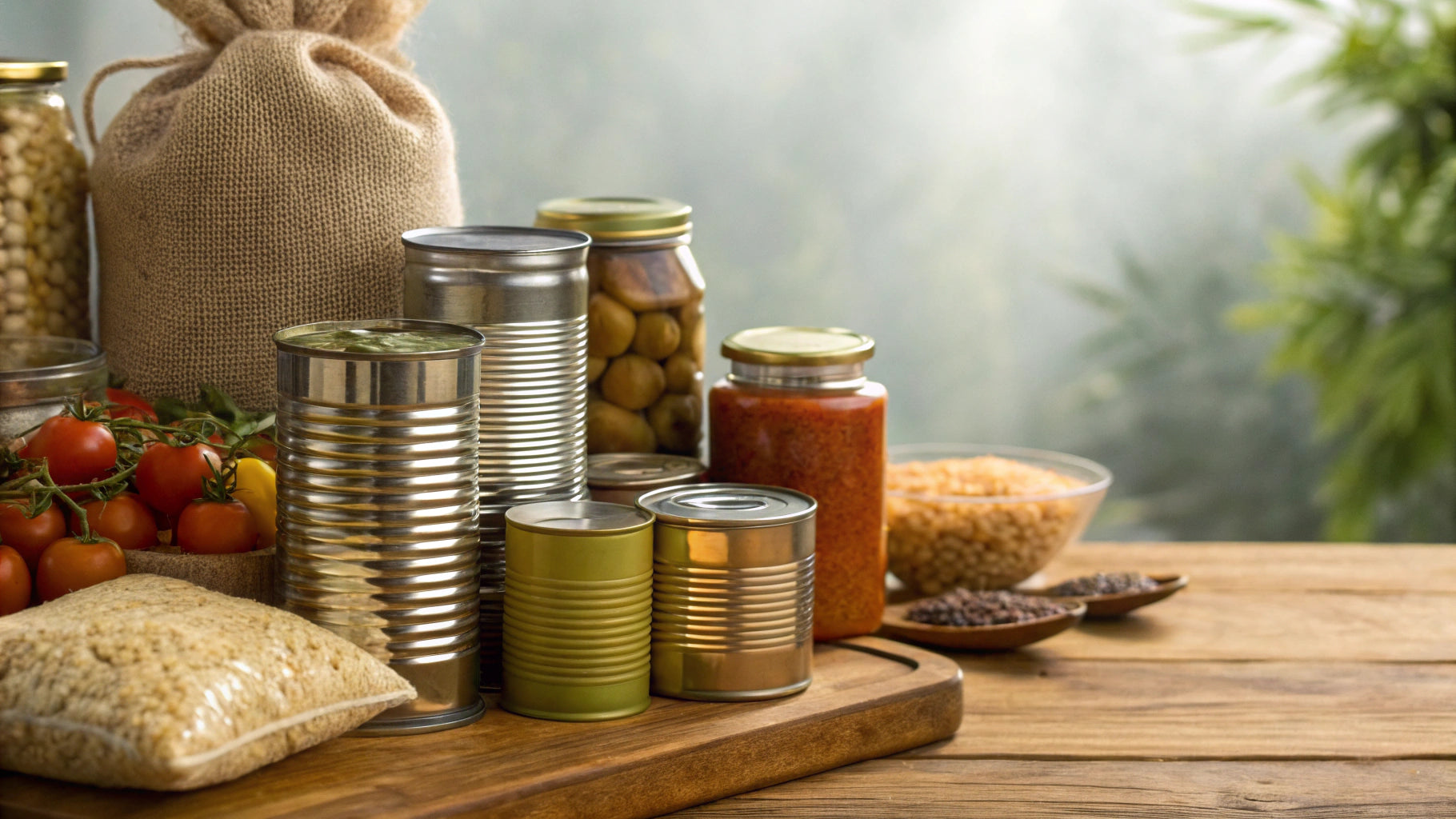
Non-perishable staples last a long time without spoiling. Examples include rice, beans, pasta, and canned goods. These foods are affordable and easy to store. They provide energy and essential nutrients. Keep a variety to avoid diet fatigue. Store them in a cool, dry place. Rotate stock to keep it fresh.
Freeze-dried And Dehydrated Options
Freeze-dried and dehydrated foods lose water to extend shelf life. They weigh less and take up less space. These foods quickly rehydrate with water. Ideal for long-term storage and emergency kits. Examples include fruits, vegetables, and full meals. Nutrients stay mostly intact during processing. They offer convenience and good nutrition.
Ready-to-eat Meals
Ready-to-eat meals are fully cooked and packaged for quick use. No cooking or water needed. Perfect for immediate eating in tough situations. Examples include MREs (Meals Ready to Eat) and canned soups. They have a long shelf life. Easy to carry and consume on the go. Keep some for short-term emergencies.
Storage And Shelf Life
Preparing for emergencies requires careful planning of your food supply. Storing food properly ensures it stays safe and nutritious. Understanding shelf life helps you decide what to store. Regularly rotating your stock keeps your food fresh.
Proper Storage Conditions
Store food in a cool, dry place. Heat and moisture can spoil food quickly. Use airtight containers to protect against pests and humidity. Keep the storage area clean and organized. Check for signs of damage or spoilage regularly.
Shelf Life Of Common Emergency Foods
Canned goods can last several years if stored correctly. Dried beans and grains, like rice, have a long shelf life. They can last up to two years. Freeze-dried meals and dehydrated fruits are also good choices. They can last up to 25 years. Check expiration dates on all packages before purchase. Rotate items nearing expiration into your regular meals.
Rotating Your Food Supply
Set up a rotation system to use older items first. This prevents waste and keeps supplies fresh. Mark purchase dates on packages with a permanent marker. Use the “first-in, first-out” method to manage your stock. Regularly update your inventory list. Replace used items promptly to maintain your supply levels.
Water And Hydration Needs
Water is essential for survival during an emergency. Staying hydrated keeps your body functioning well. Lack of water can cause serious health problems. Planning your water supply is as important as food storage. Understanding your daily water needs helps you prepare wisely.
Daily Water Requirements
Each person needs about one gallon (3.8 liters) of water per day. This amount covers drinking, cooking, and basic hygiene. Children and elderly may need less, but plan for safety. Hot weather or physical activity increases water needs. Always store extra water to avoid shortages.
Water Storage Tips
- Use food-grade water containers with tight lids.
- Keep water in a cool, dark place to prevent algae growth.
- Label containers with the date of storage.
- Replace stored water every six months for freshness.
- Sanitize containers before filling with water.
Alternative Hydration Sources
In emergencies, bottled water may run out. Collect rainwater if safe and legal in your area. Boil or treat water from natural sources before use. Store water-rich foods like fruits and vegetables for hydration. Avoid sugary or caffeinated drinks, as they can dehydrate.
Meal Planning And Preparation
Planning and preparing meals for an emergency requires more than just storing large amounts of food. You need to think about how to keep your meals nutritious, manageable, and easy to prepare when resources are limited. Careful meal planning helps you avoid waste and ensures you have enough energy to get through tough times.
Balancing Nutrition And Variety
Eating the same food repeatedly can make any situation harder. Your body needs a mix of proteins, carbohydrates, fats, vitamins, and minerals to stay strong. Try to stock foods that cover different food groups like canned beans, rice, nuts, dried fruits, and powdered milk.
Include some comfort foods too, like chocolate or instant coffee. They can boost morale when stress is high. Ask yourself: Are you prepared to eat balanced meals that keep your energy up without getting bored?
Cooking Without Power
Cooking can be a challenge if the electricity or gas goes out. Think about meals that require little to no cooking, such as canned soups, ready-to-eat meals, or nut butters with crackers. If you have a camping stove or portable grill, it can expand your options significantly.
Remember, cooking outside your usual kitchen means you must keep safety in mind. Have plenty of water for cooking and cleaning. What simple cooking tools could you rely on when power is gone?
Portion Control Strategies
It’s easy to eat more than you need, especially when food feels scarce. Portion control helps stretch your supplies and prevents running out too soon. Use small containers or measure portions ahead of time to avoid guessing.
Try dividing bulk items into daily portions. Label them with the date and number of servings. This method keeps you organized and reduces stress about how much food is left. How can you adjust your portions to fit your energy needs without wasting food?

Credit: www.goodhousekeeping.com
Special Considerations
Special considerations play a vital role in planning emergency food supplies. Each group has unique needs that affect the type and amount of food to store. Paying attention to these needs ensures everyone’s safety and health during emergencies. Proper planning avoids shortages and discomfort for those with special dietary needs.
Feeding Children And Infants
Children and infants require food that supports growth and development. Their diets need more calories and nutrients per pound than adults. Store age-appropriate foods like formula, baby cereals, and pureed fruits. Keep extra supplies of water for mixing infant formula. Include snacks that are easy to digest and familiar to them. Avoid foods with choking hazards or high sugar content. Rotate supplies regularly to maintain freshness and safety.
Caring For Elderly And Disabled
Elderly and disabled individuals may have difficulty chewing or swallowing. Soft, easy-to-eat foods are best, such as canned soups, mashed potatoes, and pudding. Consider special diets like low sodium or diabetic-friendly options. Include supplements like vitamins or protein shakes if needed. Ensure food packaging is easy to open and prepare. Plan for smaller, frequent meals if large portions are hard to manage. Hydration is also crucial for this group.
Pet Food Planning
Pets are family members and need food during emergencies. Store enough pet food for at least two weeks. Choose food that suits your pet’s age, size, and health. Keep dry and canned food sealed and in a cool place. Include fresh water supply for pets. Avoid sudden diet changes to prevent digestive problems. Remember to pack any medications or special treats your pet needs.
Budgeting Your Emergency Food Supply
Planning your emergency food supply means managing your budget wisely. Food for emergencies can add up quickly. Smart budgeting helps stretch your money while building a reliable stockpile. It allows you to prepare without financial stress.
Start by understanding your needs and the amount of food needed. Then, buy items that store well and provide good nutrition. Balance cost and quality to keep your supply practical and affordable.
Cost-effective Buying Tips
- Buy in bulk to save money on staple foods.
- Choose generic brands for similar quality at a lower price.
- Look for sales and discounts on long-lasting foods.
- Purchase non-perishable items like rice, beans, and canned goods.
- Compare prices at different stores and online.
Building Supplies Over Time
Stock your emergency food gradually. Buy a few extra items each shopping trip. This spreads the cost and avoids large upfront expenses. Keep a list of what you have and what to add next. Rotate your supplies to keep food fresh.
Avoiding Waste
- Check expiration dates before buying and storing food.
- Use older supplies first to prevent spoilage.
- Store food in cool, dry places to extend shelf life.
- Buy only what you can realistically consume or replace.
- Consider versatile foods that fit many meals.

Credit: www.youtube.com

Credit: www.forbes.com
Frequently Asked Questions
How Many Days’ Food Should I Store For Emergencies?
Store at least a 3-day food supply for emergencies. Ideally, keep a 2-week supply for better preparedness. This ensures you have enough nutrition during unexpected situations or disruptions.
What Types Of Food Are Best For Emergency Storage?
Choose non-perishable, nutrient-rich foods like canned goods, dried fruits, nuts, and grains. These items have long shelf lives and provide essential energy and nutrients during emergencies.
How Much Water Should I Store With Emergency Food?
Store one gallon of water per person per day. This amount covers drinking, cooking, and basic hygiene needs during emergencies. Water is as crucial as food in survival situations.
Should I Consider Dietary Restrictions In Emergency Food Storage?
Yes, always consider allergies, intolerances, and dietary preferences. Stock suitable alternatives like gluten-free or vegan options. This ensures everyone’s nutritional needs are met safely.
Conclusion
Having enough food for emergencies keeps you safe and ready. Plan for at least three days of meals per person. Choose foods that last long and need little cooking. Store water with your food supplies. Check your stock regularly and replace old items.
Simple steps now save stress later. Preparing well helps you face emergencies calmly. Stay smart, stay prepared.