Imagine being caught in freezing cold with no shelter in sight. Your survival depends on quick thinking and simple skills.
Building a snow shelter can protect you from harsh winds and dropping temperatures. In this guide, you will learn step-by-step how to create a safe, warm space using only snow and basic tools. By mastering this skill, you give yourself a powerful edge in any winter emergency.
Keep reading to discover the secrets that could save your life when it matters most.

Credit: www.youtube.com
Choosing The Right Location
Choosing the right location is key to building a safe snow shelter. The spot affects warmth, safety, and shelter strength. Focus on snow quality, nearby dangers, and wind patterns. These factors help keep you warm and protected.
Assessing Snow Conditions
Check the snow depth before starting. Look for packed snow that holds shape well. Avoid areas with loose, powdery snow. Hard, stable snow blocks are easier to dig and stack. Soft snow can collapse and cause danger.
Test the snow by pressing your hand down. If it holds firm, it’s good for building. Avoid snow near thin ice or melted patches. Consistent snow coverage is best for shelter walls.
Avoiding Hazards
Stay away from steep slopes where avalanches may occur. Avoid places under loose branches or unstable trees. Falling branches can cause injury or damage your shelter. Look for flat ground that is safe and clear.
Watch for hidden ice or holes under the snow. These can cause falls or accidents. Keep distance from frozen lakes unless sure of the ice thickness. Safety comes first in choosing your shelter site.
Considering Wind Direction
Find a spot shielded from the wind. Use natural windbreaks like bushes, rocks, or hills. Position the shelter entrance away from prevailing winds. This reduces cold air entering your shelter.
Facing the door into the wind increases heat loss. Place the shelter behind obstacles to block strong gusts. Proper wind consideration keeps the inside warm and comfortable.
Types Of Snow Shelters
Snow shelters offer vital protection in cold, snowy environments. They block wind, retain body heat, and prevent hypothermia. Different types of snow shelters suit various conditions and skill levels. Understanding each type helps choose the best shelter for survival.
Quinzhee
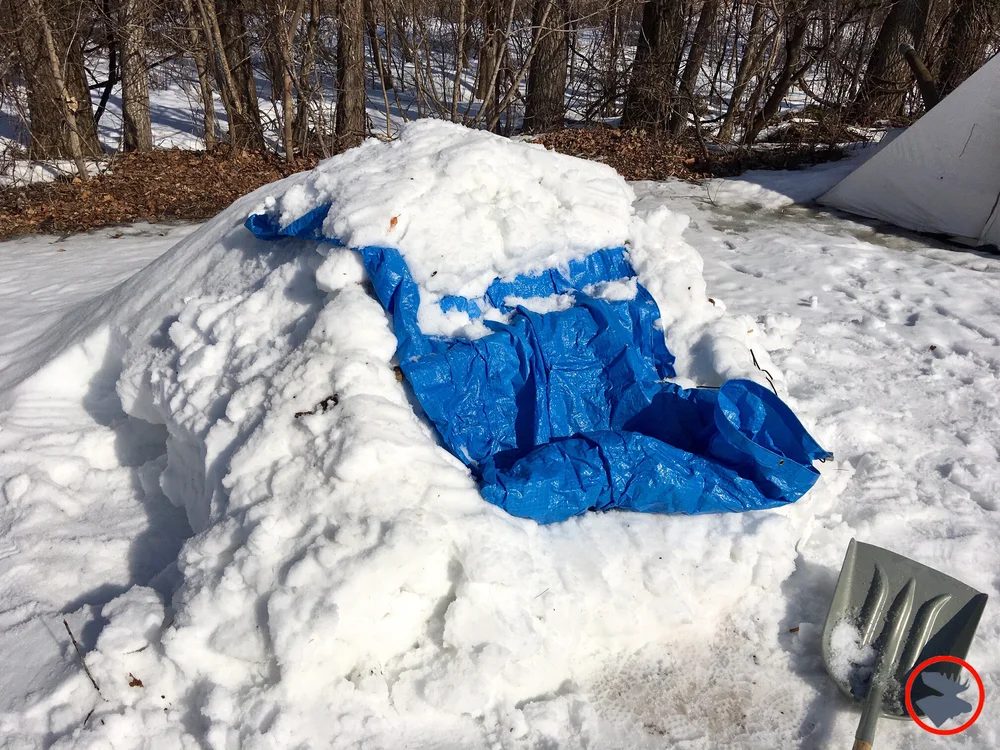
A quinzhee is a simple snow shelter made by piling snow into a mound. After packing it down, hollow out the inside to create a small room. The thick snow walls provide excellent insulation. It requires soft, deep snow and some time to build.
Igloo
An igloo is a dome-shaped shelter built from blocks of hard-packed snow. Each block fits tightly to form a strong, windproof wall. Igloos trap warm air inside, making them very cozy. Building an igloo takes skill and the right snow type.
Snow Cave
A snow cave is dug into a deep snowbank or drift. It offers protection from wind and cold air. The cave must have a small entrance to keep warmth in. Snow caves are quick to build but need solid snow and caution to avoid collapse.
Gathering Tools And Materials
When you’re caught in a snowstorm, having the right tools and materials can make the difference between a successful snow shelter and a cold, uncomfortable night. Gathering what you need is the first step towards building a safe haven in the snow. Let’s dive into the essentials that will help you craft a sturdy shelter.
Essential Equipment
Before you start, make sure your backpack includes a few key items that will simplify your shelter-building process. A sturdy snow shovel is invaluable for digging out your shelter site and shaping walls. If you’re a fan of multi-tools, a foldable saw can come in handy for cutting through ice or clearing away branches.
For extra warmth, pack a thermal blanket or a tarp. These can serve as a roof or a layer of insulation. While you may not always have these items on hand during unexpected situations, having them can significantly enhance your shelter’s effectiveness.
Using Natural Resources
If you find yourself without equipment, don’t fret. Nature often provides all the materials you need. Pine branches can be used as a base for insulation, while snow itself is an excellent building material due to its insulating properties.
Look around for fallen branches or rocks that can be used to reinforce walls or create a makeshift roof. Remember, the best shelters often blend seamlessly with their surroundings, using what’s available in the environment to create a stable and warm refuge.
What other natural materials can you think of using in a pinch? Sometimes the best solutions are right in front of us, just waiting to be discovered.
Step-by-step Construction
Building a snow shelter can be a lifesaver in harsh winter conditions. It’s more than just piling up snow; it’s about creating a safe, warm space that protects you from the cold and wind. Here’s a clear guide to help you build a sturdy snow shelter that will keep you safe and comfortable.
Preparing The Site
Choose a spot with firm, compacted snow—avoid areas with loose powder that can collapse. Clear away any debris like branches or rocks that could poke through your shelter or cause damage. Think about wind direction; position the entrance away from prevailing winds to reduce cold air rushing inside.
Dig a shallow trench if possible. This helps anchor your shelter and provides extra protection from the wind. Have you checked the snow depth? You’ll need at least 2 to 3 feet of snow to build a strong wall.
Building Walls And Roof
Use hard-packed snow blocks cut with a snow saw or a sturdy knife. Shape each block carefully so they fit tightly together, minimizing gaps. Stack the blocks in a circular pattern, leaning slightly inward to create a dome shape.
Don’t rush this step—taking time to fit blocks snugly improves strength and insulation. For the roof, use larger blocks or a flat snow slab. Support the roof as you build, ensuring it can bear weight without collapsing.
Creating Ventilation
Even in freezing conditions, your snow shelter needs airflow to avoid suffocation. Drill a small hole in the roof or upper wall to let fresh air in and carbon dioxide out. Make sure the hole is just big enough to allow airflow but small enough to keep warmth inside.
Check the ventilation hole regularly. You don’t want it to get blocked by snow or ice buildup. Have you considered how you’ll manage airflow if you’re inside for hours?
Insulating The Interior
Line the floor with pine boughs, dry leaves, or a sleeping pad. This adds insulation from the cold ground and keeps you warmer. Avoid sitting or lying directly on snow, as it will quickly drain your body heat.
Keep your gear and clothing inside to dry out and stay warm. You can also create a small raised platform inside the shelter to sleep on, helping you stay off the cold floor. What simple materials around you can improve your shelter’s comfort?
Maintaining Safety Inside
Building a snow shelter is only half the battle; keeping it safe inside is just as crucial. Your shelter must protect you from harsh elements without turning into a hazard itself. Understanding how to manage airflow, prevent collapse, and stay warm and dry can make the difference between comfort and danger.
Managing Airflow
Proper airflow inside a snow shelter prevents carbon dioxide buildup and reduces moisture. Make sure to create a small ventilation hole near the top of the shelter to let fresh air circulate. Avoid blocking this hole with snow or ice, even if it looks tempting to seal it tight for warmth.
I once ignored proper ventilation, and the air inside became heavy and hard to breathe. A simple hole changed everything, keeping the air fresh and my head clear. How often do you check your shelter’s airflow during the night?
Preventing Collapse
The last thing you want is your snow shelter collapsing while you’re inside. Build your walls thick enough—around 12 to 24 inches—to support the roof weight. Use a sturdy support pole or a strong branch in the center to hold up the ceiling.
Keep an eye on temperature changes. Warmer weather can weaken the structure quickly. I learned this the hard way when a thaw caused my shelter to cave in unexpectedly. Can you spot signs of softening snow before it’s too late?
Staying Warm And Dry
Snow shelters are great insulators but staying dry inside is key to maintaining warmth. Use insulating materials like pine boughs or a sleeping pad between you and the snow floor. Change out of wet clothes before entering to avoid moisture buildup inside.
Keep your body heat inside by limiting movement and sealing gaps around the entrance with snow blocks. Once, I underestimated damp clothing’s effect and felt cold despite the shelter. How can you prepare your gear to stay dry during a snowstorm?
Credit: www.bullmoosepatrol.com
Additional Survival Tips
Building a snow shelter is only part of staying safe in harsh winter conditions. Your survival chances increase greatly when you also pay attention to other critical factors. These additional survival tips focus on keeping you warm, safe, and visible until rescue or the weather improves.
Clothing And Gear
Your clothing can make or break your survival effort in snowy environments. Layer your clothing to trap heat efficiently. Start with a moisture-wicking base layer to keep sweat away from your skin.
Wear an insulating middle layer like fleece or down to hold body heat. Always add a waterproof and windproof outer layer to protect against snow and wind chill.
Don’t forget warm gloves, a hat, and insulated boots. I once underestimated gloves on a cold night and lost feeling in my fingers, which slowed my progress. You don’t want that to happen to you.
Fire Building Near Shelter
Building a fire close to your snow shelter is crucial but requires caution. Clear snow around the fire area to prevent melting snow from putting out your flame. Use rocks or logs as a windbreak to keep the fire steady.
Keep the fire at a safe distance to avoid heat melting your shelter’s walls, which can cause collapse. Remember, fire provides warmth, a way to dry clothes, and a morale boost during tough times.
Have dry tinder and kindling ready before you start. What’s your plan if your firewood gets wet? Always prepare backup fuel sources like pine needles or bark shavings.
Emergency Signaling
Signaling can be your lifeline when lost in snowy terrain. Use bright-colored materials like a space blanket or clothing to create visible signals on the snow. Arrange rocks or branches in large, clear shapes that can be seen from the air.
Carry a whistle or mirror for sound and light signals. A whistle’s piercing sound travels farther than shouting, conserving your energy.
Think about how you would attract attention in a whiteout or during a storm. Could your signals still be visible? Always have multiple signaling options ready and know how to use them effectively.

Credit: www.youtube.com
Frequently Asked Questions
What Materials Do I Need To Build A Snow Shelter?
You need a snow shovel, a sturdy snow block cutter, and warm clothing. Use compact snow to build walls and a snow saw to shape blocks. These materials help create a strong and insulated shelter quickly.
How Long Does It Take To Build A Snow Shelter?
Building a basic snow shelter takes about 1 to 3 hours. Time varies based on skill, snow conditions, and shelter size. Efficient planning and proper tools speed up construction for better survival chances.
What Are The Best Snow Shelter Types For Survival?
Quinzhee, igloo, and snow trench shelters are most effective. Quinzhees are easy to build, igloos offer strong insulation, and trenches protect against wind. Choose based on available snow and your skill level.
How Do I Keep Warm Inside A Snow Shelter?
Insulate the floor with pine boughs or clothing. Keep ventilation holes open to avoid carbon monoxide. Use body heat and warm clothing to maintain warmth inside the shelter.
Conclusion
Building a snow shelter can save your life in cold weather. Use the right tools and find good snow. Pack the snow tightly and shape it well. Make sure your shelter has a door and ventilation. Stay calm and work carefully.
Practice this skill before you need it. A strong shelter keeps you warm and safe. Remember, preparation makes survival easier. Keep learning and stay ready for winter adventures. Your safety depends on smart choices.