Imagine being caught outdoors with no proper shelter. How would you keep yourself dry and safe?
Knowing how to build a survival shelter with just a tarp can make all the difference between comfort and danger. This simple skill can protect you from harsh weather and give you peace of mind when you need it most.
In this guide, you’ll learn step-by-step how to create a strong, reliable shelter using only a tarp and basic tools. Keep reading, and you’ll feel confident that you can handle whatever nature throws your way.

Credit: www.youtube.com
Choosing The Right Tarp
Choosing the right tarp is crucial for building a reliable survival shelter. Your tarp acts as the main barrier against weather elements, so it must match your specific needs and environment. Picking the wrong tarp can turn your shelter into a weak spot rather than a safe haven.
Material And Size Options
Tarp materials vary widely, each offering different benefits. Polyethylene tarps are affordable and waterproof but heavier. Nylon and polyester options are lighter and pack smaller, making them excellent for backpacking.
Size matters as much as material. A 6×8 foot tarp suits solo shelters, while a 10×12 foot tarp covers more ground and supports group shelters. Think about your shelter design—will you need extra coverage for a fire pit or gear storage?
Waterproof And Durability Factors
Waterproofing is non-negotiable. Look for tarps with high hydrostatic head ratings, which measure water resistance. A tarp rated above 1500 mm usually handles heavy rain without leaking.
Durability depends on both the fabric and the coating. A ripstop weave prevents small tears from spreading. Reinforced edges and strong grommets make setup easier and prevent wear at stress points.
Ask yourself: how rough will your shelter use be? If you expect rough terrain or frequent setup and takedown, investing in a tarp built to last will save you frustration and keep you dry.
Selecting A Shelter Location
Choosing the right spot for your tarp shelter can make all the difference between a comfortable night and a tough survival experience. Your location affects safety, warmth, and how well your shelter holds up against the elements. Taking time to select a good spot saves energy and keeps you protected.
Finding Natural Protection
Look for places that offer natural barriers like trees, bushes, or rock formations. These can block wind and rain, reducing how much your shelter needs to fight the weather. Position your tarp near a thick stand of trees or behind a large boulder to create a natural shield.
Think about the sun’s path, too. Setting up where the morning sun can warm your shelter helps dry out dampness and keeps you comfortable. Have you noticed how a simple tree line can stop a cold wind from cutting through your shelter? Use that to your advantage.
Avoiding Hazards
Stay clear of low spots that can collect water during rain—no one wants a soggy shelter floor. Also, avoid areas with dead branches overhead that might fall. Take a quick scan upward and around before settling in.
Watch out for animal trails or signs like droppings; these suggest frequent wildlife activity. Setting up too close could bring unwanted visitors. Ask yourself, would you want to camp next to a busy highway? The same logic applies to animal paths.
Essential Tools And Accessories
Essential tools for building a tarp shelter include a durable tarp, strong rope, and sturdy stakes. Accessories like paracord and a knife help secure and shape the shelter quickly. These items make setting up a safe, weatherproof shelter easier in the wild.
Building a survival shelter with a tarp requires not just skill but the right set of tools and accessories. These essential items will ensure your shelter is sturdy, safe, and able to withstand the elements. Whether you’re preparing for a camping trip or a potential emergency, having the right gear can make all the difference. Let’s explore some crucial tools and accessories that will aid you in setting up a reliable tarp shelter.Ropes And Paracord
Ropes and paracord are your best friends in the wilderness. They are lightweight yet incredibly strong, making them ideal for tying your tarp securely. Opt for high-quality, weather-resistant ropes that can withstand harsh conditions. Paracord, in particular, is versatile and can be used for a variety of tasks beyond just shelter building. You can use it for everything from tying knots to creating a makeshift clothesline. Always carry extra lengths of rope and paracord in your survival kit—you never know when you’ll need them.Stakes And Anchors
Stakes and anchors are vital for keeping your tarp grounded, especially in windy conditions. Choose durable stakes that are easy to drive into the ground. Metal stakes are often the go-to choice due to their strength and longevity. In rocky or sandy terrains, traditional stakes might not hold well. This is where anchors come in handy. Use natural anchors like rocks or logs to secure your tarp, ensuring it remains stable and secure. Consider carrying a mix of stakes and anchors to adapt to different environments. When was the last time you evaluated your survival gear? Having these tools at your disposal can transform a challenging situation into a manageable one. Equip yourself wisely, and remember: preparation is key to survival.
Credit: www.youtube.com
Basic Tarp Shelter Designs
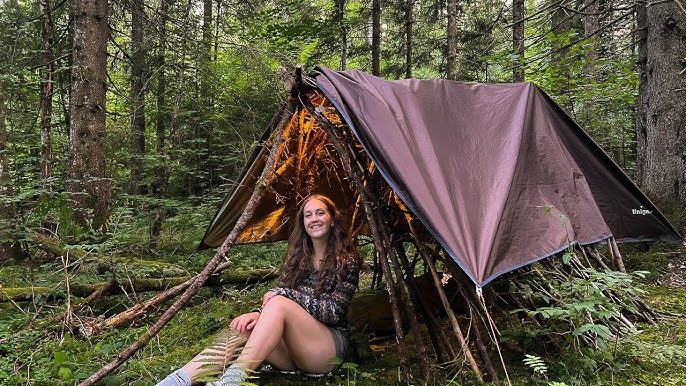
Building a survival shelter with a tarp is a smart skill for outdoor safety. Simple tarp shelters protect from rain, wind, and cold. Basic designs use ropes, trees, or poles to create quick cover. Each shape offers different benefits for comfort and protection.
Choose a design that fits your environment and needs. These shelters need few materials and little time. Understanding basic tarp shelter designs helps you stay safe in many situations.
A-frame Setup
The A-frame shelter is shaped like a triangle. Two poles or trees hold a rope tight between them. The tarp drapes over the rope, forming a roof.
- Provides good rain runoff on both sides
- Easy to build and stable in wind
- Space inside for sleeping and gear
This setup works well in forest areas with trees to tie ropes.
Lean-to Style
The lean-to shelter has one slanting roof side. Tie one tarp edge high on a tree or pole. Anchor the other edge to the ground with stakes or rocks.
- Simple and fast to build
- Open side faces the fire or wind direction
- Good for quick warmth and shelter
This style suits windy or rainy conditions but leaves one side open.
Teepee Configuration
The teepee shelter stands tall with a cone shape. Use several poles leaned together and tied at the top. Wrap the tarp around the poles, leaving an opening for air.
- Offers strong wind resistance
- Good ventilation and smoke escape
- Spacious inside for group shelter
This design works well on open land without trees nearby.
Step-by-step Shelter Construction
Building a survival shelter with a tarp doesn’t have to be complicated. With a clear plan and a few simple actions, you can create a strong, weatherproof shelter that keeps you safe. Let’s walk through the essential stages to set up your tarp shelter effectively.
Preparing The Ground
Start by finding a flat, dry spot away from hazards like falling branches or flood zones. Clear the area of rocks, sticks, and debris that could poke through your tarp or make resting uncomfortable.
Consider the wind direction to position your shelter’s opening properly. This small step helps keep cold air and rain out.
Securing The Tarp
Use sturdy trees or poles as anchor points for your tarp. Tie strong knots, such as a taut-line hitch, to keep the tarp tight but adjustable.
If natural anchors aren’t available, drive stakes into the ground at an angle for better grip. Don’t hesitate to add extra guy lines for improved tension and shape.
Adjusting For Stability
Test your shelter by gently pushing against it. If it feels loose or wobbly, tighten the guy lines and reposition stakes as needed.
Keep an eye on the tarp’s slope to ensure rainwater runs off instead of pooling. A properly angled tarp not only lasts longer but also enhances your comfort during bad weather.
Improving Shelter Comfort
Improving shelter comfort is key to surviving outdoors. A tarp shelter offers basic protection, but comfort needs more care. Small changes can make your shelter warmer and more pleasant. Focus on two main areas: insulation and ventilation. Both help balance warmth and airflow. This balance keeps you safe from cold and dampness. It also prevents stuffiness and moisture buildup inside your shelter.
Insulation Techniques
Insulation keeps warmth inside your shelter. Use natural materials to create a barrier between you and the cold ground. Dry leaves, pine needles, or grass work well. Layer these under your sleeping area for extra warmth. A foam pad or a folded tarp can also help block cold from below.
Cover the outside of your tarp shelter with branches or bushes. This adds another layer to block wind and cold air. Avoid tight wrapping; leave some space for air to flow. Add a blanket or emergency foil inside your shelter. It reflects your body heat back to you, increasing warmth.
Ventilation Tips
Good airflow prevents moisture and keeps air fresh. Open the shelter’s door or sides slightly to allow air in and out. Use adjustable knots or stakes to control the opening size. Keep openings away from the wind direction to avoid cold drafts.
Raise one side of the tarp higher than the other. This creates a natural airflow path. Warm air escapes through the higher side, and cooler air enters from below. Avoid sealing the shelter completely. Moist air from breathing and sweat builds up fast and causes discomfort.
Safety Tips And Maintenance
Building a survival shelter with a tarp is just the start. Keeping it safe and well-maintained is key to staying protected outdoors. Simple safety tips help avoid hazards. Regular care makes the shelter last longer. Pay attention to changes around you and act fast.
Weather Considerations
Check the weather before setting up your tarp shelter. Strong winds can tear or collapse the shelter. Rain can cause flooding or leaks. Position the shelter to block wind and rain. Use sturdy knots and secure stakes. Keep an eye on weather updates while inside.
Regular Shelter Checks
Inspect the tarp and structure often. Look for holes, tears, or weak spots. Tighten ropes and replace broken stakes as needed. Clear debris around the shelter to prevent damage. Remove water pooling on the tarp quickly. Keeping the shelter in good shape ensures safety and comfort.

Credit: www.youtube.com
Frequently Asked Questions
What Materials Are Needed To Build A Tarp Shelter?
You need a durable tarp, sturdy ropes, and strong stakes. Optionally, bring a knife and paracord for securing. These basic materials help create a reliable, weather-resistant shelter in survival situations.
How Do I Choose The Best Location For My Tarp Shelter?
Select a flat, dry area away from hazards. Avoid low spots prone to flooding. Look for natural windbreaks like trees or rocks to enhance shelter stability and protection.
What Is The Easiest Tarp Shelter Design For Beginners?
The A-frame design is simple and effective. It uses two ridges supported by trees or poles. This design offers good rain runoff and wind resistance, making it ideal for beginners.
How Can I Secure My Tarp Shelter In Strong Winds?
Use extra guy lines and sturdy stakes. Tie ropes tightly and angle stakes away from the shelter. Adding natural anchors like rocks increases stability during high winds.
Conclusion
Building a survival shelter with a tarp is simple and useful. It protects you from rain, wind, and cold. Use strong knots and find a good location. Practice setting it up before you need it. This skill can keep you safe in the wild.
Stay prepared, stay calm, and trust your shelter. Every step you take brings you closer to safety. Keep learning and practicing for better results. Shelter can make a big difference in survival situations.