Imagine you’re out in the wild, and the weather suddenly turns against you. You need a safe place to stay warm and dry—fast.
Knowing how to build a wilderness survival shelter could be the difference between discomfort and safety. You’ll discover simple, step-by-step methods to create a reliable shelter using just natural materials. Plus, you’ll get access to a handy PDF guide that you can keep with you whenever you head outdoors.
Ready to learn how to protect yourself and boost your survival skills? Keep reading, because this knowledge could save your life.
Essential Shelter Types
Building a shelter is vital in the wild. It protects from weather and keeps you safe. Different shelter types suit various environments and needs. Knowing which to build helps you survive and stay comfortable. Here are some essential shelter types to learn.
Lean-to Shelters
Lean-to shelters are simple and fast to build. They use a slanted roof made from branches or tarps. One side rests against a tree or frame. This shelter blocks wind and rain on one side. It works well in mild weather and open areas.
Debris Huts
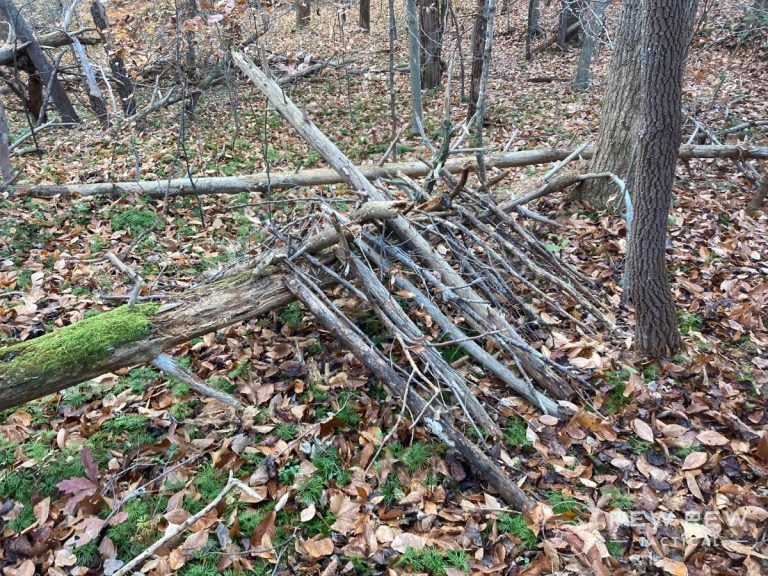
Debris huts use natural materials like leaves and twigs. Build a small frame from sticks, then cover it with thick debris. This traps heat inside, keeping you warm. Debris huts blend into the environment and are good for cold nights.
A-frame Shelters
A-frame shelters have two sloped sides meeting at the top. They form a strong triangle shape. Use long branches for the frame and cover it with leaves or bark. This design sheds rain and snow well. It offers solid protection in many conditions.
Snow Shelters
Snow shelters provide insulation against freezing temperatures. You can build a snow cave or igloo by digging or stacking snow blocks. Snow traps body heat, making the inside warmer. These shelters need careful construction to avoid collapse.

Credit: www.youtube.com
Choosing The Right Location
Choosing the right location is the first step in building a strong survival shelter. The spot you pick can keep you safe and comfortable. A good location helps protect from weather and animals. It also makes your shelter easier to build and maintain.
Think about the environment around you. Look for a place that offers natural protection and resources. Avoid spots that could cause danger or discomfort. This careful choice will improve your chances of staying safe outdoors.
Avoiding Hazards
Stay clear of areas with falling branches or unstable ground. Avoid places near rivers that may flood. Steer away from steep slopes where rocks might fall. Watch out for animal trails and insect nests. These hazards can harm you or damage your shelter.
Finding Natural Resources
Choose a spot near water for drinking and cleaning. Look for areas with plenty of wood for building and fire. Find natural materials like leaves and moss for insulation. Trees and bushes can provide windbreaks and shade. Using nearby resources saves time and energy.
Shelter Orientation
Face the shelter entrance away from strong winds. Position your shelter to catch sunlight for warmth. Use trees or hills to block cold winds. Make sure the shelter is easy to access and exit. Proper orientation improves comfort and safety inside.
Gathering Materials
Gathering materials is the first key task in building a wilderness survival shelter. You need to collect strong, reliable resources that protect you from the weather and keep you safe. Choosing the right materials saves time and effort during construction. It also ensures your shelter lasts longer and stands firm against wind and rain.
Natural Materials
Nature offers many materials for building a shelter. Look for:
- Branches and sticks for the frame
- Leaves and pine needles for insulation
- Bark to cover gaps and add strength
- Rocks to weigh down the structure or create a fire pit
Choose materials that are dry and strong. Avoid rotten wood or wet leaves. Use what is easy to find around your site to save energy.
Using Tools Efficiently
Tools help you gather and prepare materials faster. A sharp knife or axe can cut branches cleanly. A saw speeds up cutting thick wood. Use a rope or paracord to bundle materials. Always handle tools with care to prevent injuries. Keep them close and ready for quick use.
Transporting Supplies
Moving materials to your shelter site requires planning. Use a backpack or a tarp to carry smaller items. Bundle sticks tightly to make carrying easier. For heavy rocks or logs, drag them using a rope. Avoid overloading yourself to keep your balance and avoid fatigue. Transport materials in several trips if needed.
Step-by-step Shelter Construction
Building a wilderness survival shelter requires clear instructions and simple materials. This PDF guide explains each step to create a safe, sturdy shelter in the wild. Follow easy tips to protect yourself from weather and stay warm.
Step-by-Step Shelter Construction Creating a wilderness survival shelter is essential for safety. Follow these steps to build a sturdy shelter that offers protection from the elements.Building The Frame
Start with a strong frame. Use long, sturdy branches to form a triangle shape. One branch acts as the ridge pole, supported by two forked sticks at each end. This frame will provide the shelter’s structure and stability. Make sure the frame is stable and secure.Adding Insulation
Insulation is crucial for warmth. Gather leaves, grass, and moss. Pile them thickly over the frame. These natural materials trap heat, keeping you warm inside. Ensure insulation covers the entire structure, leaving no gaps. This layer will act like a natural blanket.Waterproofing Techniques
Waterproofing your shelter is key. Use large leaves or bark to cover the insulation layer. Lay them so water runs off easily. Overlap materials for better coverage. This will help keep the inside dry during rain. Check for any gaps or weak spots.Securing The Shelter
Make sure your shelter withstands wind and weather. Use vines or twine to tie the frame securely. Add rocks or logs at the base for extra stability. Test the shelter by gently pushing it. Ensure it stays firm and doesn’t collapse. A strong shelter is your safest refuge.Improving Comfort And Safety
Improving comfort and safety in your wilderness survival shelter can make a huge difference in how you endure the elements. A well-built shelter doesn’t just protect you from weather—it also helps maintain your body temperature and keeps you alert. Small details like insulation and ventilation can turn a rough shelter into a cozy haven.
Floor Insulation
Sleeping directly on the ground can drain your body heat fast. Adding insulation beneath you creates a barrier that stops cold and dampness from seeping in. Leaves, pine needles, or even your backpack can work as natural floor padding.
Try to gather dry materials and layer them thick enough to feel cushioned but not unstable. If you have access to foam pads or emergency blankets, use those for extra warmth. How much difference does a simple layer of leaves make? In my experience, it can be the difference between waking up shivering and waking up rested.
Ventilation Tips
Good airflow inside your shelter prevents moisture buildup, which can cause discomfort and even hypothermia. Even if you’re trying to keep warm, a small vent or opening helps circulate fresh air and reduces condensation.
Position vents near the top of your shelter, as warm air rises and moisture escapes. If you’re using a tarp or tent, slightly crack the door or create a small gap in the covering. You’ll notice less dampness on your gear and feel less stuffy overnight.
Protection From Wildlife
Your shelter should act as a barrier not just against weather but also curious or hungry animals. Keeping food and scented items away from your sleeping area is crucial to avoid unwanted visitors.
Build your shelter in a spot that offers natural protection, like near thick bushes or rocks. Using natural deterrents, such as placing sharp sticks around your shelter’s perimeter, can discourage animals from coming too close. Have you ever tried a simple trick like hanging your food from a tree branch? It often keeps critters at bay and helps you sleep better.

Credit: www.amazon.com
Common Mistakes To Avoid
Building a wilderness survival shelter requires careful planning. Avoiding common mistakes can save time and increase safety. Many beginners make errors that reduce shelter effectiveness. Knowing what to avoid helps create a strong, reliable shelter.
Poor Site Selection
Choosing the wrong site weakens your shelter’s protection. Avoid low areas where water can collect and cause flooding. Stay away from places with loose rocks or dead trees. Look for flat ground with natural wind barriers. Clear the area of sharp objects and debris before building.
Insufficient Insulation
Not using enough insulation leads to heat loss. Use leaves, grass, or pine needles to cover the shelter floor and walls. Layer materials thickly to trap warm air inside. Thin insulation won’t protect against cold ground or wind chill. Proper insulation keeps you warm and dry during cold nights.
Ignoring Weather Conditions
Failing to prepare for weather risks shelter collapse or discomfort. Check wind direction and build your shelter facing away from strong winds. Use waterproof materials or natural barriers to block rain. Snow requires extra insulation and support to hold weight. Always adapt your shelter to the current weather for safety.
Using The Pdf Guide Effectively
Using a wilderness survival shelter PDF guide can be a game-changer, but only if you know how to make the most of it. The key is not just reading it but actively engaging with the content. This means understanding how to navigate the information, supplement it with other resources, and confidently apply the tips when you find yourself in the wild.
Navigating The Guide
Start by skimming through the entire PDF to get a sense of the layout and structure. Check the table of contents or bookmarks for quick access to sections like shelter types, materials needed, and construction steps.
Highlight or bookmark critical pages so you can quickly refer back during practice or emergencies. Ask yourself which shelter styles suit your local environment best—does the guide cover those? This helps avoid wasted time on irrelevant details.
Supplementary Resources
Don’t rely solely on the PDF. Pair the guide with videos, forums, or hands-on workshops to deepen your understanding. Seeing shelter-building in action can clarify techniques that are hard to grasp from text alone.
Use apps or websites that offer weather forecasts, plant identification, and survival tips to complement what you’ve learned. This creates a richer knowledge base and prepares you for unexpected challenges.
Applying Tips In Real Situations
Practice building shelters in your backyard or a local park before heading into the wild. This turns theory into muscle memory and helps you identify which tips work best for you personally.
During practice, challenge yourself with different materials and weather conditions. How does the shelter hold up in wind or rain? Experimenting builds confidence and sharpens your problem-solving skills.
What’s the last shelter you built outdoors, and what did you learn from it? Reflecting on your experience is crucial—it turns mistakes into valuable lessons for next time.
Credit: www.pewpewtactical.com
Frequently Asked Questions
What Is The Best Wilderness Survival Shelter Design?
The best design depends on location, weather, and materials. Lean-tos, debris huts, and tarp shelters are common and effective. Choose one that provides insulation, protection from wind, and is easy to build with available resources.
How To Find Materials For A Survival Shelter?
Look for natural items like branches, leaves, pine boughs, and bark. Use fallen wood instead of live trees to minimize environmental impact. Collect dry materials for insulation and waterproofing to keep the shelter warm and dry.
How Long Does It Take To Build A Survival Shelter?
Building a basic shelter takes 1-3 hours depending on skill level and material availability. More complex shelters may require several hours or a full day. Prioritize speed and safety when time is limited.
What Are Key Safety Tips For Building Shelters?
Avoid unstable structures and sharp objects. Build away from hazards like dead trees or flood zones. Ensure proper ventilation to avoid condensation and carbon monoxide buildup if using fire inside.
Conclusion
Building a shelter in the wild keeps you safe and warm. Use natural materials around you. Choose a spot that protects you from wind and rain. Keep your shelter small and sturdy. Practice these steps before your trip. Stay calm and think clearly in emergencies.
This guide helps you stay prepared and confident outdoors. Shelter skills can save your life. Keep learning and practicing for better results. Stay safe and enjoy your adventure!