If you’re playing Last Shelter Survival, you know that managing your state is key to staying ahead. But do you know exactly how to change your state quickly and effectively?
This guide will show you simple steps to switch your state, giving you an edge over your enemies and helping you grow your shelter faster. Keep reading, and you’ll learn the tricks that many players miss—making your gameplay smoother and more powerful from the very next move.
Ready to take control of your state and dominate the game? Let’s dive in!

Credit: last-shelter-survival.fandom.com
State Basics In Last Shelter Survival
Understanding the basics of states in Last Shelter Survival is crucial for mastering the game’s dynamics. States influence how your city functions and interacts with other players. Grasping their role and the types available can give you a strategic edge in managing resources, alliances, and defenses.
Role Of States In Gameplay
States serve as the foundation for your city’s identity. They determine your alliances, resource availability, and even your enemies. Choosing the right state impacts your growth speed and survival chances.
Each state has unique benefits and challenges. For example, some states offer better resource production, while others provide stronger defensive bonuses. Knowing these differences helps you plan your expansion and military tactics more effectively.
Think about your current gameplay style. Are you more focused on defense or rapid expansion? The state you choose should support your strategy, not limit it.
Types Of States Available
Last Shelter Survival offers several state options, each with distinct features. Here’s a quick overview:
- Neutral State:Good for beginners; balanced benefits but fewer risks.
- Military State:Offers combat bonuses and faster troop training, ideal for aggressive players.
- Economic State:Boosts resource gathering and production, perfect if you prefer building and upgrading.
- Alliance State:Focuses on cooperative bonuses, great for players who enjoy teamwork and alliances.
Choosing a state that aligns with your goals can speed up your progress. Have you experimented with different states to see which suits your playstyle best?
Requirements For Changing States
Changing states in Last Shelter Survival is a key strategy to expand your influence and access new resources. However, it’s not as simple as just moving your base. You need to meet specific requirements before you can switch states, which keeps the gameplay balanced and rewarding.
Understanding these requirements lets you plan your moves carefully and avoid wasted effort. Are you ready to see what it takes to make a successful state change?
Resource Needs
Before you can change states, you must gather a significant amount of resources. This includes food, wood, steel, and oil. Each resource plays a different role in supporting your army and building infrastructure in the new state.
Here’s a quick breakdown of the typical resource demands:
- Food:Keeps your troops fed during the transition.
- Wood:Needed for constructing new buildings.
- Steel:Used for upgrading defenses and weapons.
- Oil:Fuels your vehicles and machinery.
Gathering these resources in large amounts can be challenging. You’ll need to manage your base efficiently and focus on resource production. Think about how you can optimize your supply lines to prepare for the move.
Level And Ranking Criteria
Your current level and ranking heavily influence your eligibility to change states. The game sets minimum thresholds for player level and alliance rank to ensure you’re ready for the challenges ahead.
Usually, you must reach a certain player level, often around level 10 or higher, before the game allows a state change. Additionally, your alliance needs to hold a competitive rank within the state to support your move.
| Requirement | Minimum Threshold | Why It Matters |
|---|---|---|
| Player Level | Level 10+ | Ensures you have enough experience and troops |
| Alliance Rank | Top 50 or better | Guarantees support from allies in the new state |
Have you checked your alliance’s standing recently? If your alliance isn’t ranked high enough, consider working with your teammates to boost your position before attempting a state change.
Step-by-step State Change Process
Changing your state in Last Shelter Survival can enhance your experience. It allows you to join new communities, access different resources, and strategize better. Here’s how you can change your state.
Navigating The Interface
First, log into your game account. Locate the main screen. Find the “World Map” button. It’s usually on the lower-left corner. Click on it to open the map view.
Look for the globe icon. This icon shows your current state. Tap on it to explore other options. A list of available states will appear. Each state has its unique features.
Selecting A New State
Browse through the list of states. Consider factors like activity levels and alliances. Choose a state that suits your strategy. Tap on the desired state to select it. A preview of the state will show.
Review the state’s details carefully. Make sure it aligns with your goals. If satisfied, proceed to the next step. Remember, choosing wisely is crucial. It affects your gameplay significantly.
Confirming The Change
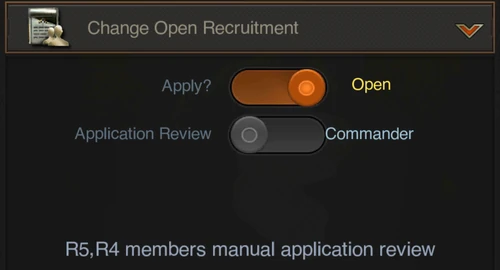
Once a state is selected, confirm your choice. A prompt will appear, asking for confirmation. Confirming may use some resources. Ensure you have the necessary resources ready.
Tap “Confirm” to finalize the change. Wait for the process to complete. Your account will now be part of the new state. Enjoy exploring your new environment.
Credit: lss.fandom.com
Tips For Efficient State Management
Managing your state efficiently in Last Shelter Survival can dramatically improve your gameplay. It’s not just about switching states but knowing when and how to do it to get the most from your resources and time. Let’s dive into some practical tips that can boost your state management skills and help you stay ahead.
Maximizing Resource Use
Every resource counts in Last Shelter Survival. To get the best out of your state changes, plan your resource use carefully. Avoid wasting valuable materials by switching states only when your supply levels align with your current needs.
Keep an eye on resource production rates and consumption. If you notice a surplus in food or fuel, it might be a good time to change to a state that uses those resources more effectively. This approach helps maintain balance and prevents shortages that could stall your progress.
Have you ever changed states only to find yourself lacking key resources moments later? Tracking your resource flow can prevent that. Use simple tools like notes or in-game timers to monitor when your resources peak and dip.
Timing Your State Change
Timing is everything when changing states. Switching at the wrong moment can leave you vulnerable or reduce your efficiency. Look for windows where your defenses are strong, or your resource production is high to make a switch.
Consider events and enemy activity before deciding to change states. If you anticipate a raid, it’s better to stay in a defensive state rather than switching to one focused on resource gathering. This way, you avoid exposing your base to unnecessary risk.
Think about your long-term goals. Are you aiming for rapid growth or steady defense? Your timing should reflect this. Changing states during low activity periods or after completing major upgrades can give you a strategic edge.
Common Mistakes To Avoid
Changing your state in Last Shelter Survival can be tricky. Many players make simple mistakes that slow progress or waste resources. Avoiding these errors helps you move faster and use your resources wisely.
Understanding common pitfalls saves time and frustration. It also improves your overall gameplay experience. Here are key mistakes to watch out for during the state change process.
Ignoring Resource Requirements
Many players start changing their state without enough resources. This stops the process and wastes time. Always check your resource levels before beginning. Gather enough materials to avoid delays.
Skipping Research Upgrades
Research boosts your state change speed and efficiency. Some players skip these upgrades to save resources. This slows progress and makes challenges harder. Prioritize essential research for smoother state transitions.
Changing State Without A Strong Army
A weak army makes your base vulnerable during state change. Enemy attacks can disrupt your progress. Build and upgrade your troops before switching states. Defense is crucial to protect your resources.
Neglecting Alliance Help
Alliance support offers valuable protection and resources. Some players ignore alliance benefits during state change. Request help and share resources with allies. Teamwork speeds up your state change process.
Failing To Plan Timing
Changing state during high attack times invites trouble. Players often switch states without considering enemy activity. Choose quieter times to reduce attack risk. Timing affects your success in state change.

Credit: lss.fandom.com
Benefits Of Changing State
Changing your state in Last Shelter Survival offers more than just a new location on the map. It brings a mix of benefits that can directly impact your gameplay experience. Understanding these benefits helps you make smarter decisions and stay ahead in the game.
Strategic Advantages
Moving to a different state can place you closer to valuable resources and allies. This reduces travel time and helps you respond faster to threats or opportunities. It also allows you to avoid overcrowded areas, giving you a better chance to build your base without constant attacks.
Have you noticed how some states have better terrain for defense? Choosing the right state can boost your chances of surviving enemy raids. It’s a strategic move that can save your troops and resources in the long run.
Boosting Player Progress
Changing state often unlocks new quests and events that might not be available in your current location. These can offer exclusive rewards and speed up your development. By switching states, you can also join alliances that better match your playstyle and goals.
Think about the last time you felt stuck in your progress. Moving to a new state might be the change you need to break that plateau. It opens doors to fresh challenges and growth opportunities tailored to your level.
Frequently Asked Questions
How Do I Change My State In Last Shelter Survival?
To change your state, go to the game settings. Select the “Change State” option. Confirm your choice to switch states. This allows you to join different alliances or regions for better gameplay.
Can I Switch States Without Losing Progress?
Yes, you can switch states without losing progress. Your base, troops, and resources stay intact. However, some state-specific events or alliances may reset. Always check the requirements before changing your state.
What Are The Benefits Of Changing States?
Changing states can improve your alliance options. It gives access to new resources and events. You can join stronger alliances for better protection. It also helps in strategic gameplay and faster growth.
Are There Any Restrictions On State Changes?
Yes, there are limits on how often you can change states. You may need specific items or meet certain criteria. Cooldown periods apply before switching again. Check the latest game updates for detailed rules.
Conclusion
Changing states in Last Shelter Survival is simple once you know the steps. Follow the right process to switch quickly and safely. Doing this helps you explore new areas and find better resources. Stay patient and practice often to get comfortable.
Remember, each move shapes your game progress and strategy. Keep trying, and enjoy every moment in the game. This skill adds fun and new challenges to your experience. Now, you are ready to change states with confidence.