When it comes to survival gear, one item stands above the rest—your water filtration system. Choosing the right one could mean the difference between staying healthy and facing serious risks.
You need a system that’s reliable, easy to use, and fits your specific needs. But with so many options out there, how do you pick the best one for you? Keep reading, and you’ll discover simple steps to find a water filter that keeps you safe and confident, no matter where you are.
Your survival depends on it.
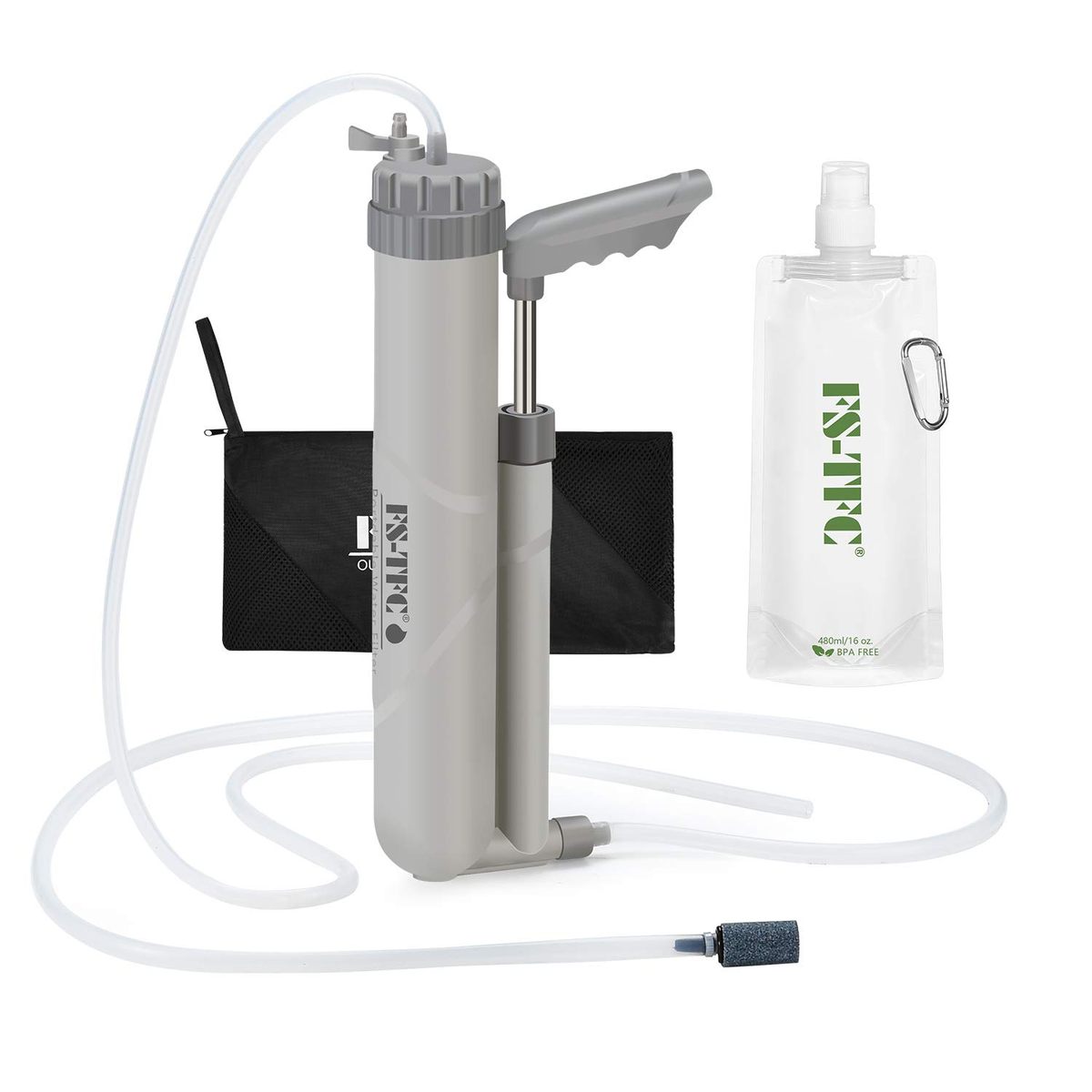
Credit: www.ebay.com
Types Of Water Filtration Systems
Choosing the right water filtration system is vital for survival gear. Clean water keeps you healthy and strong. Different filtration systems work in different ways. Knowing the types helps you pick the best one for your needs.
Mechanical Filters
Mechanical filters use a physical barrier to remove dirt and particles. They trap sediments, bacteria, and some protozoa. These filters are easy to use and require no chemicals. Portable models suit hikers and campers well.
Chemical Purifiers
Chemical purifiers kill bacteria and viruses using substances like iodine or chlorine. They take time to work, usually 30 minutes or more. Chemicals are lightweight and easy to carry. They do not remove dirt or sediments.
Ultraviolet Sterilizers
Ultraviolet sterilizers use UV light to destroy germs. They work fast, often in just a minute. UV devices need batteries or power sources. They do not filter out particles or chemicals.
Gravity-based Filters
Gravity filters clean water by letting it flow through a filter using gravity. They are good for groups and long trips. These filters remove sediments, bacteria, and some viruses. No power or pumping is required.

Credit: www.amazon.com
Key Factors To Consider
Choosing the right water filtration system for survival gear is essential. Clean water means health and safety in tough situations. Several key factors affect how well a filter performs and fits your needs.
Consider these points carefully to pick a system that works best for your survival plan.
Filtration Capacity
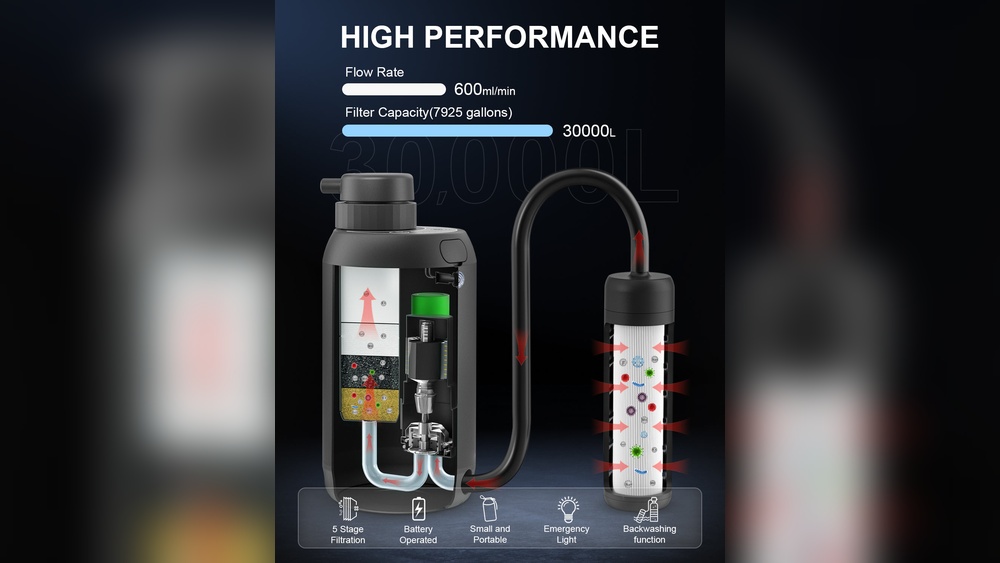
Filtration capacity shows how much water the filter can clean before it stops working. A higher capacity means you can filter more water without replacing parts. Think about how many people will use the filter and for how long. Choose a capacity that meets your group’s needs.
Portability And Weight
Survival gear should be light and easy to carry. The filter’s size and weight matter a lot. Smaller filters are better for backpacking and quick trips. Larger ones may clean water faster but can be heavy and bulky. Balance portability with your water needs.
Filter Lifespan
The lifespan tells how long the filter lasts before it needs replacement. A longer lifespan saves money and reduces waste. Some filters last for hundreds of gallons, others for thousands. Check the lifespan to avoid running out of clean water.
Ease Of Use
Simple filters save time and effort. Choose a system with clear instructions and few steps. Avoid filters that need complicated setup or tools. In survival situations, easy use means faster access to safe water.
Maintenance Requirements
Filters need care to work well over time. Some require regular cleaning, others just simple rinses. Know what maintenance is needed before buying. Choose a filter that fits your skill level and available resources.
Water Sources And Contaminants
Water is vital for survival. Choosing the right water filtration system starts with understanding water sources and contaminants. Not all water is safe to drink. Knowing the type of water and the possible impurities helps in picking the best filter. This section explains common contaminants, how to check water quality, and how to match filters to those contaminants.
Common Water Contaminants
Water can contain many harmful things. Dirt and sand are common in natural water. Bacteria and viruses cause diseases. Chemicals like pesticides or heavy metals also pollute water. Some contaminants are invisible but very dangerous. Knowing these helps in choosing filters that clean water well.
Assessing Water Source Quality
Water sources vary in quality. Rivers and lakes often carry dirt and germs. Rainwater is usually cleaner but can hold air pollutants. Groundwater may have minerals or chemicals from soil. Check water clarity, smell, and taste for clues. Testing kits can give more accurate results. This step guides the filter choice.
Matching Filters To Contaminants
Filters work differently for each contaminant. Mechanical filters remove dirt and particles. Chemical filters reduce pesticides and chemicals. UV filters kill bacteria and viruses. Some systems combine these methods. Choose a filter based on what contaminates your water source. This ensures safe and clean drinking water.
Comparing Popular Brands And Models
Choosing the right water filtration system is key for survival gear. Different brands and models offer unique features. Some focus on removing particles, others kill bacteria or chemicals. Comparing these options helps find the best fit for your needs.
Top Mechanical Filters
Mechanical filters trap dirt, sand, and tiny particles. They use fine mesh or ceramic to clean water. Popular brands include Sawyer, Katadyn, and LifeStraw. These filters are simple and reliable. They work well in rivers and lakes with visible debris.
Sawyer Mini is light and easy to carry. Katadyn Hiker offers a durable ceramic filter. LifeStraw is a favorite for quick, on-the-go use. Mechanical filters do not remove chemicals or viruses. They are best for clear water sources.
Leading Chemical Purifiers
Chemical purifiers remove bacteria and viruses by using iodine or chlorine. AquaMira and Potable Aqua are common brands. These purifiers are lightweight and easy to use. They need some waiting time to work fully.
They kill harmful microbes but may leave a taste. Chemical purifiers suit situations with unclear water quality. They are good backup options for long trips. Avoid using them for water with heavy sediment.
Best Uv Sterilizers
UV sterilizers use ultraviolet light to kill germs. They target bacteria, viruses, and protozoa quickly. SteriPEN is a leading brand in this category. UV systems need batteries or power sources to work.
They do not filter out particles or chemicals. UV sterilizers work best with clear water. These devices are compact and easy to carry. They offer fast and effective water treatment for survival gear.
Testing And Using Your Filtration System
Testing and using your water filtration system is key for survival. It ensures your gear works well and keeps water safe. Proper testing helps avoid surprises during emergencies. Regular use builds confidence and skill. Learn how to set up, test in the field, and fix common issues.
Initial Setup Tips
Start by reading the instruction manual carefully. Clean all parts before first use. Check for leaks or broken pieces. Assemble the filter as shown. Run clean water through the filter first. This removes dust and makes the system ready. Store the filter in a dry place after use. Keep spare parts handy for quick fixes.
Field Testing
Test your filter with natural water sources. Choose clear water from rivers or lakes. Avoid muddy or salty water during tests. Pump or squeeze water through the filter slowly. Check for clean, clear water output. Taste the water to detect odd flavors. Practice filtering enough water for your needs. This builds muscle memory and speed.
Troubleshooting Common Issues
If water flow slows down, clean the filter. Backflush it with clean water to clear clogs. Check for cracks or worn parts regularly. Replace filters after the recommended usage time. If water tastes bad, discard and clean the system. Avoid freezing water inside the filter. Always carry a backup filter for safety.

Credit: www.walmart.com
Budget And Long-term Considerations
Choosing a water filtration system for survival gear requires careful thought about budget and long-term use. The initial price is important, but ongoing costs matter too. Think about how much you spend now and later on parts and maintenance. Your choice should fit your budget and last through tough conditions.
Cost Vs. Performance
Cheap filters may save money upfront but might not clean water well. Higher-priced systems often remove more contaminants. Balance cost with how clean the water needs to be. Spend a bit more for safety and reliability. The best system fits both your budget and survival needs.
Replacement Filter Expenses
Filters wear out and need replacing over time. Check how often replacements are needed and their cost. Some filters last longer but cost more at first. Others are cheaper but need frequent changes. Plan for these costs in your budget. Avoid systems with expensive or hard-to-find parts.
Storage And Shelf Life
Survival gear stays unused for long periods. Filters and parts must last without spoiling. Look for filters with a long shelf life. Store them in dry, cool places to keep them ready. Consider the size and weight of the system for easy carrying and storage.
Frequently Asked Questions
What Types Of Water Filtration Systems Are Best For Survival?
Portable filters, UV purifiers, and chemical treatments are top survival choices. Each targets different contaminants. Choose based on water source and weight preference. Combining methods often ensures safer drinking water in emergencies.
How To Assess Water Quality Before Choosing A Filter?
Check for visible debris, odor, and cloudiness. Identify potential contaminants like bacteria or chemicals. Research local water sources in your survival area. This helps select an appropriate filtration system for safe hydration.
What Size And Weight Considerations Matter In Survival Filters?
Compact, lightweight filters are ideal for survival gear. Heavy systems can slow you down. Balance filtration capacity with portability. Choose filters that fit your travel style and expected water needs.
How Often Should Survival Water Filters Be Replaced?
Filter lifespan depends on usage and water quality. Most filters last between 100 to 1,000 liters. Replace filters as recommended by manufacturers to maintain effectiveness. Always carry spare filters when possible.
Conclusion
Choosing the right water filtration system keeps you safe in emergencies. Focus on ease of use and filter quality. Portability matters for survival gear you carry daily. Check how fast it cleans water and the filter life. Think about what water sources you’ll face outdoors.
Clean water means better health and fewer risks. A good filter is a small tool with big benefits. Stay prepared, stay hydrated, and protect yourself well. Your survival depends on clean water and smart choices.