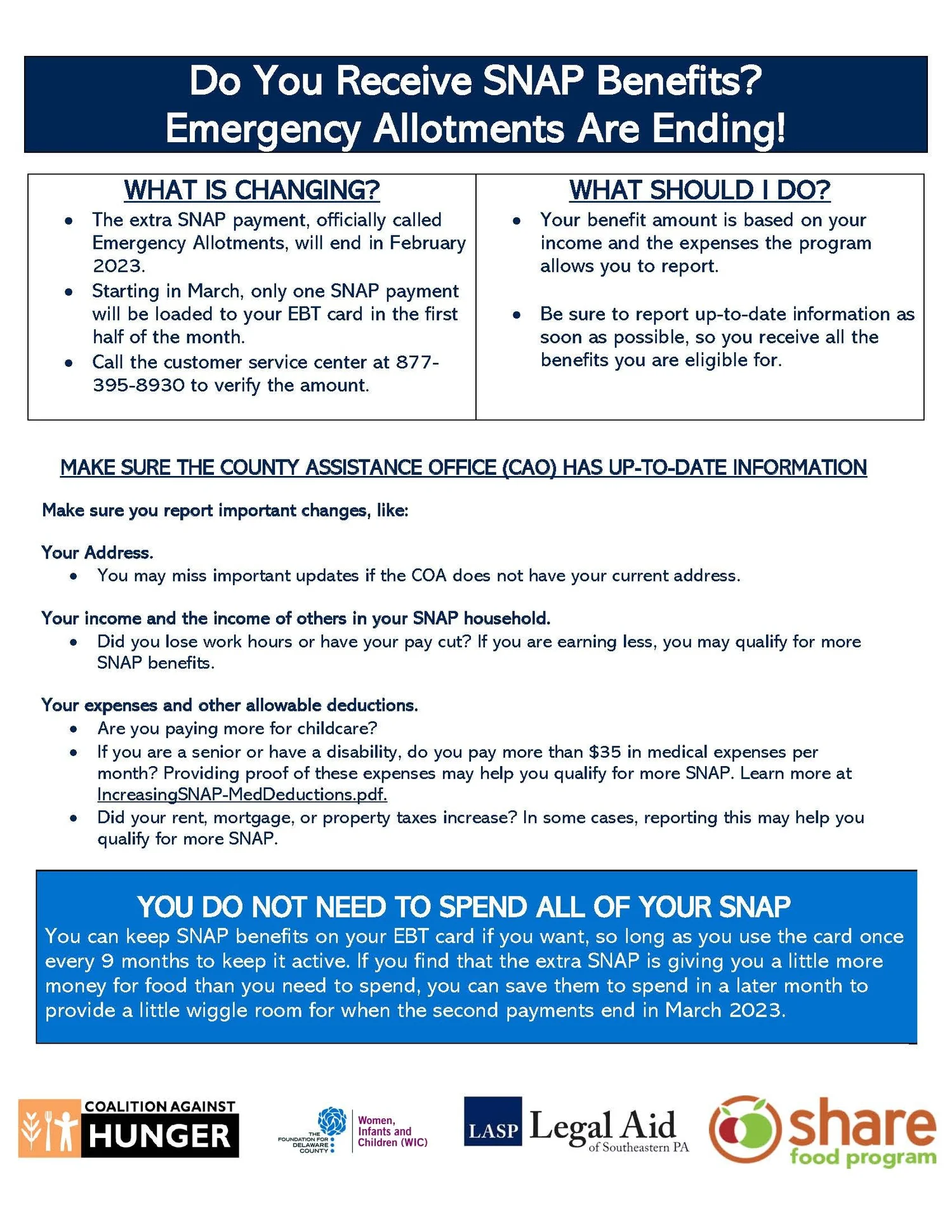
Are you facing a tough time and need food assistance right away? Knowing how to get emergency food stamps can make a huge difference when every meal counts.
You might feel overwhelmed or unsure where to start—but don’t worry. This guide will walk you through simple steps to get help fast, so you can focus on what matters most: taking care of yourself and your family. Keep reading, and you’ll discover exactly what to do to get emergency food stamps quickly and easily.
Eligibility Criteria
Understanding the eligibility criteria is key to receiving emergency food stamps. These criteria help determine if a household qualifies for quick aid. They focus on income, household size, and the emergency situation faced.
Income Requirements
Income limits vary by state but remain strict. Applicants must prove their income falls below a certain level. This level usually depends on the federal poverty line. Low income households have the highest chance to qualify. Proof of income can include pay stubs or benefit statements.
Household Size
The number of people in a home affects eligibility. Larger households may get more assistance. States use household size to calculate income limits. Reporting accurate household numbers is important. This includes all adults and children living together.
Emergency Situations Qualifying For Aid
Emergency food stamps help in urgent cases. Common situations include job loss, natural disasters, or sudden illness. Families facing eviction or utility shutoff may qualify. The assistance is temporary and designed to cover immediate needs. Documentation of the emergency may be required.
Application Methods
Applying for emergency food stamps can feel overwhelming, but knowing your options makes the process smoother. You have several ways to submit your application, each with its own convenience and speed. Understanding these methods helps you choose the one that fits your situation best.
Online Application
Applying online is often the fastest way to get started. Many states offer user-friendly websites where you can fill out the application at your own pace. You can upload necessary documents directly, which speeds up verification.
If you have reliable internet access, this method lets you avoid travel and waiting in lines. However, some people find the forms confusing or worry about privacy. Have you checked if your state’s website provides step-by-step guides or live chat support to ease the process?
In-person Visits
Visiting a local assistance office allows you to get personal help with your application. Staff can answer questions, explain requirements, and even help you complete forms on the spot. This can be a relief if you’re unsure about eligibility or need immediate assistance.
Keep in mind, offices may have long wait times, especially during busy periods. It’s a good idea to call ahead and ask if you need an appointment. Would having someone guide you through the process in person give you more confidence to apply?
Phone Applications
Applying by phone is a great option if you can’t easily access the internet or travel to an office. You can call your local food assistance agency and speak directly with a representative who will guide you through the application. This method often speeds up initial screening and scheduling.
Make sure you have all your documents handy before you call. Taking notes during the conversation helps you keep track of important details. How comfortable do you feel discussing your situation over the phone?
Required Documents
When seeking emergency food stamps, specific documents are essential. Providing the right paperwork ensures a smooth application process. Missing documents can delay or even deny your benefits. Below are the necessary documents you need to gather.
Proof Of Identity
You need to prove your identity with a valid ID. Acceptable IDs include a driver’s license or passport. A state-issued ID card also works. Ensure the ID is current and not expired.
Income Verification
Show proof of your household income. Pay stubs from the last month are ideal. If you receive government benefits, include those award letters. Any other income sources should also be documented.
Residency Proof
Verify where you live with a utility bill or lease agreement. The document should have your name and address. Ensure the document is recent, preferably within the last three months.

Credit: www.lasp.org
Expedited Processing
Expedited processing is a critical feature of the emergency food stamps program designed to provide quick relief to those who face immediate financial hardship. If your household experiences a crisis that leaves you with little or no food, you can qualify for this faster service to get assistance within days, not weeks.
Understanding how expedited processing works can make a huge difference in securing aid promptly. It’s not just about filling out forms quickly; it’s about meeting specific criteria and knowing how to communicate your urgent need effectively.
Criteria For Fast-track Approval
To qualify for expedited food stamps, your situation must meet certain conditions. These criteria ensure that the aid goes to those who truly need urgent help.
- Low Income:Your household income must be below a set limit, often less than $150 per month per person.
- Limited Resources:Savings and assets should typically be under $100.
- Immediate Food Shortage:You must show that your household has little or no food available right now.
It’s important to be honest and clear about your current circumstances. Have you checked your pantry lately? If you find only a few cans or empty shelves, that’s a strong indicator you might qualify.
How To Request Urgent Aid
Once you know you meet the criteria, the next step is to request expedited processing. This involves a specific approach to make sure your application is flagged for urgent review.
- Inform the Caseworker:Clearly state that you need emergency food stamps and explain why your situation is urgent.
- Provide Documentation:Bring or submit proof of your income, resources, and current food shortage if possible.
- Follow Up:Don’t hesitate to call your local office after submitting your application to confirm they received your request for expedited service.
In my experience helping a friend navigate this process, directly asking for expedited review and explaining their immediate food shortage sped up the approval time from weeks to just three days. How might your situation improve if your application was processed faster?
Using Emergency Food Stamps
Using emergency food stamps can be a crucial support when you face unexpected financial challenges. Knowing exactly what you can buy and where you can use your Electronic Benefit Transfer (EBT) card helps you stretch your benefits further. Let’s break down how to make the most of your emergency food stamps.
Eligible Food Items
Your emergency food stamps cover a wide range of food items, but not everything in the grocery store is included. Generally, you can buy:
- Fruits and vegetables
- Meat, poultry, and fish
- Dairy products like milk, cheese, and yogurt
- Breads and cereals
- Seeds and plants that produce food
Items like alcohol, tobacco, vitamins, and hot prepared foods usually aren’t allowed. Have you ever picked up something at checkout only to find out it wasn’t eligible? It’s frustrating, but knowing the rules in advance saves you time and disappointment.
Where To Use Ebt Cards
Your EBT card works like a debit card at many places, but it’s limited to approved stores. You can use it at:
- Most grocery stores and supermarkets
- Farmers markets that accept EBT
- Some convenience stores and co-ops
Many retailers display an “EBT Accepted Here” sign, but if you’re unsure, always ask before you shop. Have you tried using your EBT card at a local farmers market? It’s a great way to get fresh, healthy food and support local farmers.
Using your emergency food stamps wisely can help you maintain a balanced diet during tough times. Which eligible foods will you choose first to make your benefits count?

Credit: www.mass.gov
Additional Support Resources
When emergency food stamps aren’t enough or take time to process, additional support resources can help you fill the gap quickly. Knowing where to turn beyond government aid can make a real difference, especially during tough times. Here are some practical options that can provide immediate help with food needs.
Local Food Banks
Local food banks are often the fastest way to get food assistance. They provide free groceries and sometimes fresh produce to individuals and families in need. Many food banks work with community centers, churches, and schools, making it easier to find one near you.
When you visit a food bank, you might be surprised by the variety and quality of food available. It’s worth asking about their schedule and any requirements for receiving food. Some food banks also offer delivery services if you can’t travel, which can be a lifesaver in an emergency.
Community Assistance Programs
Community assistance programs often go beyond just handing out food. They may offer meal programs, financial help, or even job training to help you regain stability. These programs are usually run by local nonprofits or government agencies and are designed to support your overall wellbeing.
Have you checked if your community center or local government website lists nearby programs? Many programs don’t get the publicity they deserve but can provide critical help when you need it most. Don’t hesitate to reach out and ask about what’s available—you could be missing out on valuable resources.

Credit: www.mass.gov
Frequently Asked Questions
What Are Emergency Food Stamps And Who Qualifies?
Emergency food stamps are temporary benefits for low-income individuals facing urgent food needs. Qualifying depends on income, household size, and emergency circumstances like job loss or disaster.
How To Apply For Emergency Food Stamps Quickly?
Apply online, by phone, or in person at your local SNAP office. Submit required documents promptly to speed up approval during emergencies.
How Fast Can You Receive Emergency Food Stamps?
Emergency food stamps are usually issued within 7 days of application approval. Some states may provide benefits even faster in critical situations.
What Documents Are Needed For Emergency Food Stamps?
You’ll need ID, proof of income, residence, and proof of emergency like eviction notice or disaster report. Requirements vary by state.
Conclusion
Getting emergency food stamps can ease tough times quickly. Start by checking your state’s rules and gather needed documents. Apply online, by phone, or visit your local office. Acting fast helps you receive support sooner. Keep track of your application and follow up if needed.
Emergency food stamps provide vital help for families in need. Stay informed and don’t hesitate to ask for assistance. Taking these steps can bring relief and support your household today.