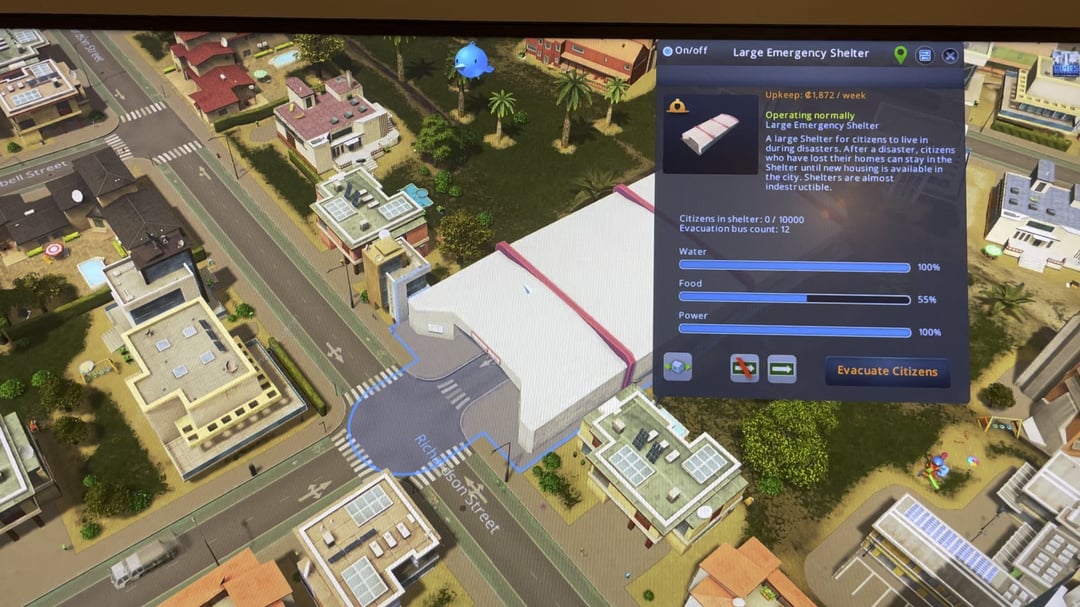
Are you struggling to keep your emergency shelters stocked with enough food in Cities Skylines? You’re not alone.
Managing resources during a crisis can be tricky, but getting food to your shelters doesn’t have to be a headache. In this guide, you’ll discover simple, effective ways to secure and deliver food where it’s needed most. By the end, you’ll feel confident in keeping your city’s emergency shelters well-fed and ready for anything.
Keep reading to unlock the secrets to a thriving, safe city!
Setting Up Emergency Shelters
Setting up emergency shelters in Cities Skylines requires careful planning to ensure they effectively support your city’s population during crises. Your goal is to provide safe, accessible locations where citizens can gather and receive aid. This section focuses on practical steps to establish shelters that truly meet your city’s emergency needs.
Choosing Shelter Locations
Picking the right locations for your shelters can make all the difference. Look for areas that are easy to reach from different parts of the city, such as near major roads or public transport hubs. Avoid placing shelters in flood-prone zones or places with high pollution to keep your citizens safe.
Think about your city’s population density. High-density neighborhoods need nearby shelters to prevent overcrowding and ensure quick access. Have you checked if all districts have at least one shelter within a reasonable distance?
Shelter Capacity And Facilities
Each shelter must handle enough people during an emergency. Start by estimating the number of residents in the area and add a buffer for unexpected surges. Don’t just build large shelters—multiple smaller ones can reduce travel time and bottlenecks.
Equip shelters with basic facilities like food storage, medical supplies, and sanitation. This not only supports your citizens but also improves their morale during stressful situations. Have you thought about how often you need to restock these supplies?
Connecting Shelters To City Infrastructure
Emergency shelters work best when they’re connected to your city’s infrastructure. Ensure roads leading to shelters are well-maintained and free from traffic jams. Public transport routes should include stops near shelters to increase accessibility.
Power and water supply are critical for shelters to function properly. Linking shelters to your city’s utilities keeps them operational during emergencies. Are your shelters integrated into your disaster response plans and communication networks?
Food Supply Basics
Food supply is vital for emergency shelters in Cities Skylines. Without proper food, shelters cannot support citizens in need. Understanding how to gather, store, and distribute food helps keep shelters running smoothly. This section explains the basics of managing food supply for emergency shelters in the game.
Sources Of Food In Cities Skylines
Food comes from several places in the game. Farms and fisheries produce raw food materials. Supermarkets and commercial buildings sell food to citizens. Importing food through cargo hubs also increases supply. Use a mix of these sources to keep food steady.
- Farms grow crops like wheat and vegetables
- Fisheries catch fish from water bodies
- Supermarkets provide ready food for citizens
- Cargo hubs bring food from outside the city
Managing Food Storage
Storage holds the food before it reaches shelters. Warehouses store large food amounts safely. Proper storage prevents food waste and shortages. Place warehouses near food production sites and shelters for quick access. Check storage levels often to avoid running out.
- Use warehouses to store extra food
- Keep storage close to farms and shelters
- Monitor food levels regularly
- Upgrade storage to increase capacity
Food Distribution Methods
Distributing food efficiently is key to shelter support. Trucks and delivery services transport food from warehouses to shelters. Public transport helps workers reach food sources. Plan road networks to avoid delivery delays. Quick distribution ensures shelters stay stocked during emergencies.
- Use delivery trucks for fast food transport
- Plan roads for smooth traffic flow
- Connect shelters with warehouses via transport routes
- Ensure transport services run without interruption
Farming And Food Production
Emergency shelters need a steady food supply to keep people safe. Farming zones and production buildings provide essential food resources. Planning farms near shelters ensures quick access to fresh food during crises.
Farming and food production are vital in Cities Skylines for emergency shelters. Establishing a reliable food source supports your city’s emergency needs. Farms can supply fresh produce, ensuring shelters remain stocked.Building Farms Near Shelters
Position farms close to shelters to minimize transport time. Proximity reduces food spoilage and ensures quick access. Analyze the terrain for fertile land to maximize yield. A well-placed farm boosts efficiency and sustains shelter needs.Crop Selection For Efficiency
Choose crops based on growth time and yield. Fast-growing crops like wheat ensure a steady supply. Consider the climate and soil type for optimal growth. Diversity in crops provides balanced nutrition and reduces risk of shortages.Automating Food Production
Automate to maintain consistent production without manual intervention. Use technology to monitor soil and weather conditions. Automated systems adjust water and nutrients, ensuring healthy crops. This reduces labor and increases production efficiency.
Credit: www.reddit.com
Food Transportation
Food transportation plays a key role in supplying emergency shelters in Cities Skylines. Efficient movement of food ensures shelters stay stocked and citizens remain safe. Planning transport routes and logistics can reduce delays and shortages.
Roads And Transport Routes
Good roads help trucks move food quickly and smoothly. Use wide roads to avoid traffic jams. Plan direct routes from farms or cargo hubs to shelters. Avoid sharp turns and intersections that slow down vehicles.
One-way streets can improve traffic flow. Keep main roads clear for food trucks. Use road upgrades to increase speed and capacity. Check for roadblocks and fix them fast.
Using Cargo Hubs And Depots
Cargo hubs act as central points for food storage and transfer. Place hubs near farms and shelters to cut travel time. Depots store food and organize deliveries efficiently.
Set up multiple depots for large cities to cover all areas. Use cargo hubs to receive food from outside your city. Depots help sort and send food to emergency shelters quickly.
Optimizing Delivery Times
Schedule deliveries during low traffic hours to avoid delays. Use traffic management tools to prioritize food trucks on busy roads. Monitor delivery times and adjust routes if trucks are slow.
Keep trucks loaded with enough food to reduce trips. Upgrade trucks for faster speed and bigger capacity. Check shelter demand regularly to plan food supply better.
Handling Food Shortages
Food shortages can disrupt the smooth running of emergency shelters in Cities Skylines. Managing these shortages quickly keeps citizens safe and healthy. Planning ahead helps reduce stress during tough times.
Monitoring Food Levels
Track food supplies regularly to avoid surprises. Use the in-game statistics panel to check food storage. Set alerts for low food levels to act fast. Keeping an eye on food helps prevent shortages before they start.
Emergency Food Import Options
Import food from outside the city to fill gaps. Use cargo hubs and harbors for fast delivery. Make sure transport routes are clear for smooth imports. Importing food is vital when local production falls short.
Temporary Food Distribution Centers
Set up temporary centers to share food quickly. Place them near shelters to ease access. Staff these centers with enough workers for fast service. Temporary centers help feed citizens during critical shortages.

Credit: www.reddit.com
Advanced Food Management
Advanced food management in Cities Skylines emergency shelters ensures your citizens stay safe and healthy. Efficient food distribution can prevent shortages during crises. It requires careful planning and smart strategies to keep the food supply steady and accessible. This section explores key tactics to manage food beyond basic setups.
Balancing Food Supply With Population
Match food production and storage with the shelter’s population size. Overestimating leads to wasted resources. Underestimating causes hunger and unrest. Track population changes closely and adjust food orders regularly. Use warehouses to store surplus food safely. Ensure delivery routes are quick and reliable to avoid delays.
Using Policies To Improve Food Access
Apply city policies that boost food availability and distribution. Policies like “Emergency Food Rationing” help stretch supplies during shortages. “Priority Access for Vulnerable Groups” ensures the elderly and children get food first. Review policies often to suit current shelter needs. Combining policies can enhance overall food management efficiency.
Integrating Food With Other Emergency Services
Coordinate food supply with health and safety services in shelters. Medical teams need proper nutrition to treat patients effectively. Fire and police units depend on food during long shifts. Share information between departments to plan food delivery times. Designate food distribution points near other emergency service centers for easy access.

Credit: stealthoptional.com
Frequently Asked Questions
How Do I Supply Food To Emergency Shelters In Cities Skylines?
You must zone agricultural areas or import food products. Connect farms and warehouses near shelters. Efficient road networks help timely food delivery to emergency shelters.
Can I Grow Food Within Emergency Shelter Zones?
No, emergency shelter zones don’t support farming. You must grow food in agricultural zones and transport it. Use specialized vehicles to move food to shelters efficiently.
What Buildings Help Produce Food For Emergency Shelters?
Farms, orchards, and fisheries produce food. Warehouses store and distribute food to shelters. Ensure these buildings have good road connections for smooth supply.
How To Ensure Continuous Food Supply During Emergencies?
Maintain surplus food in warehouses near shelters. Upgrade roads for faster transport. Use public transport and logistics policies to avoid delays in food delivery.
Conclusion
Getting food for emergency shelters in Cities Skylines keeps citizens safe. Plan your food supply early and watch resources closely. Build farms, fishing spots, or import food to meet needs. Keep roads clear so trucks deliver food fast. Remember, steady food means happier, healthier shelter residents.
Use these tips to manage food well in your city. Stay prepared and your shelters will thrive during emergencies. Simple steps make a big difference in survival.