Are you tired of endless battles wearing you down in Last Shelter Survival? Making a truce can change the game entirely.
Imagine turning fierce enemies into allies, saving your resources, and gaining time to build your strength. In this guide, you’ll discover simple steps to create powerful truces that protect your base and boost your chances of survival. Keep reading to learn how to negotiate peace and take control of your game like never before.
Truce Basics
Understanding the basics of a truce in Last Shelter Survival can change how you play the game. It’s more than just a pause in fighting—it’s a strategic choice that impacts your alliances and resources. Knowing what a truce is and why it matters helps you decide when and how to use it effectively.
What Is A Truce?
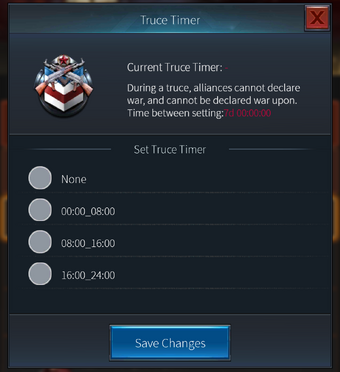
A truce is a temporary agreement between alliances to stop attacking each other. This pause can last for a specific time, often arranged through negotiation or in-game mechanics. It’s not a permanent peace, but a break that allows both sides to regroup and plan their next moves.
Think of it as pressing pause during a heated battle. You don’t lose your edge, but you gain time to build defenses, gather resources, or support allies. Without a truce, constant warfare can drain your troops and slow down progress.
Benefits Of Truce
Truces offer several practical advantages. First, they protect your alliance from continuous attacks, giving your members a chance to recover. This can be crucial after a tough battle when your defenses are weak.
- Resource Management:Use the break to stockpile resources without fear of raids.
- Strategic Planning:Coordinate with your alliance to launch stronger attacks later.
- Building Relationships:Strengthen trust with other alliances, opening doors for future cooperation.
Have you ever felt overwhelmed by nonstop attacks? A well-timed truce can relieve that pressure and let you focus on growth instead of defense. It’s not just about stopping fights; it’s about creating opportunities.

Credit: lss.fandom.com
Preparing For A Truce
Preparing for a truce in Last Shelter Survival is more than just sending a message to another player. It’s about building trust, understanding mutual benefits, and setting clear expectations that protect your resources and strengthen your position. Taking the time to prepare properly can turn a fragile ceasefire into a powerful alliance.
Choosing The Right Ally
Not every player is a good fit for a truce. Look for allies whose goals align with yours and who have a track record of keeping agreements. Pay attention to their activity level, past interactions, and how they handle conflicts.
Imagine trusting a player who’s frequently offline or has a history of breaking truces. That’s a risk you don’t want to take. Instead, target those who communicate openly and respond quickly. This way, you can rely on them when tensions rise.
Ask yourself: Does this player add value to my survival strategy? Are they reliable enough to stand by a truce? Your choice here can make or break your chances of long-term peace.
Setting Clear Goals
Before you send a truce offer, define what you want to achieve. Do you want to stop attacks temporarily, share resources, or coordinate defense against common enemies? Clear goals help avoid misunderstandings later.
Put everything in writing. Use simple language to outline what each side agrees to, including boundaries and consequences for breaking the truce. This clarity prevents disputes and keeps everyone accountable.
Think about what success looks like for both parties. If you’re just stopping attacks for a week, say so. If you want ongoing cooperation, specify the terms. Clear goals make your truce a tool, not just a pause in the game.
Starting The Truce
Starting a truce in Last Shelter Survival can be a game-changer, bringing peace and strategic advantages to your alliance. The process involves clear communication, mutual understanding, and a bit of diplomacy. A successful truce can lead to a more stable environment where both parties can grow and thrive. Here’s how you can start this critical process.
Initiating Contact
Begin by identifying potential allies or rivals you wish to approach. Reach out through in-game messages or alliance chats. Keep the tone friendly and open, expressing your interest in establishing a truce.
Share common goals that could benefit both parties. Ask questions to understand their perspective and willingness to collaborate. This initial contact sets the stage for more detailed discussions.
Negotiating Terms
Once you’ve opened the lines of communication, it’s time to discuss the terms of the truce. Be clear about what you expect and what you can offer in return. Consider aspects like resource sharing, defense support, or non-aggression agreements.
- Clearly define the duration of the truce.
- Agree on how to handle any potential conflicts.
- Ensure both parties are comfortable with the terms to avoid future misunderstandings.
Think about how this truce aligns with your broader strategy. Are you willing to make adjustments for a more beneficial alliance? Such negotiations can lead to stronger ties and mutual growth.
Maintaining The Truce
Maintaining a truce in Last Shelter Survival is not just about agreeing to stop fighting; it requires ongoing effort and smart management. A truce can quickly fall apart if communication breaks down or small conflicts are ignored. You need to keep the lines open and handle disputes before they escalate.
Communication Tips
Clear and regular communication is the backbone of any lasting truce. Use your alliance chat or private messages to share updates and plans frequently. Don’t wait for problems to arise—check in often to keep trust strong.
Make sure everyone understands the terms of the truce. Write down or summarize the agreement so there’s no confusion. This reduces misunderstandings that can cause tension.
Try to be honest but respectful in your messages. If you notice something that could threaten the truce, bring it up calmly instead of ignoring it. Have you ever seen a simple misunderstanding snowball because no one spoke up early?
Resolving Conflicts
Conflicts will happen, even during a truce. The key is how you handle them. Address issues quickly and directly before they grow out of control.
Use a neutral party if necessary. Someone not involved in the conflict can help mediate and find a fair solution. This approach helped my alliance avoid a full-scale war after a resource dispute.
Focus on solutions, not blame. Ask yourself and your allies what you can do to fix the problem rather than who caused it. This mindset keeps the truce alive and builds stronger cooperation for future challenges.
Common Mistakes To Avoid
Making a truce in Last Shelter Survival can change the tide of your gameplay, but many players stumble by making avoidable errors. Recognizing these common mistakes can save you from unnecessary conflicts and broken alliances. Let’s look at the pitfalls that often ruin truces and how you can steer clear of them.
Ignoring Agreements
One of the biggest errors players make is ignoring the terms of the truce. When you agree on boundaries or resource sharing, sticking to those rules is crucial. Breaking promises not only damages your reputation but invites retaliation.
Think about your last truce: did both sides follow the rules? If not, why did the agreement fall apart? Keeping communication open and confirming each detail can prevent misunderstandings.
Make it a habit to document or clearly state agreements in chat. This simple step helps hold everyone accountable and reduces the chance of disputes.
Lack Of Trust
Trust is the foundation of any truce, but it’s fragile in a competitive game like Last Shelter Survival. Doubting your ally’s intentions can cause you to act defensively or even break the truce prematurely.
Ask yourself: Are you giving your partner enough credit, or are you constantly expecting betrayal? Sometimes, hesitation comes from past experiences, but holding onto suspicion can sabotage new alliances.
Building trust takes time. Share small resources or support your ally in minor conflicts first. These actions create a track record that proves reliability and strengthens cooperation.
Credit: lss.fandom.com
Advanced Truce Strategies
Advanced truce strategies in Last Shelter Survival can transform your gameplay from reactive to proactive. These tactics help you not only maintain peace but also strengthen your alliance’s position. Are you ready to move beyond basic agreements and build a powerful, lasting truce?
Coordinated Attacks
Even within a truce, coordinated attacks can serve as a strategic tool rather than a breach of trust. Planning joint strikes against common enemies or neutral targets can boost resource gains and reduce threats.
Communication is key here. Use voice chats or alliance forums to time your attacks perfectly, ensuring maximum impact and minimal internal conflict.
Think about how synchronized efforts can intimidate rival alliances and create a stronger front. Have you tried setting up attack schedules with your truce partners?
Resource Sharing
Sharing resources goes beyond simple trade; it builds trust and mutual dependency. When you distribute surplus materials like food, fuel, or building supplies, you help allies grow faster and strengthen the entire alliance.
Set clear rules on what, when, and how much to share. This prevents misunderstandings and keeps everyone motivated to contribute.
Consider creating a resource pool or reserve that all truce members can access during emergencies. Could this shared safety net be the key to surviving unexpected raids?

Credit: lss.fandom.com
Frequently Asked Questions
How Do You Initiate A Truce In Last Shelter Survival?
To start a truce, communicate clearly with the opposing alliance. Use the in-game chat or alliance messages to propose peace. Mutual agreement is required to establish a temporary ceasefire and avoid attacks.
What Benefits Does A Truce Offer In Last Shelter Survival?
A truce allows both alliances to focus on growth and resource gathering. It prevents losses from battles and encourages cooperation. Truces can strengthen alliances and improve strategic gameplay.
Can Truces Be Broken In Last Shelter Survival?
Yes, truces can be broken if one alliance attacks during the ceasefire. Breaking a truce may lead to retaliation and loss of trust. It’s best to honor agreements for long-term alliance success.
How Long Do Truces Typically Last In The Game?
Truces usually last for a pre-agreed period, often a few days. Duration depends on the alliance leaders’ negotiation. Clear terms help prevent misunderstandings and conflicts.
Conclusion
Making a truce in Last Shelter Survival helps players avoid constant battles. It creates peace between groups for a set time. Trust and clear rules keep the truce strong. Players can focus on building their bases safely. A truce lets everyone gather resources without fear.
Remember, respect is key to keep peace alive. Use these tips to form fair and lasting truces. Play smart, stay united, and enjoy the game more. Peace can bring new chances to grow and win.