Are you ready to take your survival skills to the next level? Knowing how to make survival fishing gear can be a true game-changer when you find yourself in the wild.
Imagine catching your own food with simple tools you create yourself. It’s not just about survival—it’s about gaining confidence, staying self-reliant, and turning nature into your ally. In this guide, you’ll discover easy steps to craft your own fishing gear using items you likely already have or can find around you.
Keep reading, and you’ll be prepared to face any situation with the skills that really matter.

Credit: www.youtube.com
Choosing Materials
Choosing the right materials for survival fishing gear is essential. The gear must be strong and reliable. It should work well in tough outdoor conditions. This section covers the main materials you need. Focus on the fishing line, hooks, and bait. Each part plays a key role in catching fish. Use materials that last long and perform well.
Selecting Durable Lines
Pick fishing lines made from strong materials like nylon or braided fibers. These lines resist breaking and handle rough water. Look for lines that do not stretch too much. Stretchy lines make it harder to feel bites. Choose a line thickness that fits the fish size you want to catch. Thinner lines are less visible but can break easily. Thicker lines hold better but may scare fish away.
Finding Suitable Hooks
Find hooks made from rust-resistant metals like stainless steel. Rust weakens hooks quickly. Choose hook sizes based on the fish species. Small hooks catch small fish, large hooks catch bigger ones. Sharp hooks improve your chances of a catch. Keep extra hooks in case some get lost or bent. Simple designs work best for survival situations.
Gathering Natural Bait Options
Natural bait attracts fish better than artificial options. Search for insects, worms, or small crustaceans near your location. These are easy to find and effective. Use leaves or grass to keep bait fresh. Avoid bait that spoils fast or smells bad. Keep bait hidden from animals and sun. Natural bait increases the chance of a successful catch.
Credit: www.youtube.com
Crafting Basic Fishing Lines
Making your own fishing line is vital for survival fishing. It ensures you have a reliable way to catch fish. You can create strong lines from natural or man-made materials. This section explains simple ways to craft basic fishing lines. The methods are easy and need few tools.
Twisting Plant Fibers
Find long, tough plant fibers like those from nettle or flax. Remove any soft parts and dry the fibers. Take several strands and twist them tightly together. Twisting makes the fibers stronger and less likely to break. This method produces a natural, eco-friendly fishing line.
Using Paracord Or Thread
Paracord is a strong, flexible cord often used in survival kits. Cut a length of paracord and remove the inner strands if needed. These inner threads work well as fishing lines. Thread from old clothes or sewing kits also works. Both options offer good strength and durability.
Attaching Hooks Securely
Secure the hook with a strong knot. The improved clinch knot is simple and holds well. Pass the line through the hook eye twice and wrap it around five times. Then, pull the end back through the loops and tighten. A tight knot prevents the hook from slipping off during fishing.
Making Hooks And Lures
Making hooks and lures is a key skill in survival fishing. These tools help catch fish without modern gear. You can create hooks from metal, bone, or wood. Lures also attract fish using simple designs. Crafting your own fishing gear saves resources and increases your chances of success.
Shaping Hooks From Metal
Find a small piece of metal like wire or old nails. Use pliers to bend the metal into a hook shape. Make a sharp point at one end for catching fish. Bend the other end to form a loop for the fishing line. File the point smooth but sharp to avoid breaking the line.
Creating Bone And Wood Hooks
Look for strong, thin bones or hardwood sticks. Cut them into small pieces about 2 inches long. Shape one end into a sharp point using a knife or stone. Carve a small notch or hole at the other end for the line. Sand the hook smooth to prevent it from cutting the fishing line.
Designing Simple Lures
Use small twigs, leaves, or feathers for lures. Attach bright or shiny objects to attract fish. Tie the lure to the fishing line securely. Move the lure in water to mimic the movement of prey. Simple lures increase your chances of catching fish quickly.

Credit: grimworkshop.com
Building Rods And Reels
Building your own fishing rods and reels can save you money and prepare you for survival situations. Making gear from natural materials is useful in the wild. It allows you to fish even when you have limited supplies.
This section shows how to build simple rods and reels. These tools help you catch fish easily. Follow the steps carefully for the best results.
Selecting Branches For Rods
Look for straight, strong branches about 4 to 6 feet long. Choose wood that feels sturdy but not too heavy. Willow, ash, or bamboo are good choices. Avoid branches with cracks or knots that can break. The rod should bend slightly without snapping.
Constructing A Basic Reel
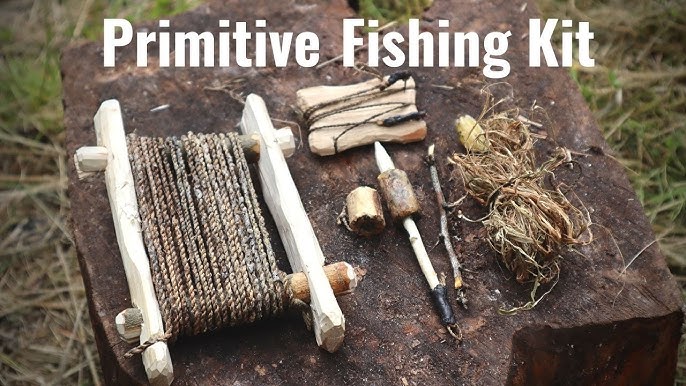
Use a small piece of wood or a spool for the reel. Drill or carve a hole through the center for an axle. Attach a stick or small branch as the handle. Wrap fishing line or strong thread around the reel. The reel should turn smoothly to release the line.
Attaching Line To Rod
Tie one end of the fishing line to the rod’s tip securely. Use a strong knot like a clove hitch or improved clinch knot. Wrap the line around the rod several times for extra hold. Make sure the line runs straight and does not tangle. This setup helps cast and reel in fish effectively.
Improvised Bait Options
Improvised bait is a key part of survival fishing gear. Without proper bait, catching fish becomes much harder. Using natural and available materials can save time and increase your chances of success. Simple bait options work well in many fishing situations. You don’t need fancy gear to catch fish.
Using Insects And Worms
Insects and worms are some of the best natural bait options. They are easy to find in most environments. Look under rocks, leaves, and soil for worms. Ants, crickets, and beetles also work well. Fish are attracted to their movement and scent. Hook the insect or worm carefully to keep it alive longer. This increases the chances of attracting fish.
Crafting Artificial Bait
Making artificial bait can help if natural bait is scarce. Use small pieces of cloth or foam to mimic baitfish or insects. Bright colors and shiny materials catch fish attention. Attach these materials to your hook with thread or string. Move the bait gently in water to create life-like motion. This can trick fish into biting when real bait is not available.
Utilizing Food Scraps
Food scraps can be excellent bait in survival situations. Bread crumbs, rice, or small bits of cooked meat work well. Avoid spoiled or rotten food, as it may repel fish. Crush or cut scraps into small pieces for easier use. Fish are often attracted to familiar scents and textures. Use scraps wisely to make your bait last longer and catch more fish.
Setting Up Traps And Nets
Setting up traps and nets is a key skill for survival fishing. These tools help catch fish without constant effort. Traps and nets work quietly and can catch multiple fish at once. Learning to make and place them increases your chances of a steady food supply.
Weaving Simple Nets
Start with strong, flexible materials like thin vines or nylon threads. Tie knots evenly to create a grid with small holes. Keep holes small enough to trap fish but large enough for water flow. Practice even tension to avoid weak spots. Simple nets can hang between branches or stretch across narrow water paths.
Building Fish Traps
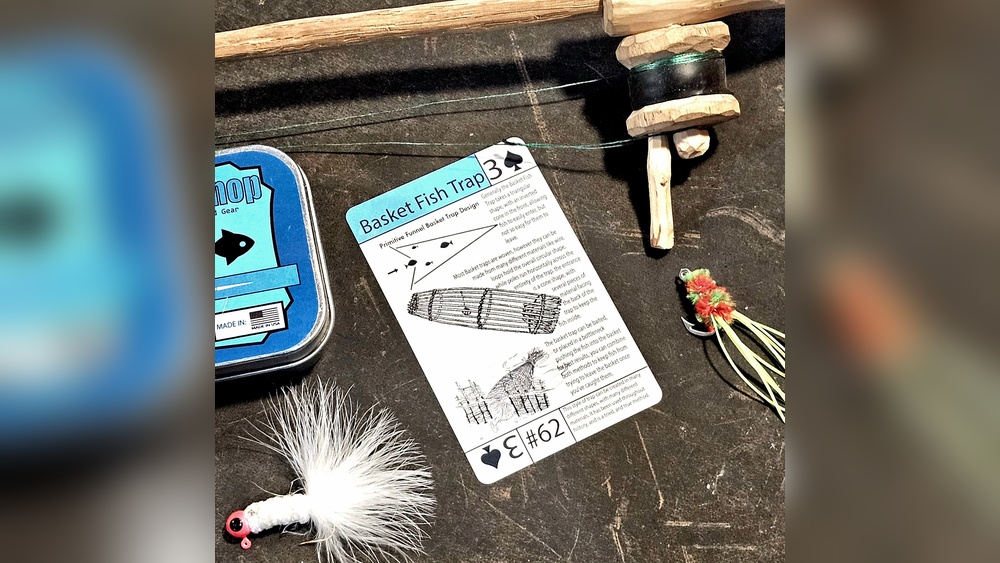
Use natural materials like sticks, reeds, or bamboo. Shape them into cones or baskets with a narrow opening. Fish swim inside but find it hard to escape. Secure the trap with stones or stakes to keep it stable underwater. Check traps often to avoid losing catch or damage.
Placement And Camouflage Tips
Place traps and nets near fish paths or shallow water. Use rocks, leaves, and mud to hide them. Avoid shiny or unnatural materials that scare fish. Check water flow to prevent traps from washing away. Proper placement and camouflage increase catch success.
Maintaining And Repairing Gear
Keeping your survival fishing gear in good shape is key to a successful fishing trip. Regular maintenance prevents gear failure at crucial moments. Repairing small issues quickly saves time and money. Clean and store your equipment properly to extend its life. Here are some simple steps to maintain and repair your fishing gear effectively.
Fixing Lines And Hooks
Check fishing lines often for cuts or weak spots. Replace damaged lines immediately to avoid losing fish. Untangle knots carefully to prevent breaking the line. Sharpen hooks regularly to ensure they catch well. Replace rusty or bent hooks with new ones. Carry spare lines and hooks to handle quick repairs.
Cleaning And Drying Equipment
Rinse gear with fresh water after use, especially in saltwater. Salt and dirt can cause rust and damage. Dry rods, reels, and lines completely before storage. Use a soft cloth to wipe all parts. Avoid leaving wet gear in dark or damp places. Clean reels by removing dirt and old grease for smooth operation.
Storing Gear Safely
Store fishing gear in a cool, dry place away from direct sunlight. Use tackle boxes with compartments to organize hooks, lines, and lures. Hang rods vertically or lay them flat to avoid bending. Keep sharp objects separate to prevent damage or injury. Check stored gear regularly for signs of wear or pests.
Safety And Environmental Tips
Safety and care are key when making and using survival fishing gear. Protecting yourself and nature ensures fishing stays safe and fun. Follow simple rules to avoid injuries and harm to wildlife. Respect the environment to keep it healthy for future trips.
Handling Hooks Carefully
Hooks are sharp and can cause injury. Always hold hooks by the shank, not the point. Keep hooks in a container when not in use. Use pliers to remove hooks from fish safely. Never leave hooks on the ground or in water.
Respecting Wildlife
Fish and animals deserve respect. Avoid catching more fish than needed. Release small or protected fish gently back to water. Do not disturb nests or habitats near fishing spots. Observe animals quietly without chasing or feeding them.
Leave No Trace Practices
Take all trash and fishing gear with you. Do not leave broken lines or hooks behind. Pack out used bait containers and packaging. Choose natural bait to reduce pollution. Keep fishing spots clean for others to enjoy.
Frequently Asked Questions
What Materials Are Needed For Survival Fishing Gear?
You need strong fishing line, hooks, sinkers, and a lightweight rod or sturdy stick. Include a sharp knife and bait like insects or small fish. These essentials ensure you can catch fish effectively in survival situations.
How Do I Make A Simple Survival Fishing Hook?
Bend a small, sturdy piece of metal or wire into a hook shape. Sharpen one end for piercing and create a small eye for the line. This DIY hook works well when conventional hooks aren’t available.
Can I Use Natural Materials For Fishing Gear?
Yes, you can use vines for line, bone or wood for hooks, and stones as weights. These natural items can substitute traditional gear when resources are limited in the wild.
How To Store Survival Fishing Gear For Emergencies?
Keep your gear in a waterproof container or pouch. Organize items to avoid tangling and damage. Proper storage ensures your fishing tools remain ready and functional during survival situations.
Conclusion
Making your own survival fishing gear can keep you safe and fed. It takes simple tools and some practice to build useful items. Always carry basic materials in your survival kit. Practice using your gear before an emergency happens. Stay calm and patient while fishing in tough situations.
Remember, being prepared helps you face challenges better. Keep learning and improving your skills over time. Survival fishing gear is a small step toward self-reliance and confidence in the wild.