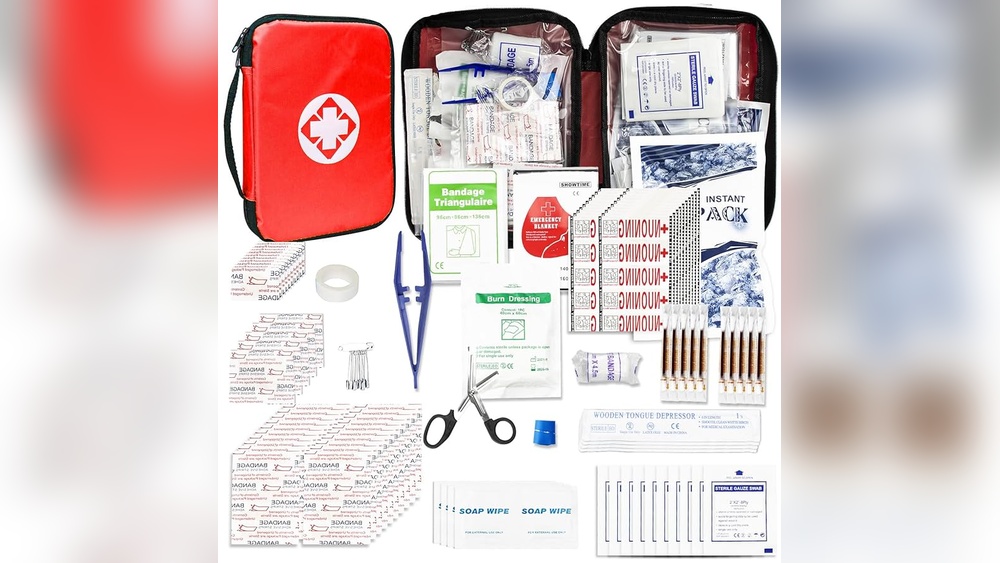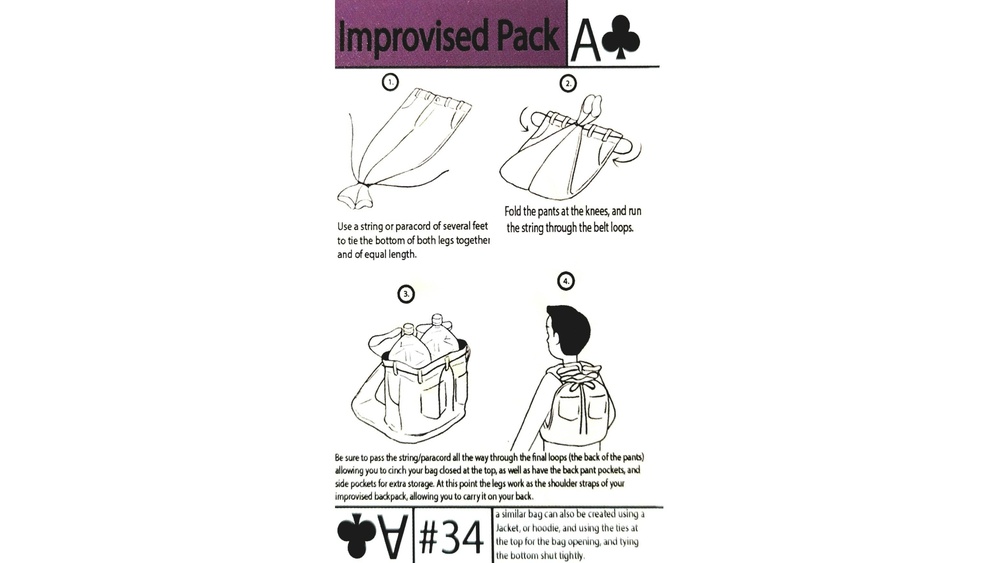
When it comes to staying safe in unexpected situations, having the right survival gear can make all the difference. But buying expensive kits isn’t your only option—you can create your own gear tailored exactly to your needs.
Imagine knowing how to build tools and equipment that keep you comfortable and secure no matter where you are. In this guide, you’ll discover simple, practical steps to make survival gear using items you might already have. Ready to take control of your safety and be prepared for anything?
Let’s dive in and start crafting your own survival essentials.
Basic Survival Gear Essentials
Basic survival gear is the foundation for staying safe outdoors. These essentials help you handle emergencies and unexpected situations. Choosing the right gear can make a big difference in tough conditions.
Focus on items that last long, serve multiple purposes, and are easy to carry. These qualities improve your chances of survival and reduce the weight you carry.
Selecting Durable Materials
Durability matters most in survival gear. Choose materials that resist wear and tear. Strong fabrics like nylon or canvas work well for bags and clothing. Metal tools should be rust-resistant and solid.
Durable gear stays reliable after rough use. It protects you and saves money over time.
Multi-use Tools
Multi-use tools save space and add value. A knife that also opens cans or a tool with screwdrivers is useful. Look for gear that combines functions without breaking.
These tools reduce what you carry. They provide several benefits in one compact item.
Compact And Lightweight Items
Compact gear fits easily in your pack. Lightweight items reduce your overall load. Both qualities make travel easier and faster.
Choose small, light tools that still offer strong performance. Avoid bulky or heavy items that slow you down.
Diy Survival Kit Components
Building a survival kit by yourself helps you stay ready for emergencies. Choosing the right parts is key for safety and comfort. This guide covers simple tools for water, fire, and shelter. Each tool you make increases your chances of survival.
Creating Water Purification Tools
Clean water is vital. You can make a basic filter using sand, charcoal, and gravel. Use a plastic bottle to hold layers of these materials. Pour water through slowly. It removes dirt and some germs. Boiling water after filtering makes it safer. Another option is using iodine tablets or drops. They kill bacteria and viruses. Carry a small container for these tablets in your kit.
Building Fire Starters
Fire provides warmth, light, and a way to cook. Make fire starters from cotton balls dipped in petroleum jelly. Store them in a waterproof container. Dry leaves, small twigs, and bark help start fires too. Use a magnesium striker or flint stone to create sparks. Keep these items dry and easy to reach. Practice lighting a fire before you need it.
Crafting Shelter Materials
Shelter protects you from weather and insects. Use a tarp or strong plastic sheet as a roof. Rope or paracord helps tie the shelter parts together. Collect leaves, pine needles, or grass for insulation. These materials keep you warm on cold nights. Build a simple frame with sticks or poles. Practice setting up your shelter quickly and safely.
Storage And Organization Tips
Proper storage and organization are key to making survival gear useful. Gear that is neat saves time and stress. It helps you find what you need fast. It also protects your items from damage and weather. Simple storage tips can keep your gear ready for any situation.
Using Waterproof Containers
Waterproof containers keep gear dry and safe. They protect against rain, spills, and humidity. Use plastic or metal boxes with tight seals. Store important items like matches, first aid supplies, and electronics inside. Clear containers help you see contents without opening. This saves time and keeps gear organized.
Labeling And Inventory Management
Label each container clearly. Use large, easy-to-read labels. Write what is inside and the date packed. Keep a list or inventory of all items. Check the list regularly to track supplies. Replace used or expired items quickly. Good labeling prevents confusion and wasted time.
Easy Access Strategies
Place frequently used items where you can reach them fast. Use smaller pouches for quick-grab essentials like knives or flashlights. Store heavier gear at the bottom and lighter gear on top. Keep your storage area clean and tidy. This helps you move quickly in an emergency.

Credit: www.wikihow.com
Improving Gear Functionality
Improving the functionality of survival gear makes a big difference in tough situations. Small changes can help gear work better and last longer. This section explains simple ways to customize and strengthen your gear. These tips also add safety and make your equipment ready for any challenge.
Customizing For Climate Conditions
Adapt your gear to the weather you expect. Use waterproof materials for wet places. Add insulation layers for cold climates. Choose breathable fabrics for hot, dry areas. Adjust gear size for comfort and mobility. Simple tweaks keep you safe and dry.
Enhancing Durability
Make your gear last with strong materials. Sew extra stitches on weak spots. Use heavy-duty tape on seams. Replace plastic parts with metal if possible. Store gear properly to avoid damage. Strong gear means fewer failures in emergencies.
Adding Safety Features
Include features that protect you during use. Attach reflective strips for night visibility. Add whistles or signal mirrors for help. Use fire-resistant fabrics near heat sources. Keep sharp tools sheathed securely. Safety features help prevent accidents and aid rescue.
Maintenance And Upkeep
Maintaining survival gear keeps it ready for emergencies. Proper upkeep extends the life of your tools and supplies. Neglecting maintenance can lead to failures at critical moments. Simple routines ensure your gear works when you need it most.
Regular Inspection Routines
Check your gear often to spot problems early. Look for cracks, rust, or loose parts. Test tools to confirm they function well. Schedule inspections monthly or after each use. Keep a checklist to track each item’s condition.
Cleaning And Repair Techniques
Clean gear after every use to remove dirt and grime. Use mild soap and water for most items. Dry gear thoroughly to prevent rust and mold. Fix small damages immediately to avoid bigger problems. Tighten screws, oil moving parts, and replace broken pieces.
Replacing Expired Items
Some gear has a shelf life and must be replaced. Check expiration dates on food, water, and medical supplies. Swap out old batteries and fire-starting materials regularly. Keep your survival kit stocked with fresh essentials. Use a calendar to remind you when to replace items.

Credit: outdoors.stackexchange.com
Packing For Different Scenarios
Packing survival gear requires careful thought about the situation. Different emergencies need different tools. You must prepare for where you are and what might happen.
Survival kits vary greatly between city life, wilderness, and vehicle emergencies. Each setting has unique challenges and needs. Your packing list should match these specific demands.
Urban Survival Kits
Urban survival kits focus on quick escape and self-defense. Include items like a flashlight, whistle, and a small first aid kit. Carry a multi-tool and water purification tablets. Masks and gloves help in crowded or dirty places. Keep copies of important documents and cash. Compact size matters for easy carry in the city.
Wilderness Preparation
Wilderness kits need tools for shelter, fire, and navigation. Pack a sturdy knife, fire starters, and a compass. Include a lightweight tent or tarp and a sleeping bag. Water filters and high-energy food are essential. Pack insect repellent and sun protection. These items help you stay safe far from help.
Emergency Vehicle Kits
Vehicle kits prepare for breakdowns or road accidents. Include jumper cables, a tire repair kit, and a flashlight. Pack water, snacks, and a blanket. Add a first aid kit and basic tools. Reflective triangles and a whistle help alert others. Keep these items in an easy-to-access container in your car.
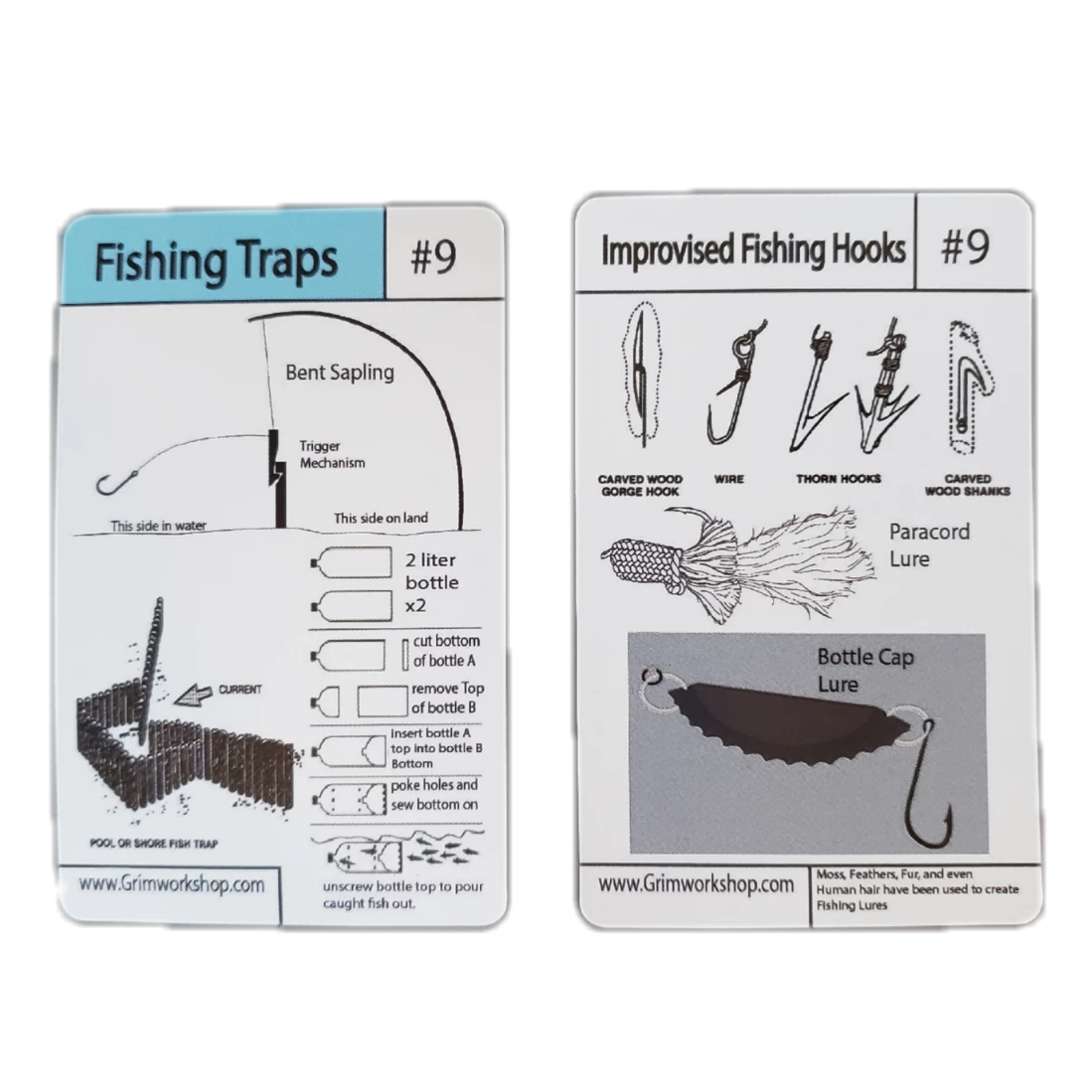
Credit: grimworkshop.com
Frequently Asked Questions
What Essential Materials Are Needed For Survival Gear?
Essential materials include sturdy fabric, paracord, fire starters, a knife, and a water container. These items ensure shelter, fire, cutting ability, and hydration, which are crucial in survival situations.
How Can I Make A Basic Survival Kit At Home?
Gather compact, multi-use tools like a knife, compass, whistle, and first aid supplies. Organize them in a waterproof container for easy access during emergencies.
What Tools Should I Prioritize In Diy Survival Gear?
Prioritize a reliable knife, fire starter, water purifier, and signaling device. These tools help with shelter, warmth, hydration, and rescue in critical situations.
How Do I Choose Materials For Making Survival Gear?
Choose lightweight, durable, and waterproof materials. Focus on functionality and portability to enhance ease of use and long-term survival effectiveness.
Conclusion
Making your own survival gear helps you stay safe and prepared. Start with simple tools and add items step by step. Use materials you can find easily around you. Practice using your gear often to know it well. Being ready gives you confidence in tough situations.
Keep learning new skills to improve your survival kit. Small efforts now can make a big difference later. Stay calm, stay prepared, and trust your gear. Your safety depends on what you carry and how you use it.