Imagine being in a tough situation where every second counts, and your survival gear is the key to staying safe. How you pack that gear can make all the difference between being prepared and being overwhelmed.
You want your essentials easy to find, well-organized, and ready to use when you need them most. You’ll discover simple, smart ways to pack your survival gear that save time and reduce stress. Keep reading, because mastering this skill could be the difference that keeps you calm and ready in any emergency.

Credit: www.amazon.com
Choosing The Right Bag
Choosing the right bag for your survival gear is a crucial step. It affects how easily you carry your supplies. It also impacts how quickly you can access them. The right bag makes your journey safer and more efficient. Think about your needs before picking a bag. Your choice depends on the type of trip and gear you carry. The bag should fit your body and your load comfortably.
Backpack Vs. Duffel Bag
Backpacks keep your hands free for other tasks. They distribute weight evenly across your shoulders and back. This helps reduce fatigue on long trips. Backpacks often have many compartments. These help organize gear and keep items easy to find. Duffel bags offer more open space. They allow packing bulky or oddly shaped items. Duffel bags are easier to pack quickly. However, they can be harder to carry for long distances. Choose a backpack for hands-free movement and organization. Pick a duffel bag for bulky gear and short hauls.
Size And Weight Considerations
Your bag should be large enough for essentials but not too big. Heavy bags slow you down and tire you quickly. A smaller bag limits what you can carry. A very large bag may tempt you to bring too much. Balance size and weight carefully. Consider the length of your trip and the climate. Pack only what you need to stay safe and comfortable. A lighter bag means faster travel and less strain.
Durability And Weather Resistance
Survival gear bags must endure rough conditions. Choose bags made from strong materials like nylon or canvas. Check for reinforced stitching and sturdy zippers. Weather resistance protects your gear from rain and moisture. Look for bags with water-resistant coatings or rain covers. Durable bags last longer and protect your supplies better. A good bag keeps your gear dry and secure in any weather.
Essential Gear Categories
Packing survival gear requires careful selection of essential items. These items fall into key categories. Each category supports a basic survival need. Organizing gear by category helps ensure nothing important is missed. Proper packing also makes gear easy to find in emergencies.
Shelter And Sleeping Equipment
Shelter protects you from weather and insects. Choose lightweight tents, tarps, or emergency blankets. Sleeping bags or pads keep you warm and comfortable. Compact and durable items save space and weight.
Water And Hydration Tools
Water is vital for survival. Carry bottles or hydration bladders for storage. Include water filters or purification tablets to ensure safety. Easy access to clean water prevents dehydration and illness.
Food And Cooking Supplies
Pack non-perishable, high-energy foods like nuts, dried fruit, or energy bars. A small stove or portable burner allows cooking. Lightweight pots and utensils complete your cooking kit. Ready-to-eat options save time and effort.
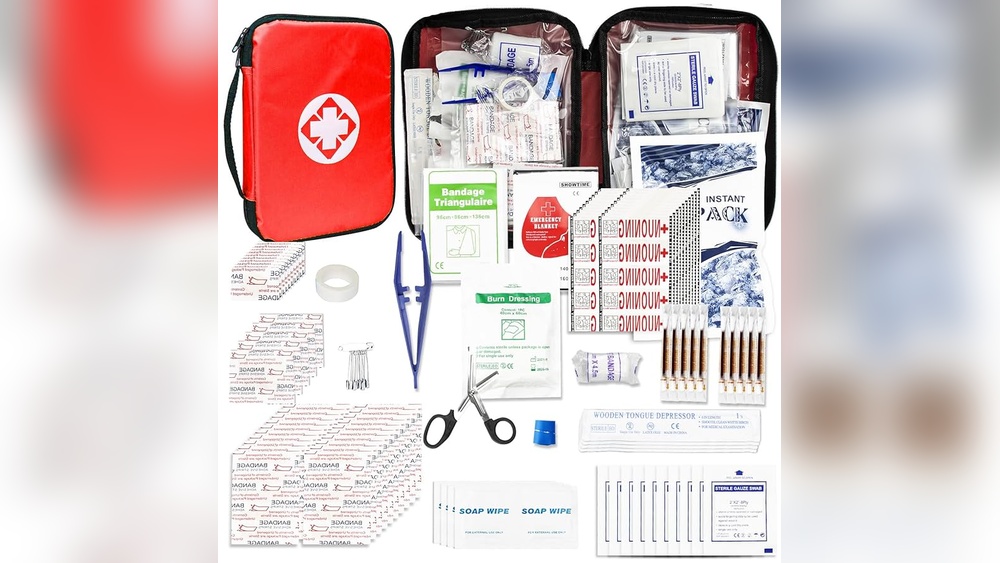
First Aid And Medical Kits
First aid kits handle injuries and prevent infections. Include bandages, antiseptics, pain relievers, and any personal medications. Keep the kit organized for quick use. Basic medical knowledge improves effectiveness.
Navigation And Communication Devices
Maps and compasses guide you through unfamiliar areas. GPS devices offer precise location tracking. Carry a whistle or signal mirror for emergency communication. Radios or satellite phones improve contact in remote zones.
Tools And Repair Items
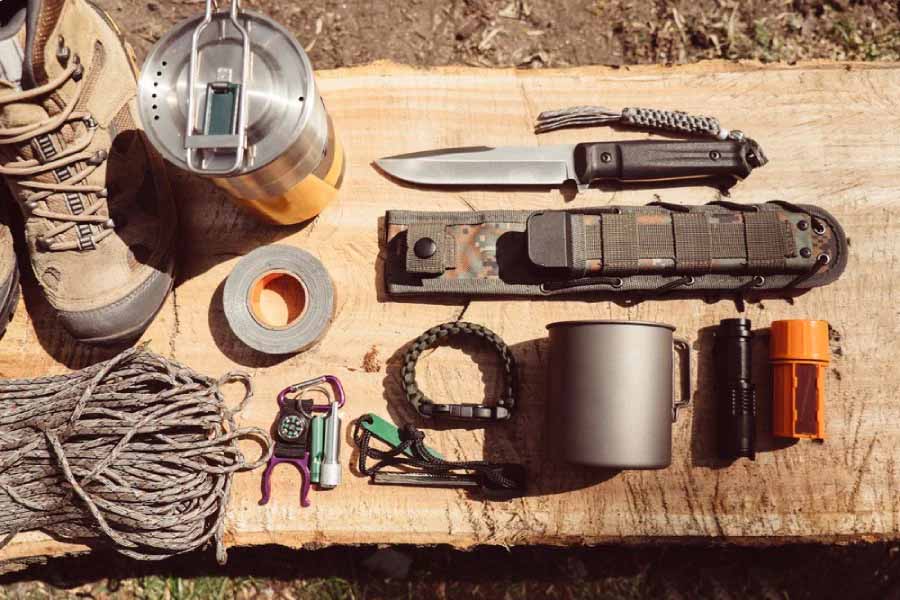
Multi-tools combine several functions in one device. Knives, axes, or saws help with cutting and building. Duct tape and paracord assist in repairs and securing gear. Choose durable tools that fit your survival plan.
Clothing And Personal Protection
Wear weather-appropriate clothes to regulate body temperature. Waterproof jackets and sturdy boots protect against harsh conditions. Gloves and hats offer additional safety. Pack extra layers for changing weather.
Packing Techniques
Packing survival gear needs careful thought and smart methods. Proper packing techniques save space and keep essentials ready. This section covers key ways to pack gear for easy use and safety.
Organizing By Priority
Put the most important items at the top or outside. Think about what you need fast, like water and first aid. Group similar things together. This keeps gear easy to find and reduces stress in tough situations.
Using Compression Bags
Compression bags shrink bulky clothes and sleeping bags. They save space and keep gear dry. Press out air before sealing. These bags make your pack lighter and more compact.
Balancing Weight Distribution
Place heavy items close to your back and center. This balance helps avoid strain and improves walking comfort. Spread weight evenly on both sides. A well-balanced pack keeps you stable on rough paths.
Accessibility Of Critical Items
Store vital tools like knives, maps, and flashlights where you can reach them fast. Use outer pockets for quick access. Avoid burying these items deep inside. Easy access helps you stay safe and ready.
Credit: hltactical.com
Customizing Gear For Different Scenarios
Survival gear must fit the situation you might face. Different environments need different tools and supplies. Customizing your pack helps you stay ready and safe. It saves space and makes carrying easier. Think about where you will be and what problems might come up. Then choose items that match those needs.
Urban Survival Packs
Urban packs focus on everyday dangers in cities. Include items for self-defense, like pepper spray or a whistle. Carry a small first aid kit for minor injuries. Pack a flashlight and extra batteries for power outages. Add copies of important documents and cash. A portable phone charger helps keep communication open. Keep food and water that last but don’t take much space.
Wilderness Survival Packs
Wilderness packs prepare you for nature’s challenges. Bring a sturdy knife and fire-starting tools. Include a water filter or purification tablets. Pack lightweight shelter like a tarp or emergency blanket. Carry food that is easy to cook or eat raw. Include a map and compass for navigation. Add insect repellent and sun protection. These items help you survive in forests or mountains.
Vehicle Emergency Kits
Vehicle kits address roadside emergencies. Include jumper cables and a tire repair kit. Pack a flashlight and road flares for visibility. Add basic tools like a wrench and screwdriver. Keep blankets and warm clothes for cold weather. Store bottled water and non-perishable snacks. Include a first aid kit for accidents. These items help you stay safe during car troubles.
Maintenance And Regular Updates
Maintaining and updating your survival gear is vital. Gear that is in good shape ensures safety and readiness. Regular checks prevent surprises during emergencies.
Checking Expiry Dates
Many survival items have expiry dates. Food, water, and medical supplies lose effectiveness over time. Mark a calendar to check these dates often. Dispose of expired items carefully. Replace them with fresh supplies to stay prepared.
Replacing Used Or Damaged Items
Use your gear regularly to know what works. Items used or damaged must be replaced quickly. Broken tools or torn clothes can cause problems. Keep a list of gear and update it after each use. This habit keeps your kit reliable and complete.
Seasonal Adjustments
Weather changes affect your gear needs. Add warm clothes in winter and sun protection in summer. Adjust your supplies for rain or dry seasons. Check your shelter and sleeping bags for seasonal suitability. Proper gear for each season helps survive comfortably and safely.

Credit: www.amazon.com
Packing Tips For Long-term Storage
Packing survival gear for long-term storage needs careful planning. Proper packing keeps gear safe and ready for use. It prevents damage and loss over time. Follow simple steps to protect your items and stay organized.
Protecting Against Moisture
Moisture causes rust, mold, and damage to gear. Use airtight containers to stop water from entering. Add silica gel packs inside to absorb moisture. Store gear in a dry, cool place away from humidity. Check containers regularly to ensure they stay sealed.
Avoiding Pest Damage
Pests like rodents and insects can ruin supplies. Use heavy-duty plastic bins with tight lids to keep pests out. Wrap food items in vacuum-sealed bags for extra protection. Place natural repellents, such as cedar blocks, near the storage area. Keep the area clean and free of crumbs.
Labeling And Inventory Management
Label each container clearly with its contents and date packed. Create an inventory list to track all items. Update the list when adding or removing gear. Keep a copy of the list outside the storage area for quick reference. This saves time and helps find items fast.
Frequently Asked Questions
What Essential Survival Gear Should I Pack First?
Start with water, food, and shelter supplies. Include a reliable water filter, non-perishable food, and a compact tent or tarp. Prioritize items that ensure your basic needs are met for survival.
How Do I Organize Survival Gear Efficiently?
Use waterproof bags and clear containers. Group items by function like first aid, food, and tools. Label each container for quick access and keep frequently used items on top.
What Weight Limit Is Ideal For Survival Gear?
Aim for a pack weight between 20-30% of your body weight. This balance ensures mobility without sacrificing essential items. Adjust based on trip length and terrain difficulty.
Should I Include Multi-tools In My Survival Pack?
Yes, multi-tools save space and add versatility. They combine knives, pliers, screwdrivers, and more, reducing the need for multiple separate tools. Choose a durable, high-quality option.
Conclusion
Packing survival gear takes planning and care. Choose items that fit your needs and environment. Keep your gear light but useful. Organize everything so you can find it fast. Regularly check and update your supplies. Being ready makes a big difference in emergencies.
Stay safe and confident with the right gear. Practice packing often to improve your skills. Remember, good preparation helps you stay calm. Your survival depends on what you carry and how you use it.