
Your defenses in Last Shelter Survival are your lifeline. When they break, your entire base becomes vulnerable to enemy attacks.
Knowing how to repair defenses quickly can save your resources, troops, and hard-earned progress. In this guide, you’ll discover simple, effective steps to restore your defenses fast and keep your shelter strong. Ready to protect what’s yours? Keep reading to learn the best strategies that will make your base nearly unstoppable.
Credit: lss.fandom.com
Types Of Defenses
Defenses in Last Shelter Survival include walls, traps, and turrets that protect your base. Repairing them keeps your base strong and ready for attacks. Use resources wisely to fix each type quickly and maintain your defense.
In Last Shelter Survival, your defenses are critical to the survival of your base against relentless enemy attacks. Understanding the different types of defenses and how to repair them can make the difference between a thriving settlement and a smoldering ruin. Let’s dive into the various defenses you can use to fortify your base and how you can keep them in top shape.Walls
Walls are your first line of defense, standing tall against incoming threats. They act as barriers, slowing down enemies and giving your forces the chance to react. To repair damaged walls, ensure you have enough resources like iron and concrete. Regularly check for weak spots and reinforce them to prevent breaches.Traps
Traps are hidden surprises for unsuspecting enemies, designed to inflict damage and disrupt their advance. From spike pits to explosive devices, they can turn the tide of battle in your favor. Keep an eye on their durability, as traps can wear out after repeated use. Replenish your stock of traps and repair them using materials like wood and metal fragments to maintain their effectiveness.Turrets
Turrets provide automated firepower, targeting enemies with precision. They are essential for defending key areas of your base, especially when you’re occupied elsewhere. Ensure turrets are fully operational by regularly inspecting their condition and refilling their ammunition. Consider upgrading them for enhanced firepower and range to keep enemies at bay.Barricades
Barricades are versatile defenses that can be quickly deployed to block enemy movement. They are excellent for creating chokepoints and buying time during an assault. Check the health of your barricades regularly and use materials like wood and metal to repair any damage. Keep spare barricades in your inventory for emergencies. Are you consistently maintaining your defenses, or are you leaving your base vulnerable to attacks? Taking proactive steps to repair and upgrade your defenses can significantly enhance your survival chances in Last Shelter Survival. Prioritize these strategies and watch your enemies struggle to breach your fortress.
Credit: lss.fandom.com
Common Damage Sources
Defenses in Last Shelter Survival face damage from several common sources. Understanding these helps players prepare better repairs and strengthen their base. Damage weakens walls, traps, and other key structures, risking the whole shelter’s safety.
Players must know what causes most harm to prioritize repairs and resource use. Damage often comes quickly and unexpectedly. Being ready saves time and resources in the long run.
Enemy Raids
Enemy raids are the main threat to your shelter’s defenses. Other players or NPC enemies attack your base to steal resources and destroy buildings. Raids often target weak points in your walls or gates.
Raids cause heavy damage to defensive structures like walls, turrets, and traps. The more advanced the enemy, the stronger their attacks and the more damage they do. Repairing after raids is urgent to avoid further losses.
Zombie Attacks
Zombies attack in waves and focus on breaking through your defenses. Their numbers can overwhelm weak points quickly. Defenses like barricades and traps suffer constant wear during these attacks.
Zombie attacks drain your shelter’s health and consume resources to fix damages. Keeping defenses strong before attacks reduces repair time and resource loss. Continuous repair is needed during extended zombie waves.
Resource Depletion
Resource depletion happens when repairing uses up too many materials like wood, metal, and stone. Running low on resources slows repair work and leaves defenses vulnerable. Efficient resource management is key.
Gathering enough resources before and after damage keeps repairs quick and smooth. Repairing small damages early prevents larger, costlier fixes later. Balancing resource use between repairs and upgrades is critical for survival.
Gathering Repair Materials
Gathering repair materials is essential for keeping your defenses strong in Last Shelter Survival. Without the right resources, your base becomes vulnerable to attacks. Knowing where and how to collect these materials efficiently can save you time and strengthen your position in the game.
Wood And Metal
Wood and metal form the backbone of most repairs. You can collect wood by sending your troops to gather from forests or by upgrading your lumber mills. Metal, on the other hand, is found in mines or scrap yards.
Keep an eye on your inventory levels and plan your gathering trips around what you need most. Have you ever run out of metal right before a big repair? It’s frustrating and avoidable if you track your resources closely.
Tools And Equipment
Tools and equipment are just as important as raw materials. They improve repair speed and efficiency. You can craft these items in your workshop using basic components like bolts and gears.
Don’t overlook quests and events that reward tools; they can give you a quick boost. Think about how often you’ve delayed repairs because you lacked the right tool—getting ahead on this can make a big difference.
Resource Farming Tips
- Prioritize upgrading resource buildings to increase output.
- Send troops to resource-rich zones that match your current needs.
- Join alliances to benefit from shared resource bonuses and protection.
- Use speed-ups wisely to maximize gathering efficiency during critical times.
- Balance your resource farming with defense repairs to avoid shortages.
Have you ever tried focusing too much on one resource and ended up stuck without others? Balancing your farming efforts ensures you always have the materials you need for repairs and upgrades.
Repairing Walls And Barriers
Walls and barriers protect your base from enemy attacks in Last Shelter Survival. Keeping them strong ensures your resources and troops stay safe. Repairing these defenses quickly after damage is key to maintaining your base’s strength.
Damaged walls can slow down enemy advances. Barriers block direct entry points. Both need prompt repairs to prevent further harm during raids.
Step-by-step Repair Process
- Open your base view and tap on the damaged wall or barrier.
- Check the repair option and confirm the required resources.
- Start the repair using available materials like wood or metal.
- Wait for the repair timer to complete or speed it up if needed.
- Repeat for all damaged sections to restore full defense strength.
Prioritizing Critical Structures
Focus on walls and barriers near resource buildings first. These areas attract the most attacks. Repairing them protects your supplies and helps maintain growth.
Guard entrances and choke points to delay enemies. Strong defenses there give your troops more time to respond. Fix these spots before less critical areas.
Keep an eye on structures with heavy damage. They are weak points enemies can exploit. Prioritize repairs to avoid breaches and costly losses.
Fixing Traps And Turrets
Fixing traps and turrets is essential to keep your base in Last Shelter Survival secure. These defenses take the brunt of enemy attacks and wear down over time. Regularly repairing them ensures your defenses don’t falter when you need them most.
Maintenance Tips
Check your traps and turrets after every battle. Damage can accumulate fast, and ignoring small repairs leads to bigger problems. Make it a habit to repair them using the resources you gather, like metal and wood.
Keep an eye on your defense status through the base interface. It shows which traps or turrets need immediate attention. Waiting too long can leave your base vulnerable to the next raid.
Don’t forget to keep your repair kits stocked. They speed up the fixing process and save you valuable time during intense raids. Have you ever been caught off guard because you didn’t repair your turrets in time?
Upgrading For Better Defense
Upgrading traps and turrets increases their durability and damage output. The stronger your defenses, the longer they last under attack. Spend your upgrade materials wisely, focusing on the most frequently targeted areas first.
Consider the type of attackers you face most often. If you’re battling heavily armored enemies, upgrading turrets might be more effective. If speed is an issue, enhancing traps to slow down enemies can give your turrets extra time to do damage.
Upgrades also unlock new defense features, like faster reload speeds or wider attack ranges. Have you experimented with different upgrade paths to find what fits your play style best? Upgrading isn’t just about power—it’s about strategic advantage.

Credit: lss.fandom.com
Using Alliance Support
Using alliance support is a key way to repair defenses in Last Shelter Survival. Alliances bring strength through teamwork. They offer resources, troops, and strategic help that boost your defense quickly. Relying on your alliance creates a strong network that protects your base and repairs damage faster.
Working together with your alliance members builds trust and power. It allows you to face stronger enemies and survive attacks. Here are two essential parts of using alliance support effectively.
Requesting Help
Start by asking your alliance for help when your defenses are weak. Use the in-game chat or help request feature. Clear communication shows what kind of support you need.
Request resources like wood, steel, or food to repair walls and towers. Ask for troops to defend while you rebuild. Allies usually respond faster to direct requests.
Be polite and specific. For example:
- “Need 500 steel to fix my south wall.”
- “Help with 100 archers to guard my base.”
Help others in your alliance too. This creates a cycle of support and trust.
Coordinated Defense Strategies
Plan defense with your alliance to protect each other. Share information about enemy attacks and weak spots. Coordinate troop movements to cover multiple bases.
Use alliance chat to set defense times and assign roles. Some players focus on repairing, others on fighting.
Create a defense schedule. For example:
| Time | Task | Player |
|---|---|---|
| Morning | Repair walls | Player A |
| Afternoon | Scout enemies | Player B |
| Evening | Guard base | Player C |
This keeps defenses strong at all times. Allies also share troops to form larger armies. This stops attacks and gives time to rebuild.
Preventing Future Damage
Preventing future damage to your defenses keeps your shelter strong and your resources safe. It requires a mix of smart upgrades, careful planning, and ongoing care. Each part of your defense system should work together to stop attacks before they start.
Strengthening Defenses
Upgrade walls and traps regularly to boost their power. Use better materials to make structures harder to break. Train your troops to defend efficiently. Strong defenses reduce the chance of damage during raids.
Strategic Placement
Place key buildings and defenses in smart locations. Protect your resource storages by surrounding them with walls and turrets. Avoid clustering all defenses in one spot. Spread out your defenses to cover all angles of attack.
Regular Maintenance
Check your defenses often for weak spots or damage. Repair walls and traps quickly after attacks. Keep your troops ready by training them continuously. Regular upkeep ensures your shelter stays prepared for future threats.
Repairing Under Attack
Repairing your defenses while under attack in Last Shelter Survival can be a tense experience. You need to act fast to keep your base from crumbling. Managing repairs efficiently can turn the tide of battle in your favor and keep your resources intact.
Quick Fixes
When your base is under fire, waiting around to repair everything is not an option. Focus on fixing critical structures first, like walls and watchtowers, to maintain your defense line. Prioritize repairs that slow down or stop enemy advances immediately.
Use your repair teams wisely. Assign them to the most damaged areas instead of spreading them thin. This concentrated effort prevents weak spots from becoming gateways for attackers.
Have you noticed how quickly small repairs can stabilize your base? Even a few quick fixes can buy you time to prepare a counterattack or call for reinforcements.
Using Boosts And Items
Boosts and repair items are lifesavers when your defenses are taking a beating. Use repair kits to instantly restore health to your buildings without waiting. This immediate action keeps your structures standing longer during intense battles.
Speed boosts also help your repair teams work faster. Activating these can drastically cut down repair times, giving you an edge while the enemy presses on. Keep a stash of these items ready for moments when every second counts.
Think about the last time you held off a strong attack—did you have boosts ready to go? If not, consider stocking up to avoid feeling helpless in future raids.
Frequently Asked Questions
How Do I Repair Defenses In Last Shelter Survival?
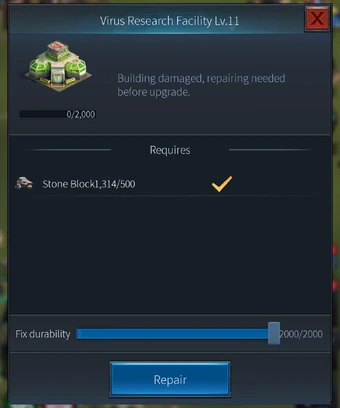
To repair defenses, tap on the damaged structure, then select the repair option. Use resources like wood, metal, and food for repairs. Maintaining your defenses ensures your base withstands enemy attacks efficiently.
What Resources Are Needed To Fix Defenses?
Common resources include wood, metal, and food. These materials are essential for repairing walls, traps, and other defense structures. Gather them through farming, scavenging, or trading to keep your defenses strong.
Can Defenses Be Repaired During Attacks?
No, you cannot repair defenses while under attack. Repairs must be done when your base is safe. Plan repairs between battles to maintain your base’s strength without risking failure.
How Long Does Defense Repair Take?
Repair time varies based on damage severity and structure type. Minor repairs take a few minutes, while major fixes may require hours. Use speed-ups or upgrade your Command Center to reduce repair times.
Conclusion
Repairing defenses in Last Shelter Survival keeps your base safe. Regular checks help spot damage early. Use available resources wisely to fix walls and traps. Quick repairs stop enemies from breaking in. Staying prepared improves your chances in battles. Keep your defenses strong to protect your shelter.
Small efforts lead to big protection. Practice repairs often and stay alert. Your base depends on how well you maintain it. Simple steps make a big difference in survival.