Have you ever thought about what you would do if an emergency suddenly cut off your access to food? Starting your own emergency food storage might feel overwhelming, but it doesn’t have to be.
Imagine having peace of mind knowing you and your loved ones can stay safe and nourished no matter what happens. This guide will show you simple, practical steps to build your emergency food stash without stress or confusion. Keep reading, and you’ll discover how easy it is to prepare yourself for the unexpected—starting today.
Credit: www.motherearthnews.com
Choosing The Right Food
Choosing the right food for your emergency storage can make a huge difference in how well you and your family cope during unexpected situations. You want food that lasts long but also keeps you healthy and satisfied. The challenge is finding items that balance shelf life, nutrition, and personal needs without overwhelming your pantry.
Non-perishable Options
Non-perishable foods are the backbone of any emergency food supply. These items last months or even years without refrigeration, making them ideal for long-term storage. Think canned beans, rice, pasta, dried fruits, and powdered milk.
Look for foods sealed in airtight containers or vacuum packs. These keep moisture and pests out, preserving freshness. Don’t forget about ready-to-eat options like canned tuna or nut butters—they require no cooking and provide quick energy.
Nutritional Balance
Stocking food isn’t just about calories—it’s about keeping your body fueled with the right nutrients. Your emergency stash should include proteins, carbohydrates, fats, vitamins, and minerals. Without balance, you might feel weak or get sick during stressful times.
Add a variety of beans, nuts, and whole grains for protein and fiber. Include canned vegetables and fruits for essential vitamins. Consider multivitamin supplements as a backup, but fresh or frozen is impossible—so think smart about what you store.
Dietary Restrictions
Everyone has unique dietary needs, and emergencies don’t pause health conditions or allergies. If you or your family members have restrictions, make sure your emergency food respects them. Gluten-free, low-sodium, or diabetic-friendly foods should be part of your plan.
Test the foods you buy to ensure they agree with you. It’s no help to have stored meals that cause discomfort or worse. What special dietary needs do you have that could affect your emergency food choices?
Estimating Food Quantities
Estimating food quantities is vital for starting an emergency food storage plan. It ensures you have enough supplies without wasting space or money. Accurate estimates help maintain balance and meet your family’s needs during uncertain times.
Calculating Daily Needs
Calculate the amount of food each person needs per day. Focus on calories, proteins, fats, and carbohydrates. Average daily calorie needs range from 1,800 to 2,500 calories depending on age and activity level.
Consider simple foods like rice, beans, and canned vegetables. These provide energy and nutrients. Estimate about 2,000 calories per person daily for planning.
Planning For Family Size
Count everyone in your household, including children and seniors. Each person has different food requirements. Children may need fewer calories, while adults need more.
Multiply daily food needs by the number of people. Keep extra food for guests or unexpected additions. Use this formula:
- Daily calories × Number of people = Total daily calories needed
Considering Storage Duration
Decide how long your emergency food should last. Common plans cover 3 days, 2 weeks, or 3 months. Longer storage requires more space and preservation methods.
Multiply total daily calories by the number of days. This gives the total calories to store. Plan for variety to avoid boredom and nutritional gaps.
Storage Techniques
Choose foods that last long and store them in airtight containers. Keep your storage cool, dry, and away from sunlight to prevent spoilage. Rotate supplies regularly to ensure freshness and readiness.
Storing emergency food effectively is crucial for ensuring your supplies remain safe and edible during unexpected situations. Efficient storage techniques can make a significant difference in both the longevity and quality of your food items. Whether you’re starting from scratch or enhancing an existing setup, understanding the best practices for storing emergency food can help you avoid spoilage and waste.Containers And Packaging
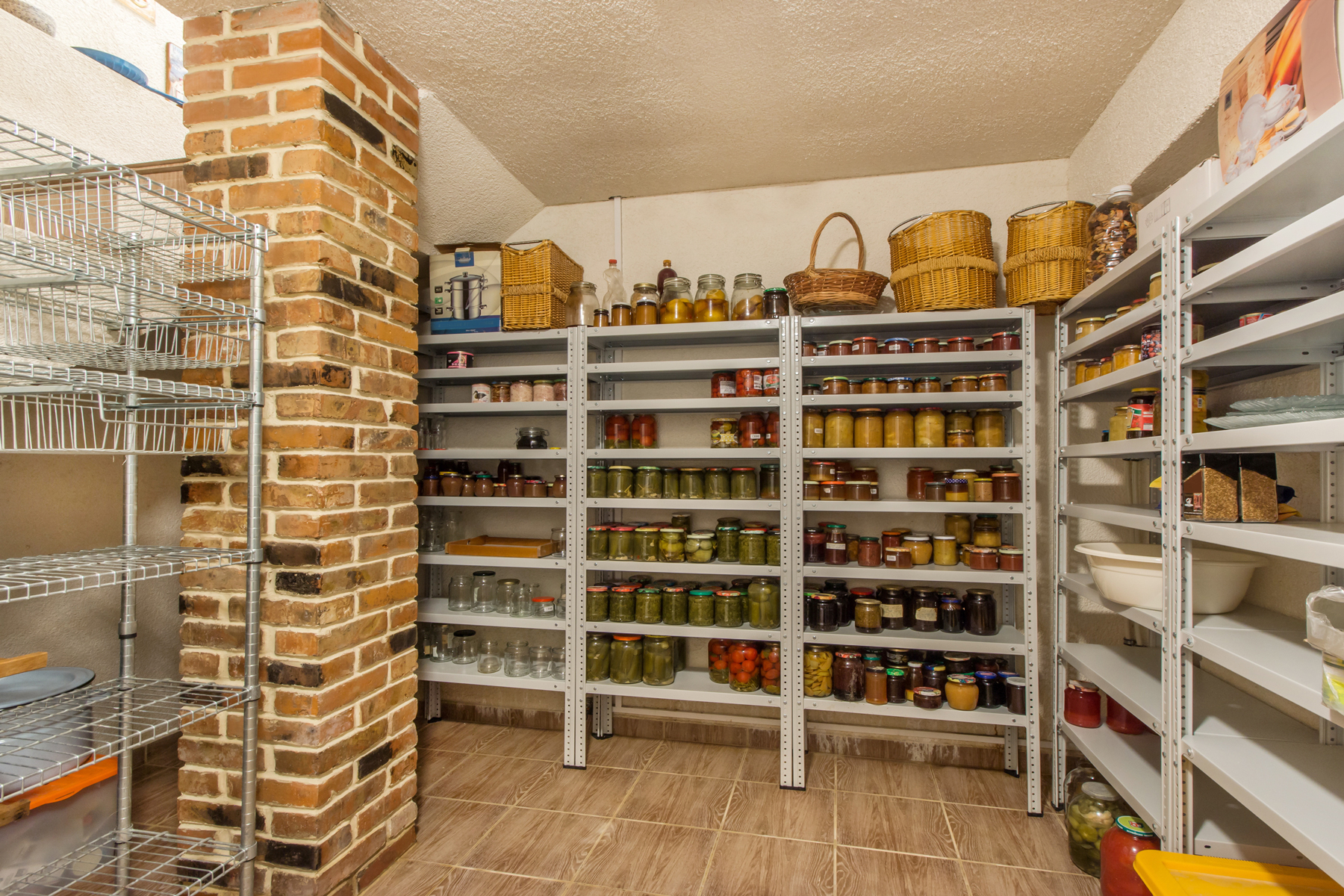
Choosing the right containers is the first step. Opt for airtight containers to prevent moisture and pests from getting in. Mylar bags paired with oxygen absorbers are excellent for long-term storage of grains and legumes. Consider using food-grade buckets for bulk items. They’re sturdy and can be stacked easily. Glass jars work well for smaller quantities and offer a visual inventory of your supplies. Don’t forget to label everything with expiration dates for quick reference.Temperature And Humidity Control
Temperature and humidity are critical factors in food preservation. Aim to store your supplies in a cool, dark place. Basements and pantries are often ideal locations. Keep the temperature consistent, ideally below 70°F. Fluctuations can shorten the shelf life of your food. Use a hygrometer to monitor humidity levels, ensuring they stay below 60% to prevent mold and spoilage.Organizing Your Supplies
An organized storage system can save you time and reduce stress during emergencies. Arrange your supplies by category—canned goods, grains, and dried foods—to make finding items easier. Use shelves to maximize vertical space and keep everything accessible. Rotate your stock regularly to use older items first. This practice helps maintain freshness and prevents waste. Think about creating an inventory list, either digital or on paper, to keep track of what you have and what needs replenishing. Have you ever had to dig through clutter to find a single item? Avoid that hassle by keeping your storage area tidy and well-organized. A little effort now can make a big difference when it truly matters.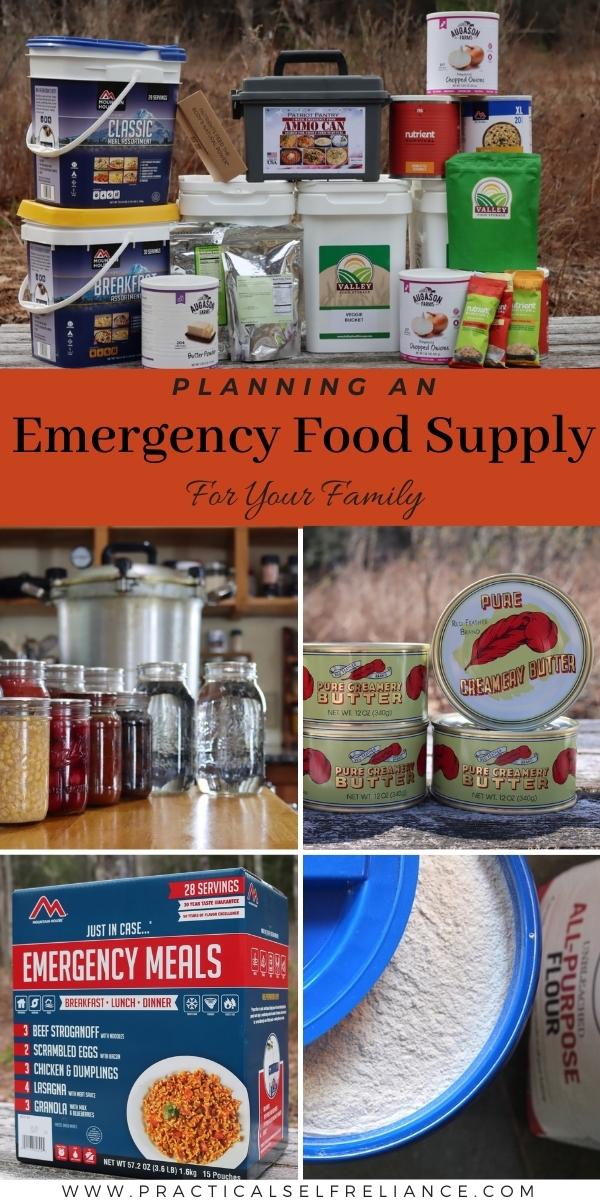
Credit: practicalselfreliance.com
Rotation And Maintenance
Keeping your emergency food storage fresh and reliable takes more than just buying supplies. Rotation and maintenance are key to ensuring your food stays safe and ready to use when you need it most.
Checking Expiration Dates
Regularly check the expiration dates on your stored food items. This simple habit prevents unpleasant surprises when you open a can or package.
Set a reminder every few months to review your stock. Spotting items nearing their expiration date early gives you time to use or replace them.
Replacing Used Items
Whenever you use something from your emergency stash, replace it immediately. This keeps your supply steady and prevents depletion during a crisis.
Think of your storage as a pantry you always want full. For example, if you open a bag of rice, buy another and add it back to your stock.
Keeping Inventory Records
Maintain a clear inventory list of what you have, including quantities and expiration dates. This helps you avoid buying duplicates or missing critical items.
You can use a simple spreadsheet or an app designed for inventory management. Tracking your supplies saves time and reduces stress when updating your food storage.
Water Storage Essentials
Water is the most important part of emergency food storage. Without clean water, survival becomes very hard. Storing water safely ensures you have a reliable supply during emergencies. Knowing where to get safe water, how to store it, and ways to purify it keeps you prepared for any situation.
Safe Water Sources
Choose water from clean and reliable places. Tap water from your home is often safe to store. Rainwater can be collected but must be purified. Springs and natural streams may contain germs. Avoid water near factories or farms to reduce contamination risks.
Storage Containers
Use containers designed for water storage. Food-grade plastic jugs work well. Glass jars can also be used but handle with care. Avoid containers that held chemicals or non-food items. Label each container with the date of storage. Keep containers in a cool, dark place to maintain water quality.
Purification Methods
Purify stored water to kill harmful germs. Boiling water for at least one minute makes it safe. Water purification tablets are easy and effective. Household bleach can disinfect water; use plain, unscented bleach. Follow exact instructions for safe amounts. Filtering water removes dirt and some germs but usually needs extra purification.
Emergency Cooking Methods
Preparing for emergencies means having ways to cook food safely. Power outages or disasters can stop normal cooking. Knowing different emergency cooking methods keeps you ready. It helps feed yourself and family without hassle. Choose options that suit your space and needs.
No-cook Food Options
Some foods need no heat to eat. Stock up on these for quick meals:
- Canned fruits and vegetables
- Ready-to-eat meals in pouches
- Nut butters and crackers
- Protein bars and dried fruits
- Instant oatmeal and cereal
These foods save fuel and time. They require no special tools or heat. Perfect for short emergencies or when cooking is impossible.
Portable Cooking Gear
Small, easy-to-carry cooking tools are best for emergencies. Consider:
- Camping stoves with one or two burners
- Portable grills for outdoor use
- Small propane or butane stoves
- Solar ovens that use sunlight
- Wind-up or battery-powered hot plates
Choose gear that fits your lifestyle. Test it before an emergency to know how it works. Keep it clean and ready.
Fuel Storage Tips
Fuel is crucial for most emergency cooking methods. Follow these tips:
- Store fuel in approved containers only
- Keep fuel away from heat and flames
- Label containers clearly with fuel type
- Rotate stored fuel regularly to keep fresh
- Store fuel in a cool, dry, and ventilated area
Proper fuel storage avoids accidents. It also ensures fuel works when needed most.
Additional Survival Supplies
Building a solid emergency food storage is important, but extra supplies can boost survival chances. These additional items help handle injuries, maintain cleanliness, and keep communication open. Prepare a well-rounded kit for safety and comfort during tough times.
First Aid And Hygiene
Basic first aid items reduce risk of infection and ease pain. Include:
- Bandages and gauze
- Antiseptic wipes and ointments
- Pain relievers like ibuprofen
- Medical tape and scissors
- Disposable gloves
Hygiene products prevent illness. Pack soap, hand sanitizer, toothbrushes, toothpaste, and feminine hygiene supplies. Cleanliness is key to staying healthy.
Tools And Equipment
Tools help with cooking, repairs, and shelter. Important tools include:
- Multi-tool or Swiss army knife
- Manual can opener
- Flashlight with extra batteries
- Fire starters like matches or lighters
- Rope or paracord
These items improve daily life and solve problems in emergencies.
Communication Devices
Communication keeps you informed and connected. Consider:
- Battery-powered or hand-crank radio
- Extra batteries or solar chargers
- Whistle to signal for help
- Fully charged mobile phone with power bank
Staying aware of news and reaching others is crucial during crises.

Credit: dragonquillca.medium.com
Frequently Asked Questions
What Are The First Steps To Start Emergency Food Storage?
Begin by assessing your family’s dietary needs and preferences. Next, choose long-lasting, non-perishable foods. Store items in a cool, dry place. Rotate stock regularly to maintain freshness. Keep a detailed inventory for easy management.
How Much Emergency Food Should I Store Per Person?
Plan for at least a two-week supply per person. Allocate around 2,000 calories daily, depending on activity. Consider special dietary needs and preferences. Store extra food for unexpected situations. Balance variety with long shelf life.
Which Foods Last Longest For Emergency Storage?
Dry beans, rice, pasta, canned vegetables, and freeze-dried meals last longest. Proper storage extends shelf life. Keep foods in airtight containers away from moisture and heat. Avoid foods with short expiration dates to ensure readiness.
How Do I Store Emergency Food Safely?
Use airtight, waterproof containers to protect food. Store foods in a cool, dry, dark area. Label containers with dates and rotate stock every six months. Avoid exposure to pests and temperature fluctuations for safety.
Conclusion
Starting emergency food storage is smart and simple. Pick foods that last long and suit your taste. Store them in a cool, dry place. Check your supplies often and replace old items. Keep a list to stay organized. This small effort brings peace of mind.
Being prepared helps you face unexpected situations calmly. Begin today and build your food storage step by step. Safety and readiness grow with each choice you make.