Imagine waking up to a sudden, terrifying threat—a nuclear attack—with no shelter nearby. What would you do?
How could you protect yourself and your loved ones when every second counts? You might think survival is impossible without a bunker, but there are crucial steps you can take right now to increase your chances. This guide will show you practical, easy-to-follow actions that can make a real difference.
Keep reading—your safety could depend on it.
Immediate Actions After The Blast
The moment a nuclear blast occurs, every second counts. Immediate actions can reduce injuries and increase survival chances. Knowing what to do right after the explosion is critical, especially without a proper shelter nearby.
Stay calm and act quickly. Protect your body from heat, debris, and radiation. Your first moves determine your safety in the following minutes and hours.
Drop, Cover, And Protect
Drop to the ground to avoid falling or being thrown by the blast wave.
Cover your head and neck with your hands and arms. Use anything nearby, like a jacket or bag, to shield yourself.
Protect your face to reduce burns and inhalation of dust or radioactive particles.
Avoid Looking At The Flash
Never look directly at the bright flash of the explosion. It can cause blindness.
Turn your head away and close your eyes tightly until the bright light fades.
The flash is blinding and very dangerous for your eyes. Shield them immediately.
Find The Nearest Shield
Seek any solid object nearby to block radiation and flying debris.
- Walls
- Vehicles
- Concrete structures
Stay low behind these objects to reduce exposure to harmful effects.
Do not run around. Move carefully to the closest cover as fast as possible.
Reducing Radiation Exposure
Reducing radiation exposure after a nuclear attack is crucial, especially if you don’t have access to a proper shelter. Your goal is to minimize the time spent near radioactive materials and increase the distance between you and the fallout. Taking quick, effective actions can significantly lower the risk of radiation sickness and improve your chances of survival.
Distance Yourself From Fallout
Fallout particles settle on the ground and surfaces near the blast site. Moving away from these contaminated areas reduces the amount of radiation you absorb.
Try to put as much distance as possible between you and the fallout. Even a few hundred meters can make a big difference.
Ask yourself: Is there a safer place nearby where you can stay temporarily? Look for higher ground or locations upwind from the fallout zone.
Use Improvised Barriers
If you can’t get far from the fallout, create barriers between you and radioactive dust. Thick materials like books, furniture, or even packed earth can block radiation.
Stack items around your living area to reduce exposure. For example, pile blankets, mattresses, or boxes against windows and walls facing the fallout.
Remember, even simple barriers absorb some radiation, giving you precious extra protection.
Stay Indoors And Seal Openings
Staying inside is one of the best ways to avoid radiation. Close all windows, doors, and vents to stop radioactive particles from coming in.
Use tape, wet towels, or plastic sheeting to seal gaps and cracks. This prevents contaminated dust from entering your space.
Think about airflow—can you reduce ventilation without risking suffocation? Creating a sealed environment might feel uncomfortable but it’s critical for safety.
Water And Food Safety
Safe water is vital after a nuclear attack to avoid sickness from radiation. Eating sealed or canned food helps prevent contamination. Boiling water before drinking can reduce harmful particles and protect health.
In the aftermath of a nuclear attack, securing safe water and food becomes a survival priority. Without access to a shelter, the task might seem daunting, but it’s not impossible. Understanding how to identify uncontaminated resources and maintain your supplies can make a significant difference.Identify Safe Water Sources
Finding safe water is crucial. Rainwater can be a reliable source if collected after several hours of rainfall, allowing time for radioactive particles to settle. Natural springs or wells, particularly those deep underground, are generally safer as they are less exposed to fallout. If you find yourself near a body of water, streams or rivers are preferable over lakes or ponds. Water in motion is less likely to accumulate radioactive particles. Always inspect the water visually; avoid sources that appear cloudy or have a strange odor.Avoid Contaminated Food
Food safety is equally important. Freshly harvested crops are likely contaminated, as fallout settles on plants. Focus on canned goods or packaged foods, which are more resilient to contamination. In a pinch, root vegetables like potatoes or carrots can be safer if peeled thoroughly, as outer layers may contain radioactive particles. Remember, the goal is to avoid ingesting contaminants, so always wash and peel when possible.Store And Purify Supplies
Storing and purifying your supplies increases your chances of long-term survival. Utilize containers to store rainwater or other potentially safe sources. Boiling water is the most effective purification method, killing pathogens and neutralizing most contaminants. For food, keep a stash of non-perishable items in airtight containers. This prevents exposure to fallout and maintains the integrity of your supplies. Consider setting aside a dedicated area for storage, away from potential contamination zones. What steps have you considered to ensure your food and water safety during a crisis? Your preparation today can be a lifeline tomorrow.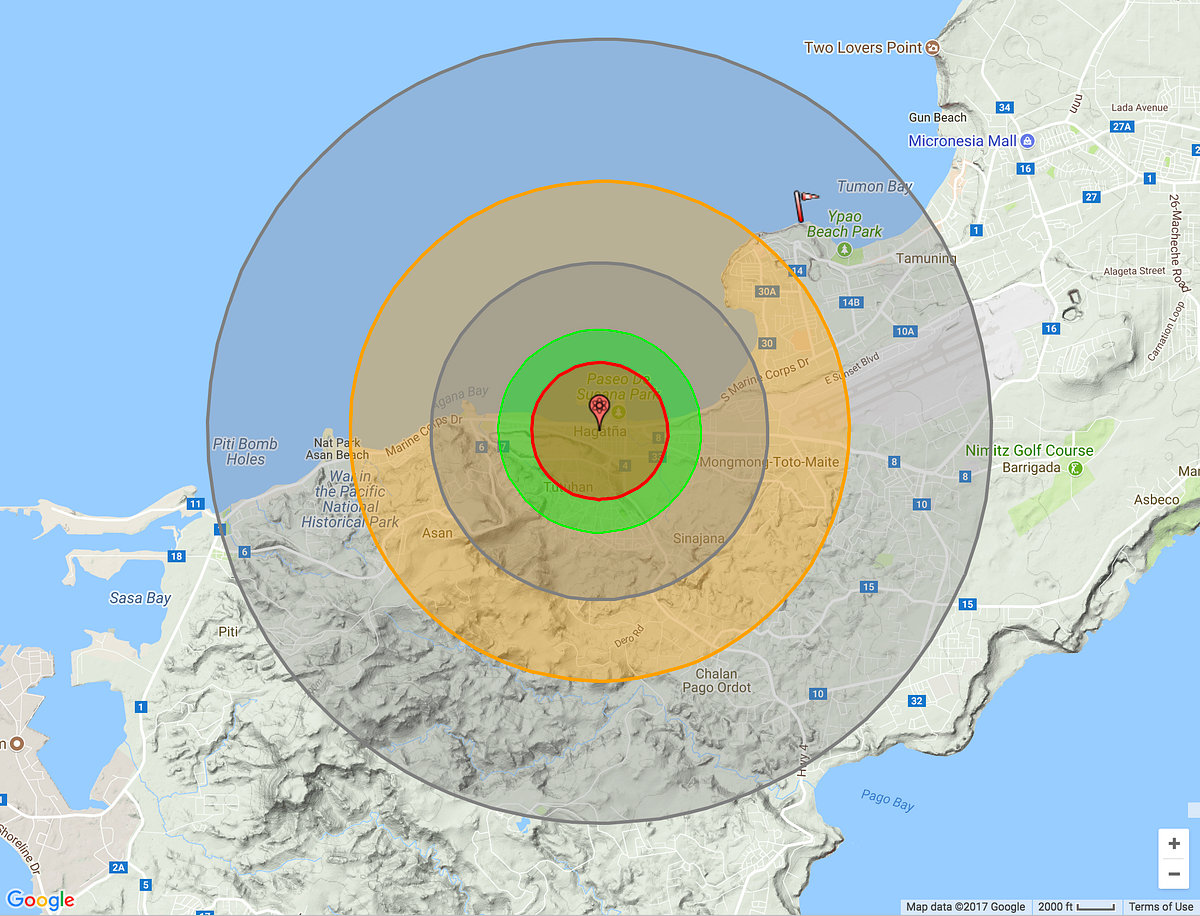
Credit: medium.com
First Aid And Health Precautions
First aid and health precautions are crucial during a nuclear attack. Radiation exposure can cause severe injuries and sickness. Proper care can reduce damage and save lives. Knowing how to treat wounds and maintain hygiene is vital without access to a shelter or medical help.
Treating Radiation Burns And Injuries
Radiation burns look like normal burns but may worsen over time. Rinse the skin gently with clean water. Avoid using soap or scrubbing the area. Cover burns with a sterile, non-stick bandage. Change the dressing daily to prevent infection. For deep wounds, apply antibiotic ointment if available. Seek medical help as soon as possible.
Recognizing Radiation Sickness
Radiation sickness shows symptoms within hours or days. Common signs include nausea, vomiting, headache, and fatigue. Look for dizziness, weakness, and diarrhea. Skin redness and hair loss may also occur. Keep track of symptoms and avoid further exposure. Rest and drink plenty of water. Immediate medical attention is critical for severe cases.
Maintaining Hygiene Without Facilities
Hygiene helps prevent infections after a nuclear event. Use clean water for washing hands and face regularly. If water is scarce, use moist wipes or cloths. Dispose of waste far from living and water areas. Keep wounds clean and covered at all times. Avoid sharing personal items like towels and clothes. Practice good hygiene to stay healthy and reduce illness risks.
Communication And Information
Communication and information are crucial during a nuclear attack, especially without a shelter. Clear communication helps you stay safe and connected. Accurate information guides your actions and decisions. Staying informed can save lives.
Using Radios And Emergency Alerts
Battery-powered or hand-crank radios provide vital updates. Emergency alerts broadcast important instructions and warnings. Keep radios tuned to local emergency stations. Use headphones to hear clearly in noisy surroundings. Carry spare batteries or a charging method.
Signaling For Help
Use simple signals to attract attention. Bright clothing or reflective objects catch the eye. Create large SOS signs on the ground using debris. Use mirrors or shiny surfaces to reflect sunlight. Sound signals like whistles or banging metal also help.
Staying Updated On Safety Instructions
Follow official advice from authorities closely. Information may change rapidly during a crisis. Use multiple sources to verify news. Avoid rumors that cause confusion and panic. Keep a written note of key instructions for quick reference.

Credit: en.wikipedia.org
Long-term Survival Strategies
Long-term survival after a nuclear attack without a proper shelter demands quick thinking, adaptability, and a clear plan. Your ability to stay safe hinges on making smart decisions about where to go, how to protect yourself, and who you rely on. Let’s break down some essential strategies that can help you endure the days, weeks, and months ahead.
Relocating Safely
Staying put isn’t always the safest choice. Radiation levels vary, so moving to a less contaminated area can save your life. But how do you decide where to go?
- Check wind direction and fallout patterns if possible. Moving perpendicular to the wind can reduce your exposure.
- Avoid rivers and valleys where radioactive particles can settle.
- Travel during low-radiation times, like after rain, when particles have been washed away from the surface.
- Keep your clothing sealed and wear a mask or cloth to cover your mouth and nose.
Think about a friend who fled to a wooded area several miles away and found lower radiation and more natural resources. Safe relocation is about moving smart, not just fast.
Building Makeshift Shelters
If you can’t find a shelter, creating one is your next best option. A makeshift shelter can block radiation and provide protection from the elements.
- Use dense materials like earth, wood, or even heavy furniture to build walls.
- Digging into the ground or finding natural caves can reduce radiation exposure significantly.
- Seal openings with plastic or cloth to reduce dust and radioactive particles entering.
- Elevate your sleeping area off the ground to avoid moisture and bugs.
Remember, even a simple structure can reduce radiation exposure by 50% or more. What materials can you find around you right now that could be repurposed for shelter?
Mental Resilience And Community Support
Survival isn’t just physical; your mind matters too. Staying calm and hopeful will help you make better decisions every day.
- Build connections with others nearby to share resources and information.
- Establish routines to keep a sense of normalcy amid chaos.
- Talk openly about your fears and listen to others—it strengthens trust and morale.
- Practice mindfulness or simple breathing exercises to manage stress.
I once met a group who survived tough conditions by pooling skills and supporting each other emotionally. Could you reach out and create your own network for strength?

Credit: www.mirasafety.com
Frequently Asked Questions
How Can I Protect Myself Without A Nuclear Shelter?
Seek immediate cover indoors, preferably in a basement or interior room. Stay away from windows and seal doors to reduce radiation exposure.
What Should I Do Immediately After A Nuclear Blast?
Drop to the ground and cover your head. Avoid looking at the flash or fireball. Find shelter quickly to minimize radiation risk.
How Long Should I Stay Indoors After A Nuclear Attack?
Stay inside for at least 24 to 48 hours. Radiation levels drop significantly after this period, reducing exposure risks.
What Essential Supplies Do I Need Without A Shelter?
Store water, non-perishable food, a first-aid kit, flashlight, batteries, and a radio. These items help sustain and inform you during fallout.
Conclusion
Surviving a nuclear attack without a shelter takes quick thinking and calm actions. Stay low, cover your body, and avoid looking at the blast. Find any place that blocks radiation, like thick walls or basements. Clean yourself carefully if exposed to dust or debris.
Keep emergency supplies ready, including water and food. Remember, every second counts in a crisis. Prepare now to increase your chances of survival later. Stay aware and stay safe.