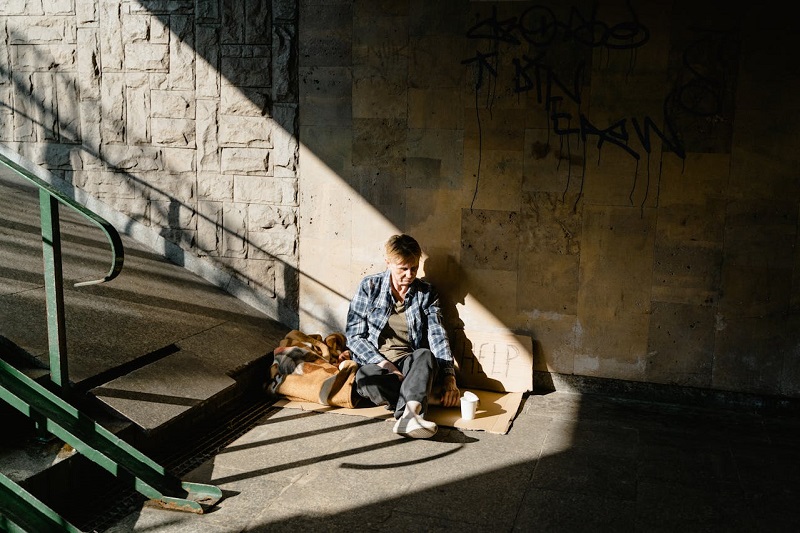
Imagine waking up without a safe place to call home. The cold, the uncertainty, and the constant search for shelter can feel overwhelming.
But there are ways you can protect yourself and stay strong, even when you don’t have a roof over your head. This guide is here to help you navigate those tough moments with practical tips and simple strategies. Keep reading—you’ll find the support and advice you need to face each day with more confidence and hope.
Your safety and well-being matter, and you’re not alone.
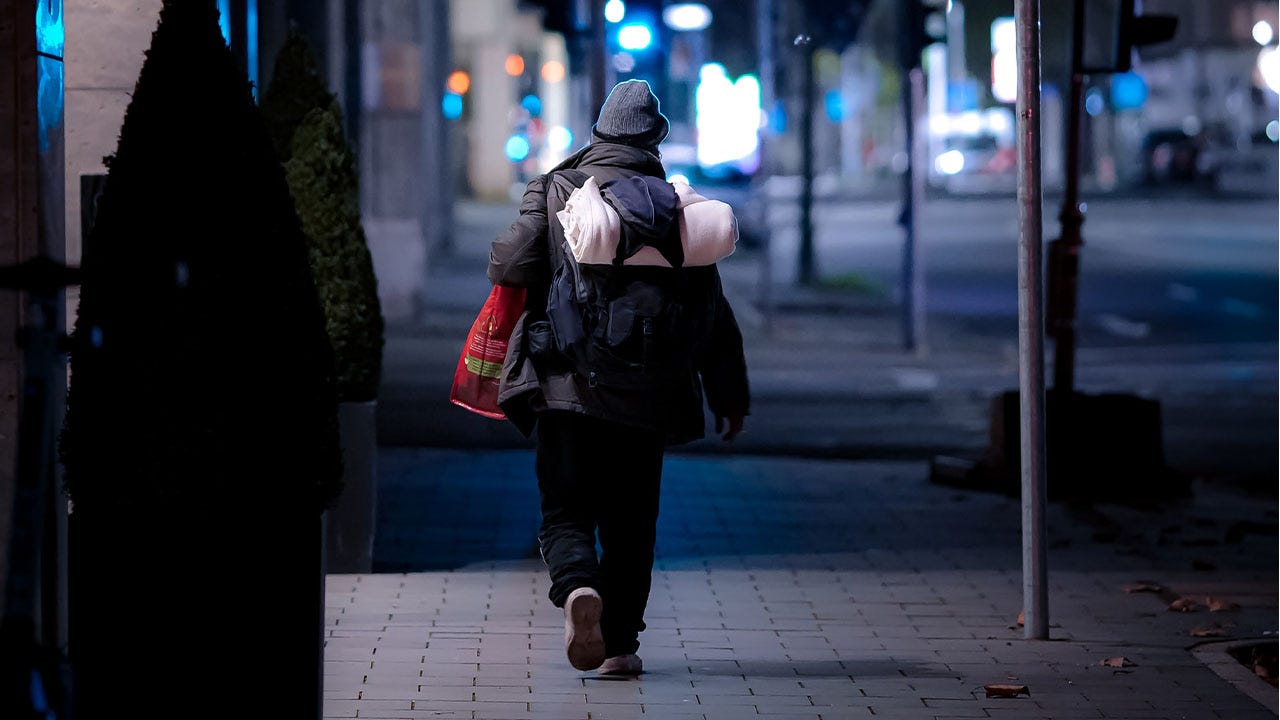
Credit: medium.com
Finding Safe Places To Stay
Finding safe places to stay without shelter is a crucial part of surviving homelessness. You need spots where you can rest without constant fear or discomfort. Knowing how to identify and use these spaces wisely can make a big difference in your safety and well-being.
Identifying Sheltered Spots
Look for places that provide natural cover from weather like rain, wind, and cold. Under bridges, alcoves in buildings, or abandoned structures can offer protection. But not every sheltered spot is safe—check the area for signs of frequent use or hazards before settling in.
Ask yourself: is this place hidden enough to avoid unwanted attention? Is there an easy escape route if needed? These questions help you pick safer spots.
Using Public Spaces Wisely
Public spaces like libraries, bus stations, and 24-hour stores can be lifesavers. They offer warmth, light, and sometimes bathrooms. Use these places during open hours to recharge and stay connected.
However, don’t rely on them as overnight shelters—they often close or require you to leave. Plan your time there carefully, and keep your belongings close. Also, be respectful and discreet to avoid conflicts.
Avoiding Dangerous Areas
Some places attract trouble or pose risks, like isolated parks at night or areas known for crime. Avoid these spots to keep yourself safe. Trust your instincts—if a place feels off, it probably is.
Check local news or talk with others who know the area to learn about safer zones. Safety often comes from awareness and choosing your environment wisely.

Credit: blanchethouse.org
Securing Food And Water
Finding reliable sources of food and water is vital when you have no shelter. Staying nourished and hydrated keeps your energy up. It also helps your body fight sickness and stay strong in tough times.
Knowing where to get free food, how to collect safe water, and how to prepare simple meals makes a big difference. These skills improve your chance of survival and make daily life easier.
Locating Free Food Sources
Public places like parks and community centers often have food donations. Food banks or soup kitchens provide meals for those in need. Grocery stores sometimes discard edible food that you can take.
- Ask local shelters for food program information.
- Check notice boards for free meal events.
- Visit farmers markets near closing time for leftover produce.
- Look for fruit trees or edible plants in public areas.
Safe Water Collection And Storage
Water is critical. Always choose clean water sources like public fountains or filtered taps. Avoid stagnant water that may carry germs.
- Use containers like bottles or clean jars for storage.
- Boil water if unsure about its quality.
- Collect rainwater using clean tarps or buckets.
- Carry a portable water filter for emergencies.
Basic Food Preparation
Preparing food safely prevents illness. Simple cooking can improve taste and nutrition.
- Use portable stoves or campfires if allowed.
- Wash hands and food with clean water before eating.
- Cook meat thoroughly to avoid bacteria.
- Use utensils or clean hands to avoid contamination.
Staying Warm And Protected
Keeping your body heat is key to staying safe without shelter. Use layers of clothing and find windbreaks to block cold air. Stay dry and create insulation with blankets or leaves to protect from harsh weather.
Staying warm and protected is crucial when you find yourself without shelter. The cold can be unforgiving, and staying dry and insulated can mean the difference between comfort and distress. Here are some practical ways to keep warm and shielded from the elements.Improvised Clothing And Insulation
Layering is your best friend. Use multiple layers of clothing to trap body heat. Even if you have limited clothing, look for materials like plastic bags or newspapers that can add insulation. Consider wearing your clothes in unconventional ways to maximize warmth. Wrap scarves or long-sleeved shirts around your head and neck. This helps retain heat in critical areas. Don’t forget your feet and hands, as they lose heat quickly. Use socks or even extra shirts as makeshift gloves or additional foot coverings.Building Temporary Shelters
Seek out materials that can be used to create a barrier against the wind and rain. Cardboard, tarps, and even large leaves can be surprisingly effective. Look for locations that naturally provide some protection, like under bridges or in dense bushes. These can offer a base structure to build upon. Think creatively about your surroundings. Can abandoned buildings, overhangs, or even large trees offer a basic framework for your shelter?Managing Weather Challenges
Rain can be particularly challenging when you’re exposed. Try to find or create an elevated sleeping area to stay dry during wet conditions. Consider how the sun’s movement affects temperature. Position yourself to catch morning sun for warmth or afternoon shade to avoid overheating. What strategies can you use to stay informed about the weather? Access to weather updates, even via public libraries or community centers, can help you plan ahead. Each choice you make impacts your comfort and safety. How will you adapt and make the most of what’s available to you? Prioritizing warmth and protection is key to surviving without traditional shelter.Maintaining Hygiene And Health
Maintaining hygiene and health is crucial when you are without a shelter. Your body and mind need care, especially in tough conditions. Neglecting cleanliness can lead to serious health issues that make survival even harder.
Accessing Hygiene Facilities
Finding places to wash up might feel impossible, but public restrooms, community centers, and libraries often offer access. Many cities have mobile hygiene units or shelters with showers—check local resources or outreach programs for locations.
Carry basic supplies like wet wipes, hand sanitizer, and a small towel with you. These can help when you can’t reach a full facility. Have you thought about how small actions like cleaning your hands can prevent bigger problems?
Preventing Illness
Staying healthy means avoiding germs and managing your environment. Wash your hands regularly, especially before eating or touching your face. If soap and water aren’t available, use hand sanitizer with at least 60% alcohol.
Keep your living area clean, even if it’s just a small spot under a bridge or a park bench. Dispose of trash properly to avoid attracting pests. If you notice a cough or fever, try to rest and seek medical help as soon as possible.
First Aid Basics
Knowing basic first aid can save your life or prevent an injury from worsening. Carry a small first aid kit with bandages, antiseptic wipes, and pain relievers if you can. Clean cuts immediately and cover them to avoid infection.
Learn how to recognize signs of serious conditions like dehydration or heatstroke. Drinking clean water and avoiding extreme weather can keep you out of danger. What simple first aid skills could you learn today to prepare for emergencies?
Ensuring Personal Safety
Ensuring your personal safety when you are without a home is not just about avoiding danger—it’s about being proactive and making smart choices every day. Your awareness, how you protect your belongings, and how you handle conflicts can make a big difference in your well-being. Let’s look at practical ways to keep yourself safe in these challenging circumstances.
Staying Alert And Aware
Always keep your senses sharp. Pay attention to your surroundings and notice who is nearby. This doesn’t mean you should live in constant fear, but staying alert helps you spot potential risks early.
Try to avoid isolated or poorly lit areas, especially at night. Trust your instincts—if something feels off, move away. Staying connected with others in your community can also give you a heads-up about unsafe spots or situations.
Protecting Valuables
Your belongings carry more than just value; they often represent your survival tools. Keep your valuables close to your body, ideally in secure pockets or a hidden pouch. Avoid flashing expensive items like phones or cash.
Consider using everyday items to protect your stuff, such as tying bags to a stationary object or using layers of clothing to hide key possessions. Remember, losing your essentials can put you at greater risk, so safeguarding them is a priority.
Dealing With Conflicts
Conflicts can escalate quickly and put your safety at risk. Try to stay calm and avoid confrontations whenever possible. Sometimes walking away is the strongest move you can make.
If you must engage, use a calm voice and clear body language to show you’re not a threat. Think about how you can de-escalate the situation by listening more and responding less. How often do you pause before reacting to a tense moment? That pause might save you.

Credit: www.reddit.com
Accessing Support Services
Accessing support services is a crucial step when you find yourself without a home or shelter. These services can provide immediate relief and help you regain stability. Knowing where and how to reach out can make a significant difference in your survival and future recovery.
Finding Local Aid Organizations
Local aid organizations often offer food, clothing, and temporary shelter. These groups can be churches, community centers, or nonprofits focused on homelessness.
Look for flyers in public libraries, ask at local clinics, or search online for nearby services. Many organizations also provide counseling and job assistance.
Have you checked if there’s a day center or soup kitchen near you? These places are not just about food—they connect you to other resources that might be essential for your next steps.
Using Government Resources
Government programs offer help tailored to your situation, including emergency housing and financial aid. Visit local social service offices or their websites to find out what you qualify for.
Applying for benefits like food stamps or Medicaid can ease your daily struggles. Even if the application process seems overwhelming, support staff are often available to guide you.
Do you know about shelters funded by the government? They often have strict rules, but they provide safety and a chance to rebuild.
Building A Support Network
Your survival depends heavily on the people around you. Building a network of friends, mentors, or advocates can provide emotional and practical support.
Reach out to others in similar situations or volunteers at aid organizations. Sometimes, a simple conversation can lead to shared resources or new opportunities.
Who can you trust right now to help you stay motivated and safe? Don’t underestimate the power of human connection during tough times.
Planning For Long-term Stability
Planning for long-term stability is vital for anyone without shelter. It helps create a clear path out of hardship. Stability brings security, hope, and a chance to rebuild a better life. Careful planning turns daily survival into a future with purpose.
Setting Goals And Priorities
Start by defining what you want to achieve. Break down big goals into small, clear steps. Prioritize basic needs like food, health, and safety first. Then focus on housing and steady income. Write down your goals to stay focused. Review and adjust them as your situation changes.
Job Searching Tips
Look for jobs that match your skills and interests. Use free resources like job centers and libraries for help. Prepare a simple resume that highlights your strengths. Practice answering common interview questions. Be honest about your situation but show your willingness to work. Stay patient and keep applying regularly.
Rebuilding Your Life
Rebuilding takes time and effort but is possible. Find support groups or community programs for guidance. Learn new skills through free classes or online videos. Save money even in small amounts. Create a daily routine to build discipline and confidence. Celebrate small wins to stay motivated on your journey.
Frequently Asked Questions
How Can I Find Safe Places To Sleep Without Shelter?
Look for well-lit, public areas like bus stations or 24-hour stores. Avoid isolated spots and always prioritize safety and visibility.
What Essential Items Should I Carry When Homeless?
Carry a backpack with water, non-perishable food, a first-aid kit, warm clothing, and hygiene products. These essentials support survival and comfort.
How Do I Stay Healthy Without A Permanent Home?
Maintain hygiene by using public restrooms and shelters. Drink clean water, eat nutritious food, and rest whenever possible to stay healthy.
Where Can I Access Help Or Resources When Homeless?
Seek local shelters, food banks, and community centers. Many offer meals, medical aid, and support services for homeless individuals.
Conclusion
Surviving without shelter takes courage and careful planning. Stay aware of your surroundings and find safe places to rest. Keep your belongings close and protect yourself from weather. Seek help from local services when possible. Staying calm and thinking clearly can make a big difference.
Each small step helps you stay stronger day by day. Remember, you are not alone in this struggle. Keep hope alive and keep moving forward.