Are you curious about how well you sleep each night? Tracking your sleep can reveal important clues to boost your energy and improve your health.
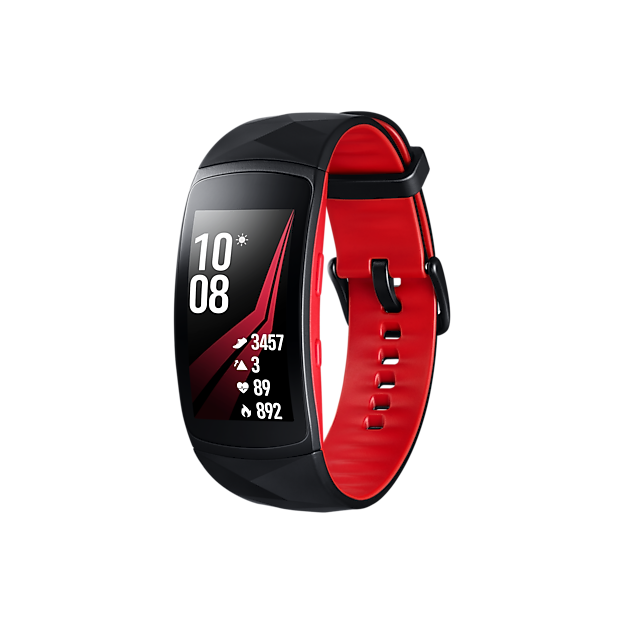
If you own a Gear Fit 2, you have a powerful tool right on your wrist to monitor your rest with ease. But how exactly do you track sleep on Gear Fit 2? In this guide, you’ll learn simple steps to set up and use your device for accurate sleep tracking.
By the end, you’ll know how to unlock valuable insights about your sleep patterns, helping you wake up feeling refreshed every day. Keep reading to discover how your Gear Fit 2 can become your personal sleep coach.
Setting Up Sleep Tracking
Setting up sleep tracking on your Gear Fit 2 is simple and fast. It helps you get accurate insights into your sleep patterns and improve your rest quality. Getting everything ready right from the start makes sure you don’t miss any important data while you sleep.
Installing The Gear Fit 2 App
First, you need the Gear Fit 2 app installed on your smartphone. Visit the Google Play Store or Samsung Galaxy Store and search for the app by name. The app is free and only takes a few minutes to download.
Once installed, open the app and give it the necessary permissions, like access to your phone’s sensors and notifications. These permissions allow the app to communicate smoothly with your Gear Fit 2 device.
Pairing Your Device
Next, connect your Gear Fit 2 to the app via Bluetooth. Turn on Bluetooth on your phone and follow the prompts in the app to find and pair your device. This connection syncs all your health data, including sleep tracking information.
Make sure your Gear Fit 2 is charged and close to your phone during pairing. If you have trouble, restarting both devices can often help resolve connection issues quickly.
Configuring Sleep Settings
After pairing, customize your sleep tracking preferences within the app. You can set your usual bedtime and wake-up time, which helps the Gear Fit 2 recognize when you’re sleeping. Adjusting these times improves the accuracy of sleep stage detection.
You should also enable automatic sleep tracking if it’s not on by default. This feature lets your device monitor your sleep without needing to start or stop tracking manually. Have you noticed how much easier it is when your device just works quietly in the background?
Lastly, review your notification settings to avoid disturbances during sleep. You want your sleep data to be as pure as possible, without interruptions from alerts or calls.

Credit: www.youtube.com
Using Sleep Tracking Features
Tracking your sleep with the Gear Fit 2 can provide valuable insights into your rest patterns and overall health. Using the sleep tracking features is straightforward and gives you a detailed look at how well you sleep each night. Whether you prefer to start tracking manually or rely on automatic detection, the device makes it simple to monitor your sleep without disrupting your routine.
Starting Sleep Tracking Manually
To take control of your sleep tracking, you can start it manually on your Gear Fit 2. This option is useful if you want to ensure the device begins recording right when you go to bed.
- Swipe to the sleep widget on your Gear Fit 2.
- Tap the sleep icon to begin tracking.
- When you wake up, stop the tracking by tapping the icon again.
This method guarantees accuracy if you tend to have irregular sleep schedules. Have you ever forgotten to start tracking and wondered what your sleep data looked like? Manual tracking helps avoid that uncertainty.
Automatic Sleep Detection
The Gear Fit 2 can also detect when you fall asleep without any input from you. This feature works by analyzing your movement and heart rate, making it hassle-free and convenient.
- Simply wear the device to bed as usual.
- The sensor recognizes when you are sleeping and starts tracking automatically.
- It also identifies when you wake up and pauses the tracking.
Automatic detection is perfect if you want the device to handle everything while you focus on resting. However, be aware that very restless nights might sometimes confuse the sensor. Do you think automatic tracking would fit your lifestyle better?
Checking Sleep Data On The Device
After your sleep session, you can easily view your data directly on the Gear Fit 2. This quick access helps you stay informed without needing to pull out your phone.
- Wake up and swipe to the sleep widget on your watch.
- Scroll through the summary to see total sleep time, deep sleep, and light sleep phases.
- Use this data to adjust your bedtime or daily habits for better rest.
Seeing your sleep stats right away can motivate you to improve your habits. Have you noticed patterns in your sleep that surprised you?
Analyzing Sleep Data
Analyzing sleep data with your Gear Fit 2 is essential for better sleep. Understanding the data helps improve your sleep habits. The device provides insights into your sleep stages, trends, and patterns.
Interpreting Sleep Stages
The Gear Fit 2 tracks various sleep stages. These include light, deep, and REM sleep. Each stage has its significance. Light sleep helps with memory processing. Deep sleep restores energy. REM sleep supports brain function. Check your Gear Fit 2 app for a breakdown of these stages. This information helps you understand your sleep quality.
Viewing Sleep Trends Over Time
Monitoring trends over time is crucial. The app displays your sleep trends weekly and monthly. Patterns emerge with consistent tracking. You can see if you are getting enough rest. This helps identify lifestyle changes impacting your sleep. Use this data to make informed decisions about your habits.
Identifying Sleep Patterns
Recognizing sleep patterns enhances your sleep quality. The Gear Fit 2 highlights recurring issues. It shows patterns like frequent waking or irregular sleep times. Pay attention to these patterns. Adjust your bedtime routine to improve rest. Consistent sleep patterns lead to better health. Analyzing these insights can improve your daily energy levels.

Credit: community.fitbit.com
Improving Sleep Quality
Improving your sleep quality is about more than just tracking hours spent in bed. It means understanding your sleep patterns and making changes that help you wake up refreshed and alert. Your Gear Fit 2 offers tools that make this process easier and more effective, giving you a clearer picture of how well you rest each night.
Setting Sleep Goals
Start by setting realistic sleep goals on your Gear Fit 2. Decide how many hours of sleep you want to get based on your lifestyle and needs. The device allows you to customize these targets, so you can aim for a consistent bedtime and wake-up time.
Having a clear goal helps you stay focused. It’s like training for a race—you need a finish line to know if you’re improving. Gear Fit 2 will track your progress and show if you’re meeting your targets, motivating you to keep going.
Using Insights To Adjust Habits
Your Gear Fit 2 doesn’t just record sleep data; it provides insights into your sleep stages and quality. Review this information regularly to spot patterns, such as restless nights or short deep sleep phases. These details can reveal habits that might be disrupting your rest.
For instance, if you notice frequent wake-ups, ask yourself what could be causing them. Is it late caffeine, screen time, or stress? Use the data to experiment with changes and watch how your sleep improves—or doesn’t. This ongoing feedback loop makes your sleep habits smarter over time.
Leveraging Notifications And Reminders
Gear Fit 2 offers helpful notifications that can keep your sleep routine on track. Set reminders to start winding down in the evening or to get out of bed at a consistent time. These gentle prompts can be a game-changer if you struggle with irregular sleep schedules.
Think about how often you ignore your body’s natural signals. Having your Gear Fit 2 nudge you can create better habits without much effort. What small change could a timely reminder help you make today?
Troubleshooting Sleep Tracking
Sleep tracking on the Gear Fit 2 can be a game-changer for understanding your rest patterns. However, sometimes the device might not record your sleep accurately or stop tracking altogether. Troubleshooting these issues can save you time and help you get reliable data without needing to replace your device.
Common Issues And Fixes
One frequent problem is inaccurate sleep duration. If your Gear Fit 2 records shorter or no sleep at all, check if you’re wearing it snugly on your wrist. Loose placement can confuse the sensors.
Another issue is missing sleep stages. Sometimes the device fails to detect deep or REM sleep. Make sure the heart rate sensor is clean and unobstructed since it plays a critical role in stage detection.
- Ensure your device is worn on your non-dominant wrist for better accuracy.
- Avoid wearing the band too tight; it should be firm but comfortable.
- Disable any power-saving modes that might limit sensor activity during sleep.
- Check that “Auto Sleep Tracking” is enabled in the Samsung Health app.
Updating Firmware And App
Outdated firmware can cause syncing problems or inaccurate data. Regularly update your Gear Fit 2 through the Galaxy Wearable app to improve tracking features and fix bugs. The app itself also needs to be current for smooth communication between devices.
After updating, restart both your phone and Gear Fit 2. This simple step often resolves glitches that interfere with sleep tracking. Do you remember the last time you updated your device? It might be due.
When To Reset Your Device
If sleep tracking still doesn’t work after trying the fixes above, a factory reset might be necessary. Resetting clears any software conflicts or corrupted files affecting performance.
Before you reset, back up your data to avoid losing valuable health information. Think about how long you’ve been struggling with the issue—if it’s persistent and no updates help, resetting is a practical next step.
- Go to Settings > About Gear > Reset Gear on your device.
- Re-pair your Gear Fit 2 with your phone after the reset.
- Re-enable sleep tracking and monitor if the problem is solved.

Credit: www.reddit.com
Frequently Asked Questions
How Do I Enable Sleep Tracking On Gear Fit 2?
To enable sleep tracking, open the Samsung Health app on your Gear Fit 2. Go to settings, then activate automatic sleep tracking. Wear your device while sleeping for accurate data capture.
How Accurate Is Gear Fit 2 Sleep Tracking?
Gear Fit 2 offers reliable sleep tracking by monitoring movement and heart rate. It tracks light, deep, and REM sleep stages with good accuracy for most users.
Can I View Detailed Sleep Data On My Phone?
Yes, detailed sleep data syncs to the Samsung Health app on your phone. You can analyze sleep patterns, duration, and quality with clear charts and insights.
How Do I Interpret Sleep Scores On Gear Fit 2?
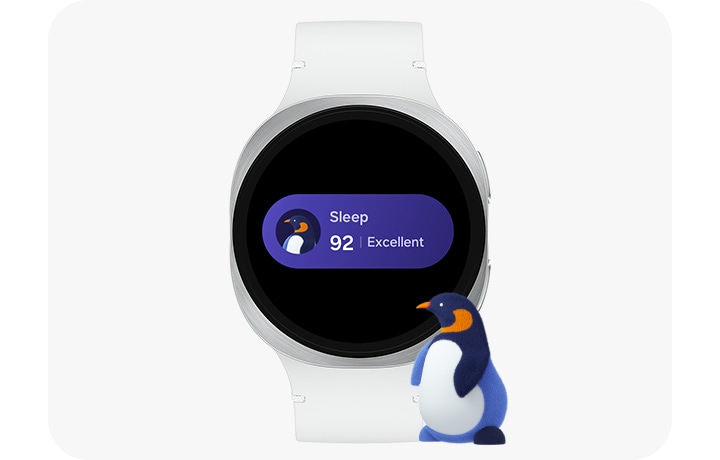
Sleep scores reflect your rest quality based on duration and sleep cycles. Higher scores indicate better sleep. Use these scores to improve your sleep habits.
Conclusion
Tracking your sleep with Gear Fit 2 helps you understand your rest better. It shows how long and well you sleep every night. You can see patterns and improve your habits. The device is easy to use and gives useful information.
Good sleep leads to better health and energy. Use the Gear Fit 2 regularly for best results. Small changes can make a big difference. Sleep well, feel better, live healthier.