When disaster strikes or you find yourself off the grid, having the right survival gear can make all the difference. You don’t want to be caught unprepared, struggling to find what you need when every second counts.
Imagine the peace of mind that comes from knowing you have the essential tools to stay safe, find food and water, and protect yourself. You’ll discover the must-have survival gear that can help you face any challenge with confidence. Keep reading, because your safety and well-being depend on what you carry with you.
Basic Survival Essentials
Basic survival essentials form the foundation of any survival kit. These items help sustain life in tough situations. They cover needs like water, food, shelter, and warmth. Carrying the right gear increases your chances of staying safe and healthy. This section explains the must-have tools for basic survival.
Water And Hydration Tools
Water is the most critical need for survival. Carry a reliable water filter or purification tablets. These tools make unsafe water drinkable. A durable water bottle or hydration bladder helps you store and carry water easily. Never rely on unfiltered water sources. Staying hydrated keeps your body working well under stress.
Food And Nutrition Supplies
Food provides energy for your body and mind. Pack non-perishable, high-calorie foods like energy bars, nuts, and dried fruits. These items last long and need no cooking. Lightweight and compact food saves space in your pack. Also, include a small portable stove or fire-starting tools to prepare meals. Proper nutrition supports strength and focus.
Shelter And Warmth Gear
Protection from the elements is vital. Carry a compact tent, tarp, or emergency bivy sack for shelter. A sleeping bag or insulated blanket helps retain body heat. Warmth prevents hypothermia and keeps you comfortable. Wear layered clothing and pack extra socks and gloves. Shelter and warmth gear increase your chances of survival in cold or wet conditions.
Navigation And Communication
Navigation and communication are crucial in any survival situation. They help you find your way and call for help if needed. Reliable tools can make a big difference in staying safe outdoors. Choose gear that works without power and is easy to use under stress.
Compasses And Maps
Compasses and maps are basic navigation tools. A compass shows direction using the Earth’s magnetic field. Maps display the landscape, trails, and landmarks. Together, they help you navigate without technology. Practice reading maps and using a compass before heading out. Digital devices can fail, but compasses and maps do not.
Emergency Radios
Emergency radios receive weather alerts and emergency signals. Some radios have hand cranks or solar panels for power. They keep you informed about storms or rescue broadcasts. Choose radios with multiple power options for reliability. Listening to official updates helps you make smart decisions in the wild.
Signal Devices
Signal devices attract attention in an emergency. Whistles, mirrors, and flares are common tools. Whistles can be heard from far away. Mirrors reflect sunlight to signal rescuers. Flares provide bright, visible light at night. Carry several signal devices for different situations. They increase your chances of being found quickly.
First Aid And Medical Supplies
First aid and medical supplies are key parts of survival gear. They help treat injuries and stop infections. Having the right items can save lives in tough situations. Preparing for emergencies means packing smart and practical medical tools.
Basic First Aid Kit
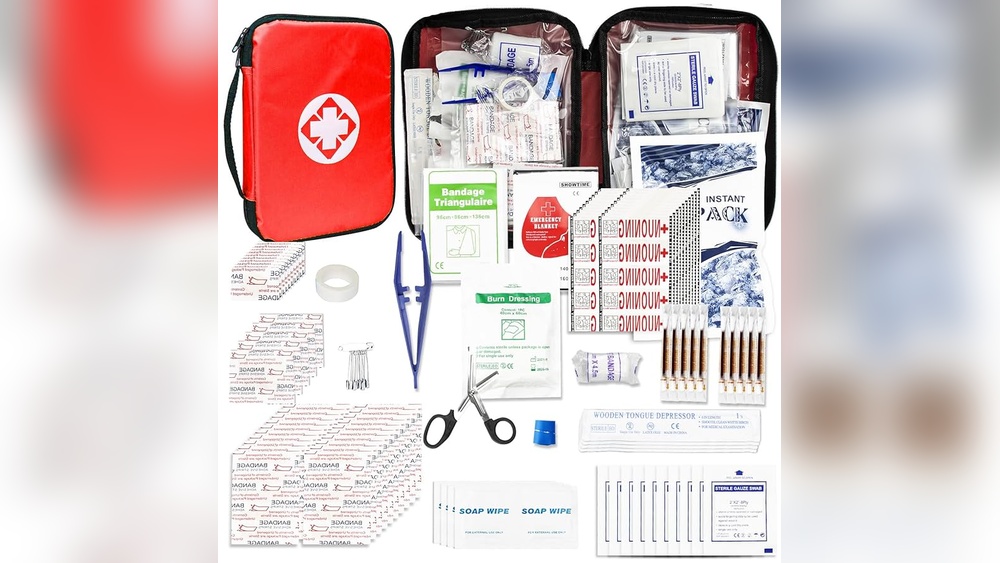
A basic first aid kit includes bandages, gauze pads, and adhesive tape. It should have antiseptic wipes to clean wounds. Scissors and tweezers help remove splinters or cut dressings. Include gloves to protect against germs. These items handle most minor injuries quickly and safely.
Medications And Treatments
Keep pain relievers like ibuprofen or acetaminophen. Antihistamines help with allergic reactions. Carry antibiotic ointment to prevent infections. Include any personal prescription medicines needed daily. Pack treatments for stomach issues such as antacids and anti-diarrheal pills. These medicines ease pain and prevent sickness.
Personal Hygiene Items
Cleanliness stops infection and keeps you healthy. Pack soap or antibacterial wipes for hand cleaning. Toothpaste and a toothbrush maintain oral health. Sanitary supplies help manage personal care. Include a small towel or washcloth for cleaning. Good hygiene supports healing and comfort during survival.

Credit: www.amazon.com
Tools For Fire And Light
Fire and light are essential for survival. They provide warmth, safety, and a way to cook food. Having the right tools ensures you can create fire and light anytime. This section covers the must-have tools for fire and light in your survival kit.
Fire Starters And Lighters
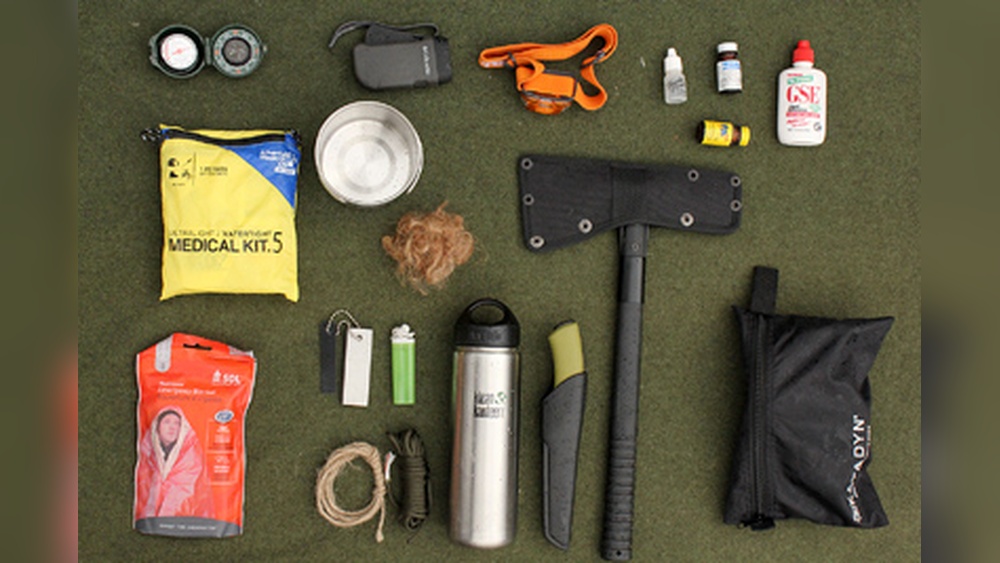
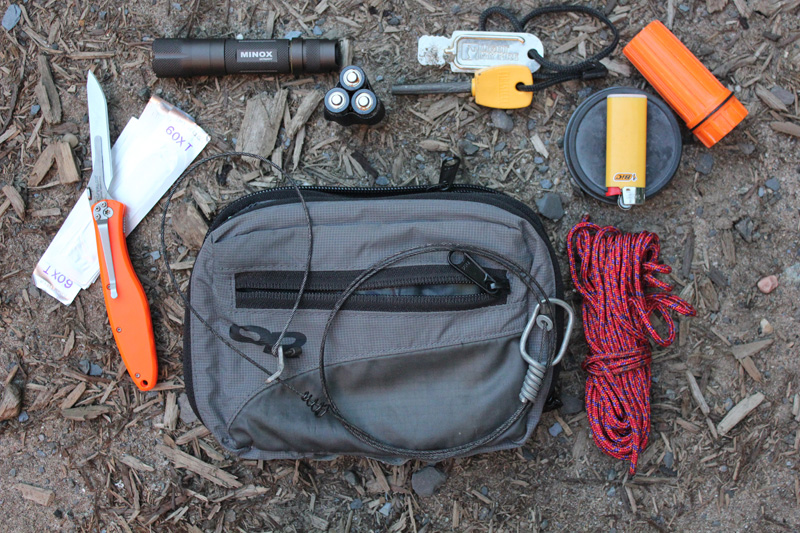
Fire starters help you ignite fire quickly and easily. Waterproof matches and magnesium fire starters work well in wet conditions. Flint and steel kits last long and do not need fuel. Simple lighters are lightweight and easy to carry. Carry multiple fire starters for backup.
Flashlights And Headlamps
Flashlights provide portable light in dark places. LED flashlights use less power and last longer. Headlamps free your hands for other tasks. Choose headlamps with adjustable brightness levels. Bright, reliable light is vital at night or in caves.
Batteries And Backup Power
Spare batteries keep your devices running longer. Carry the right size and type for your gear. Rechargeable batteries save money and reduce waste. Solar chargers and power banks offer backup power outdoors. Always check battery levels before trips.
Cutting And Repair Tools
Cutting and repair tools are essential for survival. They help with many tasks like building shelter, preparing food, and fixing gear. Having reliable tools saves time and effort in tough situations. These tools must be strong, versatile, and easy to carry.
Knives And Multi-tools
A sharp knife is a must-have for cutting and protection. Choose a sturdy blade that can handle wood, rope, and food. Multi-tools combine knives with pliers, screwdrivers, and other tools. They are compact and great for many small jobs.
Cordage And Tape
Cordage like paracord is strong and useful for tying and fixing. It can build shelters, secure items, or make traps. Tape, especially duct tape, sticks well and fixes torn gear. It can also seal containers or patch holes temporarily.
Repair Kits
Repair kits include needles, thread, patches, and glue. They help fix clothes, tents, and backpacks quickly. Carry a small kit to handle tears and breaks on the go. This keeps your gear working longer and avoids bigger problems.
Credit: www.petersenshunting.com
Clothing And Protection
Clothing and protection play a key role in survival situations. The right clothes keep you safe and comfortable. They help you avoid injuries and fight harsh weather. Every piece of clothing has a purpose. It shields you from the elements and keeps your body temperature steady.
Weather-appropriate Clothing
Choose clothes that fit the weather you face. In cold areas, wear layers. Each layer traps heat and keeps you warm. Use a moisture-wicking base layer to keep sweat away. Add an insulating layer for warmth. Top it with a waterproof jacket to block rain and wind. In hot climates, wear light, loose clothes. They reflect sunlight and allow air to flow. Avoid cotton because it holds moisture and cools you down too much.
Gloves And Footwear
Gloves protect your hands from cuts, cold, and burns. Pick gloves that suit the task and weather. Durable gloves work well for rough work. Waterproof gloves keep hands dry in wet conditions. Footwear must fit well and support your feet. Boots with good grip prevent slips on rough ground. Waterproof boots stop water from soaking your feet. Dry feet reduce blisters and infections. Socks matter too. Wool or synthetic socks keep feet dry and warm.
Protective Gear
Protective gear guards against injuries and hazards. Use a sturdy hat or helmet to shield your head. Sunglasses protect eyes from UV rays and debris. Knee and elbow pads prevent scrapes during falls. A face mask or scarf can block dust and smoke. Insects can spread disease, so use insect repellent clothing or nets. Safety comes first in every survival plan. Gear that protects your body lets you focus on survival tasks.
Storage And Packing
Proper storage and packing play a key role in any survival situation. Good storage keeps your gear safe, dry, and easy to carry. It helps you find items quickly when every second counts. Packing smart means balancing weight and space. It ensures you carry what you need without extra burden.
Backpacks And Containers
Choose backpacks designed for durability and comfort. Look for multiple compartments to separate gear. Hard containers protect fragile items from damage. Use lightweight boxes to avoid extra weight. A good backpack or container keeps gear secure and organized.
Waterproof Bags
Waterproof bags protect your gear from rain and moisture. They keep electronics and clothes dry. Use dry sacks for small items inside backpacks. Sealable plastic bags work for short trips. Waterproof bags prevent damage and spoilage in wet conditions.
Organizing Essentials
Organize essentials with small pouches or zip bags. Group items by use, like first aid or food. Label bags for easy identification. Use elastic bands or clips to keep items in place. Organized gear saves time and reduces stress in emergencies.
Specialty Items
Specialty items are essential for survival beyond basic tools. They cover unique needs and help in tough situations. These items increase your chances of staying safe and comfortable during emergencies. Prepare wisely to avoid problems later. Below are some must-have specialty survival gear.
Personal Identification And Documents
Carry important ID cards and documents in a waterproof bag. Include passports, driver’s licenses, and medical records. Copies of these documents help prove your identity quickly. Keep emergency contacts and insurance papers ready. These items ease travel and access to aid during crises.
Cash And Bartering Items
Cash is vital when digital payments fail. Carry small bills for easy transactions. Bartering items like silver coins or useful tools can trade for food or help. Choose items that others value and are easy to carry. This gear supports survival in unstable economies or disaster zones.
Emergency Blankets And Sleeping Bags
Emergency blankets keep body heat in cold weather. They are lightweight and compact for easy storage. Sleeping bags add comfort and warmth for long-term survival. Select ones that resist water and wind. These items help you rest well and avoid hypothermia outdoors.
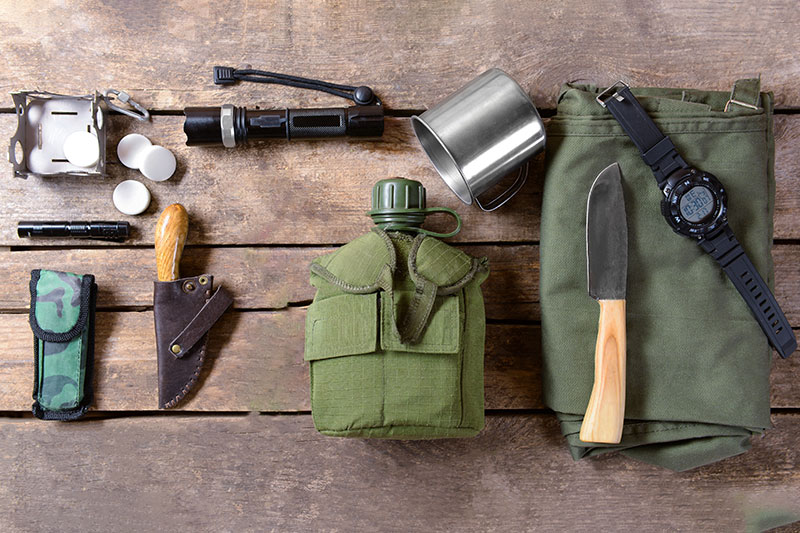
Credit: www.globalrescue.com
Frequently Asked Questions
What Are The Essential Survival Gear Items To Carry?
Essential survival gear includes a reliable knife, fire starter, water purifier, first aid kit, and emergency shelter. These items help you stay safe, hydrated, and protected in emergencies. Carrying compact, multi-use tools maximizes efficiency and preparedness.
How Do I Choose The Best Survival Gear For Emergencies?
Choose survival gear based on your environment, duration, and skills. Prioritize lightweight, durable, and multi-functional items. Check reviews for reliability and ease of use. Always test gear before emergencies to ensure it meets your specific needs.
Why Is A Fire Starter Important In Survival Kits?
A fire starter is crucial for warmth, cooking, and signaling help. It works even in wet conditions and is easier to use than matches. Fire increases survival chances by providing comfort and safety in the wild.
How Often Should Survival Gear Be Checked Or Replaced?
Check your survival gear every six months for damage or expiry. Replace items like batteries, medications, and food regularly. Keeping gear in good condition ensures readiness and reliability during emergencies.
Conclusion
Survival gear helps you stay safe in tough situations. Choose tools that are simple and reliable. Always keep your gear ready and check it often. Small items can make a big difference. Practice using your gear before you need it.
Being prepared brings peace of mind and confidence. Start building your survival kit today for a safer tomorrow.