When it comes to staying prepared, having the right tactical survival gear can make all the difference between feeling confident and facing unexpected challenges unarmed. You want gear that is reliable, easy to use, and ready for any situation life throws at you.
Imagine reaching for your equipment and knowing it will work every time—no fuss, no second guessing. You’ll discover the must-have items that belong in your survival kit right now. Get ready to equip yourself with tools designed to keep you safe, secure, and in control.
Keep reading—you don’t want to miss these essential picks.

Credit: www.youtube.com
Survival Knives
Survival knives are essential tools for anyone preparing for the outdoors. They help with cutting, building shelter, preparing food, and protection. A good survival knife can last many years and perform many tasks in tough conditions.
Choosing the right knife is important. It must be strong, sharp, and easy to carry. Knowing the differences between types and what features matter most helps you pick the best one.
Fixed Blade Vs Folding Knives
Fixed blade knives have one solid piece of metal. They do not fold. This makes them stronger and better for heavy jobs. They are easier to clean and do not have moving parts that can break.
Folding knives fold into the handle. They are smaller and safer to carry. Folding knives are good for light tasks but not as strong as fixed blades. They can be handy for everyday use.
Key Features To Look For
Look for a sharp, strong blade made from high-quality steel. The blade should resist rust and hold its edge well. The handle should be comfortable and provide a good grip.
A full tang design, where the blade runs through the handle, adds strength. The knife should have a secure sheath for safe carrying. Size matters; choose a knife that feels right in your hand.
Maintenance Tips
Keep the blade clean and dry after use to prevent rust. Sharpen the knife regularly to maintain a sharp edge. Use a sharpening stone or a simple sharpener.
Oil the blade lightly to protect it from moisture. Store the knife in a dry place inside its sheath. Check the handle and blade for damage before each use.
Fire Starting Tools
Fire is vital for survival. It provides warmth, cooks food, and signals help. Reliable fire starting tools are essential in your tactical survival kit. Choose tools that work in different weather and conditions.
Lighters And Matches
Lighters are quick and easy to use. They work well in dry conditions. Windproof and refillable lighters last longer. Waterproof matches are a good backup. Keep matches in a sealed container to stay dry.
Ferro Rods And Flint
Ferro rods create sparks by striking metal. They work even when wet or cold. Flint stones also produce sparks with steel. These tools need practice but are very reliable. They last for thousands of strikes, making them ideal for long trips.
Fire Starters And Tinder
Fire starters help ignite fires fast. Wax-coated cotton balls or small sticks burn easily. Natural tinder like dry leaves or bark works too. Store fire starters in a dry place. Combine tinder with sparks or flames to build a strong fire quickly.
Navigation Devices
Navigation devices are vital for survival in the wild. They help you find your way and avoid getting lost. Good navigation tools boost confidence and safety during outdoor adventures. Each device has unique features that suit different situations. Knowing how to use them increases your chances of success.
Compasses
Compasses are simple and reliable tools for direction. They work without batteries or signals. A compass points to magnetic north, helping you stay on course. They are small and easy to carry in any survival kit. Learning to read a compass is an essential skill for survival.
Gps Units
GPS units use satellites to provide accurate location data. They show your position on digital maps. Many models offer features like route tracking and waypoints. GPS devices need batteries or charging to work properly. They are very useful but should not replace traditional methods.
Maps And Wayfinding
Maps give a big picture of the area around you. Topographic maps show land shapes, trails, and water sources. Combining maps with navigation tools improves your route planning. Wayfinding means using natural signs and tools to navigate. Practice reading maps and using landmarks for better results.
Water Purification
Water is essential for survival. Clean water keeps you healthy and strong during any emergency. Carrying the right water purification gear ensures safe drinking water wherever you go. Understanding different purification methods helps you choose the best tools for your survival kit.
Filters And Purifiers
Water filters remove dirt, bacteria, and parasites from water. They use small pores to trap harmful particles. Many filters can clean water quickly and without chemicals. Purifiers kill viruses and bacteria using special technology. Some use UV light or pressure to make water safe.
Chemical Treatments
Chemical tablets or drops kill germs in water. These treatments are light and easy to carry. They work well for small amounts of water. Chemicals may take time to work, usually 30 minutes or more. Always follow instructions for safe use.
Portable Water Containers
Portable containers store and carry purified water. They are made from durable materials like plastic or metal. Some containers have built-in filters for easy use. Choose containers that are leak-proof and easy to clean. Having a reliable container helps you stay hydrated on the move.
First Aid Kits
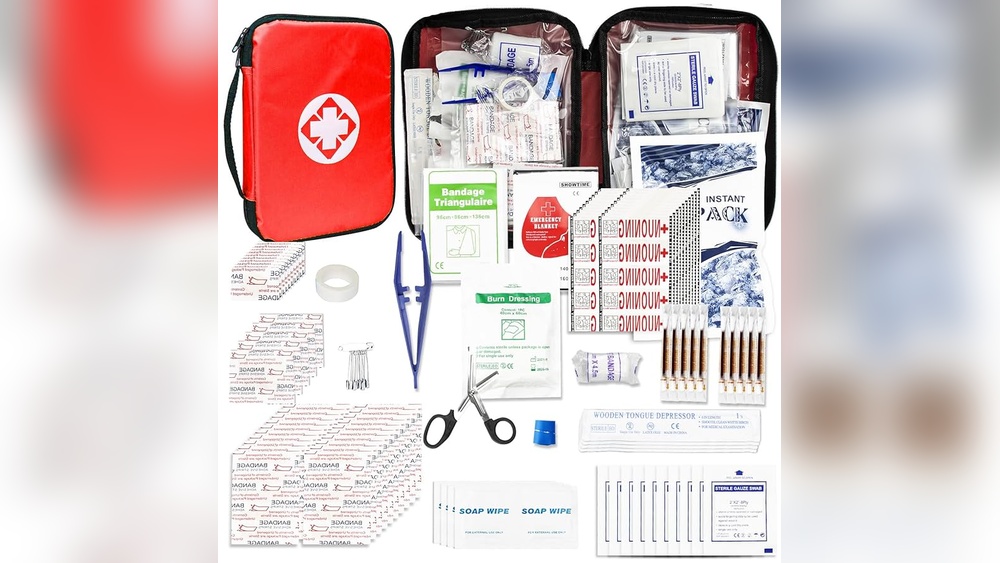
First aid kits are vital in any tactical survival gear setup. They help manage injuries quickly and prevent infections. Having a well-stocked kit can save lives during emergencies. Preparation means being ready for cuts, burns, and other common wounds.
Essential Medical Supplies
A good first aid kit includes bandages, gauze pads, and antiseptic wipes. Adhesive tape keeps dressings in place. Tweezers help remove splinters or debris. Scissors cut tape and clothing. Gloves protect you from germs. Include a CPR mask for rescue breaths.
Customizing Your Kit
Every survival situation is different. Customize your kit to fit your needs. Add extra supplies for allergies or chronic conditions. Include tools like a thermometer or flashlight. Pack items in a sturdy, waterproof bag. Check and replace expired items regularly.
Emergency Medication
Include pain relievers and anti-inflammatory drugs. Allergy medicines like antihistamines are crucial. Bring any personal prescriptions needed. Carry antiseptic creams to prevent infections. Keep medications sealed and stored safely. These help manage pain and allergic reactions fast.
Multi-tools And Utility Gear
Multi-tools and utility gear are essential for any tactical survival kit. They combine many tools into one compact device. This saves space and weight in your pack. These tools help with cutting, fixing, and other small tasks. Having the right multi-tool can make a big difference during emergencies.
Utility gear includes items like paracord, small flashlights, and fire starters. These accessories support your survival skills. They increase your chances of handling tough situations. Every item must be durable and easy to carry.
Popular Multi-tool Models
Some multi-tools are well-known for their quality and features. The Leatherman Wave offers pliers, knives, and screwdrivers. The Gerber Suspension is lightweight and has many tools. The Victorinox Swiss Army Knife is famous for its versatility. Choose a model based on your needs and budget.
Utility Accessories
Paracord is a must-have for making shelters or repairs. A small LED flashlight helps you see in the dark. Fire starters like ferro rods are easy to use and reliable. Duct tape is useful for quick fixes. These items fit easily in any survival pack.
Usage Tips
Keep your multi-tool clean to avoid rust and damage. Practice using each tool before you need it. Store utility gear in an accessible pocket. Check your gear regularly and replace worn parts. Use the right tool for each task to avoid injury.
Shelter And Sleeping Gear
Shelter and sleeping gear form the backbone of any tactical survival kit. Staying dry and warm boosts your chance of survival outdoors. Proper gear shields you from harsh weather and rough ground. It also helps conserve energy and maintain body heat. Choosing the right items ensures comfort and safety during long stays outside.
Tents And Tarps
Tents provide solid protection from wind, rain, and insects. They create a safe, enclosed space to rest. Lightweight tents are easy to carry on long trips. Tarps serve as versatile shelters. They can be set up quickly as a roof or ground cover. Tarps take little space and weigh less than tents. Both tents and tarps help keep you dry and sheltered in tough conditions.
Sleeping Bags And Pads
Sleeping bags trap body heat to keep you warm overnight. Choose bags rated for the lowest temperature you expect. Compact bags are easier to carry. Sleeping pads add comfort and insulation from cold ground. They reduce pressure points and help improve sleep quality. Together, bags and pads create a cozy, warm sleep area essential for recovery.
Emergency Blankets
Emergency blankets are thin, lightweight sheets that retain body heat. They reflect up to 90% of your own warmth. Blankets are small and fit easily in any survival pack. Use them to wrap yourself or line a shelter for extra warmth. Emergency blankets also protect against wind and rain. A simple, effective way to stay warm in sudden cold weather.

Credit: www.amazon.com
Lighting Equipment
Lighting equipment is a crucial part of tactical survival gear. It helps you see in the dark and stay safe. Good lighting tools can guide your way, signal for help, and keep your hands free. Choosing the right lighting gear can make a big difference in tough situations.
Flashlights And Headlamps
Flashlights are a must-have for any survival kit. They provide strong, focused light to brighten your path. Look for models that are compact, durable, and waterproof. Headlamps free your hands, allowing you to work or move easily in the dark. They are perfect for setting up camp or emergency repairs.
Batteries And Power Sources
Reliable power is essential for your lighting gear. Carry extra batteries to avoid running out of light. Rechargeable batteries save money and reduce waste. Some flashlights use solar power or hand cranks to recharge. Always have a backup power source ready.
Signal Lights
Signal lights help you attract attention or mark your location. They come in various colors and flashing modes to communicate clearly. Use signal lights during rescue missions or to warn others of danger. Compact and lightweight signal lights fit easily in your survival pack.
Communication Tools
Communication tools are essential for survival situations. They help you stay connected with others and send alerts for help. Having reliable gear can save lives during emergencies. Clear communication boosts safety and coordination.
Two-way Radios
Two-way radios are great for short-range communication. They work without cell towers. You can talk directly to your team. These radios are simple to use and durable. Some models have long battery life. They are perfect for group coordination in the wild.
Emergency Beacons
Emergency beacons send your location to rescuers. They use satellite signals for worldwide coverage. These devices activate quickly and automatically. Many have built-in lights or sirens. Carrying one increases your chance of rescue. They are small and easy to carry.
Mobile Devices And Apps
Mobile phones offer many useful survival apps. GPS apps help with navigation. Some apps send distress signals. They can store offline maps and guides. Phones need power, so carry a portable charger. Use apps wisely to improve your survival chances.
Clothing And Protective Gear
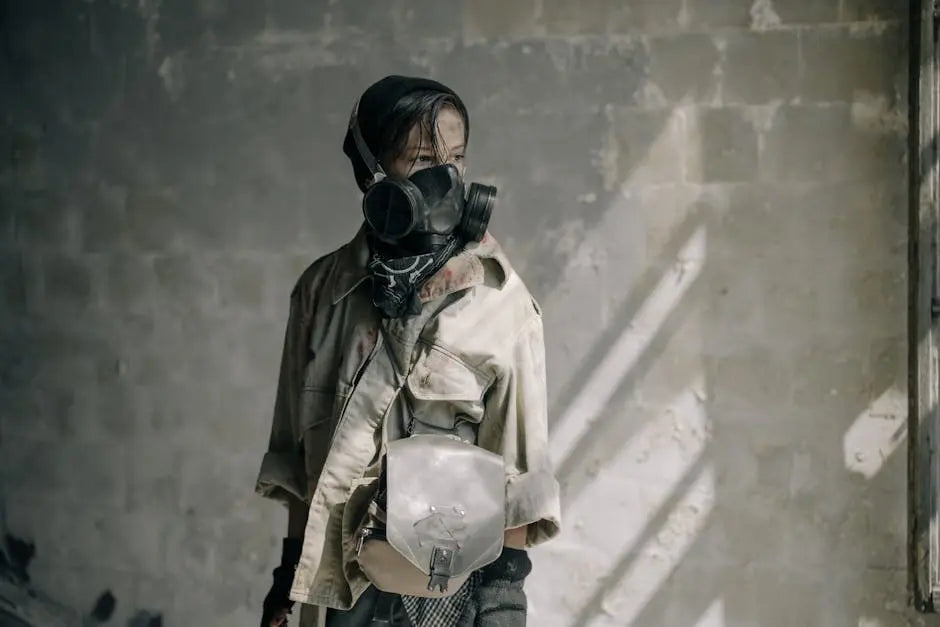
Clothing and protective gear form the base of any tactical survival kit. They shield the body from harsh weather and rough environments. Proper clothing improves comfort and safety during outdoor challenges. Protective gear guards against injuries and hazards. Choosing the right items helps you stay prepared and ready for action.
Weather-appropriate Apparel
Wear layers that suit the climate. Lightweight fabrics work well in hot weather. Insulating layers keep warmth in cold conditions. Waterproof jackets and pants protect against rain and wind. Breathable materials prevent overheating and sweat buildup. Durable clothing resists tears and abrasions. Choose colors that blend with your surroundings for camouflage.
Gloves And Eye Protection
Gloves protect hands from cuts, burns, and cold. Pick gloves that allow good grip and dexterity. Thick gloves guard against rough surfaces. Eye protection blocks dust, debris, and bright sunlight. Safety glasses or goggles shield eyes during tasks. Polarized lenses reduce glare in bright environments. Proper eye gear prevents injuries that can slow you down.
Footwear Essentials
Wear boots with strong soles for tough terrain. Good ankle support prevents twists and sprains. Waterproof boots keep feet dry in wet conditions. Breathable materials reduce sweat and discomfort. Proper fit avoids blisters and foot pain. Slip-resistant soles improve grip on slippery surfaces. Durable footwear helps you move safely and confidently.
Credit: squatchsurvivalgear.com
Frequently Asked Questions
What Is Essential Tactical Survival Gear?
Essential tactical survival gear includes a reliable knife, multi-tool, fire starter, water purifier, first aid kit, and flashlight. These items ensure safety, shelter, hydration, and communication in emergencies. Selecting durable, lightweight, and versatile gear enhances survival chances in various scenarios.
How To Choose The Best Survival Knife?
Choose a survival knife with a sturdy, corrosion-resistant blade and a comfortable grip. It should be versatile for cutting, digging, and self-defense. Fixed blades are more durable than folding knives. Size matters; a 4-6 inch blade is ideal for most survival tasks.
Why Is A Fire Starter Important In Survival Gear?
A fire starter is crucial for warmth, cooking, and signaling help. It works in wet or windy conditions, unlike matches. Reliable fire starters include ferro rods or magnesium blocks. Fire also boosts morale, purifies water, and deters wild animals.
What Role Does A Multi-tool Play In Survival?
A multi-tool combines several tools like pliers, screwdrivers, and knives in one compact device. It saves space and weight in your gear. Multi-tools are handy for repairs, food preparation, and first aid. They increase efficiency and adaptability in survival situations.
Conclusion
Tactical survival gear keeps you ready for any challenge. Choose tools that are reliable and easy to use. Quality gear saves time and effort in tough situations. Practice using your equipment to build confidence and skill. Stay safe by carrying essential items every day.
Preparedness gives peace of mind and boosts your chances. Remember, simple gear often works best when it counts. Take small steps to build your survival kit today. Ready for anything? Yes, with the right gear.