Imagine being caught in an unexpected situation where every second counts. What gear do you have with you to stay safe, comfortable, and in control?
Your survival kit isn’t just a bag of random items—it’s your lifeline. Knowing the must-need survival gear can make all the difference between panic and confidence. You’ll discover the essential tools that belong in your pack right now. Ready to be prepared for whatever comes your way?
Keep reading—your future self will thank you.

Credit: www.amazon.com
Survival Gear Basics
Survival gear is essential for safety and comfort in emergencies. The right tools help you handle tough situations with confidence.
Knowing what gear to carry can save time and lives. It keeps you prepared for many challenges outdoors or in disasters.
Why Gear Matters
Good survival gear provides protection and support. It helps you find food, water, and shelter quickly.
Without proper gear, small problems become big risks. It boosts your chances of staying safe and healthy.
Types Of Survival Scenarios
Survival situations vary. Some happen in the wild, others during natural disasters or accidents.
Knowing the scenario guides your gear choices. Different tools suit different environments and threats.
For example, hiking needs compact kits. Home emergencies need food, water, and first aid.
Essential Tools For Shelter
Shelter is a top priority in any survival situation. It protects you from rain, wind, cold, and insects. Having the right tools for shelter can make a big difference in comfort and safety. These tools help you stay dry, warm, and safe throughout the night.
Tents And Tarps
Tents provide a quick and reliable shelter. They block wind and rain effectively. Choose lightweight tents for easy carrying. Tarps are versatile and can create shelter in many ways. Use ropes and stakes to set up tarps fast. Both tents and tarps are essential for shelter protection.
Sleeping Bags And Mats
Sleeping bags keep your body warm during cold nights. Pick bags rated for the temperature you expect. Mats add comfort and insulation from the cold ground. Foam or inflatable mats work well to keep moisture away. Sleeping bags and mats improve sleep quality and body heat retention.
Fire Starters
Fire starters help you build a fire quickly. They work even when wet or windy. Carry waterproof matches, lighters, or fire steel. Fire provides warmth, light, and a way to cook food. Always have multiple fire starters as backup tools.
Water And Food Supplies
Water and food are the most critical items for survival. Without clean water, your body will suffer quickly. Food gives energy to keep moving and stay strong. Preparing these supplies ensures safety and comfort in tough situations. Choose gear that is light, reliable, and easy to use.
Water Filtration Devices
Clean water is rare in emergencies. Carry a water filter to remove dirt and germs. Some filters use charcoal, others use small pores to trap particles. Portable filters are small and easy to carry in a backpack. They let you drink from rivers, lakes, or puddles safely. Always test your filter before relying on it.
Portable Cooking Equipment
Heating food and water helps kill germs and improves taste. Small stoves or portable burners are best for survival. Choose lightweight models that run on simple fuel like gas or solid tablets. Some stoves fold flat and fit in tight spaces. Carry a small pot or pan to boil water or cook meals. Cooking gear adds comfort and nutrition to your supplies.
Non-perishable Food Options
Food that lasts long is essential for survival kits. Canned goods, dried fruits, nuts, and energy bars work well. These foods do not spoil quickly and need no refrigeration. Choose items rich in protein and calories. Pack enough food for several days or weeks. Rotate your stock regularly to keep it fresh. Easy-to-open packaging saves time and effort.
Navigation And Communication
Navigation and communication are vital in any survival situation. They help you find your way and stay connected with others. Without these tools, you may get lost or unable to call for help. This section covers the must-need gear for safe navigation and clear communication.
Compasses And Gps Devices
Compasses are simple tools that show direction using the Earth’s magnetic field. They don’t need batteries and work anywhere. Learning to use a compass is important for finding your way in the wild.
GPS devices use satellites to give exact locations. They are easy to use and very accurate. Many GPS devices also have maps and tracking features. Carry extra batteries or power banks because GPS devices use power.
Emergency Signaling Tools
Emergency signaling tools help you alert rescuers if you are in danger. A whistle is loud and can be heard far away. Signal mirrors reflect sunlight to catch attention over long distances.
Flares and glow sticks provide light signals at night. They are visible from far and can guide help to your location. Always keep these tools in a waterproof bag to protect them.
Two-way Radios
Two-way radios allow direct communication with others nearby. They do not need cell towers and work in remote areas. Radios have different channels to avoid interference.
Use two-way radios to share your location and get updates from your group. Choose models with long battery life and clear sound. Keep spare batteries or a solar charger ready for emergencies.
First Aid And Safety Kits
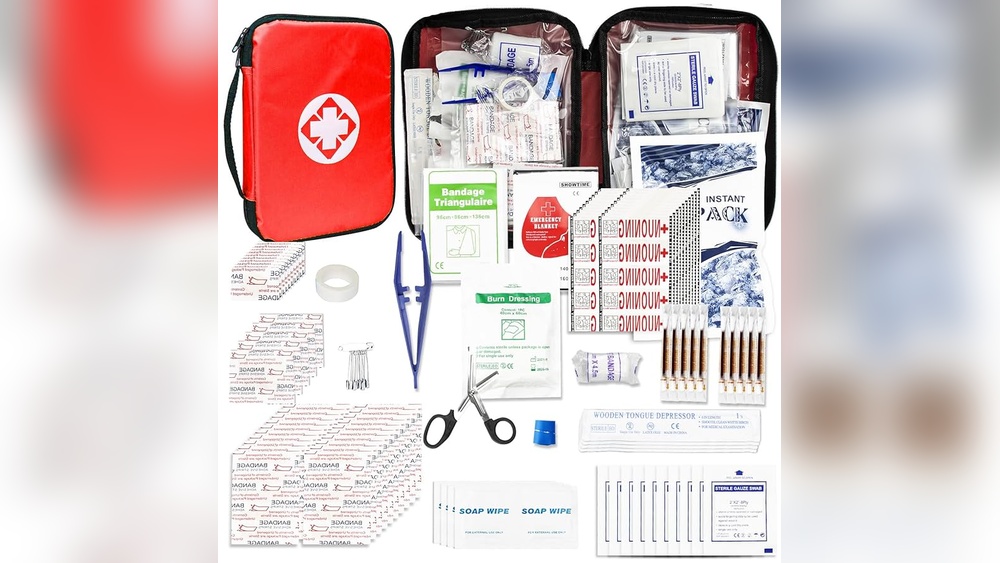
First aid and safety kits are essential for any survival situation. They help treat injuries and keep you safe. Having the right supplies can make a big difference. These kits prepare you to handle emergencies quickly and effectively.
Basic Medical Supplies
Basic medical supplies include bandages, antiseptic wipes, and gauze. These items help stop bleeding and clean wounds. Pain relievers and adhesive tape are also important. They support quick treatment and reduce infection risks.
Injury Prevention Gear
Injury prevention gear protects the body from harm. Items like splints and elastic bandages support injured limbs. They prevent further damage and ease pain. Carrying a whistle or signaling device can help get help fast.
Personal Protective Equipment
Personal protective equipment keeps you safe from hazards. Gloves protect hands from germs and chemicals. Masks shield against dust and airborne particles. Eye protection guards against debris and bright light.
Clothing And Personal Items
Choosing the right clothing and personal items is vital for survival situations. These items protect your body and keep you comfortable. They also help maintain health and hygiene during tough times. Proper gear can make a big difference in how you cope with the environment.
Weather-appropriate Apparel
Wear clothes that match the weather you face. In cold climates, layers keep you warm and dry. Use thermal shirts, insulated jackets, and waterproof pants. In hot areas, lightweight and breathable fabrics prevent overheating. Avoid cotton; it traps moisture and cools the body too much. Hats and gloves protect extremities from sun or frostbite. Choose durable fabrics that resist tears and wear.
Multi-use Tools
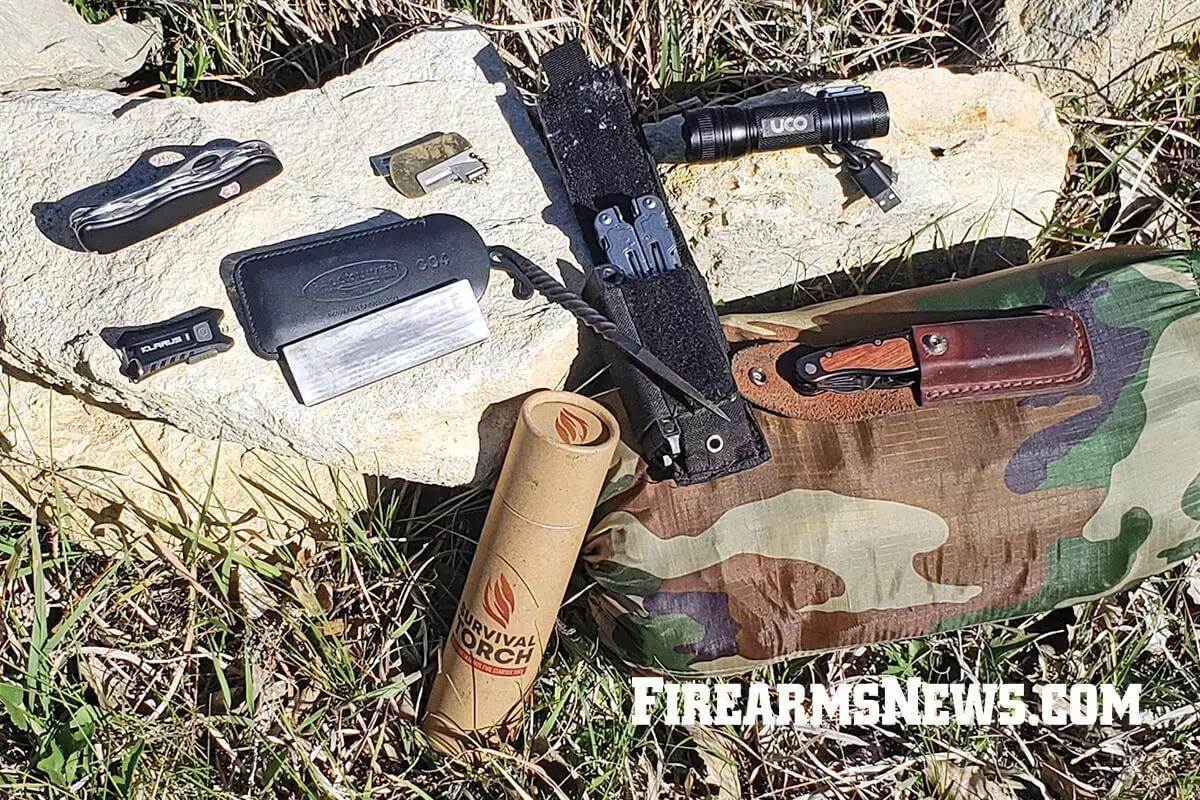
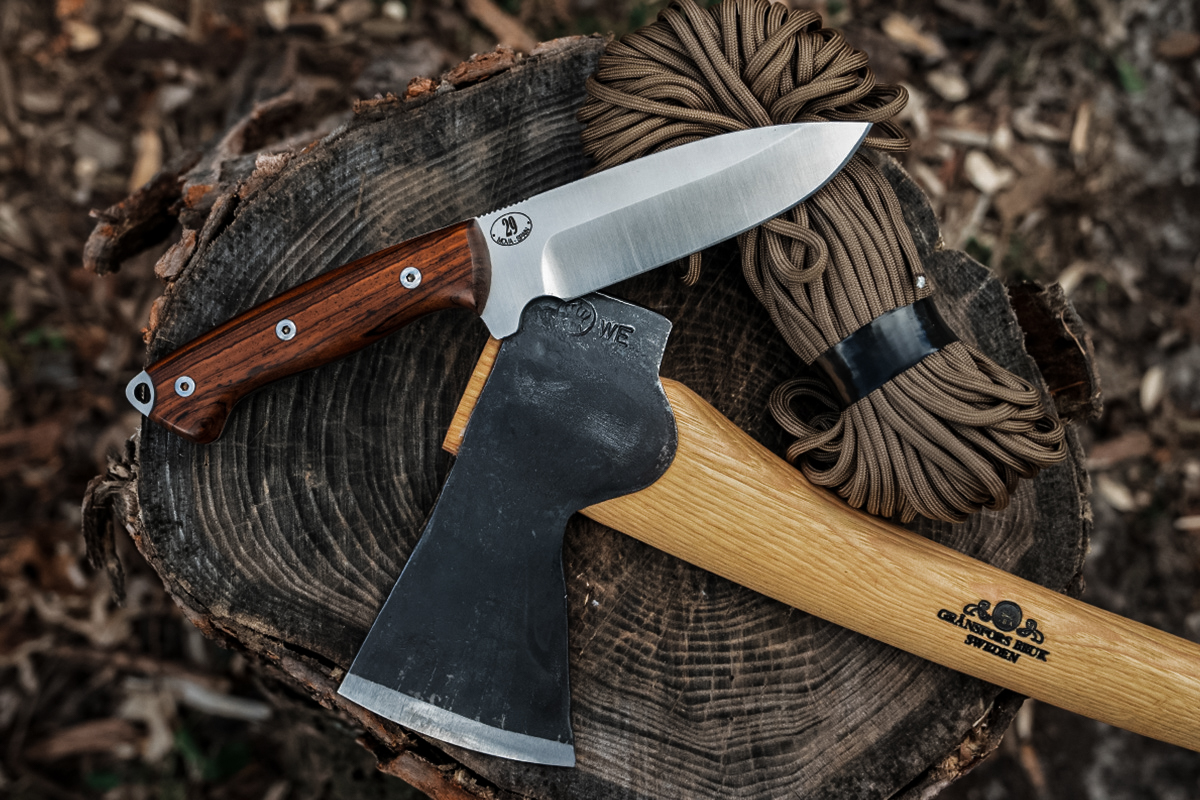
Carry tools that serve many purposes. A good pocket knife can cut, open, and repair. A bandana works as a mask, towel, or sling. Sunglasses protect your eyes from UV rays and dust. Use a watch with a built-in compass to keep direction. These items save space and weight in your pack. Versatile gear helps you adapt to changing needs easily.
Hygiene Essentials
Keep your body clean to avoid illness. Pack small soap bars or biodegradable wipes. Toothbrush and toothpaste maintain oral health. Carry hand sanitizer to kill germs quickly. Feminine hygiene products are important for women. Use a small towel for drying. Cleanliness prevents infections and improves comfort during survival situations.
Packing And Maintenance Tips
Packing and maintaining survival gear ensures readiness in any situation. Proper care keeps equipment reliable and extends its life. Organize and check your gear often for best results.
Organizing Your Gear
Sort items by type and use. Keep essentials easy to find. Use clear bags or compartments to separate gear. Label each section for quick access. Avoid overpacking to reduce weight and clutter.
Regular Gear Checks
Inspect gear before and after trips. Look for damage or wear. Test tools like knives and flashlights. Replace batteries regularly. Clean equipment to prevent rust and dirt buildup.
Upgrading Equipment
Update gear based on new needs or technology. Replace old items that no longer work well. Choose lightweight and durable options. Invest in multi-use tools to save space. Keep your survival kit current and efficient.
Credit: www.firearmsnews.com
Credit: freerangeamerican.us
Frequently Asked Questions
What Are The Essential Survival Gear Items?
Essential survival gear includes a reliable knife, fire starter, water filter, first aid kit, and emergency shelter. These items help ensure safety, provide basic needs, and improve chances of survival in emergencies or outdoor adventures.
How To Choose The Best Survival Gear?
Choose survival gear based on durability, weight, and multi-functionality. Prioritize items that are compact, easy to use, and suited for your environment. Quality gear can withstand harsh conditions and support long-term survival needs effectively.
Why Is A Fire Starter Necessary In Survival Gear?
A fire starter is crucial for warmth, cooking, and signaling rescue teams. It enables you to create fire quickly, even in wet conditions, which is vital for maintaining body temperature and purifying water in survival situations.
What Survival Gear Is Best For Water Purification?
Portable water filters, purification tablets, and UV purifiers are top choices for water purification. They remove harmful bacteria and parasites, ensuring safe drinking water and preventing dehydration or illness during emergencies.
Conclusion
Survival gear keeps you safe in tough situations. Choose items that are small and easy to carry. Focus on tools that provide water, food, and shelter. Always check your gear before any trip. Practice using your equipment to feel confident.
Being prepared can make a big difference. Stay calm and trust your tools. This gear helps you face challenges with strength. Keep your survival kit ready and updated. Safety starts with smart choices and good planning.