Imagine facing an unexpected situation where your safety depends on what you have with you. Would you be ready?
Having the right survival gear can make all the difference between staying safe and struggling through tough times. This isn’t just about being prepared; it’s about giving yourself peace of mind. You’ll discover the must-own survival gear that can protect you and your loved ones when it matters most.
Keep reading, because being equipped is your first step to staying in control.
Survival Knives
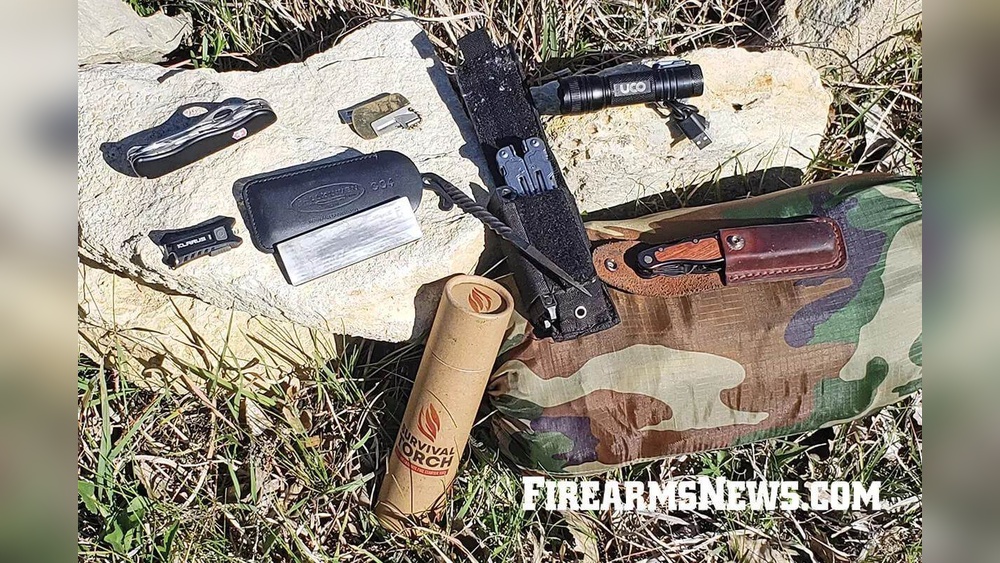
Survival knives are vital tools in any survival kit. They help with cutting, building shelters, and preparing food. A good knife can make difficult tasks easier and safer. Choosing the right survival knife improves your chances of staying safe outdoors.
Fixed Blade Vs Folding Knives
Fixed blade knives have a solid blade that does not fold. They are stronger and easier to clean. These knives handle tough jobs like chopping wood or cutting rope well.
Folding knives have a blade that folds into the handle. They are compact and easy to carry in a pocket. Folding knives suit lighter tasks like slicing or small cuts.
For survival, fixed blade knives offer more durability and strength. Folding knives are good for everyday carry but less reliable in harsh conditions.
Blade Materials And Durability
Blade material affects how long the knife stays sharp and its strength. Stainless steel resists rust and needs less maintenance. Carbon steel blades hold a sharp edge longer but can rust easily.
High-carbon stainless steel combines rust resistance and edge retention. This type is popular for survival knives. Durability matters because survival knives face tough use in wild environments.
Essential Knife Features
A strong handle with a good grip prevents slipping. Materials like rubber or textured plastic work well. A full tang blade, which means the blade runs through the handle, adds strength.
The knife should have a sharp, pointed tip for piercing tasks. A straight edge offers easier sharpening and better control. Some survival knives include a saw edge for cutting wood or bone.

Credit: survivalsherpa.wordpress.com
Fire Starting Tools
Fire starting tools are essential for any survival kit. They help you create fire for warmth, cooking, and safety. Choosing the right tools can make a big difference in tough outdoor conditions. Carrying reliable fire starters ensures you can light a fire quickly and easily.
Lighters And Matches
Lighters are simple and easy to use. They work well in dry conditions and light fires fast. Carry extra fuel or refillable models for long trips. Matches are cheap and lightweight. Waterproof matches last longer in wet weather. Keep matches in a sealed container to protect them.
Ferro Rods And Flint
Ferro rods and flint create sparks by scraping metal against them. They work in wet and windy weather better than lighters. These tools last a long time and need no fuel. Learning to use a ferro rod takes practice but is worth it. They are a must-have for serious survivalists.
Fire Starters And Tinder
Fire starters help ignite fire quickly. Options include wax-coated cotton, dryer lint, or commercial fire sticks. Tinder is dry material that catches sparks easily. Good tinder includes dry leaves, bark, or small twigs. Prepare and store tinder in a dry place for best results.
Water Purification
Water purification is a key part of survival gear. Clean water keeps you healthy and strong. It stops harmful germs and chemicals from making you sick. Having the right tools for water purification can save your life. Here are some must-have options.
Portable Filters
Portable filters remove dirt and bacteria from water. They are small and easy to carry. You just pump or sip water through them. These filters work fast and do not need power. Perfect for hiking or emergency kits.
Chemical Purifiers
Chemical purifiers kill germs in water using tablets or drops. They are light and take little space. You add chemicals to water and wait a few minutes. Good for backpacking or backup when filters fail.
Boiling And Uv Purification
Boiling water kills almost all harmful germs. Just boil for at least one minute. UV purifiers use light to destroy bacteria and viruses. Both methods are effective but need fuel or batteries. Best for reliable water cleaning at home or camp.
Shelter And Protection
Shelter and protection are the top priorities in any survival situation. They keep you safe from harsh weather, insects, and wild animals. A good shelter helps maintain body heat and rest. It also gives a sense of security and comfort during tough times. Choosing the right gear can make a big difference in your survival experience.
Tents And Tarps
Tents offer solid protection against wind, rain, and cold. They come in different sizes and materials. Lightweight tents are easy to carry and set up. Tarps are versatile and can be used for shelter or ground cover. They are compact and useful in emergencies. Both tents and tarps provide a barrier from the elements.
Sleeping Bags And Mats
Sleeping bags keep you warm by trapping body heat. They come in different temperature ratings for various climates. A good sleeping bag prevents hypothermia. Mats add a layer of insulation from cold ground. They also make sleeping more comfortable. Together, sleeping bags and mats help you rest well outdoors.
Emergency Blankets
Emergency blankets are small and lightweight. They reflect body heat to keep you warm. These blankets can fit in any survival kit. They are waterproof and windproof. Ideal for unexpected weather changes or injuries. Carrying an emergency blanket can save your life.
Navigation Tools
Navigation tools are essential for survival. They help you find your way in unfamiliar places. Good navigation tools keep you safe and prevent getting lost. Carrying reliable tools can make a big difference during emergencies.
Compasses
A compass is a basic but vital navigation tool. It points north and helps you stay on course. Compasses work without batteries or signals. They are small, light, and easy to carry. Learning to use a compass can save your life in the wild.
Gps Devices
GPS devices use satellites to show your exact location. They provide real-time directions and track your movements. Many GPS units are durable and water-resistant. Battery life is important when choosing a GPS device. Always carry extra batteries or a charger.
Maps And Route Planning
Paper maps are reliable and do not rely on power. They show terrain, trails, and landmarks clearly. Studying maps before trips helps plan safe routes. Mark key points and possible hazards on your map. Carry a waterproof case to protect your maps.

Credit: www.amazon.com
First Aid Essentials
First aid essentials are critical for any survival gear kit. Accidents and injuries happen unexpectedly. Having the right supplies can save lives and reduce pain. Being prepared means acting fast and smart. This section covers must-have first aid items for survival situations.
Basic Medical Supplies
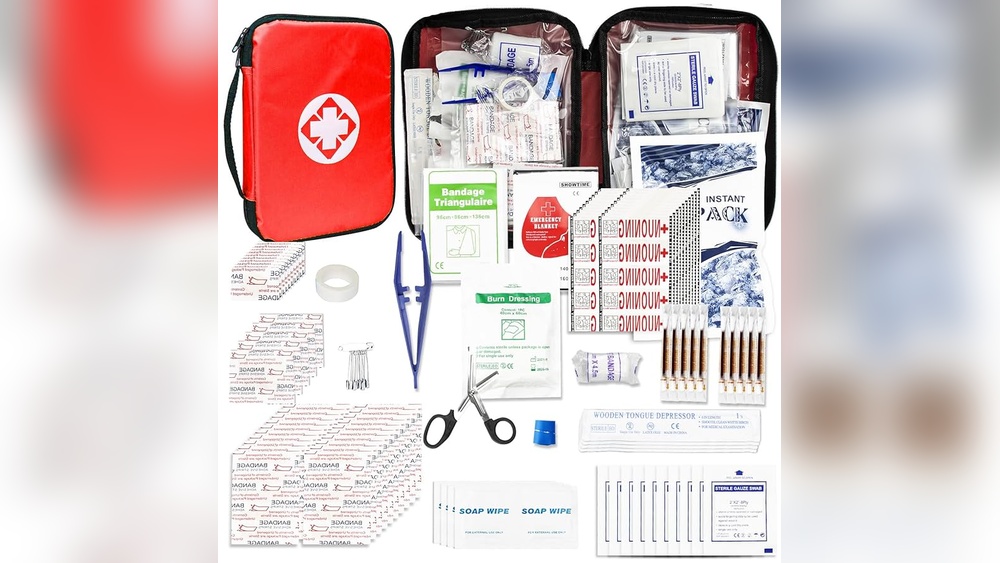
Basic medical supplies form the foundation of first aid. Include adhesive bandages in various sizes. Sterile gauze pads help control bleeding. Medical tape keeps dressings secure. Scissors, tweezers, and gloves are important tools. A CPR face shield protects during resuscitation. Always have a thermometer to check body temperature.
Trauma Kits
Trauma kits handle serious injuries. They contain larger bandages for deep cuts. Tourniquets stop heavy bleeding from limbs. Emergency blankets keep injured persons warm. Hemostatic agents help blood clot faster. Include splints to stabilize broken bones. These kits prepare you for severe emergencies.
Medicines And Ointments
Medicines and ointments aid healing and prevent infection. Pain relievers reduce discomfort. Antiseptic wipes clean wounds. Antibiotic ointments stop bacteria growth. Antihistamines treat allergic reactions. Include anti-diarrhea tablets for stomach issues. Keep all medicines in child-safe containers.
Multi-tools And Accessories
Multi-tools and accessories are essential for survival kits. They combine many functions in one compact device. This saves space and weight in your pack. These tools help solve many problems quickly. Perfect for camping, hiking, or emergency situations.
Pliers And Screwdrivers
Pliers are strong and useful for gripping and bending. They help fix gear or remove splinters. Screwdrivers are great for tightening or loosening screws. Multi-tools often include both in one device. This makes repairs easier without carrying many tools.
Survival Watches
Survival watches do more than tell time. They often have compasses, alarms, and timers. Some models include barometers or thermometers. These features help track weather and direction. Watches built for survival are tough and water-resistant.
Paracord Uses
Paracord is a strong, lightweight rope. It has many uses in survival situations. Use it to build shelters or secure gear. It can make traps or fishing lines. Paracord bracelets are easy to carry and always ready. Useful in many unexpected ways.

Credit: www.youtube.com
Lighting Equipment
Lighting equipment is essential in any survival kit. It provides visibility in the dark and helps signal for help. Good lighting can keep you safe and guide your way. Choosing the right tools is important for various situations.
Flashlights And Headlamps
Flashlights are compact and easy to carry. They offer focused light to see distant objects. Headlamps free your hands for tasks like cooking or building shelter. Both should be durable and waterproof. Brightness matters; look for models with adjustable beams.
Batteries And Power Sources
Reliable batteries keep your lights working long. Carry extra batteries for emergencies. Rechargeable batteries save money and reduce waste. Solar chargers and hand-crank generators can power lights without electricity. Always check battery life before heading out.
Glow Sticks And Signal Devices
Glow sticks provide light without batteries. They are lightweight and easy to use. Great for marking trails or signaling rescuers. Signal mirrors and whistles also help attract attention. Keep these items accessible in your survival pack.
Food Storage And Preparation
Food storage and preparation are key to survival. Safe storage keeps food fresh and prevents waste. Proper preparation ensures meals are nutritious and easy to cook. This section covers essential gear for food storage and cooking on the go.
Portable Cookware
Portable cookware is lightweight and easy to carry. It includes pots, pans, and utensils designed for travel. Choose materials like titanium or aluminum for durability. Compact sets save space and fit in backpacks. Cook simple meals anywhere, from campsites to emergency shelters.
Food Preservation Methods
Preserving food extends its shelf life. Common methods are drying, freezing, and vacuum sealing. Dry foods like jerky and fruits last longer without refrigeration. Vacuum sealing keeps air out and prevents spoilage. Proper preservation reduces food loss during emergencies.
Rations And Energy Bars
Rations are pre-packed meals designed for survival. They provide balanced nutrition and long shelf life. Energy bars offer quick calories and easy eating. Choose bars with natural ingredients and high protein. Keep several rations and bars ready for instant energy.
Communication Gear
Communication gear is vital for survival situations. It helps you stay connected and send alerts for help. Clear communication can save lives and reduce panic. Different tools serve unique roles in emergency scenarios.
Two-way Radios
Two-way radios allow instant voice communication. They work without cell towers or internet. These radios are reliable in remote areas. They come in compact sizes and offer long battery life. Easy operation makes them perfect for all users. Group communication keeps everyone informed and safe.
Emergency Beacons
Emergency beacons send distress signals to rescuers. They use GPS to share your exact location. Most beacons activate with a simple button press. Rescue teams receive fast alerts with accurate coordinates. Carrying one increases your chances of quick rescue. Essential for hikers, campers, and boaters alike.
Signal Mirrors And Whistles
Signal mirrors reflect sunlight to attract attention. They work well in daylight and open spaces. Whistles produce loud sounds to call for help. Their noise can travel farther than shouting. Both tools are lightweight and easy to carry. Perfect backups when electronic devices fail.
Frequently Asked Questions
What Are The Essential Survival Gear Items To Own?
Essential survival gear includes a reliable knife, water purifier, fire starter, first aid kit, and emergency shelter. These items help ensure safety, hydration, warmth, and medical care during emergencies or outdoor adventures, making them crucial for preparedness.
How Do I Choose The Best Survival Gear?
Choose survival gear based on durability, weight, functionality, and ease of use. Prioritize items suited to your environment and needs, ensuring they are compact and reliable for quick access and efficient use in emergencies.
Why Is A Water Purifier Vital In Survival Gear?
A water purifier ensures safe drinking water by removing harmful bacteria and contaminants. It prevents dehydration and waterborne illnesses, making it a critical tool for survival in outdoor or emergency situations.
Can A Multi-tool Replace Other Survival Gear?
A multi-tool is versatile but cannot replace specialized gear like fire starters or water filters. It complements your kit by offering multiple functions in one compact device, enhancing efficiency without compromising essential tools.
Conclusion
Survival gear keeps you safe in tough situations. Choose tools that are simple and reliable. Always prepare ahead, so you don’t worry later. Practice using your gear to build confidence. Stay calm and ready for any challenge. A small kit can make a big difference.
Remember, being prepared means peace of mind. Start gathering your survival gear today. Your safety depends on the gear you trust. Stay smart, stay ready.