When you’re preparing for any outdoor adventure, having the right survival knife can make all the difference. But what exactly makes a survival knife good quality?
You want a blade that’s strong, reliable, and ready to handle any challenge you face. Choosing the right knife isn’t just about looks—it’s about trusting your tool when it matters most. You’ll discover the key features to look for, so you can pick a survival knife that truly stands up to the test.
Keep reading to find out how to make the best choice for your safety and peace of mind.

Credit: www.amazon.com
Key Features Of Quality Survival Knives
Quality survival knives have specific features that make them reliable and effective. These features help the knife perform well in tough conditions. Knowing what to look for ensures you pick a tool that lasts and works when you need it most.
Blade Material And Durability
The blade must be made of strong steel. High carbon steel holds a sharp edge longer. Stainless steel resists rust and corrosion. Durability is key for cutting, chopping, and other tasks. The blade should not chip or break easily.
Handle Design And Grip
A good handle offers a firm, comfortable grip. It should prevent slipping, even when wet. Materials like rubber or textured synthetic improve grip. Ergonomic shapes reduce hand fatigue during use. The handle must feel secure in different hand sizes.
Blade Shape And Size
The blade shape affects the knife’s usefulness. Drop point blades offer control for precise cutting. Clip point blades are good for piercing tasks. A blade length between 4 to 6 inches balances power and ease. Size matters for carrying and handling.
Tang Construction
Full tang means the blade metal runs through the handle. This adds strength and stability. Partial tang knives are less sturdy and may break. Survival knives should have full tang for tough jobs. A solid tang construction lasts longer and handles pressure.
Additional Survival Features
- Built-in fire starters help in emergencies.
- Serrated edges cut rope and tough materials.
- Sheaths with extra pockets offer storage.
- Multi-tools or sharpeners add more use.
Extra features enhance the knife’s functionality outdoors.

Credit: www.nothingbutknives.com
Types Of Survival Knives
Survival knives come in various types, each designed for specific needs. Choosing the right type depends on the tasks you expect to face outdoors. Understanding these types helps you pick a knife that matches your survival style.
Fixed Blade Knives
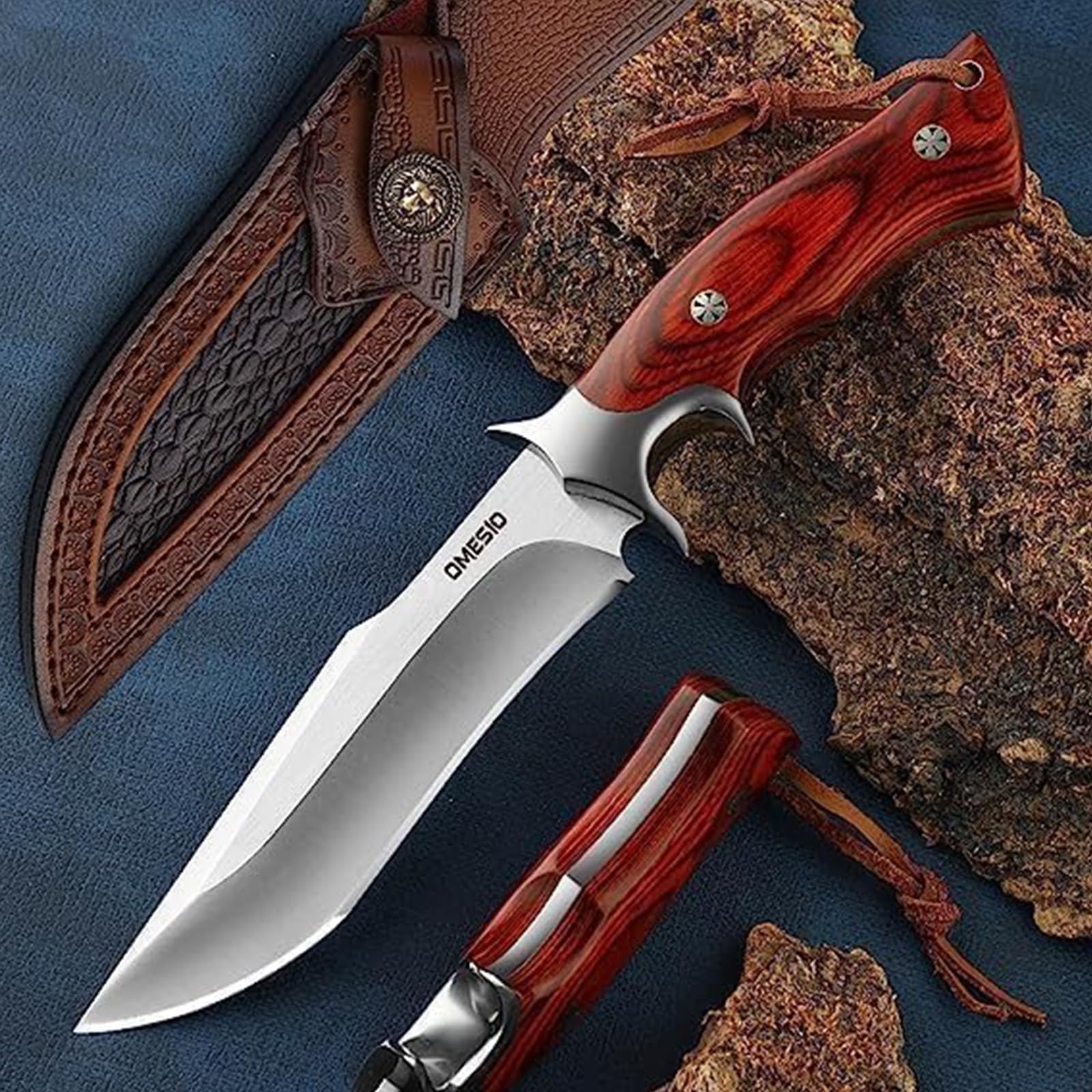
Fixed blade knives have a solid blade that does not fold. They are strong and reliable for tough tasks. These knives are great for chopping, cutting, and digging. They usually have a full tang, meaning the blade runs through the handle. This design adds extra strength. Fixed blade knives are easy to clean and maintain. They are ideal for heavy-duty survival situations.
Folding Survival Knives
Folding survival knives have blades that fold into the handle. They are compact and easy to carry in pockets. These knives are lighter than fixed blades. Folding knives work well for lighter tasks like cutting ropes or preparing food. They often have locking mechanisms for safety. Folding knives suit users who want a mix of convenience and functionality.
Multi-tools With Survival Knives
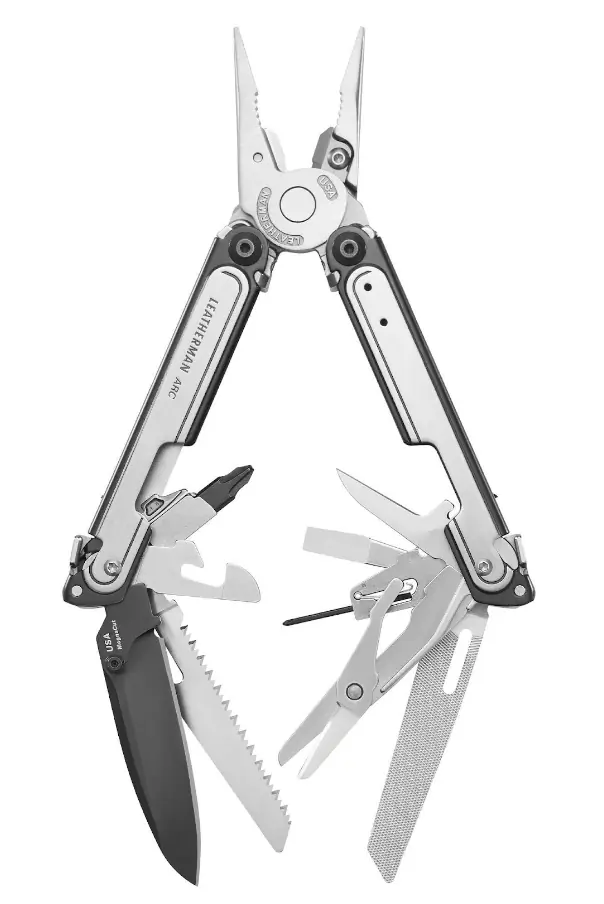
Multi-tools combine a survival knife with other tools in one device. These include pliers, screwdrivers, and saws. Multi-tools are handy for various tasks beyond cutting. They save space and reduce the number of items to carry. These tools fit well in small survival kits. Multi-tools work best for those needing versatility in one compact tool.
Top Durable Survival Knives Reviewed
When you’re out in the wilderness, the right survival knife can be your best companion. It’s not just about cutting through rope or carving wood—it’s about reliability and durability. In this section, we’ve reviewed some of the top durable survival knives that promise to stand the test of time and the elements.
Knife A: Strengths And Uses
Knife A is renowned for its robustness. Made from high-carbon stainless steel, it excels in strength and resistance to rust. Whether you’re building a shelter or preparing food, this knife has got you covered.
The ergonomic handle ensures a firm grip, even in wet conditions. This knife’s versatility makes it a favorite among campers and survivalists alike.
Knife B: Features And Performance
Knife B boasts a full-tang construction, which means the blade extends through the handle, providing superior balance and strength. The blade’s serrated edge is perfect for sawing through tough materials.
Its lightweight design doesn’t compromise its performance. You’ll find it easy to carry, making it ideal for long treks. How often do you find a knife that combines power with portability?
Knife C: Pros And Cons
Knife C offers a unique blend of features, but it’s not without its drawbacks. The pros include a razor-sharp blade and a durable sheath for safe storage.
On the downside, the grip can be slippery without gloves, and the price point is on the higher side. However, its quality often justifies the investment.
Comparison Of Top Picks
| Knife | Strengths | Weaknesses |
|---|---|---|
| Knife A | Durable, versatile | Heavier than others |
| Knife B | Lightweight, portable | Limited serration |
| Knife C | Sharp, durable sheath | Slippery grip, expensive |
Each knife has its unique advantages and potential drawbacks. Consider your specific needs and preferences when making a choice. Which knife aligns best with your outdoor activities?
Credit: www.creekstewart.com
How To Maintain Survival Knives
Maintaining survival knives ensures they stay sharp and ready for use. Proper care extends the knife’s life and improves performance. Neglect can cause rust, dullness, and damage.
Simple maintenance routines keep your knife reliable in tough situations. Focus on cleaning, sharpening, and storing your knife correctly.
Cleaning Techniques
Clean your knife after every use. Remove dirt, sap, and moisture to prevent rust. Use warm water and mild soap. Avoid soaking the knife for too long.
- Wipe the blade with a soft cloth.
- Use a brush for stubborn dirt.
- Dry thoroughly to stop moisture.
Oiling the blade lightly helps protect it from rust. Use food-safe oil for knives used in food preparation.
Sharpening Tips
Keep your knife sharp for safety and efficiency. Use a sharpening stone or rod suitable for your blade type. Follow the blade’s angle to maintain the edge.
- Start with a coarse grit to fix chips.
- Finish with a fine grit for a smooth edge.
- Sharpen both sides evenly.
Test sharpness by slicing paper or gently touching the edge.
Storage Recommendations
Store knives in a dry place to avoid rust and damage. Use a sheath, knife block, or magnetic strip. Keep knives separate to prevent blade contact.
- Ensure the blade is clean and dry before storage.
- Avoid storing knives loosely in drawers.
- Check stored knives regularly for rust or damage.
Choosing The Right Survival Knife For You
Choosing the right survival knife is key to being prepared and safe outdoors. The right knife fits your needs and feels comfortable in your hand. It should be strong and reliable for many tasks. Picking the best one means thinking about how you will use it, what you can spend, and the maker’s trustworthiness.
Assessing Your Survival Needs
Think about the activities you will do with your knife. Will you build shelter or cut rope? Maybe you need a knife for food prep or self-defense. A larger blade works well for chopping. A smaller blade is better for detailed work. Choose a knife that matches your common tasks.
Budget Considerations
Survival knives come in many price ranges. Set a budget before buying. A good knife does not have to be expensive. Look for quality materials like stainless steel or carbon steel. Spend enough to get a sharp, durable blade. Avoid very cheap knives that break easily.
Brand Reputation And Warranty
Pick brands known for quality and care. Trusted brands often use better materials and make stronger knives. Check for customer reviews about durability and performance. A warranty shows the maker stands behind their product. It offers peace of mind if the knife has defects.
Frequently Asked Questions
What Defines A Good Quality Survival Knife?
A good quality survival knife has a strong, durable blade made from high-carbon steel. It features a comfortable grip and corrosion resistance. The knife should be versatile for cutting, chopping, and other outdoor tasks. A sturdy sheath for safe carrying is also essential.
Which Materials Are Best For Survival Knife Blades?
High-carbon stainless steel is best for survival knife blades. It offers excellent strength, sharpness, and rust resistance. This material holds an edge longer and withstands tough outdoor conditions. Avoid low-quality metals that dull quickly or corrode easily.
How Important Is The Knife Handle In Survival Knives?
The handle is vital for grip, comfort, and control. Good survival knife handles are made from materials like rubber, micarta, or G10. These materials resist moisture, provide a secure grip, and reduce hand fatigue during extended use.
Should Survival Knives Have Fixed Or Folding Blades?
Fixed blades are preferred for survival knives due to their strength and reliability. They handle tough tasks without risk of folding. Folding knives are compact but less durable for heavy-duty survival use. Choose based on your specific outdoor needs.
Conclusion
Good quality survival knives offer strength and reliability in tough situations. They have sharp blades and sturdy handles for safe use. Choosing the right knife depends on your needs and environment. Durable materials and comfortable grips make a big difference.
A well-made knife can last for many years. Always take care of your knife to keep it ready. A strong survival knife is a helpful tool for any outdoor adventure. Trust your choice and stay prepared for whatever comes.