When an emergency strikes, having the right food in your kit can make all the difference. You might wonder, what food should you pack to stay safe and energized?
Choosing the best options isn’t just about filling a bag—it’s about preparing your body and mind for unexpected situations. You’ll discover simple, practical food choices that will keep you nourished when it matters most. Keep reading to learn how to build an emergency food kit that works for you and your loved ones.

Credit: medium.com
Key Criteria For Emergency Food
Choosing the right food for an emergency kit needs careful thought. The food must stay safe and edible for a long time. It should provide energy and nutrients to keep you healthy. Preparing the food must be simple during stressful times. Also, the food must be easy to carry and store. These factors help ensure your emergency food supply meets your needs.
Shelf Life And Durability
Emergency food must last a long time without spoiling. Canned goods, dried fruits, and freeze-dried meals often have long shelf lives. Packaging should protect food from moisture, air, and pests. Durable packaging like vacuum-sealed bags or metal cans works best. Avoid foods that spoil quickly or need refrigeration.
Nutritional Value
Food in your kit should provide energy and essential nutrients. Focus on foods rich in protein, carbohydrates, and healthy fats. Vitamins and minerals are important for maintaining strength and health. Include a mix of foods to cover different nutritional needs. Avoid foods high in sugar or empty calories.
Ease Of Preparation
Emergency food must be easy to prepare with limited resources. Ready-to-eat meals or those requiring only water are ideal. Avoid foods needing complex cooking or special equipment. Simple preparation reduces stress and saves time. Include items that can be eaten cold or heated quickly.
Portability And Storage
Food should be lightweight and easy to carry during emergencies. Compact packaging helps save space in your kit. Store food in airtight containers to prevent damage. Consider the space available in your home or bug-out bag. Balance between quantity and portability for best results.
Top Non-perishable Food Items
Choosing the right non-perishable food items for your emergency kit can make all the difference when access to fresh food is limited. These foods should last a long time without spoiling, provide essential nutrients, and be easy to prepare. Let’s look at the top non-perishable foods that fit these criteria and why they deserve a spot in your emergency supplies.
Canned Goods
Canned foods are a staple for any emergency kit because they have a long shelf life and come in a variety of options. You can store canned vegetables, fruits, beans, and proteins like tuna or chicken. Keep in mind to choose low-sodium options to maintain your health during stressful times.
One tip I learned: always include a manual can opener in your kit. You might have plenty of food, but without a way to open cans, it becomes useless. How often do you check your canned goods for expiration? Rotate them regularly to avoid surprises.
Dry Grains And Legumes
Rice, oats, lentils, and beans are fantastic non-perishable staples. They are nutrient-rich, filling, and easy to store in airtight containers. Plus, they often require minimal cooking—perfect if fuel or electricity is limited.
Think about how much energy you get from a simple bowl of rice or beans. These foods can sustain you for days and can be combined with canned vegetables or seasoning packets to keep meals interesting. Are you storing these in moisture-proof bags to extend their shelf life?
Freeze-dried Meals
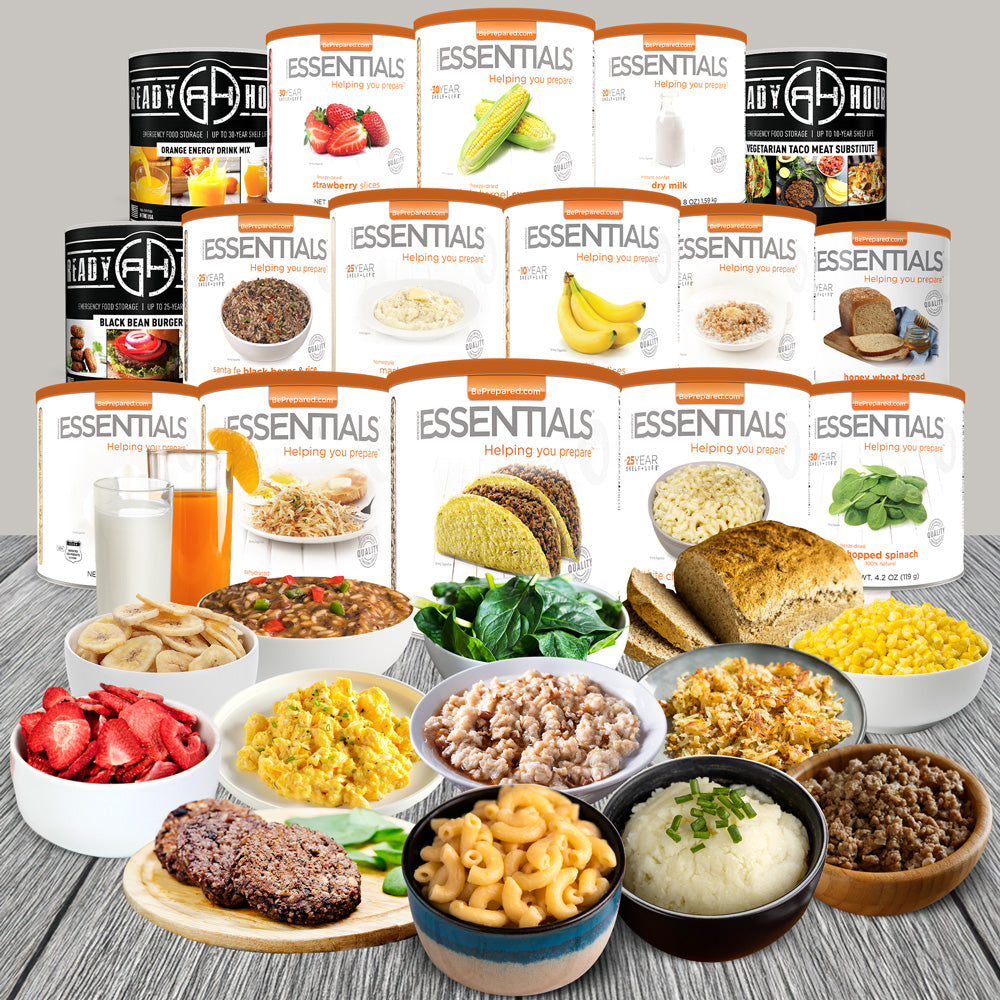
Freeze-dried meals are lightweight, compact, and can last for years. They only need water to rehydrate, making them ideal for emergencies where cooking might be difficult. Many brands offer balanced meals with proteins, carbs, and veggies.
When I first tried freeze-dried meals, I was surprised by the taste and convenience. They’re a great backup if you want variety without sacrificing nutrition. Have you considered trying sample packs to find your favorite flavors?
Energy Bars And Snacks
Energy bars and snacks are perfect for quick energy boosts during emergencies. Look for bars high in protein and fiber but low in sugar. Nuts, dried fruits, and trail mixes also provide essential fats and vitamins.
Keep a mix of sweet and savory options to avoid flavor fatigue. I always keep a few bars in my emergency bag for unexpected situations. What’s your go-to snack when you need a fast energy lift?
Hydration Essentials
During emergencies, staying hydrated is crucial for survival and health. Planning for hydration ensures you have enough clean water in your emergency kit. It’s not just about storing water, but also ensuring its safety and quality. Here’s what you need to know about hydration essentials for your emergency kit.
Water Storage Options
Storing enough water is vital for emergencies. Consider various storage options to ensure you have a reliable supply.
- Bottled Water:Convenient and ready to use. Keep in a cool, dark place.
- Water Jugs:Larger containers store more water. Ensure they’re food-grade quality.
- Collapsible Water Containers:Space-saving and easy to carry. Ideal for limited storage space.
- Rain Barrels:Collect rainwater for non-drinking purposes. Ensure proper purification before drinking.
Water Purification Methods
Purifying water is essential when stored water runs out. There are several methods to ensure water safety.
- Boiling:Boil water for at least one minute to kill pathogens.
- Water Purification Tablets:Easy to use. Follow instructions on the package for best results.
- Portable Water Filters:Filters remove contaminants. Good for outdoor or emergency use.
- UV Water Purifiers:Use UV light to eliminate bacteria. Portable and easy to use.
Preparing for hydration is key to surviving emergencies. With proper storage and purification, you’ll have safe water when needed.
Credit: www.beprepared.com
Special Dietary Considerations
Special dietary needs can make emergency food planning more complex. You want to ensure everyone in your group can eat safely and maintain their health during a crisis. Paying attention to allergies, dietary choices, and age-specific nutrition helps you build a kit that truly supports your whole family.
Allergies And Intolerances
Food allergies and intolerances require careful selection of emergency foods. Avoid common allergens like nuts, dairy, gluten, and shellfish if anyone in your group reacts to them. Instead, choose hypoallergenic options such as rice crackers, dried fruits, and canned vegetables.
Label your emergency supplies clearly to prevent accidental exposure. You might even keep separate containers for allergen-free foods. Have you thought about how you would manage a sudden allergic reaction if you’re stuck without access to medication?
Vegetarian And Vegan Choices
If you or someone in your group follows a vegetarian or vegan diet, pack protein-rich plant foods. Canned beans, lentils, quinoa, and nut butters work well and last long. These foods provide energy and nutrients without compromising dietary beliefs.
Don’t forget vitamin B12 and iron sources since these can be tricky on a vegan diet. Fortified cereals or supplements can help. What would you do if your emergency kit lacked suitable options for your diet?
Baby And Elderly Nutrition
Babies and older adults have unique nutritional needs that demand special attention. Include formula, baby food jars, and easily digestible snacks for infants. For seniors, consider soft foods like applesauce, pudding, and pre-cooked grains to aid chewing and digestion.
Hydration is also critical—pack electrolyte drinks or powders suitable for these age groups. Planning ahead for these needs can prevent health issues when help is not immediately available. How prepared is your kit to support the most vulnerable members of your family?
Packaging And Storage Tips
Proper packaging and storage can make a big difference in how long your emergency food lasts and how safe it remains. You want to protect your supplies from damage, pests, and spoilage while keeping them easy to access when needed. Let’s look at some practical tips to keep your emergency kit in top shape.
Optimal Containers
Choose airtight containers that seal well to keep moisture and air out. Mylar bags with oxygen absorbers work great for dried foods like rice and beans. For canned goods, sturdy plastic bins or metal shelves help organize and protect them from crushing.
Clear containers let you see what’s inside without opening them, saving time and reducing exposure. Avoid cardboard boxes alone, as they can attract pests and weaken over time. Think about stacking ability too—containers that fit neatly save space and prevent accidents.
Temperature And Humidity Control
Store your emergency food in a cool, dry place away from sunlight. Heat speeds up spoilage, while humidity invites mold and pests. A basement or closet with stable temperature is ideal.
If you live somewhere humid, consider using silica gel packs or moisture absorbers inside your containers. You don’t want to find your emergency rice clumped together or your dried fruit moldy when you need it most. Have you checked the humidity levels where you store your food lately?
Rotation And Replacement
Food storage isn’t “set it and forget it.” You need a system to use older items first and replace them with fresh supplies regularly. Label containers with purchase or pack dates to track freshness easily.
Set calendar reminders every six months to check your emergency kit. During one of my checks, I found a few cans with bulging lids—discarding them prevented a bigger problem later. Regular rotation ensures your kit stays reliable and your peace of mind intact.
Emergency Cooking Solutions
Emergency situations often disrupt access to conventional cooking methods. Having reliable ways to prepare food can make all the difference in staying nourished and comfortable. Emergency cooking solutions ensure you can heat meals or enjoy food without relying on electricity or gas.
Portable Stoves And Fuel
Portable stoves are compact and lightweight, designed for easy transport and quick setup. They run on various fuels such as butane, propane, or solid fuel tablets. Choosing the right stove depends on your environment and how long you expect to be without power.
Consider a small butane stove if you need something easy to light and control. Propane stoves provide longer burn times, ideal for multiple meals. Solid fuel tablets are lightweight and safe but may not offer as much heat for larger cooking tasks.
Remember to store fuel safely and check expiration dates regularly. Have extra fuel on hand to avoid running out when you need it most. How prepared are you to cook hot meals when your kitchen isn’t available?
No-cook Food Options
Sometimes, cooking isn’t possible or practical. No-cook food options keep you fed without any heat source. These foods are essential for quick energy and nutrition during emergencies.
- Canned beans and vegetables – ready to eat and packed with nutrients
- Nut butters – high in protein and don’t require refrigeration
- Energy bars and trail mix – lightweight and long-lasting
- Dehydrated fruits – provide vitamins and a natural sweetness
- Ready-to-eat canned meats like tuna or chicken
I once found myself relying solely on no-cook foods after a storm knocked out power for days. Having these options meant I didn’t have to worry about heating meals and could focus on other survival tasks. What no-cook foods do you trust to keep you going in a pinch?

Credit: www.mypatriotsupply.com
Frequently Asked Questions
What Are The Best Foods For An Emergency Kit?
The best emergency foods are non-perishable, nutrient-dense, and easy to prepare. Examples include canned beans, dried fruits, nuts, energy bars, and freeze-dried meals. These foods provide essential calories, vitamins, and minerals during emergencies without needing refrigeration or cooking.
How Long Can Emergency Food Last Safely?
Emergency food can last from six months to 25 years, depending on the type. Proper storage in cool, dry, airtight containers extends shelf life. Always check expiration dates and rotate supplies regularly to ensure freshness and nutritional value during emergencies.
Should I Include Water-rich Foods In My Emergency Kit?
Water-rich foods like fruits and vegetables are not recommended for emergency kits. They spoil quickly and require refrigeration. Instead, focus on foods with low moisture content that store longer and pair with sufficient water supplies for hydration.
How Much Food Should I Store Per Person?
Store at least a three-day supply of food per person for emergencies. Each person needs about 2,000 calories daily. Plan for longer durations if possible, considering dietary needs and preferences to maintain energy and health during crises.
Conclusion
Choosing the right food for your emergency kit saves lives. Focus on items that last long and provide energy. Pack canned goods, dried fruits, nuts, and ready-to-eat meals. Don’t forget water and simple cooking tools. Keep your kit updated and check expiration dates often.
Being prepared gives peace of mind during tough times. Start building your emergency food kit today. Stay safe, stay ready.