What would you do if everything around you suddenly stopped working—no power, no stores, no help? When society collapses, your survival depends on the gear you have with you.
You might think you’re prepared, but do you really know what tools and supplies can keep you alive? This guide will show you exactly what gear you need to protect yourself, find food and water, and stay safe when disaster strikes.
Keep reading, because your life could depend on what you choose to carry today.

Credit: www.npr.org
Basic Survival Tools
Basic survival tools are essential for anyone preparing for a collapse. These tools help you stay safe, find food, and keep warm. They are small but powerful items that can make a big difference. Carrying the right tools can improve your chances of survival.
Knives And Multi-tools
A sturdy knife is one of the most important survival tools. It helps with cutting, building, and protection. Choose a knife with a fixed blade for strength. Multi-tools combine several functions like pliers, scissors, and screwdrivers. These save space and offer versatility in tough situations. Always keep your knife sharp and clean.
Fire Starters
Fire provides warmth, light, and a way to cook food. Fire starters are small tools to ignite flames easily. Common types include matches, lighters, and ferro rods. Ferro rods last longer and work when wet. Keep fire starters dry and in a safe place. Practice using them before you need to rely on them.
Water Purification Devices
Clean water is vital for survival. Water purification tools make unsafe water drinkable. Popular devices include water filters, purification tablets, and UV purifiers. Filters remove dirt and bacteria. Tablets kill germs with chemicals. UV purifiers use light to clean water quickly. Carry at least one type of water purifier in your kit.
Shelter And Clothing
Shelter and clothing are vital for survival during a collapse. They protect from harsh weather and keep the body safe. Good shelter blocks wind, rain, and cold. Proper clothing keeps you warm and dry. Both help prevent sickness and injury. This section covers essential gear to stay safe and comfortable.
Tents And Tarps
Tents provide a strong, portable shelter. They keep rain and wind out effectively. Choose tents that are lightweight and easy to set up. Tarps are versatile and can create quick shelters. They can cover an area or act as a groundsheet. Both tents and tarps protect from elements and insects.
Insulating Clothing
Wear clothes that trap heat and dry fast. Wool and synthetic fabrics are best for warmth. Layering helps adjust to temperature changes easily. Avoid cotton because it holds moisture and chills the body. Insulating clothing prevents hypothermia and keeps energy levels high.
Sleeping Bags And Mats
A good sleeping bag keeps you warm during cold nights. Choose one rated for low temperatures. Sleeping mats add comfort and insulation from the cold ground. They reduce heat loss and improve sleep quality. Together, sleeping bags and mats help you rest and recover.
Food And Cooking Supplies
Food and cooking supplies are crucial for survival during a collapse. Having the right items ensures you stay nourished and healthy. Planning ahead helps avoid hunger and stress. It also makes cooking easier in tough conditions.
Non-perishable Food Items
Choose foods that last a long time without spoiling. Canned beans, rice, and dried pasta work well. Freeze-dried meals offer a lightweight option. Nuts, seeds, and dried fruits provide good energy. Pick items high in calories and nutrients.
Portable Cooking Gear
Small, lightweight cooking tools help prepare meals anywhere. A camping stove or portable gas burner is useful. Look for compact pots and pans that fit your pack. A lighter or waterproof matches make starting fires simple. Carry utensils that are durable and easy to clean.
Food Storage Solutions
Proper storage keeps food safe and fresh longer. Use airtight containers to protect from moisture and pests. Vacuum-sealed bags reduce air and extend shelf life. Store food in cool, dark places to slow spoilage. Label all containers with dates for easy rotation.

Credit: www.amazon.com
Navigation And Communication
In a survival situation, knowing where you are and how to communicate is crucial. Navigation and communication tools help you find your way and stay connected. These tools increase your chances of safety and rescue. Basic, reliable equipment works best under tough conditions.
Maps And Compasses
Paper maps show the land and important features clearly. They do not need batteries or signals. A good compass helps you use a map correctly. Learn to read both to avoid getting lost. Practice using them before an emergency happens.
Emergency Radios
Emergency radios receive important news and alerts from authorities. Hand-crank or solar-powered radios work without electricity. Some radios can send distress signals too. Keep extra batteries or charging options for long use. Radios keep you updated about weather and dangers nearby.
Signaling Devices
Signaling devices attract attention when you need help. Whistles are loud and easy to carry. Signal mirrors reflect sunlight to catch eyes far away. Bright colored flags or flares also work well. Use these tools to alert rescuers quickly and safely.
First Aid And Medical Supplies
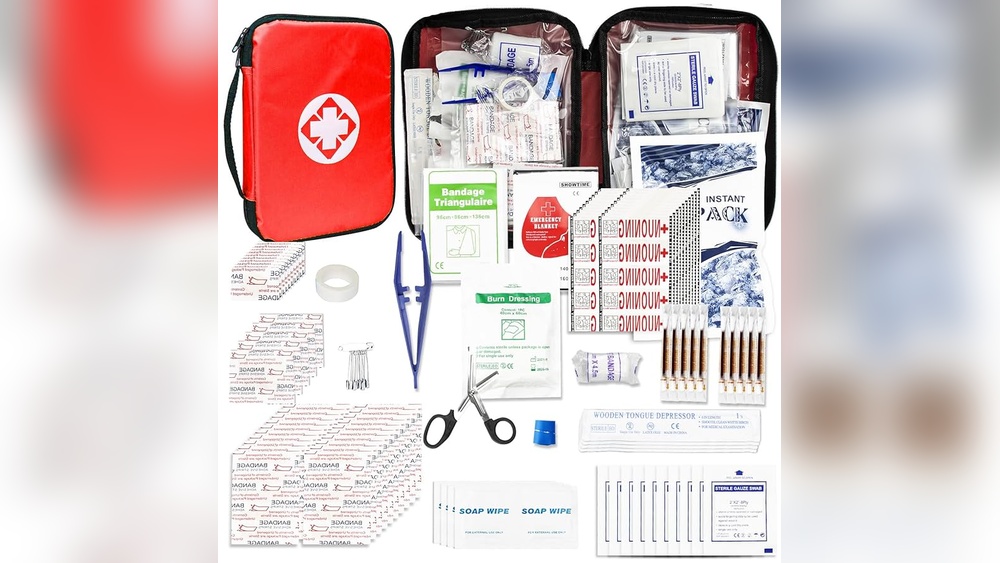
First aid and medical supplies are crucial during a collapse. Injuries and illnesses can happen anytime. Having the right tools helps you stay safe and healthy. Proper supplies prevent small problems from becoming serious. Being prepared can save lives and reduce suffering.
Basic First Aid Kit
A basic first aid kit should include bandages of different sizes. Sterile gauze pads stop bleeding quickly. Adhesive tape holds dressings in place. Antiseptic wipes clean wounds to prevent infection. Tweezers remove splinters or debris from cuts. Scissors cut tape or clothing. A digital thermometer checks for fever. Gloves protect against germs. Keep the kit organized and easy to carry.
Medications And Ointments
Stock common medications like pain relievers and fever reducers. Antihistamines help with allergic reactions. Antibiotic ointments prevent infection in minor cuts. Burn creams soothe skin injuries. Include any personal prescription medicines. Keep extra supplies of these medicines. Use them carefully and follow instructions. Proper medication can ease pain and speed healing.
Personal Hygiene Items
Good hygiene stops illness from spreading. Soap and hand sanitizer kill germs. Toothbrush and toothpaste keep your mouth clean. Feminine hygiene products are essential for women. Clean towels and washcloths help with care. Dispose of waste safely to avoid contamination. Staying clean is key to health during tough times.
Credit: www.ebay.com
Security And Defense
Security and defense are vital during a collapse. Keeping yourself and your loved ones safe must be a top priority. The right gear helps protect against threats and dangers. Prepare to defend your space and respond quickly. Here are some important tools and systems to consider.
Self-defense Tools
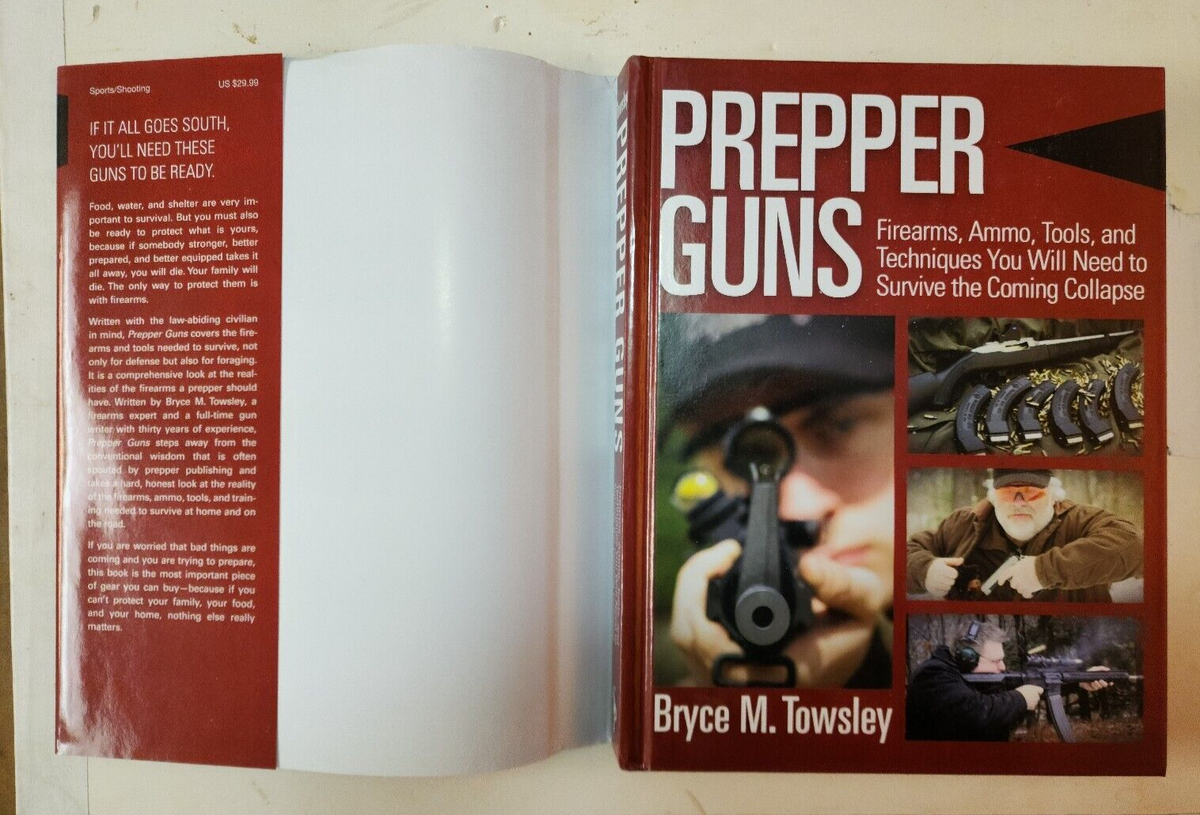
Choose self-defense tools that suit your skill and comfort. Basic items like pepper spray or a sturdy flashlight work well. A reliable knife or multi-tool can help in close encounters. Firearms require training and legal knowledge. Practice regularly to use any tool effectively. Keep tools accessible but safe from children or intruders.
Secure Storage Options
Store weapons and valuables in secure containers. Use lockboxes or safes that resist tampering and fire. Choose a size that fits your needs and space. Anchor storage units to walls or floors for extra security. Keep keys or combinations hidden and known only to trusted people. Secure storage prevents theft and accidental injuries.
Alert Systems
Alert systems warn you of approaching danger. Simple alarms can scare off intruders before they enter. Motion sensors and door alarms add layers of protection. Battery-powered or solar devices work without electricity. Loud sounds draw attention and help neighbors respond. Install systems in key entry points for best results.
Power And Light Sources
Power and light are essential during a collapse. They keep you safe, help you move around, and allow basic tasks. Without reliable sources, darkness can become dangerous. Preparing with the right gear ensures you have light when you need it most.
Flashlights And Lanterns
Flashlights are compact and easy to carry. They help you see in tight spaces and outdoors. Choose models with bright LED bulbs for longer light. Lanterns offer wider light for rooms or campsites. Look for lanterns that are durable and weatherproof.
Batteries And Chargers
Spare batteries are a must for all devices. Keep different sizes based on your gear needs. Rechargeable batteries save money and reduce waste. Solar or hand-crank chargers provide power without electricity. Always have a way to charge your devices during outages.
Alternative Power Sources
Solar panels can charge small devices or batteries. Portable generators give power for longer periods. Consider fuel types and noise when choosing generators. Power banks store energy for phones and small gadgets. These options increase your independence from the grid.
Additional Survival Gear
Additional survival gear plays a crucial role in staying safe and prepared during a collapse. These items support your main gear by keeping everything functional and helping you navigate tough situations. They cover repair, knowledge, and basic needs beyond food and water.
Repair And Maintenance Tools
Tools for fixing gear are essential. Items like a multi-tool, duct tape, and spare parts help repair broken equipment. A small sewing kit can fix torn clothes or gear. Keeping your tools and weapons in good shape ensures they work when needed most.
Survival Guides And Manuals
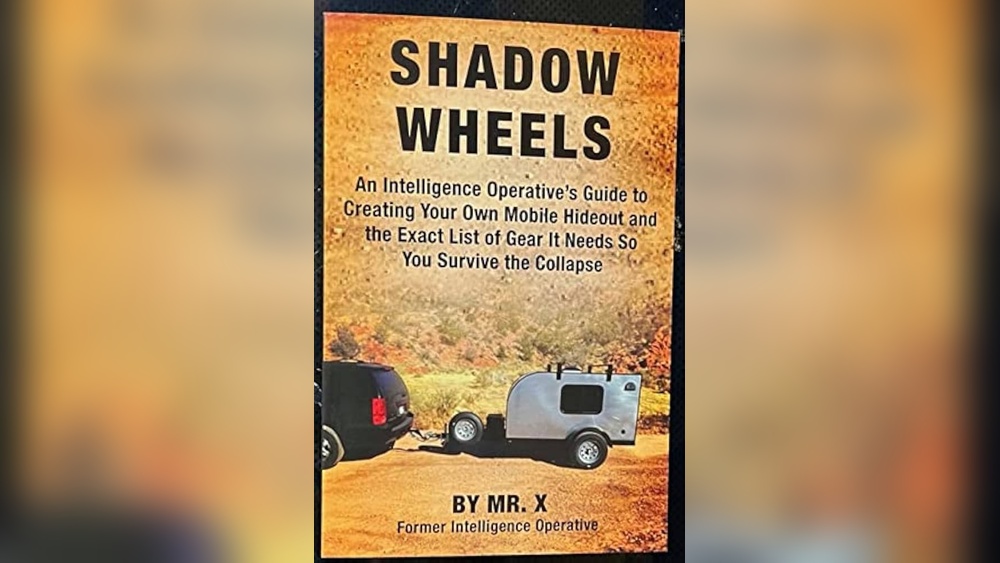
Printed survival guides offer valuable knowledge. They help with first aid, finding food, and building shelters. Books do not need batteries or internet. Carrying easy-to-read manuals helps you learn skills quickly and remember important tips during emergencies.
Personal Identification And Cash
Keep personal ID and some cash on hand. Identification proves who you are and may help access aid. Cash is useful when electronic payments fail. Store these items in a waterproof pouch to protect them from damage.
Frequently Asked Questions
What Essential Gear Is Needed To Survive A Collapse?
Essential gear includes water purification tools, non-perishable food, first aid kits, multi-tools, and reliable shelter. These items ensure safety, hydration, nourishment, and protection during emergencies.
How Important Is Water Purification Gear In Survival?
Water purification gear is crucial to avoid waterborne diseases. Clean water sustains life and prevents dehydration, making purification tools a top priority in collapse scenarios.
What Type Of Shelter Gear Should I Prepare?
Portable tents, tarps, sleeping bags, and thermal blankets offer protection from harsh weather. Shelter gear keeps you safe, warm, and dry during uncertain conditions.
Why Are Multi-tools Necessary For Survival Situations?
Multi-tools combine several functions in one device, saving space and weight. They assist with repairs, food preparation, and first aid, enhancing your adaptability and efficiency.
Conclusion
Surviving a collapse means having the right gear ready. Water, food, and shelter top the list. Tools for fire and first aid are vital too. Choose gear that lasts and fits your needs. Practice using your equipment often. Stay calm and prepared to face challenges.
Remember, survival depends on smart choices and readiness. Keep your gear simple and reliable. This helps you stay safe when times get tough.