Have you ever wondered what really happened to Metal Gear Survive? If you’re a fan of the Metal Gear series or just curious about why this game didn’t get the attention it seemed to deserve, you’re not alone.
Metal Gear Survive took a different path from its famous predecessors, and that shift left many players confused and disappointed. You’ll discover the key reasons behind its rise and fall, what went wrong, and what it means for fans like you.
Keep reading to uncover the story behind Metal Gear Survive and why it didn’t quite survive in the gaming world.
Credit: www.konami.com
Metal Gear Survive Launch
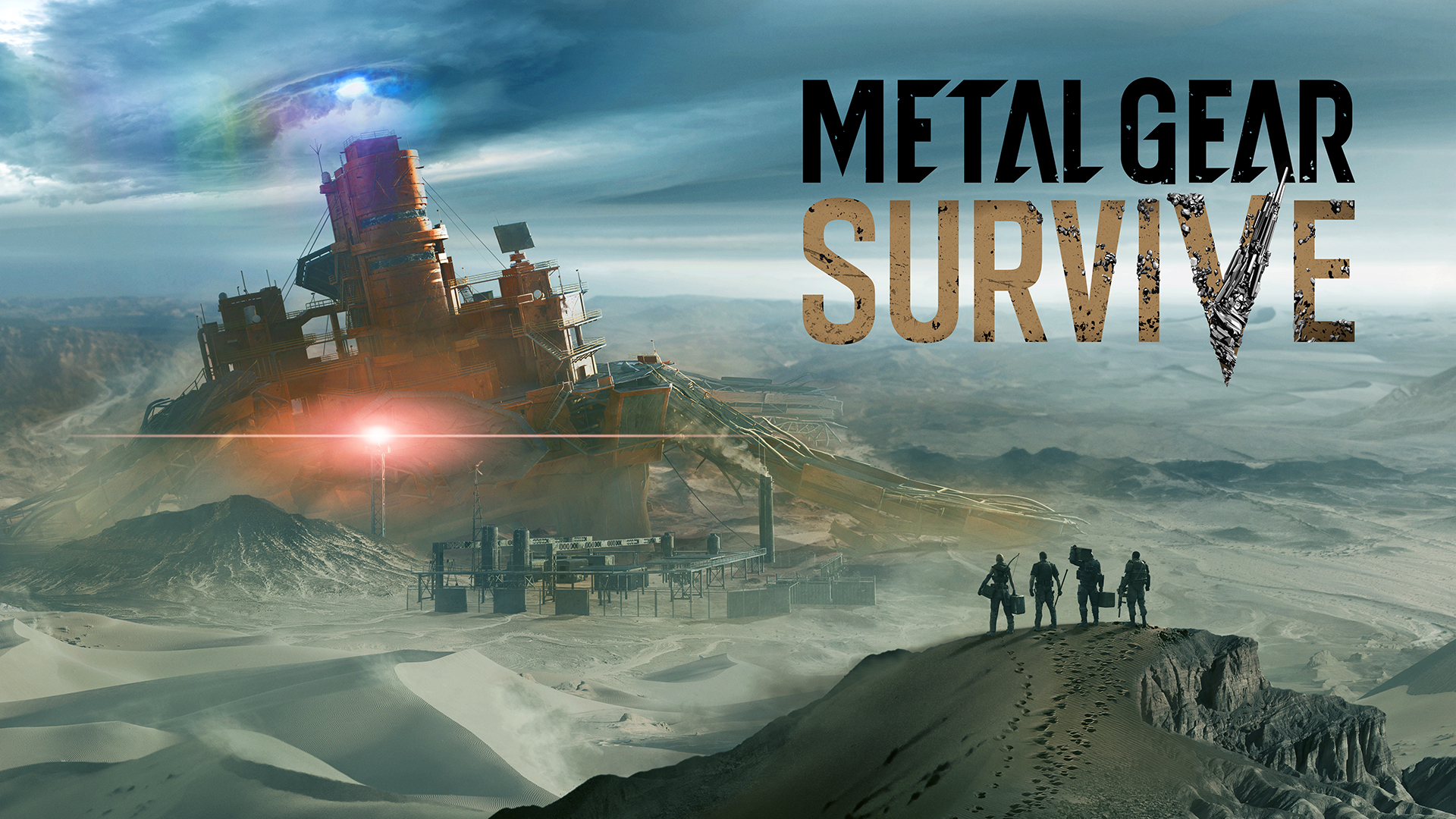
Metal Gear Survive launched as a spin-off from the popular Metal Gear series. It arrived with high expectations but also faced many challenges. The game tried a new direction, mixing survival and action elements in a familiar universe. Fans watched closely to see how it would perform.
The launch marked a significant moment for Konami, the game’s developer. It tested if the series could expand beyond its stealth roots. The release date brought excitement and skepticism among players worldwide.
Initial Reception
Players gave mixed reactions to Metal Gear Survive. Many missed the classic stealth gameplay of previous Metal Gear titles. Some criticized the game for its focus on survival and crafting. Others found the story confusing and less engaging.
Reviews pointed out technical problems at launch. Bugs and glitches affected the experience for some players. The online multiplayer mode also faced criticism for being repetitive. Despite this, a group of fans appreciated the new challenges.
Gameplay Features
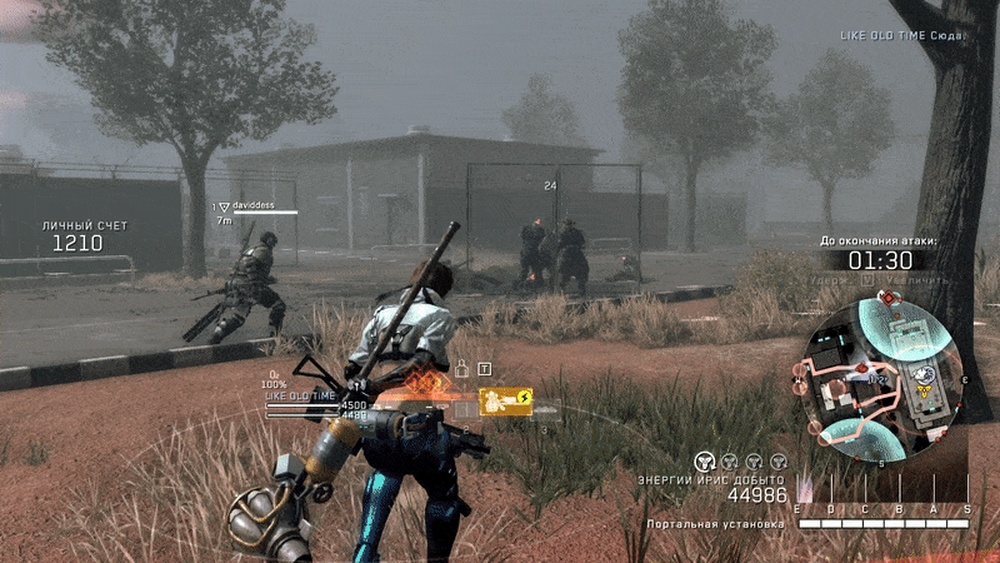
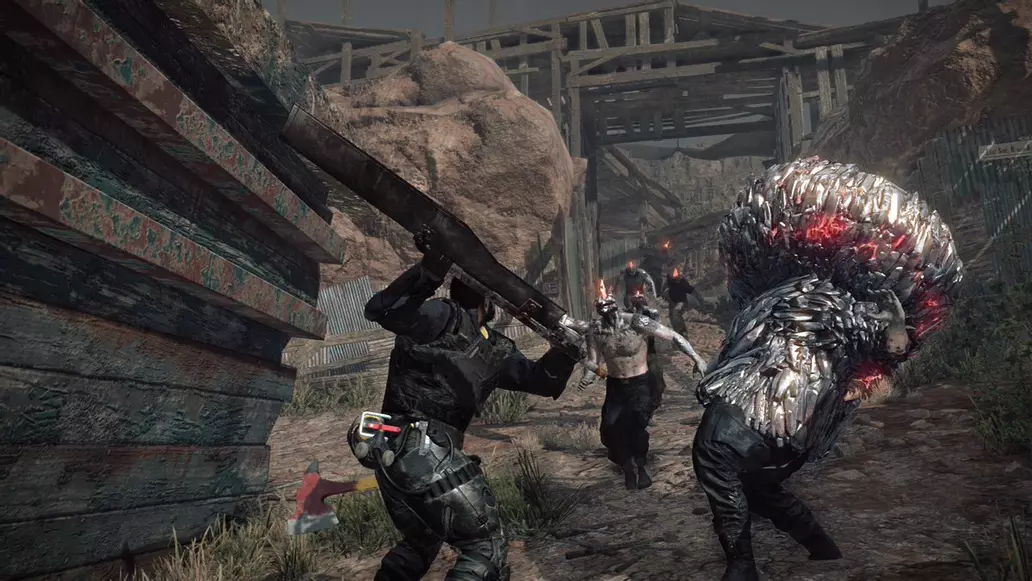
Metal Gear Survive introduced survival mechanics in a hostile world. Players had to gather resources like food and water. Crafting tools and weapons was essential to stay alive. The game featured building structures to defend against enemies.
Combat involved fighting zombies and other threats. The game allowed team play with friends to survive tougher battles. Exploration was a key part of the gameplay loop. These features set Metal Gear Survive apart from other series entries.
Fan Reactions
Fan reactions to Metal Gear Survive were mixed but leaned toward disappointment. Many players felt the game did not match the quality of its predecessors. The shift from stealth action to survival mechanics surprised long-time fans. This change caused division in the community. Some players tried to enjoy the new style, but many expressed frustration and confusion.
Community Backlash
The community backlash was strong and vocal. Fans criticized the game’s departure from the classic Metal Gear formula. They disliked the focus on crafting and base-building. Some felt the game lacked the story depth they expected. Negative reviews and comments flooded forums and social media. Many players believed the game was rushed and unfinished. This led to low player counts and poor sales.
Critics’ Opinions
Critics had mixed opinions about Metal Gear Survive. Some praised the game’s unique survival elements and cooperative play. Others pointed out repetitive missions and weak storytelling. The game’s graphics and mechanics received moderate praise. However, many critics agreed it did not capture the spirit of the Metal Gear series. Overall, reviews were average, with many urging fans to manage expectations.
Development Challenges
The development of Metal Gear Survive faced many challenges. These issues shaped the final game and affected player reception. Understanding these challenges helps explain what happened to the title.
Team Changes
The original Metal Gear team was split after Metal Gear Solid V. Some key members left or moved to other projects. A new team formed to create Metal Gear Survive. This team had less experience with the series’ story and style. The shift affected the game’s direction and feel. The new team needed to build trust with fans quickly.
Design Decisions
The game moved away from traditional stealth gameplay. It focused on survival mechanics and resource management. This change surprised many fans. The design aimed to add co-op and base-building features. These ideas were new to the Metal Gear series. Balancing these elements proved difficult. Many players found the game’s tone and gameplay different from expectations.
Credit: www.shacknews.com
Impact On Metal Gear Franchise
Metal Gear Survive marked a distinct change for the Metal Gear franchise. It introduced new gameplay styles and themes. This shift had clear effects on how fans and critics viewed the series. The game’s reception affected the franchise’s legacy and plans for future games.
Understanding the impact on the Metal Gear franchise helps explain its direction after Survive. The following sections explore how the series’ reputation changed and how future titles were influenced.
Effect On Series Reputation
Metal Gear Survive divided fans and critics alike. Longtime fans felt the game lacked the original series’ charm. Its survival mechanics and multiplayer focus were seen as departures from core story elements. This caused some to question the series’ identity. The negative feedback affected the overall reputation of Metal Gear. Many viewed the franchise as losing its unique narrative and style.
Influence On Future Titles
After Survive, future Metal Gear titles took a more cautious approach. Developers aimed to return to the series’ roots. They focused on strong stories and stealth gameplay. The mixed reception of Survive taught important lessons. It showed the risks of straying too far from what fans expect. Future games avoided heavy survival mechanics or multiplayer-only modes. The impact led to a clearer vision for the franchise’s future.
Post-launch Updates
Metal Gear Survive received several updates after its launch to improve the player experience. These updates aimed to fix issues and add new features. The developers worked to keep the game fresh and engaging for fans.
Content Additions
New missions and events were added to extend gameplay. Players gained access to fresh weapons and gear. These additions gave more variety and challenges.
Maps and enemy types were expanded to increase diversity. Seasonal events introduced limited-time rewards and activities. This helped keep the community active and involved.
Response To Feedback
Developers listened closely to player feedback after release. They fixed bugs that caused crashes and glitches. Balancing adjustments improved difficulty and fairness.
Quality of life changes made gameplay smoother. Controls and interface were refined based on user suggestions. This showed the team cared about player opinions.
Credit: en.wikipedia.org
Lessons Learned
Metal Gear Survive taught valuable lessons for game developers and players. It showed how changes to a beloved franchise affect its success. Understanding these lessons helps the gaming industry avoid similar mistakes. The game’s journey reveals important insights about development and fan trust.
Industry Insights
Metal Gear Survive highlighted risks in shifting game genres. Moving from stealth action to survival caused confusion. Developers learned that drastic changes can hurt a brand’s image. Clear communication with players about game direction is crucial. The game also showed the impact of microtransactions on player satisfaction. Balancing profit and gameplay remains a tough challenge for studios.
Fan Expectations
Fans expect a certain style from the Metal Gear series. Survive’s survival elements felt out of place for many players. The game missed the core experience fans loved. Meeting fan expectations is key to success. Listening to player feedback early can guide better decisions. Respect for the original game’s spirit matters a lot in sequels.
Frequently Asked Questions
What Happened To Metal Gear Survive’s Player Base?
Metal Gear Survive saw a sharp decline in players after launch. Many fans disliked its departure from traditional Metal Gear gameplay, affecting community size and activity.
Why Did Metal Gear Survive Receive Mixed Reviews?
The game’s shift to survival mechanics and multiplayer focus divided fans. Critics noted repetitive gameplay and lack of series’ signature storytelling as major drawbacks.
Is Metal Gear Survive Still Supported By Konami?
As of now, Konami has ceased major updates for Metal Gear Survive. The game remains playable but lacks new content or significant developer support.
How Did Metal Gear Survive Differ From Previous Metal Gear Games?
Unlike earlier titles, it emphasized survival and crafting instead of stealth. Its cooperative multiplayer and zombie-like enemies marked a big gameplay departure.
Conclusion
Metal Gear Survive faced many challenges after release. The game struggled to keep players interested. Its changes from the original series confused fans. Updates tried to fix problems but fell short. Despite efforts, it never gained strong support. Still, it shows how risks can affect games.
Fans remember the series but often skip this title. Metal Gear Survive remains a lesson in game design. It’s a part of gaming history worth noting.