
Imagine being in a situation where every second counts—someone near you is hurt, or you find yourself struggling in water. Knowing what to do can make all the difference between safety and danger.
That’s where first aid and water survival skills come in. They are not just useful—they can save lives, including your own. You’ll discover what first aid really means, why water survival is crucial, and how these skills empower you to act confidently when emergencies strike.
Ready to learn how to protect yourself and those around you? Keep reading.

Credit: www.servpro.com
Basics Of First Aid
First aid is your immediate response to an injury or illness before professional help arrives. Knowing the basics can make a real difference in emergencies, even if you feel unsure or nervous. It’s about staying calm and acting wisely to protect life and prevent the situation from worsening.
Key First Aid Techniques
Simple actions can save lives. Learning how to perform CPR, stop bleeding, and treat burns equips you to handle common emergencies effectively. For example, applying firm pressure to a bleeding wound can prevent dangerous blood loss.
Remember, your goal is to stabilize the person until medical help arrives. Basic skills like clearing airways or positioning someone in the recovery pose might feel intimidating at first. But practice builds confidence, and every second counts.
Common First Aid Tools
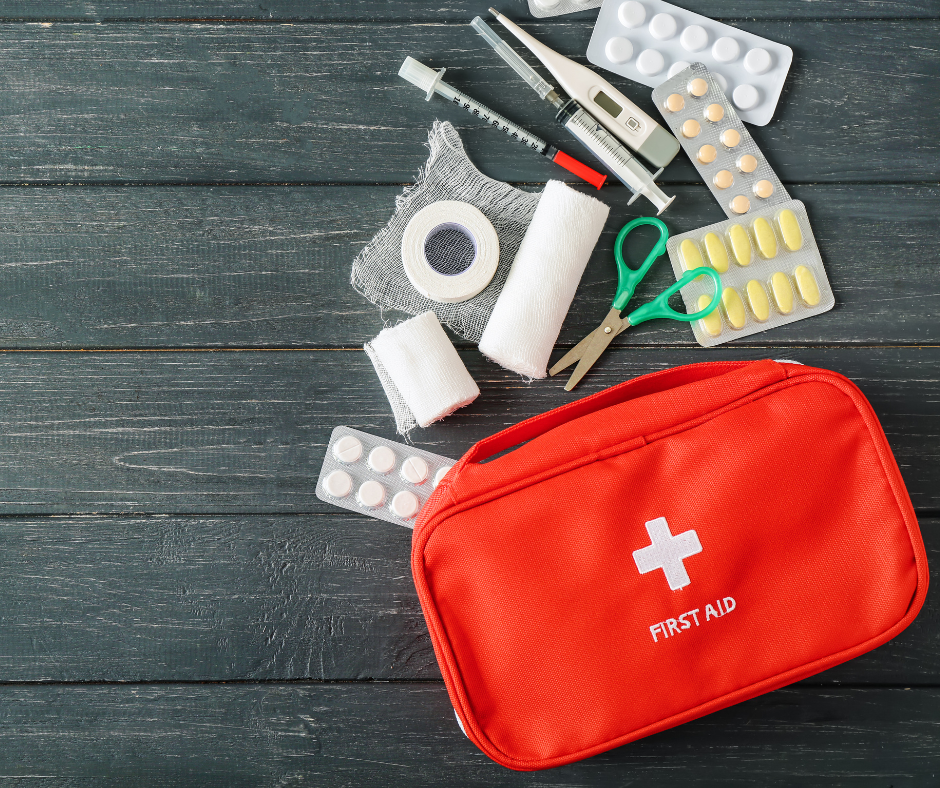
Your first aid kit is more than just a box of bandages. It typically includes antiseptic wipes, adhesive bandages, sterile gauze, tweezers, and gloves. Knowing what each item is for helps you act quickly and correctly when needed.
Have you checked your kit recently? Expired items or missing supplies can cost precious time. Keep it organized and accessible, whether at home, in your car, or at work.
Assessing The Situation
Before rushing to help, take a moment to evaluate the scene. Is it safe for you to approach? Identifying hazards protects both you and the injured person. For example, you wouldn’t want to enter a room filled with smoke without proper protection.
Once safe, quickly assess the person’s condition: Are they conscious? Are they breathing? This initial check guides your next steps. Asking yourself these questions sharpens your focus and helps avoid unnecessary mistakes.
Credit: bigblueswimschool.com
Core Water Survival Skills
Core water survival skills help people stay safe in water emergencies. These skills teach how to conserve energy and keep the airway clear. They build confidence to handle unexpected situations in water. Practicing these skills reduces the risk of drowning and injury. Everyone near water should know these basic abilities.
Floating And Treading Water
Floating allows you to rest and breathe easily on water. It uses minimal energy and keeps your face above water. Treading water helps you stay upright and in place. It combines arm and leg movements to keep your body afloat. Both skills help you survive longer while waiting for help.
Safe Water Entry And Exit
Entering water safely prevents injury and shock. Always check the water depth and temperature before entering. Use controlled movements to avoid slipping or falling. Exiting water safely means finding a stable point to climb out. Knowing how to get in and out quickly improves survival chances.
Breath Control And Panic Management
Controlling your breath keeps you calm and focused in water. Slow, deep breaths reduce panic and prevent choking. Panic causes poor decisions and rapid energy loss. Learning to stay calm helps maintain clear thinking. This skill is vital for managing emergencies and staying alive.
Emergency Response Steps
First aid provides quick care during injuries or sudden illness to prevent harm. Water survival teaches skills to stay safe and afloat in water emergencies. Both are vital for saving lives in urgent situations.
Emergency situations involving water can be life-threatening. Knowing the right steps can save lives. Quick thinking and action are crucial. Here are essential emergency response steps.Calling For Help
Always call for professional help first. Dial emergency services immediately. Share your location clearly. Give a brief description of the situation. Stay on the line if instructed. This ensures help is on the way.Performing Cpr
Check if the person is breathing. If not, start CPR right away. Place your hands on the center of their chest. Push hard and fast. Aim for 100 to 120 compressions per minute. Keep going until help arrives or they start breathing.Handling Choking And Drowning
If choking, encourage coughing. If they can’t breathe, perform the Heimlich maneuver. Stand behind, wrap your arms around, and thrust upwards. For drowning, get them out of water safely. Check for breathing and start CPR if needed. Stay calm and focused.Preventing Water Accidents
Preventing water accidents is essential to keeping yourself and others safe around any body of water. Understanding the risks and taking active steps can reduce the chance of emergencies. Think about the last time you were near water—did you notice potential dangers, or did you assume everything was safe?
Recognizing Water Hazards
Not all water hazards are obvious. Strong currents, sudden drop-offs, and slippery surfaces can catch you off guard. Before entering any water, take a moment to scan your surroundings carefully.
Look for warning signs, murky water, or debris that could cause injury. Have you ever underestimated a river’s current or a pool’s depth? Awareness is your first line of defense against accidents.
Using Safety Equipment
Safety equipment is more than just an option—it’s a necessity. Life jackets, floatation devices, and rescue ropes can save lives in critical moments. Are you prepared with the right gear before you dive in or get near water?
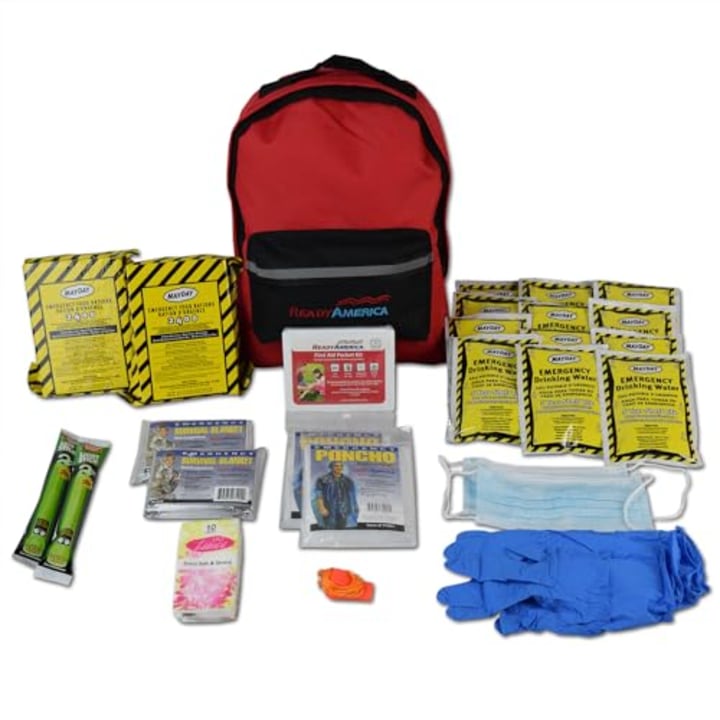
Make sure your equipment fits well and is in good condition. It’s easy to overlook these details until an emergency happens. Carrying a whistle or waterproof phone can also help you signal for help quickly.
Supervision And Safety Practices
Water safety improves dramatically with proper supervision. Children and inexperienced swimmers need constant, close watch. Even strong swimmers benefit from a buddy system to watch out for each other.
Establish clear rules such as no running near pools or no swimming alone. Regularly reviewing safety practices keeps everyone alert. When was the last time you reviewed your family’s or group’s water safety plan?
Training And Certification
Training and certification in first aid and water survival build essential skills. These skills prepare individuals to respond confidently in emergencies. Proper training ensures correct techniques and safety knowledge. Certification proves your ability to handle urgent situations effectively.
Available First Aid Courses
Many organizations offer first aid courses. Basic courses teach CPR, wound care, and choking relief. Advanced courses cover more complex injuries and medical emergencies. Some courses focus on workplace safety or child care. Hands-on practice helps learners remember steps clearly. Certification usually requires passing a test or skills check.
Water Survival Training Programs
Water survival training teaches how to stay safe in water emergencies. Programs include swimming skills, floating techniques, and rescue methods. Training covers how to use flotation devices correctly. Some courses focus on boat safety or open water survival. Practical drills build confidence in real water conditions. Certification shows readiness to handle water risks.
Maintaining And Updating Skills
Skills fade without regular practice. Refresher courses keep knowledge current and sharp. Many certifications require renewal every few years. Practice sessions improve reaction time and confidence. Staying updated helps handle new safety guidelines. Ongoing training prepares you for any emergency.
Credit: www.nbcnews.com
Frequently Asked Questions
What Is The Basic Definition Of First Aid?
First aid is the immediate care given to a person who is injured or ill. It helps preserve life, prevent further harm, and promote recovery until professional help arrives.
Why Is Water Survival Important In Emergencies?
Water survival skills prevent drowning and improve safety in water-related accidents. Knowing how to stay afloat and signal for help saves lives.
How Can First Aid And Water Survival Skills Be Combined?
Combining both skills ensures you can treat injuries and stay safe in water emergencies. This combination enhances overall rescue effectiveness.
What Are The Essential First Aid Steps In Water Accidents?
Check responsiveness, call for help, remove the person from water safely, and perform CPR if needed. Treat wounds and prevent hypothermia.
Conclusion
First aid and water survival skills save lives in emergencies. Knowing basic first aid helps you act fast and calm. Water survival teaches how to stay safe in water dangers. Both skills give confidence and protect you and others. Practice these skills regularly to stay ready for any situation.
Being prepared can make a big difference in tough moments. Everyone can learn and benefit from first aid and water survival. Start today to keep yourself and loved ones safer.


