
Imagine being in an emergency where every second counts, and you don’t have the right tools to help yourself or others. What if your first aid kit isn’t prepared for the challenges you might face?
Your survival first aid kit can make the difference between staying safe and facing serious harm. But what exactly should you include to be truly ready? You’ll discover the essential items your survival first aid kit needs. By the end, you’ll know how to build a kit that protects you and your loved ones when it matters most.
Keep reading—your safety depends on it.
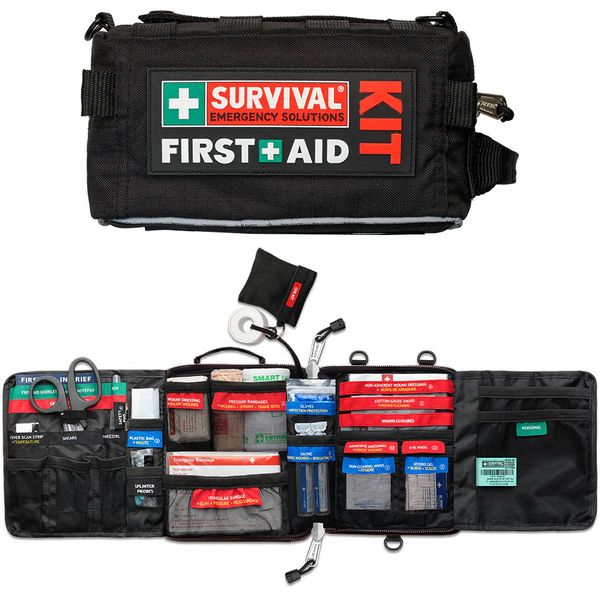
Credit: survivalfirstaidkits.com
Basic First Aid Supplies
Having basic first aid supplies in your survival kit is essential. These items help you manage common injuries quickly, preventing complications. You don’t need to carry everything, but the right basics can make a big difference in an emergency.
Bandages And Dressings
Bandages stop bleeding and protect wounds from dirt and infection. Keep a variety of sizes, from small adhesive strips to larger sterile dressings. They’re useful not just for cuts but also for securing splints or covering burns.
Think about the last time you had a minor scrape—did you have a bandage handy? Having them ready in your survival kit means you won’t have to improvise when seconds count.
Antiseptics And Ointments
Cleaning wounds is critical to avoid infection. Antiseptic wipes, solutions, or sprays are essential to kill germs right after an injury. Ointments like antibiotic creams help speed healing and reduce the risk of complications.
Don’t forget that some antiseptics can irritate sensitive skin or open wounds, so choose gentle options suitable for all ages. Would you rather stop an infection early or deal with a painful infection later?
Medical Tape And Gauze
Medical tape holds dressings and bandages in place securely. Look for a tape that sticks well but won’t hurt when removed. Gauze pads absorb blood and other fluids, keeping wounds clean and dry.
Gauze also doubles as padding to protect injured areas from further damage. Can you imagine trying to keep a dressing on without tape during a survival situation? It’s nearly impossible.

Credit: unchartedsupplyco.com
Tools And Instruments
Your survival first aid kit is only as good as the tools and instruments inside it. Having the right items can make a huge difference in treating injuries quickly and effectively. These tools help you handle a variety of emergencies, from minor cuts to more serious conditions.
Tweezers And Scissors
Tweezers are essential for removing splinters, glass shards, or ticks safely. You want a pair with a fine tip that can grip small objects firmly without slipping. Scissors are equally important—they allow you to cut gauze, tape, or clothing when needed.
Look for scissors with blunt tips to prevent accidental injury. I once had to cut a sleeve off a friend’s arm quickly during a hiking trip, and having sharp, reliable scissors made the process smooth and painless. Can you imagine trying to tear fabric by hand under pressure?
Thermometer
A thermometer can help you check for fever, which is a key sign of infection or illness. Digital thermometers are quick, easy to read, and more accurate than old-fashioned mercury types. Keeping one in your kit allows you to monitor a sick person’s condition closely.
Have you ever ignored a slight fever only to realize later it indicated something serious? This simple tool can prevent that by giving you early warning. Make sure to pack extra batteries or choose a model that doesn’t require them.
Safety Pins And Gloves
Safety pins might seem small, but they have many uses in a first aid scenario. You can use them to fasten bandages, hold splints in place, or temporarily close wounds if no tape is available. Keep various sizes handy to cover different needs.
Gloves protect both you and the injured person from infection. Nitrile or latex gloves are best because they provide a barrier against blood and bodily fluids. Have you ever had to help someone without gloves? It’s uncomfortable and risky, so never skip this item.
Medications To Include
Essential medications include pain relievers, antiseptics, and allergy tablets. These help treat common injuries and reactions quickly. Keeping these medicines ready can ease discomfort and prevent infection during emergencies.
In a survival situation, having a well-stocked first aid kit is crucial. Yet, one often overlooked element is the medications to include. These can make a significant difference in your ability to manage unexpected health issues. Let’s explore which medications are essential for your survival first aid kit.Pain Relievers
Pain can strike at any moment, turning a manageable situation into a dire one. Including pain relievers such as ibuprofen, acetaminophen, or aspirin in your kit can be a lifesaver. Each type addresses different pain points and inflammation, so having a variety ensures you’re prepared for multiple scenarios. Imagine you’re hiking and sprain your ankle. A pain reliever can help you manage the pain until you reach help or a safer environment. Always check for allergies or contraindications, as some pain relievers might not be suitable for everyone.Antihistamines
Nature is full of surprises, including allergens that can trigger reactions. Antihistamines can help you combat allergic reactions to insect bites, plants, or even food. These small pills can prevent a mild reaction from becoming a severe issue. Think about a time when an unexpected allergy caught you off guard. Having antihistamines on hand can alleviate symptoms like itching, swelling, or rashes, allowing you to focus on survival rather than discomfort.Anti-diarrheal And Anti-nausea
Digestive issues can quickly dehydrate you, especially in a survival situation where water might be scarce. Anti-diarrheal and anti-nausea medications help manage these symptoms, keeping you hydrated and focused. Consider a scenario where you consume water or food that doesn’t agree with your stomach. Having these medications ready can prevent a minor inconvenience from turning into a major health risk. Always ensure your chosen medications are suitable for your age and health conditions. By equipping your survival first aid kit with these essential medications, you’re not just preparing for emergencies; you’re ensuring your well-being when it matters most. What other medications do you think are vital for survival?Emergency Gear
Emergency gear is essential in any survival first aid kit. It helps protect both the injured person and the responder. These items can save lives and reduce the risk of infection. Choosing the right gear ensures you are ready for unexpected situations. Below are some key pieces of emergency gear to include.
Cpr Face Shield
A CPR face shield protects you during mouth-to-mouth resuscitation. It creates a barrier between you and the patient. This reduces the chance of spreading germs and infections. Most shields have a one-way valve for safe airflow. They are compact and easy to carry in your kit.
Emergency Blanket
An emergency blanket keeps a person warm and prevents shock. It is made from a thin, heat-reflective material. The blanket traps body heat and blocks cold wind. Lightweight and compact, it fits easily in any first aid kit. Use it to cover an injured or unconscious person.
Instant Cold Packs
Instant cold packs reduce swelling and pain from injuries. They activate by squeezing or shaking to start a cooling reaction. No refrigeration is needed, making them perfect for emergencies. Cold packs help treat sprains, bruises, and insect bites. Always keep a few in your survival first aid kit.
Personal Items
Personal items are vital in a survival first aid kit. They ensure proper care tailored to individual needs. These items help manage health conditions and provide important details to rescuers. Keeping personal essentials organized saves time in emergencies. Each item plays a role in making first aid effective and efficient.
Prescription Medications
Include all necessary prescription medications. Pack enough supply to last several days. Store medications in labeled containers. Protect them from moisture and heat. Check expiration dates regularly. Missing medications can cause serious health problems. Keep a list of dosages and schedules with the medications.
Medical Information Cards
Prepare medical information cards for quick reference. Include allergies, chronic conditions, and past surgeries. Note blood type and current medications. Use simple language and clear print. Carry cards in a waterproof holder. Share copies with family or close friends. This info helps medical personnel act fast and correctly.
Contact Information
Add emergency contact information to your kit. List close family members and friends. Include doctors and local emergency services. Write down phone numbers and addresses. Update contact details regularly. Having contacts ready helps save precious time. It allows quick communication during a crisis.
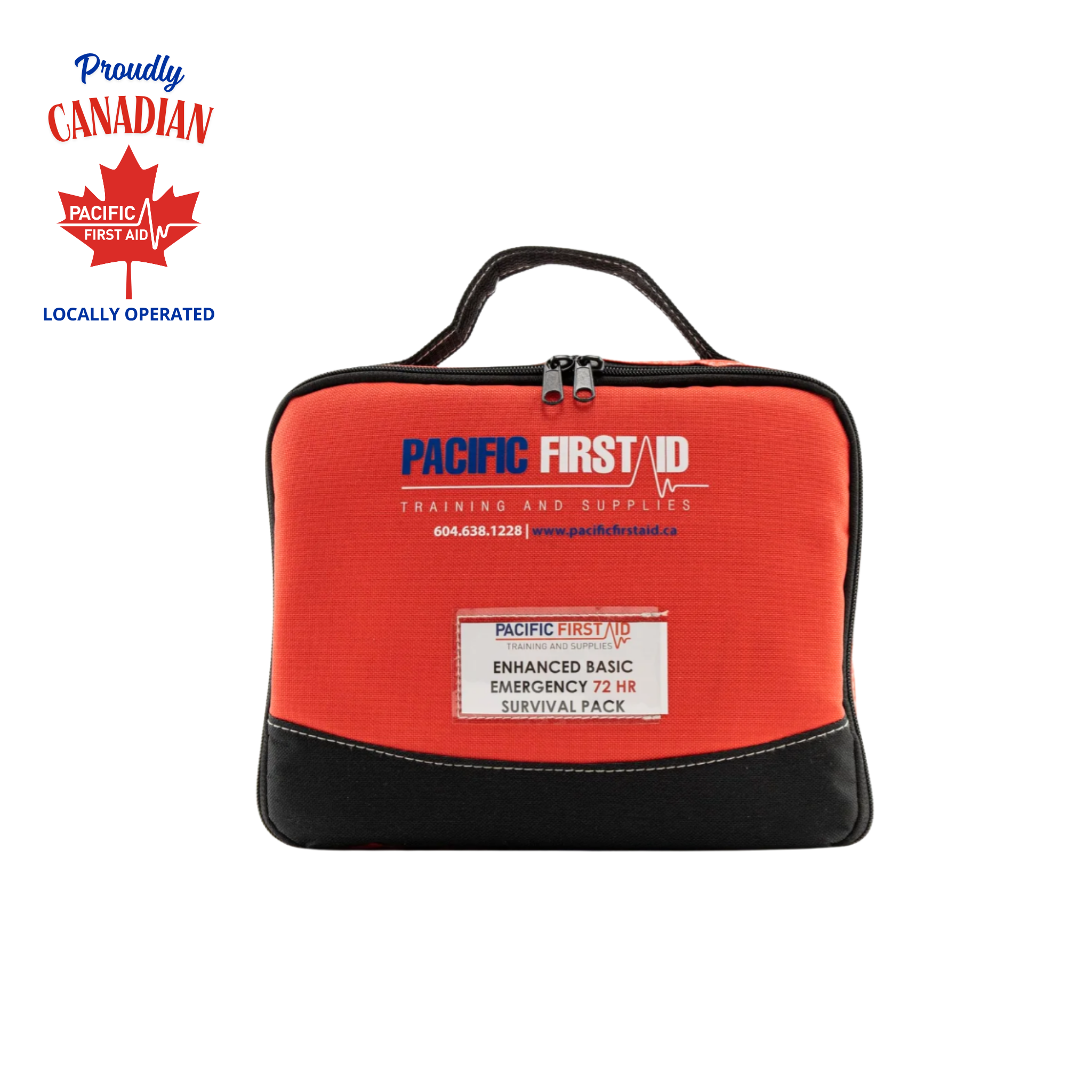
Credit: pacificfirstaid.ca
Storage And Maintenance
Proper storage and ongoing maintenance are vital to keep your survival first aid kit ready when you need it most. Without careful attention, even the best supplies can become useless or hard to find during an emergency. Let’s look at how to store your kit effectively and maintain it regularly to ensure it performs well in any situation.
Choosing The Right Container
Your first aid kit needs a container that protects its contents from moisture, dust, and damage. A durable, waterproof box or bag with a secure closure works best. Think about where you’ll carry it—should it be compact enough to fit in a backpack or large enough to store at home?
Clear containers help you quickly see what’s inside, saving precious time during an emergency. You might also want to label the container clearly. This reduces the chance of confusion when others need to find it fast.
Regular Checks And Replenishment
How often do you check your first aid kit? Items like bandages, antiseptic wipes, and medications can expire or get used up. Set a schedule to inspect your kit every three to six months. Replace anything that’s past its expiration date or looks worn out.
Keep a checklist inside the kit to track what you have and what you need. This simple step prevents forgotten supplies and ensures you’re always prepared. Remember, an outdated kit is almost as bad as no kit at all.
Keeping The Kit Accessible
Your first aid kit must be easy to reach in an emergency. Store it in a consistent, visible spot known to everyone in your household or team. Avoid places that are locked away or buried under clutter.
If you take your kit on the go, make sure it’s always packed and ready. Think about the last time you needed something quickly—did you know exactly where your kit was? Accessibility can make a big difference when seconds count.
Frequently Asked Questions
What Essential Items Belong In A Survival First Aid Kit?
A survival first aid kit must include bandages, antiseptic wipes, adhesive tape, scissors, tweezers, pain relievers, and gloves. These items treat cuts, infections, and minor injuries during emergencies effectively and safely.
How Can I Customize My Survival First Aid Kit?
Customize your kit based on personal needs and environment. Add allergy medications, prescription drugs, insect repellent, and survival tools like a whistle or thermal blanket for better preparedness.
Why Is Antiseptic Important In A Survival First Aid Kit?
Antiseptics prevent infection by killing germs on wounds. Including antiseptic wipes or solutions ensures wounds stay clean, reducing the risk of complications in survival situations.
How Often Should I Check And Restock My First Aid Kit?
Check your kit every six months. Replace expired medications, used items, and damaged supplies to keep your kit ready for any emergency at all times.
Conclusion
A good survival first aid kit saves lives in emergencies. It needs basic items like bandages, antiseptics, and pain relief. Include tools such as scissors and tweezers for quick care. Keep supplies organized and easy to find. Check your kit often and replace used or expired items.
Being ready helps you stay calm and act fast. A simple kit can make a big difference. Stay prepared, stay safe.


