
When disaster strikes or you find yourself in the wild, having the right shelter can be the difference between safety and danger. You might wonder, what is the best shelter in survival situations?
Choosing the right shelter isn’t just about protection from the elements—it’s about comfort, security, and increasing your chances of staying alive. You’ll discover the top options for survival shelters, what makes each one effective, and how to decide which is best for your unique situation.
Keep reading, because your safety could depend on the shelter you choose.
Types Of Survival Shelters
Choosing the right shelter can make a huge difference in your survival situation. Different types of shelters offer unique benefits and challenges depending on your environment and resources. Understanding these types helps you decide quickly and wisely when you need protection from the elements.
Natural Shelters
Natural shelters use the environment around you to provide cover and protection. Caves, rock overhangs, and dense tree canopies are examples that can shield you from rain, wind, and sun.
One time, I found refuge under a large fallen tree during a sudden storm. It wasn’t perfect, but it kept me dry and safe while I planned my next move. Have you ever noticed how nature itself can sometimes become your best ally?
Man-made Shelters
Man-made shelters are structures built specifically to protect you, such as cabins, tents, or lean-tos. These provide more reliable and sturdy protection but require materials and time to build or find.
In survival training, I learned how to construct a basic lean-to using branches and leaves. It was simple yet effective, proving that even minimal effort can build a strong shelter. What materials can you gather around you right now to start building?
Improvised Shelters
Improvised shelters are quick solutions created from what you have on hand. Using tarps, ponchos, backpacks, or even digging a shallow trench can offer immediate protection.
During a hike, I once used my jacket and some branches to block the wind while waiting out a cold night. It wasn’t comfortable, but it kept me alive and warm. How would you use your gear or surroundings to create a fast shelter if you had to?
Key Shelter Features
Choosing the best shelter in a survival situation means understanding the essential features that keep you safe, comfortable, and ready for anything. Your shelter needs to do more than just provide a roof over your head—it must protect you from harsh weather, keep you warm, allow fresh air to circulate, and stand strong against nature’s forces. Knowing what to look for can make a huge difference when you’re out there relying on your shelter to keep you alive.
Protection From Elements
Your shelter should shield you from rain, wind, snow, and sun without fail. Imagine being caught in a downpour with a shelter that leaks—your chances of staying healthy drop fast. Look for materials and designs that repel water and block wind effectively, like waterproof tarps or tightly woven fabrics.
Think about your last camping trip—did your tent keep out the cold wind or did you shiver all night? That experience shows how crucial solid protection really is. Ask yourself: can my shelter handle a sudden storm or a blazing sun without failing?
Insulation And Warmth
Keeping warm is vital, especially when temperatures drop at night. A good shelter traps heat from your body and blocks cold drafts. Using natural insulation like leaves or pine needles inside your shelter can add an extra layer of warmth.
Have you ever felt that chill that seeps through thin walls? Insulation stops that. Your shelter should help maintain your body temperature without relying solely on fire or heavy clothing.
Ventilation And Airflow
While warmth is important, fresh air is just as critical to prevent moisture buildup and keep breathing easy. A shelter with poor ventilation can become damp and uncomfortable, increasing the risk of illness. Small vents or adjustable openings can help you control airflow without losing heat.
Ask yourself: does your shelter allow stale air to escape? Good ventilation balances warmth with comfort, keeping you alert and healthy when you need it most.
Durability And Stability
Your shelter must stand firm against wind, rain, and rough terrain. Using strong materials and secure anchoring methods ensures your shelter won’t collapse when conditions worsen. Stability means you can rest without worrying about your shelter giving way.
Think back to a time when a gust of wind almost blew your tent away—could your shelter have held up better? Prioritize sturdy construction so you can focus on survival, not constant repairs.
Choosing Shelter Location
Choosing the right location for your shelter is crucial in survival situations. It can protect you from the elements and ensure safety. A good location can make a big difference in your comfort and survival chances. Let’s explore the factors to consider.
Terrain Considerations
Look for flat ground to build your shelter. Uneven terrain can cause discomfort while sleeping. Avoid low areas that can flood easily. Hills and ridges offer protection from wind.
Water Source Proximity
Stay close to a clean water source. It reduces travel time for fetching water. Ensure it’s not too close to avoid flooding during rains. About 200 feet away is ideal.
Safety From Wildlife
Choose a location away from animal trails. This reduces encounters with wildlife. Avoid areas with signs of large predators. Look for natural barriers like cliffs or dense bushes.
Avoiding Hazards
Steer clear of areas with potential dangers. Avoid spots near dead trees that might fall. Stay away from rocky areas prone to landslides. Check for insect nests and other risks.
Building Techniques
Building a reliable shelter is essential for survival. Strong building techniques ensure safety and comfort. These techniques focus on using available resources wisely. They also help create durable and weather-resistant structures. Understanding different building methods improves your chances in the wild.
Using Natural Materials
Natural materials are easy to find and blend with the environment. Wood, leaves, and grass make excellent building supplies. Branches and sticks form the main structure. Leaves and moss act as insulation. Stones can help stabilize the shelter and protect from wind. Using what nature provides reduces the need for tools.
Constructing Frame Structures
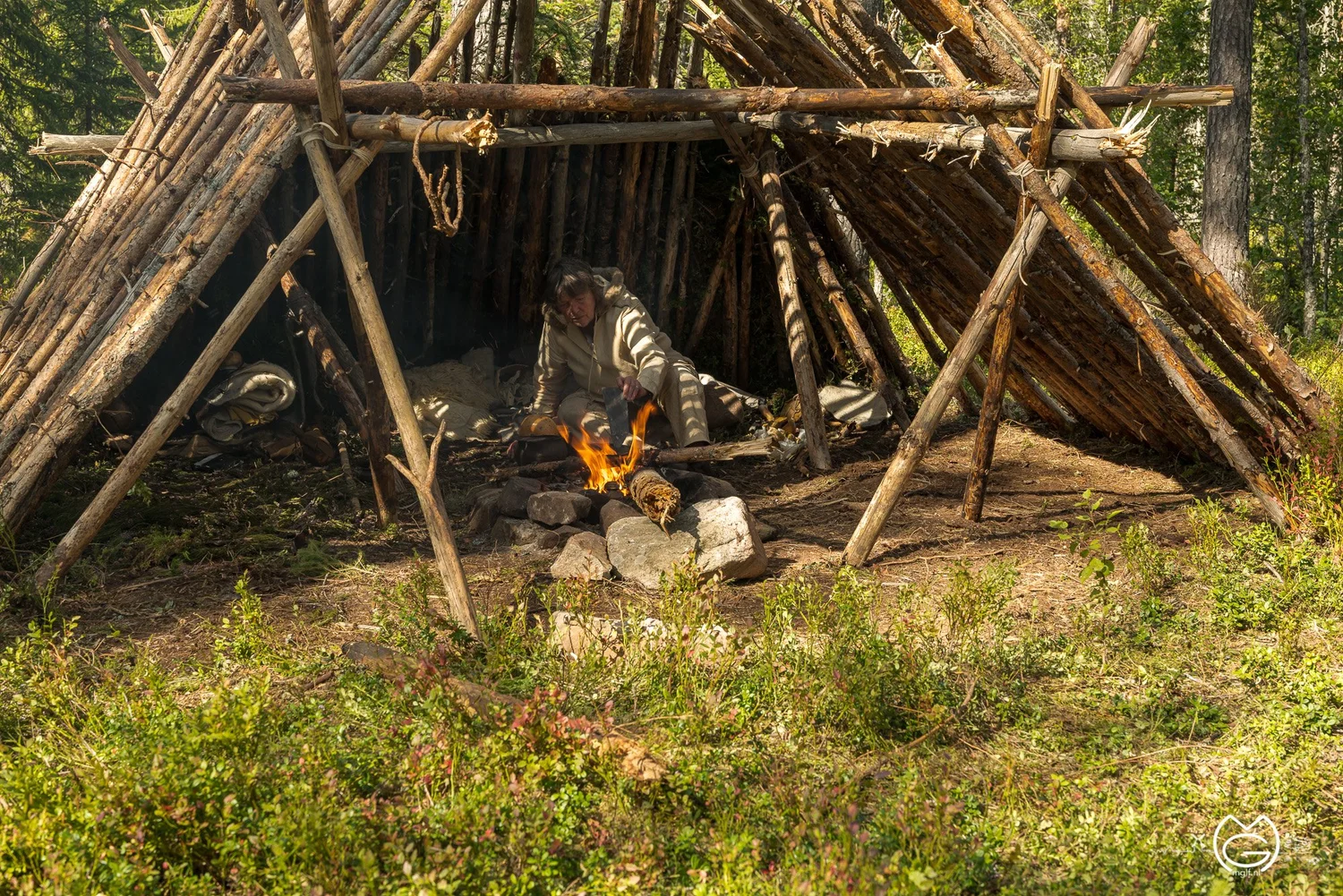
Frame structures give a solid base for your shelter. Start by selecting strong, straight branches for the frame. Tie or lash them together securely at joints. Create shapes like A-frames or lean-tos for stability. The frame supports the outer covering and keeps the shelter upright. Proper framing resists collapse during bad weather.
Sealing And Waterproofing
Sealing your shelter keeps rain and wind out. Use mud, clay, or packed leaves to fill gaps. Overlap materials to prevent water leaks. Cover the roof with large leaves or bark for waterproofing. Check for holes and patch them quickly. A well-sealed shelter stays dry and warm, which is vital for survival.
Shelter Types For Different Environments
Choosing the right shelter depends heavily on the environment you find yourself in. Each setting presents unique challenges that affect your safety, warmth, and comfort. Understanding the best types of shelters for different environments helps you prepare smarter and survive longer.
Forest Shelters
In a forest, you have plenty of natural materials like branches, leaves, and moss to build a shelter. A lean-to against a fallen log or a debris hut can protect you from rain and wind effectively. Always make sure to raise your shelter off damp ground and consider using a tarp or poncho for extra waterproofing.
Have you ever noticed how animals in the forest create nests? Mimicking their methods can give you a quick, insulated shelter. Using thick layers of leaves and pine needles not only keeps you warm but also camouflages your shelter from unwanted attention.
Desert Shelters
Deserts challenge you with extreme heat during the day and cold at night. Shade is your top priority. Constructing a low-profile shelter with a tarp or fabric stretched between rocks or poles can shield you from the sun.
Digging a shallow trench or using natural features like rock overhangs can provide cooler spots. Reflective materials help deflect heat, and keeping the shelter open allows for airflow to prevent overheating. How will you manage heat and cold swings in a desert setting?
Arctic Shelters
In freezing conditions, insulation and wind protection are vital. Snow can be a surprisingly good building material—igloos and snow caves trap body heat inside. Compact snow blocks well and creates strong walls that shield you from brutal winds.
Adding a small ventilation hole prevents carbon dioxide buildup. If snow isn’t available, use layers of branches and leaves to insulate a lean-to. Have you practiced building a snow shelter before the cold hits?
Urban Survival Shelters
Surviving in an urban environment requires creativity. Abandoned buildings, basements, or even inside vehicles can serve as shelter. Safety and concealment are your main concerns here.
Look for places with access to water and protection from the elements. Using everyday items like tarps, blankets, and boxes can improve your comfort. Can you identify hidden shelter options around you in an emergency?

Credit: www.youtube.com
Essential Survival Gear For Shelter
Choosing the right survival gear for shelter can make all the difference when you’re out in the wild. The right items not only protect you from the elements but also help you conserve energy and stay safe. Think about what you would need if you had to build a shelter quickly—light, strong, and versatile gear is key.
Tarp And Tarpaulins
A tarp is one of the most flexible items in your survival kit. It can serve as a roof, ground cover, or even a makeshift hammock. Look for tarps made from durable, waterproof materials that are easy to pack and set up.
You might wonder why a simple piece of fabric is so important. Imagine a sudden downpour with nothing between you and the rain—your tarp can be a lifesaver, keeping you dry and warm.
Rope And Cordage
Strong rope or cordage is essential for tying your shelter together. Paracord is a popular choice because it’s lightweight and incredibly strong. It also has multiple uses beyond just shelter construction, like making traps or securing gear.
Consider how often you’ll need to adjust or reinforce your shelter. Having reliable cordage means you can quickly tighten or reposition your shelter without hassle.
Tools And Knives
A sharp knife or multi-tool is vital when building shelter. You’ll need it to cut branches, trim rope, or even prepare kindling for a fire. A sturdy blade can speed up shelter construction and increase your safety.
Have you ever tried to carve wood with a dull blade? It’s frustrating and wastes energy. A good tool makes the job easier and helps you focus on survival instead of struggling.
Emergency Blankets
Emergency blankets are compact but pack a big punch. They reflect your body heat and can be used inside your shelter to stay warm. They also serve as an extra layer of protection against wind and rain.
Think about how quickly temperature can drop at night. Having an emergency blanket can be the difference between hypothermia and comfort. Always keep one handy in your shelter gear.
Maintaining Shelter Safety
Maintaining shelter safety is vital in any survival situation. A secure shelter protects from dangers and keeps you healthy. Regular care and attention reduce risks and improve comfort. Focus on fire safety, pest control, and regular inspections to keep your shelter safe and reliable.
Fire Safety Tips
Fire provides warmth and light but can be dangerous. Keep a clear space around any fire source. Use a fire ring or pit to contain flames. Always have water or sand nearby to put out fire quickly. Avoid using flammable materials near heat sources. Never leave fire unattended. Store fuel safely, away from flames and heat. Ventilate well to prevent smoke buildup inside the shelter.
Pest And Insect Control
Pests and insects can harm health and damage shelter. Seal cracks and holes to keep bugs out. Use natural repellents like citronella or neem oil. Keep food sealed in airtight containers to avoid attracting pests. Remove trash and waste regularly to reduce insect breeding spots. Check sleeping areas daily for signs of insects. Use mosquito nets or screens to block flying insects.
Regular Inspections
Inspect the shelter often to spot problems early. Check walls, roof, and floor for damage or leaks. Look for signs of mold or water damage. Test doors and windows to ensure they close securely. Check fire safety equipment like extinguishers or alarms. Repair any damage as soon as possible. Regular upkeep extends shelter life and keeps you safe.
Credit: www.mercattoria.com.br
Shelter Tips For Extended Survival
Building a shelter for long-term survival needs smart planning. Comfort, safety, and adaptability matter most. The right shelter helps you stay healthy and safe for days or weeks. Focus on making your shelter livable, hidden, and flexible to changing weather.
Comfort And Livability
Comfort makes survival easier. Choose a dry, warm spot away from wind. Use natural materials like leaves and branches for insulation. Keep the floor clean and dry to avoid sickness. Space to move inside helps reduce stress. Add a simple bed or raised platform to stay off cold ground. Ventilation is key to prevent moisture and breathing issues.
Camouflage And Concealment
Hide your shelter from animals and people. Use colors and materials that match the environment. Cover the roof and walls with leaves or grass. Avoid shiny or bright objects that draw attention. Keep the shelter small and low-profile. Noise control is important; avoid loud sounds near the shelter area. Blending well increases your safety and privacy.
Adapting To Changing Conditions
Weather can change fast. Make your shelter easy to adjust. Use removable covers for rain or sun protection. Add extra insulation for cold nights. Leave room for air flow during hot days. Check the shelter daily for damage or leaks. Keep materials nearby to fix or improve the shelter quickly. Being flexible helps you survive longer and stay comfortable.

Credit: www.youtube.com
Frequently Asked Questions
What Is The Best Type Of Shelter For Survival?
The best survival shelter is one that offers protection from weather and predators. It should be easy to build and provide insulation. Natural shelters like caves or man-made options like tents work well depending on your environment and resources.
How Do I Choose The Right Survival Shelter Location?
Choose a shelter location away from hazards like floods and predators. Look for natural windbreaks, dry ground, and access to water. The site should be safe, hidden, and easy to defend for long-term survival.
What Materials Are Ideal For Building Survival Shelters?
Ideal materials include wood, leaves, branches, and tarps. Use what is abundant locally for insulation and stability. Avoid materials that retain moisture or attract insects to keep the shelter dry and safe.
How Long Can A Survival Shelter Protect You?
A well-built survival shelter can protect you for days to weeks. Its durability depends on materials, weather conditions, and maintenance. Regular checks and repairs extend the shelter’s effectiveness.
Conclusion
Choosing the right shelter can save your life in survival situations. It protects you from weather, insects, and animals. The best shelter depends on your environment and resources. Always prioritize safety, warmth, and ease of building. Practice building shelters before an emergency happens.
Remember, a strong shelter helps keep you calm and focused. Stay prepared, stay safe, and respect nature’s challenges. Your shelter is your first step to surviving and thriving outdoors.