Have you ever wondered what it really takes to survive alone in the wild? If you’ve watched Alone Season 1, you know it’s not just about bravery—it’s about having the right gear.
Your survival gear can make the difference between thriving and struggling. You’ll discover exactly what tools and equipment the contestants relied on to face nature’s toughest challenges. Keep reading, because knowing this could change the way you prepare for your own outdoor adventures.

Credit: www.selfrelianceoutfitters.com
Essential Survival Tools
Surviving in the wild requires the right tools. Essential survival tools help contestants stay safe, find food, and build shelter. Alone Season 1 shows how these tools make a difference. They help with cutting, fire, and shelter building. Each tool has a special job to do. Without them, survival becomes much harder.
Knife And Cutting Tools
A good knife is a top survival tool. Contestants use it for many tasks. Cutting branches, preparing food, or making traps. The knife must be strong and sharp. It helps in crafting shelter and tools. A reliable cutting tool saves time and effort.
Fire Starting Equipment
Fire is crucial for warmth and cooking. Fire starting gear includes matches, flint, or a lighter. Alone Season 1 players depend on these to start fire fast. Fire keeps animals away and cooks food safely. Without fire, survival becomes cold and risky.
Shelter Materials
Shelter protects from weather and cold. Basic materials include tarp, rope, and stakes. Contestants use these to build a safe space. Shelter keeps them dry and warm. It also offers a place to rest and recover.
Food Gathering Gear
Surviving alone in the wild depends heavily on good food gathering gear. The right tools help contestants catch fish, trap animals, and collect wild plants. These tools are essential for daily survival and maintaining energy.
Fishing Equipment
Fishing gear is crucial for catching fish in rivers or lakes. Simple rods, hooks, and lines allow contestants to catch enough fish to eat. Spears and hand lines also serve as fishing tools. Proper fishing equipment increases the chance of a good meal.
Trapping Tools
Traps catch small animals without much effort after setting. Contestants use snares made from wire or cord to catch rabbits and squirrels. Deadfall traps with heavy rocks or logs help catch bigger game. Trapping tools are vital for steady food supply.
Foraging Supplies
Foraging is collecting edible plants, berries, and roots. A knife helps to cut plants safely and dig roots. Containers or bags carry the gathered food back to camp. Foraging supplies allow access to natural food in the wild.
Water Procurement Items
Water is essential for survival on Alone Season 1. Contestants need reliable tools to find and store water. The survival gear includes important items to help with water procurement. These tools ensure they stay hydrated in the wild.
Water Containers
Water containers are vital for storing clean water. Contestants use metal cups and small pots. These containers are lightweight and easy to carry. They allow safe transport of water from streams or lakes. Some containers can also be used to boil water. This helps to kill germs before drinking.
Filtration And Purification Methods
Filtering and purifying water is crucial to avoid sickness. Contestants use cloth or bandanas to filter debris. Boiling water is a common purification method. It kills bacteria and viruses effectively. Some also use natural methods, like charcoal or sand layers, to filter water. These methods improve water safety in the wild.
Credit: survivalskills.guide
Clothing And Protection
Clothing and protection form the backbone of survival gear in Alone Season 1. The right apparel helps contestants stay warm, dry, and safe. It shields them from harsh weather and biting insects. Proper clothing boosts comfort and increases chances of lasting longer in the wild.
Weather-appropriate Apparel
Contestants wear layers to handle changing temperatures. Wool and synthetic fabrics keep them warm and dry. Cotton is avoided because it holds moisture and chills the body. Outer layers resist wind and rain. Durable boots protect feet from rough terrain and cold. Hats and gloves guard extremities from frostbite. The gear balances warmth with breathability to prevent overheating during activity.
Insect And Animal Protection
Clothing also acts as a barrier against insects and animals. Long sleeves and pants reduce skin exposure to bugs. Some contestants treated their clothes with insect repellent. This helped avoid bites and diseases. Thick boots kept snakes and other small animals away. A good shelter and fire further enhanced protection from wildlife. Staying covered lowered the risk of infections and discomfort.
Navigation And Communication
Navigation and communication are crucial for survival in the wild. They help contestants find their way and call for help if needed. On Alone Season 1, participants rely on basic but effective tools. These tools guide them through unknown terrain and keep them safe.
Maps And Compasses
Maps and compasses are essential for finding direction. A compass shows north, helping players stay on track. Maps provide an overview of the area, showing landmarks and water sources. Together, they help avoid getting lost. Contestants use these tools to plan routes and explore safely.
Signaling Devices
Signaling devices are important for communication. They help contestants send distress signals if in danger. Common devices include mirrors, whistles, and flares. These tools can attract attention from rescue teams or other players. Signaling devices increase chances of being found quickly.
Health And First Aid
Health and first aid are crucial for survival on Alone Season 1. Contestants face harsh conditions and risks daily. Having the right gear helps treat injuries and avoid infections. Staying healthy means lasting longer in the wild. The gear focuses on basic medical needs and injury prevention.
Basic Medical Supplies
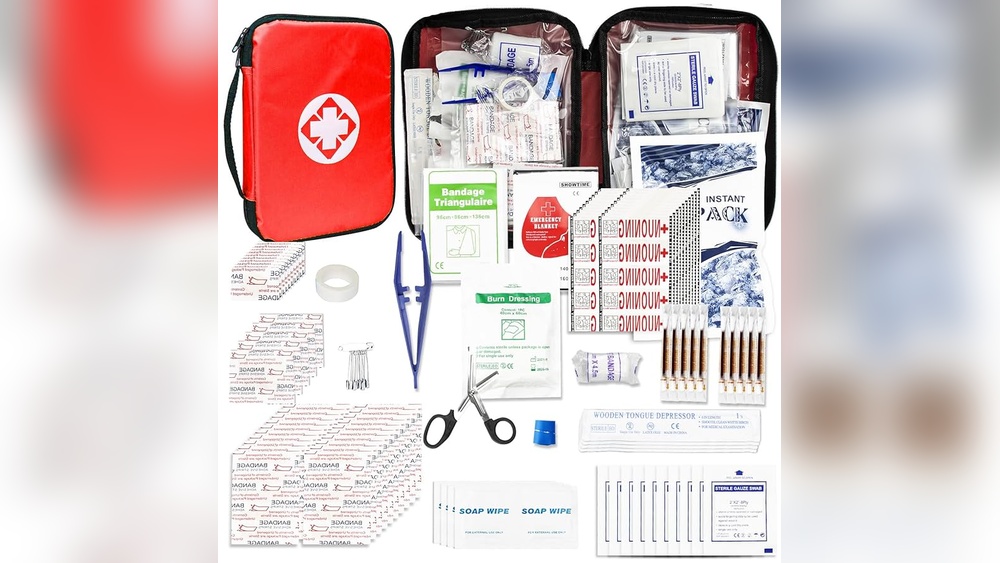
The basic medical supplies include bandages, antiseptic, and pain relief. Bandages stop bleeding and protect wounds from dirt. Antiseptic cleans cuts to prevent infection. Pain relief helps manage discomfort from injuries. These supplies are small but very important. They allow contestants to treat minor injuries quickly.
Injury Prevention Gear
Injury prevention gear protects the body during tough activities. Gloves guard hands from cuts and blisters. Knee pads protect joints when crawling or climbing. Proper footwear prevents foot injuries and blisters. These items reduce the chance of getting hurt. Avoiding injuries helps keep strength and energy.

Credit: www.history.com
Frequently Asked Questions
What Survival Gear Was Allowed On Alone Season 1?
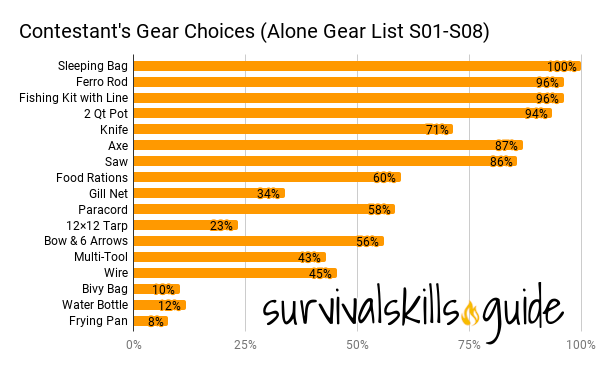
Contestants could bring only 10 personal items of their choice. These included tools like knives, fire starters, and fishing gear. No additional supplies were permitted, making each item crucial for survival.
How Did Contestants Choose Their Survival Tools?
Participants selected items based on their experience and environment. They prioritized multi-use tools to maximize efficiency. Choosing versatile gear was essential for shelter, food, and fire.
Why Was Survival Gear Limited On Alone Season 1?
The limit tested contestants’ skills and resourcefulness. It created a realistic survival challenge. This rule ensured fairness and increased the show’s authenticity.
What Common Survival Gear Did All Participants Carry?
Most carried a fixed-blade knife, fire starter, and a cooking pot. These basic tools supported essential tasks like cutting, fire-making, and food preparation.
Conclusion
Survival gear on Alone Season 1 shows what really matters in the wild. Each tool helps contestants live through tough days and cold nights. Simple items like knives, fire starters, and shelters make a big difference. These tools prove that being prepared is key to survival.
Watching the show teaches useful lessons about nature and self-reliance. Gear alone does not win; skill and mindset are just as important. This gear list inspires anyone interested in outdoor adventures and survival skills. It’s a good start for those who want to try wilderness survival safely.